

Most Wi‑Fi smart locks can log every entry and send encrypted activity alerts straight to your phone, even without a separate hub. You’ll find models that blend PINs, fingerprints, physical keys and app access so you can tailor who gets in and at what time. I’ll compare five top picks—covering ease of install, battery life, voice support and security—so you can pick the right balance of convenience and control.
| Philips Wi‑Fi Smart Door Lock Keyless Deadbolt |

| Family-Friendly Security | Connectivity: Built-in Wi‑Fi (2.4 GHz) | Remote Control/App: Remote lock/unlock and notifications via app | Multiple Unlock Methods: App, passcode, fingerprint, physical key, voice | VIEW LATEST PRICE | Read Our Analysis |
| eufy Security Smart Lock C30 Keyless Wi‑Fi Deadbolt |

| Reliable Everyday Lock | Connectivity: Built-in Wi‑Fi (no bridge) | Remote Control/App: Remote control and management via eufy Security app | Multiple Unlock Methods: App, keypad (physical buttons), physical key, voice, physical button | VIEW LATEST PRICE | Read Our Analysis |
| Schlage Encode Smart WiFi Deadbolt Lock – Matte Black |
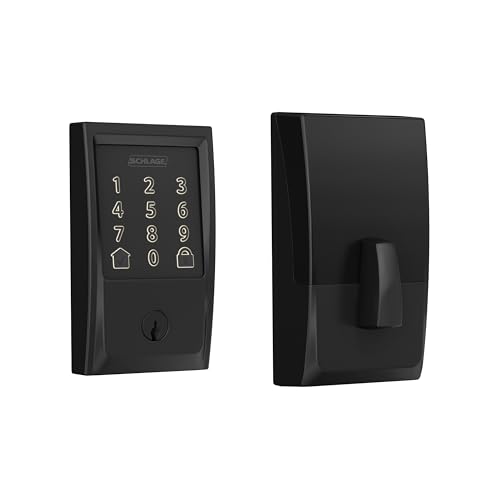
| Premium Pick | Connectivity: Built-in Wi‑Fi | Remote Control/App: Remote control and monitoring via Schlage Home app | Multiple Unlock Methods: Touchscreen code, physical key (keyless entry) | VIEW LATEST PRICE | Read Our Analysis |
| eufy Smart Lock C220 Fingerprint Keyless Deadbolt |

| Advanced Biometric Choice | Connectivity: Built-in Wi‑Fi (no bridge) | Remote Control/App: Remote control and access management via eufy Security app | Multiple Unlock Methods: Fingerprint, app, keypad, physical key, Apple Watch, voice | VIEW LATEST PRICE | Read Our Analysis |
| Veise VE012W WiFi Fingerprint Smart Lock (Matte Black) |

| Feature‑Packed Value | Connectivity: Built-in 2.4 GHz Wi‑Fi | Remote Control/App: Remote lock/unlock, status and management via app | Multiple Unlock Methods: App, fingerprint, PINs/codes, physical keys, voice | VIEW LATEST PRICE | Read Our Analysis |
More Details on Our Top Picks
Philips Wi‑Fi Smart Door Lock Keyless Deadbolt
Should you want hands‑free convenience and flexible guest access, the Philips Wi‑Fi Smart Door Lock is a great pick—it gives you multiple release options (app, passcode, fingerprint, key, or voice via Alexa/Google) and lets you create up to 100 custom codes plus unlimited one‑time or scheduled codes for visitors. You’ll enjoy one‑touch fingerprint access, remote control via built‑in 2.4 GHz Wi‑Fi (keep lock within ~65 ft of router), real‑time alerts, and a full access log. Configure auto‑lock (10–180s) or enable Away Mode to restrict entry. Install with a screwdriver on 1‑3/8″–2″ doors; use 4 or 8 AA batteries.
- Connectivity:Built-in Wi‑Fi (2.4 GHz)
- Remote Control/App:Remote lock/unlock and notifications via app
- Multiple Unlock Methods:App, passcode, fingerprint, physical key, voice
- Voice Assistant Support:Alexa and Google Assistant compatible
- Auto‑lock:Configurable auto-lock (10–180 seconds)
- Battery Powered:4 or 8 AA batteries (not included)
- Additional Feature:Fingerprint one‑touch unlock
- Additional Feature:Access history logging
- Additional Feature:Away Mode (master‑code only)
eufy Security Smart Lock C30 Keyless Wi‑Fi Deadbolt
In case you want a no-fuss, fully Wi‑Fi–enabled deadbolt that skips the bridge and lets you manage access from anywhere, the eufy Security Smart Lock C30 is a strong pick. You’ll get a BHMA Grade 3, keyless deadbolt with a durable physical-button keypad, physical key backup, and voice control via Alexa or Google. Installation takes about 15 minutes with no drilling, and it pairs with eufy doorbells for unified routines. Powered through four AA batteries (up to five months), it offers auto-lock, wrong-try protection, IPX3 water resistance, -22°F to 158°F operation, and 18‑month support.
- Connectivity:Built-in Wi‑Fi (no bridge)
- Remote Control/App:Remote control and management via eufy Security app
- Multiple Unlock Methods:App, keypad (physical buttons), physical key, voice, physical button
- Voice Assistant Support:Alexa and Google Assistant compatible
- Auto‑lock:Configurable auto-lock (time setting)
- Battery Powered:4 AA batteries (not included), ~5 months life
- Additional Feature:BHMA Grade 3
- Additional Feature:Physical durable buttons
- Additional Feature:Pairs with eufy doorbells
Schlage Encode Smart WiFi Deadbolt Lock – Matte Black
Choose the Schlage Encode provided you want easy, app-based control and built-in WiFi so you can lock, release, and manage access from anywhere without extra hubs. You get keyless touchscreen entry plus a physical backup key, and the Schlage Home app lets you monitor multiple locks and create up to 100 access codes for guests or Airbnb stays. It supports Alexa and Google Home, offers secure encrypted connections, and includes a customizable alarm for forced-entry alerts. Installation’s simple with Snap ’n Stay and common backset/door thickness compatibility. Powered via four AA batteries, it notifies you of low power and lasts about six months.
- Connectivity:Built-in Wi‑Fi
- Remote Control/App:Remote control and monitoring via Schlage Home app
- Multiple Unlock Methods:Touchscreen code, physical key (keyless entry)
- Voice Assistant Support:Alexa and Google Home compatible
- Auto‑lock:Auto-lock with adjustable delay or off
- Battery Powered:Four AA batteries (included), up to ~6 months
- Additional Feature:Built‑in tamper alarm
- Additional Feature:Snap ’n Stay install
- Additional Feature:BHMA highest residential rating
eufy Smart Lock C220 Fingerprint Keyless Deadbolt
In case you want fast, keyless entry with strong fingerprint recognition, the eufy Smart Lock C220 delivers—its under‑1.5s fingerprint release and self‑learning AI make daily access seamless for busy households. You’ll get a BHMA Grade 3 deadbolt in a polished black aluminum rectangular design that fits standard US/CA doors and installs in about 15 minutes without drilling. It uses eight AA batteries (about eight months), supports six access methods—including app, keypad, key, Apple Watch, and voice—has built‑in Wi‑Fi (no bridge), IP53 splash resistance, alarm on tamper, real‑time notifications, and 18‑month support for peace of mind.
- Connectivity:Built-in Wi‑Fi (no bridge)
- Remote Control/App:Remote control and access management via eufy Security app
- Multiple Unlock Methods:Fingerprint, app, keypad, physical key, Apple Watch, voice
- Voice Assistant Support:Alexa and Google Assistant compatible
- Auto‑lock:Auto-lock configurable (included in features)
- Battery Powered:8 AA batteries (runs ~8 months); 1 AAA included
- Additional Feature:AI self‑learning fingerprint
- Additional Feature:IP53 splash/dust resistance
- Additional Feature:Apple Watch unlocking
Veise VE012W WiFi Fingerprint Smart Lock (Matte Black)
For homeowners who want fast, flexible entry and full remote control, the Veise VE012W delivers 6-in-1 keyless access—app, fingerprint (stores 20), unlimited one-time codes, 100 custom PINs, two physical keys, and voice commands—so you can manage who gets in from anywhere. You’ll program every method remotely via the app, set one-touch lock or auto-lock (10–180s), and enable vacation mode. Built-in 2.4 GHz WiFi and Alexa/Google support offer hands-free control. The AI fingerprint reads in 0.2s with 99.99% accuracy. Grade 3, IP55, AES-128 local storage, long battery life, DIY install, and solid support complete the package.
- Connectivity:Built-in 2.4 GHz Wi‑Fi
- Remote Control/App:Remote lock/unlock, status and management via app
- Multiple Unlock Methods:App, fingerprint, PINs/codes, physical keys, voice
- Voice Assistant Support:Amazon Alexa and Google Assistant compatible
- Auto‑lock:Auto-lock adjustable (10–180 seconds)
- Battery Powered:8 batteries (longer life claim) with low-battery alerts
- Additional Feature:AI fingerprint 0.2s recognition
- Additional Feature:AES‑128 local storage
- Additional Feature:2‑year full warranty
Factors to Consider When Choosing a Wifi Smart Lock
At the start of selecting a Wi‑Fi smart lock, you’ll want to compare security features and available modes to make sure your home stays protected. Check the release methods, connectivity and compatibility with your devices, and the lock’s power and battery life so it fits your routine. Finally, confirm installation requirements and fit for your door to avoid surprises during setup.
Security Features & Modes
Although convenience is the main draw of a Wi‑Fi smart lock, you should prioritize strong security features and flexible modes so a single compromise won’t expose your home. Choose locks offering multi-factor access—biometric, PIN, physical key and app—so one breached method doesn’t grant full access. Verify communications use AES‑level encryption and that credentials and logs are stored securely on the device to prevent interception or tampering. Prefer models with configurable modes like Away/Vacation that disable remote or keypad entry and require a master code for emergencies. Look for tamper and forced‑entry alarms plus wrong‑try lockout to deter intruders, and configurable auto‑lock timing with detailed timestamped audit logs so you can enforce closure and monitor entries.
Unlock Methods Available
Consider how you and others will actually get in and out—good Wi‑Fi locks give you several reliable options so a single failure doesn’t lock you out. You’ll want app control, PIN codes, biometric fingerprint, a physical key backup, and voice‑assistant access for flexibility. Check how many user codes and fingerprints the lock supports—dozens or hundreds matter when you share access with family, cleaners, or contractors. Look for one‑time, scheduled, or recurring passcodes and easy remote code sharing for temporary access. Verify fast, sub‑second biometric recognition and anti‑spoofing defenses, plus durable keypads or touchscreens to minimize input errors. Finally, confirm an emergency physical key or alternate power/entry method exists in case batteries die or electronics fail.
Connectivity And Compatibility
Access options mean little unless the lock can’t reliably talk to your network and smart home ecosystem, so next check connectivity and compatibility. Confirm the lock supports your home’s Wi‑Fi band—most require 2.4 GHz for better range—so don’t buy a 5 GHz‑only device. Decide whether you want built‑in Wi‑Fi or accept a bridge/hub; built‑in gives direct remote control, while a hub adds cost and complexity. Verify integrations with Alexa, Google Assistant, and Apple HomeKit in case you use those platforms so routines and voice control work seamlessly. Make sure the companion app handles multi‑user management, remote code provisioning, and access logs so you can grant, revoke, and audit entry from anywhere. Finally, check recommended router‑to‑lock distance and mesh/extender needs for reliable notifications.
Power And Battery Life
Because your smart lock depends on its power source, battery type and lifespan should be among the initial things you check. You’ll want to observe whether the lock uses AA, AAA, or a built‑in rechargeable pack, since replacement cost and availability affect long‑term upkeep. Compare advertised battery life—some last months, others over a year—and match that to your expected daily lock/unlock frequency. Confirm the lock provides low‑battery alerts locally and through its app so you can act before failure. Look for backup options like a mechanical key, external 9V emergency terminal, or other emergency power inputs. Finally, consider environmental effects: extreme temperatures and humidity change performance, so pick the battery chemistry (alkaline, lithium, rechargeable) best suited to your climate.
Installation And Fit
After checking power and battery details, you’ll want to confirm the lock actually fits your door and operates without interference. Measure door thickness (commonly 1-3/8″ to 2″) and backset (2-3/8″ or 2-3/4″) to match the lock and latch. Check borehole and strike plate requirements so you don’t end up drilling or enlarging holes unexpectedly. Determine door handing—left or right—or choose a lock with reversible handing for correct thumb-turn alignment. Evaluate clearance around the interior thumbturn or touchscreen so it won’t hit trim, glass, or nearby hardware. Finally, review installation complexity and required tools: numerous models are DIY with a screwdriver, but metal or thin doors could need extra parts or professional help.
Alerts And Activity Logs
Upon choosing a Wi‑Fi smart lock, make sure it sends real‑time push notifications for lock and release events and keeps detailed activity logs you can review—who used the lock, how they entered, and exactly at what time. You’ll want logs that record user identity, entry method (keypad, fingerprint, app), and precise timestamps so you can audit access. Check where logs are stored — locally, cloud, or both — and how long history is retained to satisfy privacy or compliance needs. Verify configurable alerts for failed entry attempts, low battery, and forced‑entry, plus options to mute or prioritize notifications to avoid alert fatigue. Finally, confirm logs are encrypted in transit and at rest and that you can export or integrate them with other security or smart‑home platforms.
