

In case you want a router that actually keeps up with Xfinity’s speeds and the gadgets you’ll add over the next few years, you’ll need to pick carefully. Don’t settle for older AC gear or a single gig port in case your plan or home demands more. I’ll walk you through top modem‑router combos and standalone routers that fit 2026 needs — but to start, consider what futureproofing really means.
| NETGEAR Nighthawk C7000 Cable Modem & WiFi Router |

| Reliable All-in-One | Device Type: Cable modem + Wi‑Fi router (combo) | Xfinity Compatibility: Compatible with Xfinity | DOCSIS / Wi‑Fi Generation (primary tech): DOCSIS 3.0 modem + Wi‑Fi 5 (802.11ac) | VIEW LATEST PRICE | Our Analysis |
| Motorola MG8702 DOCSIS 3.1 Cable Modem Router |
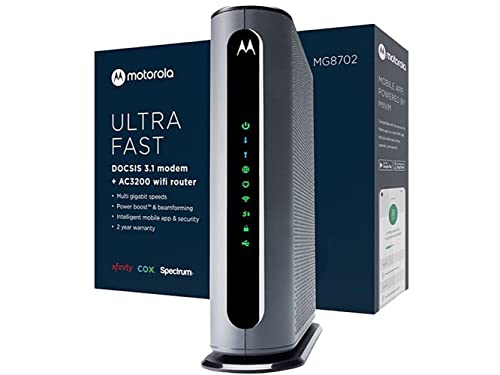
| Future-Proof Performer | Device Type: Cable modem + Wi‑Fi router (combo) | Xfinity Compatibility: Approved for Xfinity (Comcast) | DOCSIS / Wi‑Fi Generation (primary tech): DOCSIS 3.1 modem + Wi‑Fi (AC3200) | VIEW LATEST PRICE | Our Analysis |
| TP-Link Archer AX21 AX1800 WiFi 6 Router |

| Best for Upgrades | Device Type: Wi‑Fi router (requires separate modem) | Xfinity Compatibility: Works with Xfinity (requires modem) | DOCSIS / Wi‑Fi Generation (primary tech): Wi‑Fi 6 (802.11ax) router — no modem | VIEW LATEST PRICE | Our Analysis |
| NETGEAR Nighthawk CAX30 WiFi 6 Cable Modem Router |

| High-Speed Combo | Device Type: Cable modem + Wi‑Fi router (combo) | Xfinity Compatibility: Certified with Xfinity (up to 800 Mbps) | DOCSIS / Wi‑Fi Generation (primary tech): DOCSIS 3.1 modem + Wi‑Fi 6 (AX2700) | VIEW LATEST PRICE | Our Analysis |
| Hitron CODA56 DOCSIS 3.1 Cable Modem (No WiFi) |

| Multi‑Gig Modem | Device Type: Cable modem (no Wi‑Fi) | Xfinity Compatibility: Compatible with Xfinity | DOCSIS / Wi‑Fi Generation (primary tech): DOCSIS 3.1 modem (no Wi‑Fi) | VIEW LATEST PRICE | Our Analysis |
More Details on Our Top Picks
NETGEAR Nighthawk C7000 Cable Modem & WiFi Router
Should you want a simple, budget-friendly all-in-one that replaces your modem and router and supports Xfinity plans up to 800 Mbps, the NETGEAR Nighthawk C7000 is a solid pick — it combines a DOCSIS 3.0 24×8 modem with AC1900 Wi‑Fi 5 performance, covers about 1,800 sq. ft., and handles roughly 30 devices so you’ll get reliable HD streaming without renting gear from your ISP. You’ll enjoy four gigabit LAN ports, a USB 2.0 port, WPA/WPA2 security, and NETGEAR Armor trial protection. It’s easy to set up with the Nighthawk app, but bear in mind it won’t work with DSL or certain ISPs.
- Device Type:Cable modem + Wi‑Fi router (combo)
- Xfinity Compatibility:Compatible with Xfinity
- DOCSIS / Wi‑Fi Generation (primary tech):DOCSIS 3.0 modem + Wi‑Fi 5 (802.11ac)
- Ethernet Ports:4 × Gigabit Ethernet LAN ports
- Security / Management Features:WPA/WPA2, NETGEAR Armor (trial), Nighthawk app management
- ISP Rental Savings Potential:Eliminates modem/router rental fees (manufacturer-stated savings)
- Additional Feature:24×8 channel bonding
- Additional Feature:USB 2.0 port
- Additional Feature:Nighthawk mobile app
Motorola MG8702 DOCSIS 3.1 Cable Modem Router
Should you want a single device that handles both your high‑speed Xfinity plan and home Wi‑Fi without renting gear, the Motorola MG8702 DOCSIS 3.1 combo modem‑router is a great pick. You’ll get DOCSIS 3.1 future‑proofing and AC3200 Wi‑Fi speeds, with AnyBeam beamforming plus Power surge and Range enhancement to improve coverage and throughput. It’s approved for Xfinity, Cox and Spectrum, so setup is straightforward. The mobile app simplifies installation, guest networks, parental controls, usage monitoring and speed tests, and the unit includes two years of expert support. Buying one saves you rental fees and leans on Motorola reliability.
- Device Type:Cable modem + Wi‑Fi router (combo)
- Xfinity Compatibility:Approved for Xfinity (Comcast)
- DOCSIS / Wi‑Fi Generation (primary tech):DOCSIS 3.1 modem + Wi‑Fi (AC3200)
- Ethernet Ports:(Multiple Gigabit Ethernet ports; router combo) — includes Gigabit LAN ports
- Security / Management Features:App controls, parental controls, security alerts (expert support included)
- ISP Rental Savings Potential:Eliminates provider rental fees (combo replaces rented equipment)
- Additional Feature:AnyBeam beamforming
- Additional Feature:Power Boost/Range Boost
- Additional Feature:2 years expert support
TP-Link Archer AX21 AX1800 WiFi 6 Router
Should you want a budget-friendly Wi-Fi 6 upgrade that handles multiple devices without breaking the bank, the TP-Link Archer AX21 (AX1800) is a solid pick. You get dual-band AX1800 throughput (up to 1.8 Gbps: 1,200 Mbps on 5 GHz, 574 Mbps on 2.4 GHz) and Wi‑Fi 6 features like OFDMA and beamforming to reduce congestion and extend reach. Four high‑gain antennas and an advanced FEM chipset improve coverage. It requires a separate modem, supports OpenVPN and PPTP servers, and works with major ISPs including Xfinity. Keep firmware current and use TP‑Link’s Tether app for management.
- Device Type:Wi‑Fi router (requires separate modem)
- Xfinity Compatibility:Works with Xfinity (requires modem)
- DOCSIS / Wi‑Fi Generation (primary tech):Wi‑Fi 6 (802.11ax) router — no modem
- Ethernet Ports:(Router with multiple Gigabit Ethernet ports) — standard LAN ports (4)
- Security / Management Features:WPA3-capable security, VPN server support, Tether app/firmware updates
- ISP Rental Savings Potential:Can save rental fees if used with compatible modem (router only)
- Additional Feature:OFDMA multi‑device support
- Additional Feature:Four high‑gain antennas
- Additional Feature:OpenVPN/PPTP VPN server
NETGEAR Nighthawk CAX30 WiFi 6 Cable Modem Router
Should you want a compact all-in-one that supports Xfinity speeds without renting equipment, the NETGEAR Nighthawk CAX30 is a solid pick—its DOCSIS 3.1 modem and WiFi 6 (AX2700) radios deliver multi-gig capability and coverage for homes up to about 2,500 sq. ft., while built-in features like port aggregation, WPA3, and NETGEAR Armor give you performance and security in a single box. You’ll get dual-band AX2700 throughput, 32×8 channel bonding, and support for up to 25 devices. It has four gigabit LAN ports, USB 3.0, Nighthawk app management, and compatibility with Xfinity (up to 800 Mbps).
- Device Type:Cable modem + Wi‑Fi router (combo)
- Xfinity Compatibility:Certified with Xfinity (up to 800 Mbps)
- DOCSIS / Wi‑Fi Generation (primary tech):DOCSIS 3.1 modem + Wi‑Fi 6 (AX2700)
- Ethernet Ports:4 × 1 Gigabit Ethernet ports (supports link aggregation)
- Security / Management Features:WPA/WPA2/WPA3, NETGEAR Armor, Nighthawk app management
- ISP Rental Savings Potential:Replaces rented modem/router; potential annual savings (renewed unit)
- Additional Feature:32×8 channel bonding
- Additional Feature:USB 3.0 port
- Additional Feature:Port aggregation supported
Hitron CODA56 DOCSIS 3.1 Cable Modem (No WiFi)
In case you need a high‑speed, future‑proof cable modem for Xfinity plans at or above 1 Gbps, the Hitron CODA56 delivers DOCSIS 3.1 performance and a 2.5 Gbps Ethernet port so you can get the most from multi‑gig service (using your own router). You’ll get DOCSIS 3.1 low latency for 4K streaming, gaming, and video calls, plus backward compatibility with DOCSIS 3.0. It’s cable‑only and requires a separate router for WiFi or multiple devices; without one, only a single Ethernet client works. Confirm ISP compatibility and activation. Manufacturer support, warranty, and potential savings from avoided rental fees are included.
- Device Type:Cable modem (no Wi‑Fi)
- Xfinity Compatibility:Compatible with Xfinity
- DOCSIS / Wi‑Fi Generation (primary tech):DOCSIS 3.1 modem (no Wi‑Fi)
- Ethernet Ports:1 × 2.5 Gbps Ethernet WAN (plus typical Gigabit LAN/WAN port for modem)
- Security / Management Features:Manufacturer support, firmware/technical support (no built‑in Wi‑Fi security)
- ISP Rental Savings Potential:Eliminates modem rental fees (use with separate router for Wi‑Fi)
- Additional Feature:2.5 Gbps Ethernet port
- Additional Feature:Modem‑only (no WiFi)
- Additional Feature:DOCSIS 3.1 low‑latency design
Factors to Consider When Choosing a Router Compatible With Xfinity
Upon picking a router for Xfinity, you’ll want to confirm it supports your specific plan’s speeds and works with Xfinity’s network. Decide whether you need a combined modem/router or will pair a separate DOCSIS modem with a dedicated router, then compare Wi‑Fi standards, channel bonding, and real-world throughput. Finally, check ports and hardware features—like multi‑Gig WAN, USB, and QoS—to make sure the unit fits your devices and use cases.
Compatibility With Xfinity Plans
Although matching your router or modem to your Xfinity plan can seem technical, you only need to focus on a few key specs—DOCSIS version, channel bonding, Wi‑Fi generation, and Ethernet port speeds—to avoid bottlenecks and get the speeds you pay for. First, pick DOCSIS 3.0 for plans up to ~800 Mbps and DOCSIS 3.1 for gigabit or multi‑gig tiers. Check channel bonding (e.g., 24×8 vs. 32×8) to make certain the modem can handle your subscribed throughput. Match the router’s Wi‑Fi generation—Wi‑Fi 5 for sub‑gigabit, Wi‑Fi 6 for gigabit—to make wireless speeds meaningful. For plans above 1 Gbps, verify multi‑gig Ethernet or link aggregation. Finally, confirm the device appears on Xfinity’s compatibility list and meets activation rules.
Modem Vs. Router
Because the modem handles the cable link and the router manages your home network, you’ll want to treat them as separate decisions even should you use a combined gateway. The modem translates Xfinity’s signal—pick DOCSIS 3.0 for many plans or DOCSIS 3.1 for gigabit/multi‑gig tiers—and must offer enough channel bonding and a gigabit or multi‑gig Ethernet port to feed your router. The router creates and manages Wi‑Fi and wired connections; choosing it separately lets you upgrade performance, features, and coverage without swapping the modem. Consider device locations and household size while selecting router capabilities like dual‑ versus tri‑band, spatial streams, antenna/beamforming, and OFDMA to handle concurrent devices and coverage. A gateway trades simplicity for limited upgrade flexibility.
Wireless Standard (Wi‑Fi)
Now that you’ve separated the modem choice from the router decision, focus on the wireless standard the router uses—it’s what defines speed, capacity, and features for your home Wi‑Fi. Choose at least Wi‑Fi 5 (802.11ac) for solid HD streaming; prefer Wi‑Fi 6 (802.11ax) provided you want higher throughput, lower latency, and better multi‑device handling. Compare the router’s class rating (AX1800, AX3000, AC1900) to your plan—these are theoretical aggregate numbers, not guaranteed real‑world speeds. Confirm dual‑band (2.4 GHz + 5 GHz) as a minimum; consider tri‑band or extra 5 GHz radios for busy households. Look for OFDMA, MU‑MIMO improvements, beamforming, WPA3 support, and reliable firmware updates to maintain security and protocol features over time.
Speed And Channel Bonding
At that moment you pick gear for Xfinity, check both the modem’s DOCSIS version and its channel‑bonding counts—DOCSIS 3.1 with 32×8 (or higher) downstream/upstream bonding is what you want for gigabit and above, whereas DOCSIS 3.0 devices with 24×8 or 16×4 can cap peak wired speeds. Match channel counts to your subscribed tier so the modem won’t bottleneck wired throughput. For combined modem‑routers or separate modems, make sure downstream/upstream channels meet or exceed plan requirements. Also pick a Wi‑Fi router whose rated throughput (AC/AX numbers like AX1800, AX2700) exceeds your ISP speed so wireless—not the modem—limits performance. In case you need multi‑gig LAN, choose DOCSIS 3.1 plus multi‑gig Ethernet or link aggregation to make use of speeds above 1 Gbps.
Ports And Hardware Features
While shopping for an Xfinity‑ready router, focus initially on the physical ports and core hardware so you don’t end up bottlenecking a fast plan; you’ll want at least one Gigabit WAN/modem‑compatible port and four Gigabit LAN ports for wired devices, and consider 2.5 Gbps or multi‑gig ports (or link aggregation) should your plan or modem delivers speeds above 1 Gbps. Beyond that, check for USB 3.0 or higher in case you’ll attach NAS, printers, or media servers to keep file transfers and streaming snappy. Verify support for link/port aggregation (LACP) to combine ports for higher throughput or redundancy. Finally, evaluate antenna design and the CPU/RAM specs so the router can sustain many clients and advanced features without performance drops.
