

Provided you’re picking gear for Xfinity in 2026, you want a setup that won’t choke on multi‑gig speeds or dozens of devices. Choose a DOCSIS 3.1 modem approved through Comcast and pair it with a Wi‑Fi 6/6E router or mesh system that supports OFDMA and 2.5Gbps or link aggregation. I’ll walk through top models and what really matters so you can avoid costly upgrades later.
| ARRIS SBG7400AC2 Modem Router Combo (AC2350) |

| Reliable Midrange Pick | ISP Compatibility: Certified for major U.S. cable providers (Cox, Spectrum, Xfinity) | DOCSIS Standard: DOCSIS 3.0 | Wi‑Fi Capability (Built‑in or Requires Separate Router): Built‑in Wi‑Fi (AC2350) | VIEW LATEST PRICE | Our Analysis |
| NETGEAR Nighthawk CAX80 Cable Modem WiFi 6 Router |
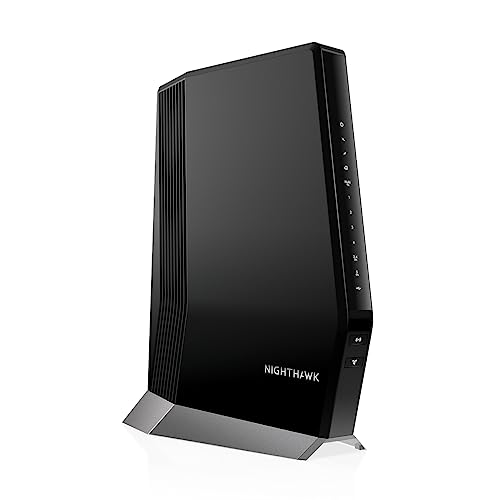
| High-Speed Powerhouse | ISP Compatibility: Compatible with major cable providers including Xfinity, Spectrum, Cox | DOCSIS Standard: DOCSIS 3.1 | Wi‑Fi Capability (Built‑in or Requires Separate Router): Built‑in Wi‑Fi 6 (AX6000) | VIEW LATEST PRICE | Our Analysis |
| NETGEAR Nighthawk C7000 Cable Modem WiFi Router Combo |

| Compact Performance Choice | ISP Compatibility: Compatible with major cable providers including Xfinity, Cox | DOCSIS Standard: DOCSIS 3.0 | Wi‑Fi Capability (Built‑in or Requires Separate Router): Built‑in Wi‑Fi (AC1900) | VIEW LATEST PRICE | Our Analysis |
| Hitron CODA56 DOCSIS 3.1 Cable Modem (No WiFi) |

| Multi‑Gig Modem Only | ISP Compatibility: Compatible with major cable providers such as Xfinity, Spectrum, Cox | DOCSIS Standard: DOCSIS 3.1 (backward compatible with 3.0) | Wi‑Fi Capability (Built‑in or Requires Separate Router): No Wi‑Fi (modem only; separate router required) | VIEW LATEST PRICE | Our Analysis |
| Arris G20 DOCSIS 3.1 WiFi 6 Modem Router |

| Future‑Ready Wi‑Fi 6 | ISP Compatibility: Approved for major ISPs including Comcast Xfinity, Cox, Spectrum | DOCSIS Standard: DOCSIS 3.1 | Wi‑Fi Capability (Built‑in or Requires Separate Router): Built‑in Wi‑Fi 6 (AX3000) | VIEW LATEST PRICE | Our Analysis |
More Details on Our Top Picks
ARRIS SBG7400AC2 Modem Router Combo (AC2350)
Should you want a single device that handles gigabit‑class cable internet and whole‑home Wi‑Fi without renting gear from Xfinity, the ARRIS SBG7400AC2 is a solid pick: it’s a DOCSIS 3.0 cable modem certified for plans up to 960 Mbps and pairs that with AC2350 dual‑band Wi‑Fi plus four Gigabit Ethernet ports for reliable wired and wireless connections. You’ll appreciate broad compatibility with major U.S. cable providers like Xfinity, Spectrum, and Cox, simple setup via the SURFboard Central app, and parental controls. Keep in mind it won’t support cable digital voice or non‑cable ISPs such as AT&T or Verizon.
- ISP Compatibility:Certified for major U.S. cable providers (Cox, Spectrum, Xfinity)
- DOCSIS Standard:DOCSIS 3.0
- Wi‑Fi Capability (Built‑in or Requires Separate Router):Built‑in Wi‑Fi (AC2350)
- Multi‑Gig or Gig Ethernet:Four 1 Gbps Ethernet ports
- Targeted Maximum Plan Speed:Approved up to 960 Mbps cable plans
- Mobile/App Setup & Management:SURFboard Central app for activation, monitoring, parental controls
- Additional Feature:Four Gigabit Ethernet ports
- Additional Feature:SURFboard Central App
- Additional Feature:No digital voice support
NETGEAR Nighthawk CAX80 Cable Modem WiFi 6 Router
Should you want a single-box solution that handles multi-gig cable plans and fast WiFi for a mid-size home, the NETGEAR Nighthawk CAX80 is a strong pick. You’ll get DOCSIS 3.1 with 32×8 channel bonding, AX6000 WiFi 6 speeds up to 6 Gbps, and coverage to about 2,500 sq. ft. It supports around 30 devices and replaces separate modem and router hardware for cable plans up to 6 Gbps. Ports include four GigE, one 2.5 G multi-gig (plus port aggregation), and a USB 3.0. Setup via the Nighthawk app is quick, and NETGEAR Armor adds layered security.
- ISP Compatibility:Compatible with major cable providers including Xfinity, Spectrum, Cox
- DOCSIS Standard:DOCSIS 3.1
- Wi‑Fi Capability (Built‑in or Requires Separate Router):Built‑in Wi‑Fi 6 (AX6000)
- Multi‑Gig or Gig Ethernet:Four 1 Gbps ports + 2.5 Gbps Multi‑Gig port (supports aggregation)
- Targeted Maximum Plan Speed:Best for cable plans up to 6 Gbps (supports high‑speed tiers)
- Mobile/App Setup & Management:Nighthawk app for setup, speed tests, device/network management
- Additional Feature:2.5G multi-gig port
- Additional Feature:NETGEAR Armor security
- Additional Feature:32×8 DOCSIS 3.1 bonding
NETGEAR Nighthawk C7000 Cable Modem WiFi Router Combo
In case you want a single device that handles both your cable modem and AC1900 WiFi needs, the NETGEAR Nighthawk C7000 is built for cable customers with plans up to about 800 Mbps who want to ditch monthly rental fees. You’ll get DOCSIS 3.0 performance and AC1900 speeds suitable for gaming, streaming, and multiple users across roughly 1,800 sq ft. It supports about 30 devices and replaces separate modem-plus-router gear, potentially saving up to $150/year. It’s compatible with Xfinity and Cox, but not with Verizon, a major cable provider, AT&T, CenturyLink, DSL providers, DirecTV, DISH, or any bundled voice services.
- ISP Compatibility:Compatible with major cable providers including Xfinity, Cox
- DOCSIS Standard:DOCSIS 3.0
- Wi‑Fi Capability (Built‑in or Requires Separate Router):Built‑in Wi‑Fi (AC1900)
- Multi‑Gig or Gig Ethernet:Four 1 Gbps Ethernet ports
- Targeted Maximum Plan Speed:Best for cable plans up to 800 Mbps
- Mobile/App Setup & Management:(Implied) App-based setup/management via Nighthawk/CPE (sets up in minutes)
- Additional Feature:AC1900 Wi‑Fi speed
- Additional Feature:Up to 30 devices
- Additional Feature:Saves rental fees
Hitron CODA56 DOCSIS 3.1 Cable Modem (No WiFi)
In case you want multi‑gig speeds from Xfinity without paying monthly rental fees, the Hitron CODA56 delivers DOCSIS 3.1 performance and a 2.5 Gbps Ethernet port—but you’ll need a separate router for WiFi and to connect multiple devices. You get a modem-only device optimized for low latency, 4K streaming, gaming, and video calls, with backward compatibility to DOCSIS 3.0. It supports up to 2.5 Gbps on its multi‑gig port, so pair it with a router that has a 2.5 Gbps WAN/LAN for full speeds. Confirm provider compatibility, activate service with your ISP, and expect manufacturer support and warranty coverage.
- ISP Compatibility:Compatible with major cable providers such as Xfinity, Spectrum, Cox
- DOCSIS Standard:DOCSIS 3.1 (backward compatible with 3.0)
- Wi‑Fi Capability (Built‑in or Requires Separate Router):No Wi‑Fi (modem only; separate router required)
- Multi‑Gig or Gig Ethernet:2.5 Gbps Ethernet port (multi‑gig)
- Targeted Maximum Plan Speed:Designed for 1 Gbps+ plans (multi‑gig capable)
- Mobile/App Setup & Management:ISP activation required; manufacturer provides support/tools (requires separate router for app Wi‑Fi management)
- Additional Feature:2.5 Gbps Ethernet
- Additional Feature:Modem-only (no Wi‑Fi)
- Additional Feature:DOCSIS 3.1 low latency
Arris G20 DOCSIS 3.1 WiFi 6 Modem Router
Should you want a single device that pairs DOCSIS 3.1 modem speeds with Wi‑Fi 6 coverage for whole‑home streaming and gaming, the Arris G20 is a strong pick—especially should you’re looking to stop renting equipment. You get a trusted Arris unit used in millions of homes, a DOCSIS 3.1 modem with next‑gen upload optimization, and AX3000 dual‑band Wi‑Fi 6 for wider, faster wireless coverage. It supports up to 1.0 Gbps wired, is multi‑gigabit capable, and is approved by Xfinity, Cox, Charter and others. Owning it cuts recurring rental fees while enhancing security and gaming performance.
- ISP Compatibility:Approved for major ISPs including Comcast Xfinity, Cox, Spectrum
- DOCSIS Standard:DOCSIS 3.1
- Wi‑Fi Capability (Built‑in or Requires Separate Router):Built‑in Wi‑Fi 6 (AX3000)
- Multi‑Gig or Gig Ethernet:Multi‑gigabit capable (1.0 Gbps wired max noted)
- Targeted Maximum Plan Speed:Designed for gigabit‑class service (1.0 Gbps maximum wired)
- Mobile/App Setup & Management:(Implied) Setup and management features typical for Arris combos; supports activation and configuration (manufacturer app/tools)
- Additional Feature:AX3000 Wi‑Fi 6
- Additional Feature:Upload-optimized DOCSIS
- Additional Feature:Multi-gig capable
Factors to Consider When Choosing a Cable Modem and Wi‑Fi Router for Xfinity
Before you buy, check that the modem and router are Xfinity‑compatible and support the DOCSIS version your plan needs. Pick a Wi‑Fi standard and speed rating that match your devices, and make sure the router has enough coverage and capacity for how many devices you’ll run. Also confirm the modem’s Ethernet ports and any other port options you could need.
ISP Compatibility Check
Device compatibility matters: you’ll want a modem/router that’s listed on Xfinity’s approved devices page and supports the DOCSIS version, channel bonding, port speeds, and voice features your plan requires, and you should confirm whether Xfinity needs to provision the unit or restricts firmware/features for customer‑owned equipment. Check certification initially — an uncertified device can’t be activated or supported. Match downstream/upstream channel bonding and WAN/LAN port speeds to your tier so you don’t bottleneck a 1 Gbps or multi‑gig plan. Should you have Xfinity Voice, verify the modem supports the phone service; many don’t. Lastly, call Xfinity to confirm provisioning procedures and any firmware or feature limitations on customer‑owned gear so setup is smooth and support won’t be denied.
DOCSIS Version Needed
When choosing a modem for Xfinity, the DOCSIS version is one of the most essential choices you’ll make because it determines how much bandwidth, latency and future‑proofing the unit can deliver. Choose DOCSIS 3.1 in case you run 1 Gbps or higher, need lower latency, or want multi‑gig readiness and features like OFDM/OFDMA and link aggregation to reduce congestion. DOCSIS 3.0 still handles many popular tiers and can reach close to 1 Gbps with high channel bonding (e.g., 24×8 or 32×8), but it lacks the spectral efficiency of 3.1. For plans under roughly 300–500 Mbps, a well‑bonded DOCSIS 3.0 modem can be a cost‑effective choice. Always confirm device approval and provisioning with Xfinity.
Wi‑Fi Standard And Speed
Once you’ve picked a modem with the right DOCSIS version, you’ll want to match your Wi‑Fi standard and router capacity to your plan and home. Pick Wi‑Fi 6 (802.11ax) provided you want higher throughput, lower latency, and better multi‑device handling than Wi‑Fi 5 (802.11ac). Match router ratings (AX3000, AX6000) to your subscribed speeds, bearing in mind those are aggregate theoretical numbers; real throughput will be lower. Choose dual‑band for simple homes, tri‑band when you need an extra 5 GHz band to reduce congestion for streaming and gaming. Check device capacity—OFDMA and MU‑MIMO in Wi‑Fi 6 support many simultaneous clients with less slowdown. Finally, factor in range and environment: higher ratings and more antennas help large homes, but walls and interference still cut speeds.
Ethernet And Port Options
Consider the ports you’ll need so wired connections don’t become the weak link in your home network. Pick a modem/router or separate router with at least one Gigabit Ethernet (1 Gbps) WAN/LAN port to match Xfinity plans up to 1 Gbps. Provided you have a multi‑gig subscription or want future proofing, look for 2.5 Gbps (or higher) ports or link aggregation support. Check downstream LAN port count—commonly four 1 Gbps ports—so you can hardwire TVs, consoles, NAS, and a PC without an extra switch. For multiple high‑throughput devices, prefer port aggregation (bonding two Gigabit ports) or a dedicated 2.5/5/10 Gbps port. Finally, confirm USB 3.0 or eSATA for attaching shared storage or a printer.
Coverage And Device Capacity
Ports matter, but wireless reach and how many devices your network can handle will determine real-world performance. Match router Wi‑Fi coverage to your home—single routers typically cover 1,000–3,000 sq ft, while mesh systems scale for larger footprints. Place equipment centrally and raised; walls, floors, and appliances cut range, so plan extra access points or mesh satellites for multi‑story or dense layouts.
Check concurrent device capacity: many routers handle 20–30 active devices, but homes with >30 smart devices or heavy streaming/gaming need higher‑capacity Wi‑Fi 6/6E models or additional mesh nodes. Review supported standards and client bandwidth to keep speeds and latency low as device counts rise. Use wired connections or Ethernet backhaul between mesh nodes to preserve wireless capacity for other devices.
Security And Software Features
While great speeds matter, you also need a modem/router setup that protects your network and devices from common threats. Choose devices that support WPA3—or at least WPA2—to secure Wi‑Fi against brute‑force and eavesdropping. Built‑in firewalls with stateful packet inspection and NAT plus automatic firmware updates reduce exposure to known vulnerabilities.
Prefer routers with integrated threat protection or real‑time malware filtering to block malicious sites and infected devices. Verify secure remote management (HTTPS, SSH, or VPN) and the option to disable insecure features like UPnP and WPS. Look for per‑device access controls, guest network isolation, and parental controls (time limits, content filtering) so you can enforce customized security and privacy rules across users and devices.
Future‑Proofing And Upgrades
Because cable networks and home devices keep getting faster, you should pick modem and router hardware that won’t bottleneck your connection a year or two from now. Choose a DOCSIS 3.1 modem rather than 3.0 so you’re ready for multi‑gig and future ISP upgrades. For Wi‑Fi, pick Wi‑Fi 6 (802.11ax) or newer to get higher peaks, better multi‑device handling, and improved efficiency in dense homes. Opt for multi‑gig Ethernet ports (2.5 Gbps+) or link aggregation to support faster wired NAS, backups, and gaming. Verify ample downstream/upstream channels or DOCSIS 3.1 OFDMA support (e.g., 32×8-equivalent) so congestion won’t choke your speeds. Finally, prioritize vendors that provide regular firmware updates and a solid security track record to keep performance and safety current.
