
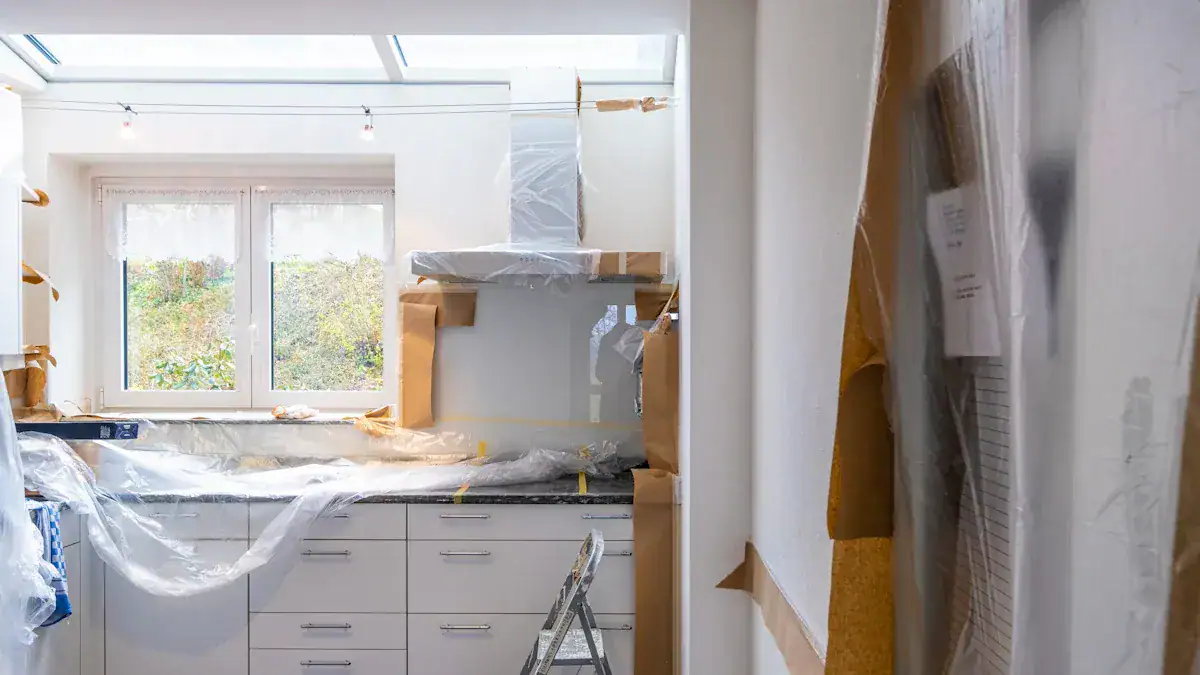
Understanding the differences between restoration vs remodel, renovation, and rehabilitation is crucial for you as a property owner. Each term carries unique implications regarding costs, design, and legal requirements. These distinctions can greatly influence the success of your project. As you plan your building project, ask yourself: Which approach best meets your specific needs? Knowing the right terms, including the differences between restoration vs remodel, helps you make informed decisions and achieve your desired outcomes.
Key Takeaways
Restoration aims to return a building to its original state, preserving its historical character and using original materials.
Remodeling involves significant changes to a building’s layout and structure, enhancing functionality and aesthetics.
Renovation focuses on improving a property’s functionality and appearance without altering its core design.
Rehabilitation adapts older buildings for modern use while respecting their historical features, ensuring safety and livability.
Understanding these differences helps you choose the best approach for your property project, balancing costs, time, and desired outcomes.
Restoration Defined

Restoration focuses on returning a building to its original state. This process emphasizes preserving the property’s historical character and integrity. You can think of restoration as a way to honor the past while maintaining the building’s unique charm.
Key Characteristics
When you consider restoration, keep these key characteristics in mind:
Preservation of Original Character: Restoration aims to maintain the building’s original style and features. You will often see this in historic buildings where the goal is to keep the architectural details intact.
Use of Original Materials: The process typically involves using materials that match the original construction. This might include reclaimed wood or traditional plaster.
Less Invasive: Unlike renovation, restoration is less disruptive. It focuses on repairing and maintaining existing elements rather than making significant changes.
Here’s a summary of the formal definitions related to building restoration:
Definition | Description |
|---|---|
Restoration | Focuses on the retention of materials from the most significant time in a property’s history. |
Building Restoration | Activities that are greater than year-to-year maintenance but less than a demolition. |
Conservation and Restoration | The process through which the material, historical, and design integrity of cultural property are prolonged. |
Examples of Building Restoration
You can find many successful restoration projects that highlight the importance of preserving history. Here are a few notable examples:
Project Name | Description |
|---|---|
Biodome | Revived the former Velodrome from the 1976 Olympic Games, enhancing visitor experience and aligning with modern bio facilities. |
CME Center | Renovated a 40-year-old commercial lobby to create a livable urban space that attracts modern users. |
Rue de la Gauchetière Loft | Restored a loft within a 100-year-old heritage building, integrating nature and urban living with bespoke design elements. |
South 2nd | A vertical home design that retains outdoor space while maximizing natural light through clerestory structures. |
Nil Dos House | Transformed a dark warehouse into a bright residence, emphasizing natural materials and light flow. |
The Moving Kitchen | Adaptive reuse of train carriages into a moving restaurant, providing a unique dining experience. |
Shajing Village Hall | Revitalized a derelict power plant into a modern ancestral hall, preserving community history and culture. |
Restoration is often more economical than constructing new buildings. It minimizes costs associated with labor, materials, and energy consumption. This financial advantage is particularly significant for historic properties, where maintaining the original character is crucial. Here are some reasons why property owners choose restoration:
Preserves the original character and charm of the property, especially for historic or uniquely designed buildings.
Less disruptive and faster than replacement, allowing quicker return to the property.
More environmentally friendly, reducing waste and requiring fewer new materials.
Remodeling Defined
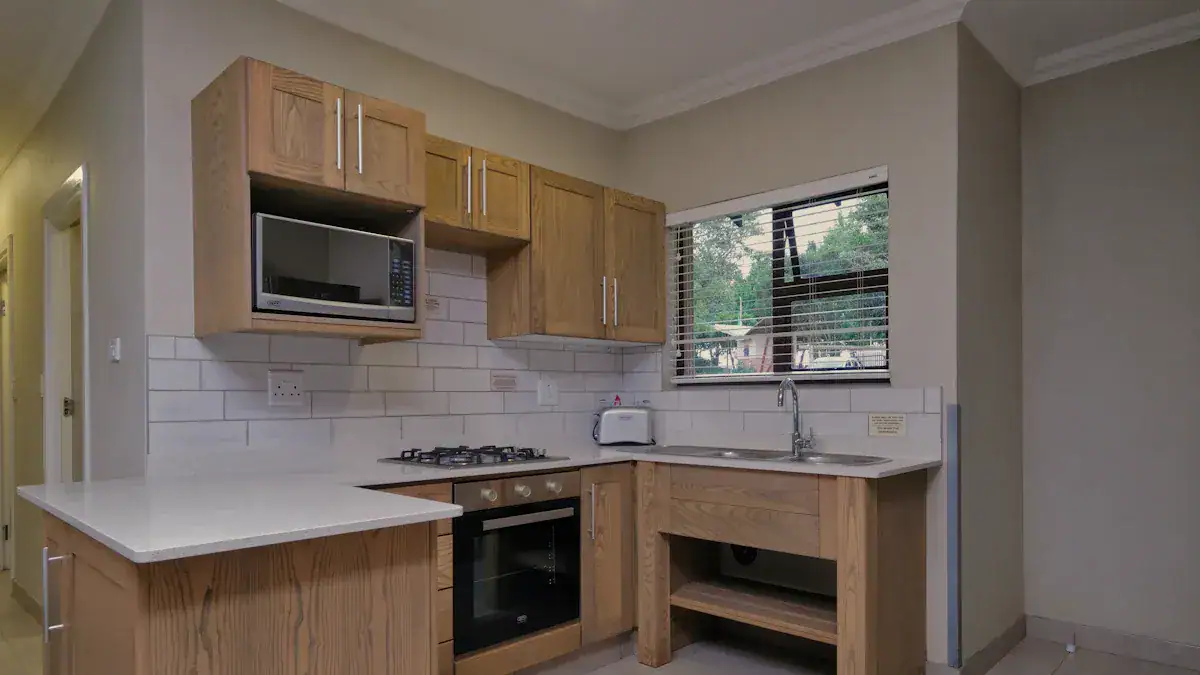
Remodeling involves making significant changes to a building to enhance its functionality and aesthetics. This process transforms spaces, allowing you to create a home or business that meets your needs. Unlike renovation, which focuses on restoring or repairing, remodeling fundamentally alters the layout and structure of a property.
Key Characteristics
When you think about remodeling, consider these key characteristics:
Extensive Structural Changes: Remodeling often requires major alterations, such as moving walls or changing layouts. This can create a more open and functional space.
Planning and Permits: Many remodeling projects necessitate planning permission and may involve working with an architect. This ensures that your changes comply with local building codes.
Diverse Project Types: Remodeling can encompass various projects, including kitchen upgrades, bathroom expansions, and even complete home renovations.
Here are some common types of remodeling projects you might encounter:
Restaurants and Food Service: Updates often include new decor, increased square footage, and improved restrooms.
Retail Spaces: Changes may involve interior design updates, rearranging product displays, and incorporating new technology.
Office Environments: Remodeling focuses on creating open-concept seating, breakout rooms, and functional spaces.
Medical Facilities: Common updates include enhancing HVAC and electrical systems to improve patient care.
Hospitality: Frequent updates to decor, lighting, and flooring help meet guest expectations.
Restore vs Remodel: What’s the Difference?
Understanding the difference between restoration and remodeling is essential for your project goals. Here’s a quick comparison:
Aspect | Restoration | Remodeling |
|---|---|---|
Project Goal | Restore to original condition | Transform the purpose of an area |
Cost | Generally less expensive if minimal updates are needed | More expensive due to extensive work required |
Time | Typically quicker, depending on the extent of work | Usually takes longer due to more complex changes |
Work Focus | Emphasizes appearance and original materials | Focuses on changing the layout and functionality |
Customization | Limited options, mainly to restore original features | High flexibility and design options |
Renovation Explained
Renovation refers to the process of making changes or improvements to a property. This can range from simple tasks like painting to extensive reconfigurations. You aim to increase the property’s value, accommodate new tenants, or update outdated spaces. Renovation focuses on restoring functionality and improving aesthetics without altering the core design of the home.
Key Characteristics
When you think about renovation, consider these key characteristics:
Functional Improvements: Renovation enhances the usability of a space. You might update a kitchen or bathroom to make it more efficient.
Aesthetic Upgrades: You can improve the look of your property through cosmetic changes. This includes new paint, flooring, or fixtures.
Less Intrusive: Renovation is often less disruptive than remodeling. You can make significant updates while keeping the original layout intact.
Many property owners choose renovation for several reasons:
It allows for aesthetic improvements while maintaining the original purpose of the space.
Renovation is often less intrusive compared to remodeling, making it a preferred choice for homeowners.
You can make key upgrades that improve efficiency or function without altering the overall design.
Common renovation projects include installing modern, energy-efficient windows and doors, replacing tiles or flooring, and upgrading aged mechanical, electrical, and plumbing systems.
Renovation vs Restoration: Key Differences
Understanding the differences between renovation and restoration is crucial. Here’s a quick comparison:
Aspect | Renovation | Restoration |
|---|---|---|
Scope | Updating and improving a property | Returning a property to its original state |
Intent | Modernizing features and enhancing functionality | Preserving historical and architectural integrity |
Examples | Cosmetic updates, layout changes, energy efficiency | Repairing damage from floods, fires, or storms |
Renovation allows you to modernize your home while keeping its charm. You can enhance the character of your property without losing its historical significance.
Rehabilitation Overview
Rehabilitation involves adapting a building for modern use while respecting its historical features. This process focuses on making necessary repairs and updates to ensure safety and livability. You can think of rehabilitation as a bridge between preserving history and meeting contemporary needs.
Key Characteristics
When considering rehabilitation, keep these key characteristics in mind:
Focus on Safety and Health: Rehabilitation addresses urgent safety, health, and habitability issues. You might replace or upgrade major building systems to improve efficiency and health considerations.
Preservation of Affordability: This approach often includes preserving long-term affordability through government subsidies and rental covenants. You can enhance the physical units while keeping them accessible.
Targeting Older Structures: Rehabilitation frequently targets older and historic buildings. These structures often need structural repairs and updates to meet modern standards. You can help prevent abandonment and de-population in urban areas by making these buildings safe and habitable.
Importance of Rehabilitation
Rehabilitation plays a vital role in preserving community history and culture. It allows for necessary repairs and alterations while maintaining historical values. Here are some reasons why rehabilitation is important:
Adaptation for Modern Use: Rehabilitation provides a framework for adapting buildings for modern use. You can equip older buildings with modern amenities while preserving their historical value.
Economic Benefits: The rehabilitation of older buildings not only preserves their significance but also creates travel and tourism destinations. This can stimulate local economies and encourage community revitalization.
Sustainable Practices: By reusing existing structures, rehabilitation supports sustainable practices. It reduces the ecological footprint compared to new construction, leading to significant economic and environmental advantages.
Key Differences: Restoration vs Remodel vs Renovation vs Rehabilitation
Cost Considerations
When you consider the costs associated with restoration, remodeling, renovation, and rehabilitation, you will find significant differences. Each type of project has unique financial implications based on the scope of work, materials, and labor involved. Here’s a breakdown of the average costs for each project type in 2023:
Project Type | Average Spend (2023) | Increase from Previous Years |
|---|---|---|
Overall Improvement | $4,700 | 9% from 2007 |
Kitchen Renovations | $24,000 | 20% increase |
Bathroom Renovations | $15,000 | 11% increase |
Heating | $5,500 | 10% increase |
Cooling | $6,000 | 10% increase |
Roofing | $12,000 | 100% increase from windows |
You can see that kitchen renovations tend to be the most expensive, reflecting the complexity and materials involved. In contrast, overall improvements show a modest increase, indicating a trend toward smaller, more manageable projects.
Tip: Always consider the long-term value of your investment. While restoration may seem costly upfront, it often preserves the historical integrity of your property, which can enhance its value over time.
Time and Effort Involved
The time and effort required for each type of project can vary widely. Understanding these timelines helps you plan effectively. Here’s a typical duration for completion of various projects:
Project Type | Typical Duration |
|---|---|
Major Kitchen Remodel | About 8 weeks |
Bathroom Remodel | 6-8 weeks |
Two-story Addition | 3-4 months |
Whole-house Remodel | 4-6 months |
Exterior-only Remodel | 2-4 months |
As you can see, major renovations like a whole-house remodel can take several months, while smaller projects like bathroom remodels can be completed in a matter of weeks.
Challenges can impact the time and effort required for your home improvement project. Here are some common issues:
Inadequate Risk Management: Short-term issues can snowball and impact the bottom line.
Lack of Structure: Without clear goals, projects can fall behind or exceed budgets.
Poor Communication: Ineffective communication can lead to missed tasks and unresolved issues.
Unrealistic Expectations: Clients may demand accelerated schedules or limited budgets, complicating project execution.
By understanding these key differences, you can make informed decisions about your home improvement projects. Whether you choose to restore, remodel, renovate, or rehabilitate, knowing the costs and timelines involved will help you achieve your goals efficiently.
In summary, understanding the differences between restoration, remodeling, renovation, and rehabilitation is essential for your project. Each approach serves a unique purpose. Restoration focuses on preserving the original character of an old house. Remodeling transforms spaces for modern needs. Renovation updates functionality and aesthetics, while rehabilitation ensures safety and livability. Assess your specific needs and project goals to choose the best approach. Whether you aim for cultural heritage preservation or simply want to enhance your living space, knowing these distinctions will guide your decisions effectively.
FAQ
What is the main difference between renovation and remodel?
The main difference between renovation and remodel lies in their goals. Renovation updates and improves a space, while remodel transforms its layout and function.
How do I choose between restoration and renovation?
Consider your goals. If you want to preserve historical features, choose restoration. If you aim to modernize or improve functionality, opt for renovation.
Can I combine remodeling and renovation in one project?
Yes, you can combine both. You might renovate a space for aesthetics while remodeling to change its layout or function.
How long does a typical renovation take?
A typical renovation can take anywhere from a few weeks to several months, depending on the project’s scope and complexity.
Are there financial benefits to restoration?
Yes, restoration can be more economical than new construction. It often reduces costs related to labor and materials while preserving property value.