

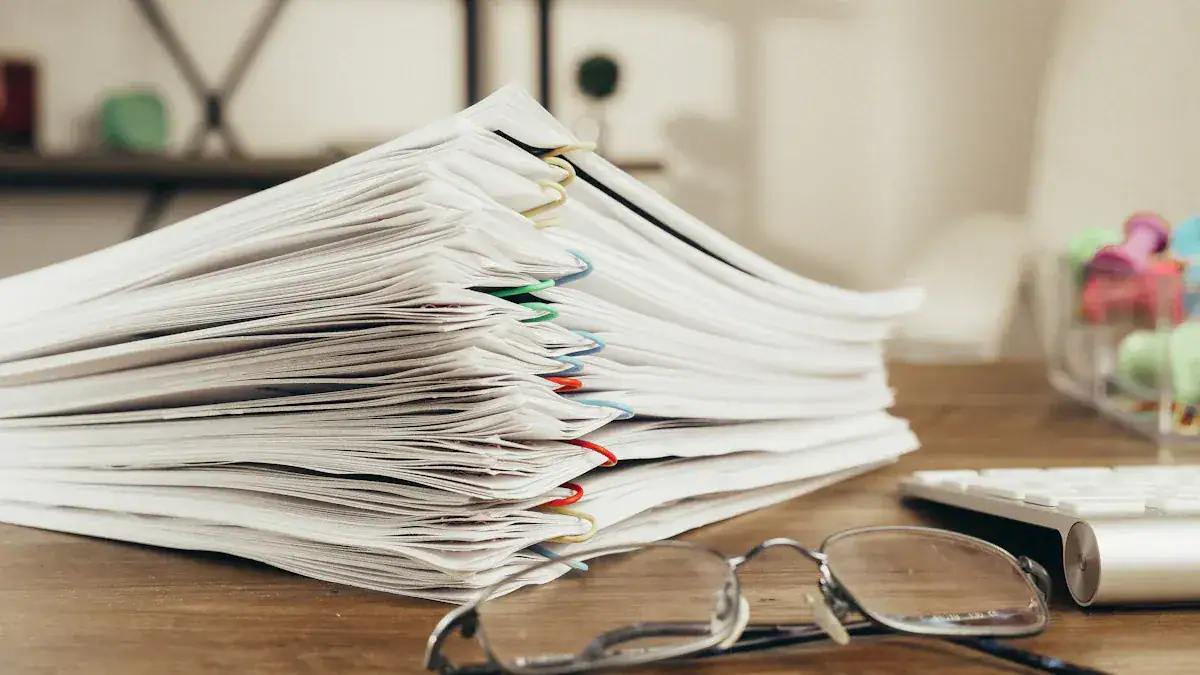
Keeping your important documents organized can feel overwhelming. You might wonder, “What papers should I really keep?” Many people store essential documents like birth certificates, bank statements, and health records in their home filing system. By understanding what to keep, you can save time and reduce stress when you need to find something important.
Key Takeaways
Keep your birth certificate and passport in a safe place. These documents are essential for proving your identity and can prevent identity theft.
Organize your financial documents, like tax returns and bank statements, to ensure easy access during tax season and audits. Retain them for the recommended periods.
Store important documents like your will and life insurance policy in a secure location. This ensures your wishes are honored and your loved ones are supported.
ID Documents

When it comes to your ID documents, two of the most important papers you need to keep track of are your birth certificate and passport. These documents serve as proof of your identity and can be crucial in various situations, from applying for jobs to traveling abroad.
Birth Certificates
Your birth certificate is more than just a piece of paper; it’s a vital record that proves your identity and citizenship. You should keep it in a safe place because losing it can lead to complications. For instance, if someone uses your birth certificate for identity theft, it could result in financial losses and a lot of headaches for you. Here are some tips for organizing your birth certificate:
Categorize your documents: Create a specific section in your filing system for personal files, which should include your birth certificate.
Minimize paper clutter: Use a filing system to keep important documents organized and easy to find.
Ensure easy access: Store your birth certificate in a designated file folder so you can quickly grab it when needed.
According to legal guidelines, you should retain your birth certificate permanently. If you ever need a replacement, contact your birth state or territory’s vital records office to get a certified copy.
Passports
Your passport is essential for international travel, and keeping it secure is crucial. If you lose your passport or it gets stolen, replacing it can be a hassle. Here are some best practices for storing your passport safely:
Use a safe: Keep your passport in a home safe or a safe deposit box to prevent loss or theft.
Physical possession: Always keep your passport in your possession when traveling. This helps avoid any potential issues.
Combine storage methods: Consider using a mix of physical storage (like a safe), cloud storage, and external drives for optimal security.
If you ever need to replace a lost or stolen passport, report it to the State Department and request a replacement in person.
Here’s a quick reference table for the documents required to replace lost or stolen birth certificates and passports:
Type of Document | Action Required |
|---|---|
Birth certificate | Contact your birth state or territory’s vital records office to get a certified copy. |
U.S. passport | Report your lost or stolen passport to the State Department and request a replacement in person. |
Keeping your ID documents organized and secure can save you from legal troubles and financial losses. Remember, providing false information to obtain a passport is a serious offense, punishable by significant fines and imprisonment. So, take the time to ensure these important documents are safe and easily accessible.
Financials

When it comes to managing your finances, keeping track of important documents like tax returns and bank statements is crucial. These records not only help you stay organized but also ensure you have the necessary information when tax season rolls around or if you need to verify your financial history.
Tax Returns
Your tax returns are essential documents that you should keep for several years. The IRS recommends retaining your tax returns and supporting documents for different lengths of time based on your situation. Here’s a quick reference table to help you understand the recommended retention periods:
Situation | Retention Period |
|---|---|
General guideline | 3 years |
Bad debt deduction or loss from worthless securities | 7 years |
Underreporting income (more than 25% of gross income) | 6 years |
Fraudulent return or no return | Indefinitely |
Employment tax records | 4 or more years after tax due or paid |
To keep your tax returns organized, consider these tips:
Designate a specific area in your home as an ‘inbox’ for collecting mail, bills, receipts, and important documents.
Schedule regular sorting of this inbox, whether daily or weekly.
File necessary papers using your established system and securely discard unneeded documents.
It’s advisable to store all filed tax returns and related documents in a secure location, such as a safe. This ensures their protection and easy access when needed.
Bank Statements
Bank statements are another critical part of your financial records. They help you track your spending, manage your budget, and prepare for tax season. Major banks recommend keeping bank statements for at least 3-7 years, depending on their purpose. Here’s a table summarizing how long you should keep your bank statements:
Purpose | Duration to Keep Bank Statements |
|---|---|
Tax Purposes | At least 3-7 years |
Personal Finance | At least the past year, ideally 1-2 years minimum for budgeting and tracking |
Be cautious about discarding bank statements too early. Doing so can lead to filing an inaccurate tax return or facing difficulties during an IRS audit if you cannot produce necessary documents. Here are some reasons to keep your bank statements:
You may need them to verify income and support claims for credits and deductions.
Patrina Dixon, a financial expert, recommends retaining bank statements for up to seven years to prepare for potential audits.
For effective storage of your financial documents, consider these features:
Feature | Description |
|---|---|
Access controls | Manage who can view specific documents, enhancing security. |
Encryption-at-rest | Protect data even when it is not actively being accessed, ensuring confidentiality. |
Version control | Maintain the latest document versions, reducing confusion and errors. |
Audit trails | Track document access, providing accountability and aiding compliance efforts. |
Good search functionality | Enable quick retrieval of documents, saving time and improving accessibility. |
By keeping your financial documents organized and secure, you can avoid unnecessary stress and ensure you have everything you need when it matters most.
Home Ownership Papers
When you own a home, keeping track of essential documents like deeds and mortgage papers is crucial. These documents prove your ownership and protect your investment.
Deeds
A deed is a legal document that shows you own your property. It’s essential to keep this document safe. You might also need an updated title search to ensure there are no claims against your property. Additionally, having a valid title insurance policy can help protect your interests. Here are some tips for organizing your deeds:
Organize documents into categories like ‘Property and Assets’ to include deeds and mortgage documents.
Maintain both physical and digital records for easy access.
Mortgage Documents
Mortgage documents are just as important. Even after paying off your loan, you should keep these papers until you sell your home. This helps protect you from any future issues. Here’s how to keep your mortgage documents organized:
Create a consistent folder structure with categories like ‘Identification’, ‘Financial’, and ‘Property’.
Sort files by document type or date, and consider using sub-folders for better organization.
If you ever misplace important property documents, it can lead to headaches. You might need to trace the shipment, file a police report, or even publish a public notice to safeguard against misuse. Keeping your home ownership papers organized can save you time and stress in the long run.
Health Records
Keeping your health records organized is just as important as managing your financial documents. Two key components of your health records are vaccination records and health insurance information. These documents can help you access medical care and ensure you receive the right treatments.
Vaccination Records
Your vaccination records are vital for proving your immunization history. You should keep them with your other important documents. Here are some tips for gathering and organizing your vaccination records:
Keep your vaccination record in a safe place along with other essential documents.
Ask your parents or caregivers for childhood immunization records if you don’t have them.
Look through baby books or saved documents from your childhood for any records.
Check with high school or college health services for immunization dates.
Contact previous employers or military services for required immunizations.
Consult your doctor or public health clinic for maintained records.
Reach out to your state’s health department for registries that may include adult vaccines.
Health Insurance Info
Your health insurance information is crucial for managing your healthcare costs. To keep this information organized, follow these strategies:
Gather all related paperwork, including doctor’s notes, lab results, and insurance claims.
Sort documents by person and categorize them into appointments, test results, medications, and insurance.
Use labeled file folders for physical records, color-coded by family member or category.
For digital records, scan documents and organize them into clearly named folders on your computer or cloud platform.
Consider using a medical binder to track appointments and maintain a medication log.
Use acid-free folders for long-term storage and back up digital files regularly.
Review your records often for inaccuracies. Communicate electronically with healthcare providers to keep your records updated. By organizing your health-related documents, you can ensure easy access when you need them most.
Important Documents
When it comes to important documents, two key items you should prioritize are your will and life insurance policy. These documents play a crucial role in your estate planning and can significantly impact your loved ones after you’re gone.
Wills
A will outlines how you want your assets distributed after your death. Keeping your will organized is essential. If your original estate planning documents cannot be easily located, state law may assume you intentionally destroyed them. This could lead to your assets being distributed according to intestate succession laws, which might not reflect your wishes. Here are some effective storage options for your will:
Storage Option | Pros | Cons |
|---|---|---|
Fireproof and Waterproof Home Safe | Easy access when needed, safe from most types of damage | Risky if no one else knows how to open it, could still be lost or damaged in some emergencies |
Safe Deposit Box at a Bank | High level of protection, off-site in a secure location | Limited access, may require legal steps to access after death |
With Your Local Probate Court | No risk of losing or damaging the original will, quick admission to probate | Retrieval for changes incurs fees, inconvenient to access |
Secure Digital Storage | Access from anywhere, easy to share and organize | May not be legally sufficient without originals, security risks if not encrypted or password-protected |
Life Insurance
Your life insurance policy is another vital document. It ensures your beneficiaries receive financial support when they need it most. To avoid complications, keep this document easily accessible. Here are some risks of not having your life insurance documents organized:
Delays in accessing the death benefit due to potential probate issues.
Creditors may claim the proceeds if the policy isn’t easily accessible.
Beneficiaries might miss out on benefits if they are unaware of the policy’s existence or their designation.
To keep your life insurance documents organized, consider these best practices:
Designate beneficiaries properly to ensure life insurance proceeds do not go through probate.
Regularly check and update beneficiary designations to reflect current circumstances.
Store records in a designated place at home where others can find them easily.
By keeping your important documents organized, you can ensure that your wishes are honored and your loved ones are taken care of.
Keeping your important documents organized is crucial for peace of mind. A well-structured filing system enhances accessibility and boosts productivity. To avoid common mistakes, like creating overly specific categories, focus on simplicity. Regularly review your system and declutter unnecessary paperwork. Remember, a little effort now can save you time and stress later! 📁✨
FAQ
What is a home filing system?
A home filing system helps you organize important papers and documents, making them easy to access when needed.
How can I go paperless effectively?
To go paperless, digitize your documents using a scanner or mobile app, and store them in a secure cloud storage solution.
Why is digital security important for my documents?
Digital security protects your sensitive information from unauthorized access, ensuring your home office documents remain safe and private.