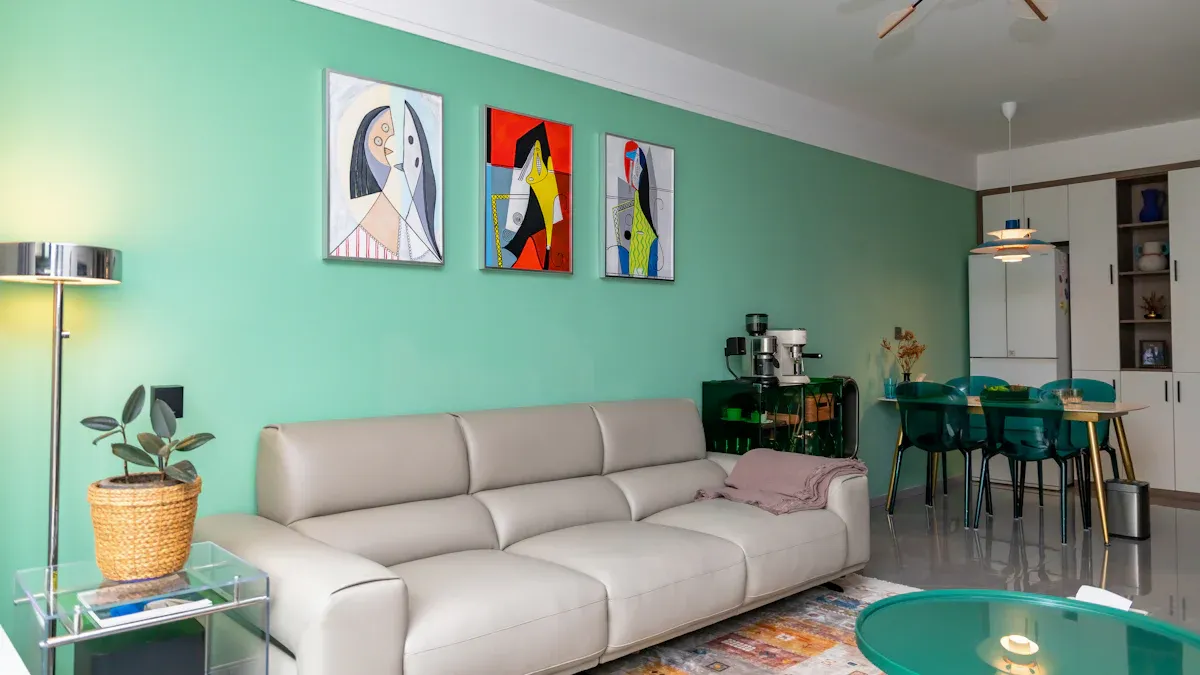
You see best light green paint colors everywhere these days. They create serene, inviting spaces in your home. Soft sage and refreshing mint shades are especially popular. These light green paint colors bring nature indoors. A calming sage green works in many design styles. They offer great versatility for your next project.
Top Soft Sage and Mint Paint Colors

You’re looking for the best light green paint colors, and sage green is a fantastic choice. It brings a calm, earthy feel to any room. Let’s explore some popular soft sage shades that homeowners love.
Popular Sage Green Shades
First, consider Sherwin-Williams Frosted Fern (SW 9648). This shade is a beautiful example of a versatile sage green. It has a subtle gray undertone, which gives it a serene and tranquil quality. Depending on your room’s lighting, you might see more green or more gray, making it quite adaptable. It leans cool, with a soft green undertone that feels fresh. Its Light Reflectance Value (LRV) is 38.03. This means it’s a mid-range color, not too dark and not too light. This LRV helps it work well in many spaces without overwhelming them. Interestingly, some experts also identify a yellow undertone in Frosted Fern, classifying it as a warm color based on its hue. This dual nature makes it a truly unique soft fern shade.
You also have Sherwin-Williams Evergreen Fog. This color is a beautiful blend of green, gray, and a touch of blue. It was even a Color of the Year, showing its popularity. It offers a deeper, more saturated sage green option.
Benjamin Moore Sage Mountain is another strong contender. This sage green has an LRV of 27.48. This means it reflects less light than Frosted Fern, giving you a slightly richer, more grounded look. While its specific undertones aren’t explicitly stated, you can expect a classic, earthy sage feel.
Then there’s Farrow & Ball Mizzle. This shade is a soft grey green. Its LRV is 53, making it a medium-light color that reflects a good amount of light. Mizzle has green-gray undertones with a hint of blue. Farrow & Ball actually calls it a ‘blue’ paint on their website, even with its strong green-gray presence. The green pigment helps to soften any cool blue tones, creating a very contented feeling in your room. It’s a lovely soft fern option.
Refreshing Mint Tones
If you prefer something a bit brighter and more invigorating, refreshing mint tones are perfect. These light green paint colors bring a crisp, clean energy.
Consider Behr Seafoam Green. This color truly captures the essence of a refreshing mint. It’s bright and airy, perfect for spaces where you want a lively yet soothing atmosphere. Behr Zen is another great choice, offering a slightly softer, more muted mint that still feels incredibly fresh.
Glidden Gentle Tide gives you a beautiful, subtle mint. It’s not too overpowering, making it ideal for creating a calm and inviting space. PPG Paints Soft Sage (10GY 58/105) also offers a gentle, almost minty green. While its name says “sage,” its lightness and freshness can lean towards a soft mint, giving you a versatile option.
Versatile Light Green Neutrals
Sometimes you need a light green that acts almost like a neutral, blending seamlessly with other colors. These versatile light green paint colors offer just that.
Valspar Coastal Villa is a fantastic example. It has an LRV of 29.917, meaning it’s a bit deeper but still reflects a good amount of light. Its undertone is cool, with delicate green undertones that give it a natural feel. It also has a gray base, which keeps it grounded and neutral. In bright natural light, the green really pops. In dimmer light, the gray tones become more noticeable, giving you a soft, understated elegance. This makes it a very adaptable sage green.
Clare Paint Money Moves is another excellent choice for a versatile light green. It has an LRV of 46, so it’s quite bright and reflective. Its undertone is cool, making it a crisp and clean option. This color works well in many different settings, providing a fresh backdrop without being too bold. It’s a great way to introduce a subtle soft fern feel.
Sage Green and Mint: Room-by-Room Inspiration
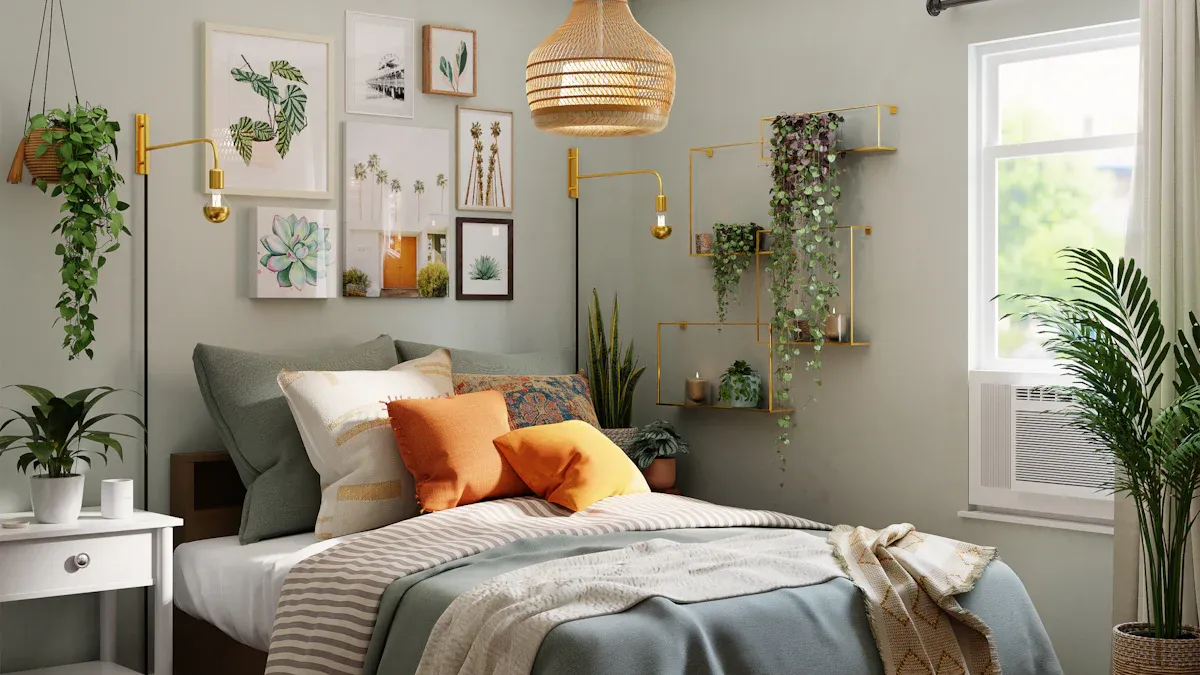
Serene Bedrooms
You want your bedroom to feel peaceful. Soft sage green creates a serene atmosphere. Paint your walls a calming sage green paint. Enhance this with complementary colors like soft beige or whites. For romance, add blush pink. A plush upholstered headboard adds luxury. Layer fabrics like linen curtains for coziness. Natural wood finishes on bed frames bring warmth. Brass accents on light fixtures add glamour.
Inviting Kitchens
Mint green brings refreshing energy to your kitchen. It feels clean and bright. Pair mint green cabinets with white marble or white and grey granite countertops. For a backsplash, white subway tile works beautifully. Sleek metallic gold or simple stainless steel hardware looks great. Shaker cabinet styles are popular. Consider light hardwood or black and white checked tile for flooring. Stainless steel appliances complete the modern look. Add plants for nature’s touch.
Calming Living Spaces
Your living room should be a place to relax. Light green walls, whether mint or sage, help create calm. If you have mint green walls, use gold-toned furniture for a classic feel. Add pops of crisp white and blue for an informal vibe. For sage green walls, tone down the space with light-colored upholstery. Shades of beige and creams work well. Pair this with wood and metallic finishes. Natural textures like stone and wood also bring rustic charm.
Spa-Like Bathrooms
Transform your bathroom into a spa-like sanctuary with mint green paint. This color feels incredibly fresh and clean. Use large matte white tiles on floors and half-walls for a modern appearance. A natural wood vanity helps ground the color palette. For fixtures, choose warm brass for a vintage-luxury feel. Cool chrome gives a cleaner, modern aesthetic. White fixtures and light-colored tiles enhance the fresh look. Subtle accents like chrome or brushed nickel hardware provide a modern touch. Refresh accessories like pastel towels to tie the look together.
Welcoming Entryways
Make a great first impression with a welcoming entryway. Sage green is a perfect choice for this space. It feels inviting and natural. Use natural wood furniture, like console tables, for warmth. Woven baskets or jute rugs add texture. Metallic accents in gold or brass bring elegance. Live plants enhance the natural aesthetic. Mirrors with simple frames reflect light and make the space feel larger. For lighting, choose warm-toned options. Pendant lights with natural materials or metallic finishes work well. Table lamps provide soft, diffused light.
Choosing Your Perfect Light Green Shade
Selecting the perfect light green shade for your home can feel like a big decision. You want a color that truly transforms your space. Understanding a few key factors helps you make the best choice.
Warm vs. Cool Undertones
Every paint color has an undertone. This subtle hint of another color affects how the main color appears. Light green paint colors are no different. You will find them with warm or cool undertones.
Warm undertones often have hints of yellow or brown. These greens feel cozy and inviting. They can make a room feel sunnier. Cool undertones, on the other hand, have hints of blue or gray. These greens feel crisp and refreshing. They can make a room feel more spacious and serene.
To identify undertones, look at the paint chip next to a pure white sample. You will see the subtle color peeking through. Also, compare different light green shades side-by-side. You will notice one looks slightly yellower or bluer than another. Your existing decor often dictates whether a warm or cool green works best.
Natural Light’s Influence
Natural light dramatically changes how paint colors look throughout the day. A color you love in the morning might look different by afternoon. Consider the direction your room faces.
North-facing rooms receive less direct sunlight. This results in a cooler, softer light. Colors in these rooms often appear more muted. Cool paint colors, like many light greens, may seem more pronounced here. This can sometimes make the room feel colder. However, pale greens can subtly enhance natural light. They counteract the cooler, shadowy nature of a north-facing space. Cool tones, including light green, can also expand a room’s sense of space. They provide a serene, calm atmosphere. If you choose a soft green with warm undertones, it can bring calmness without making the room feel cold. A sage green, with its earthy yet light presence, adds nature and serenity. This is especially true if it has warm undertones.
South-facing rooms get bright, warm light all day. East-facing rooms receive morning light, which is warm and yellow. West-facing rooms get intense, warm afternoon light. Always observe your chosen color in different lighting conditions.
Harmonizing with Decor
Your new paint color needs to work with what you already have. You want it to blend seamlessly with your existing decor. Start by assessing your current furniture, flooring, textiles, and artwork. What are the dominant color families? Are they warm, cool, or neutral? This helps you choose a complementary light green.
You can use the 60-30-10 rule. Allocate 60% of the room to the dominant color, often your walls. Then, 30% goes to a secondary color, like furniture or flooring. Finally, 10% is for accent colors. Your wall paint should complement your flooring without overpowering it.
A color wheel is a helpful tool. You can identify complementary colors, which are opposite on the wheel, for contrast. Or, find analogous colors, which are adjacent on the wheel, for a coordinated feel. Remember, natural and artificial light impact how paint colors appear. Always test paint samples on different walls. Observe them at various times of the day. This ensures your chosen sage green or mint shade truly harmonizes with your space.
Testing Paint Samples
Never skip the step of testing paint samples. This is crucial for choosing the best light green paint colors. Small swatches can be misleading.
You should paint a large enough sample to see the true color. Apply two coats if necessary. This prevents the current wall color from showing through. Consider sampling paint on poster board. Leave a white area between the sample color and the wall. This is especially helpful if your current wall color might influence your perception.
Apply larger test patches on different walls. This lets you observe variations in various lighting conditions. When you use movable boards, leave a white border around the paint sample.
This prevents influence from the current wall color. Apply two coats of paint, allowing the first to dry completely. This achieves a true representation of the color. View sample boards vertically. Paint appears differently when viewed horizontally. Move sample boards to different rooms. Observe them under various lighting conditions throughout the day. Place sample boards near the floor. This helps you compare the color with trim and floor colors. This thorough testing helps you confidently pick the perfect light green paint colors.
Painting Tips for a Flawless Finish
You want your light green paint to look perfect, right? A flawless finish starts long before you open the paint can. Follow these tips for a professional-looking result.
Wall Preparation Essentials
Good preparation is key! First, you need to clean and repair your walls. Fill any holes or cracks. For gaps along trim, use a flexible sealant. Once dry, sand the walls with fine-grit sandpaper to make them smooth. After sanding, wipe the walls with a damp cloth to remove all dust. For greasy spots, use a mild soap solution. Let the walls dry completely. Then, use high-quality painter’s tape to mask trim and outlets. Cover your floors and furniture with drop cloths.
Next, you need to prime. For most drywall, including moisture-resistant types, Zinsser 123 is a great all-around primer. A good drywall primer will do the job. Remember, a clean, dust-free surface is most important for paint to stick well. Consider using a primer sealer for the best results.
Essential Tools and Supplies
Having the right tools makes painting much easier. For cutting in edges, you’ll want a sash paintbrush. These brushes have angled bristles. They give you precise control for painting along edges and into corners. You will also need a roller, a paint tray, and drop cloths. Don’t forget a 5-in-1 painter’s tool and a bucket.
Application Techniques
Now, let’s paint! For smooth, even coverage on large walls, use a medium 3/8-inch microfiber roller. Work in small sections, about 3 to 4 feet square. Use a “W” rolling pattern to spread the paint evenly. This helps avoid lap marks. Keep consistent pressure and overlap your strokes gently. This prevents uneven drying. Don’t overload your brush or roller. This stops drips. Paint entire walls at one time to avoid subtle color differences. If you have multiple gallons of paint, mix them together first.
Avoiding Common Mistakes
You can easily avoid common painting problems. Paint streaks often happen from poor surface prep or bad technique. Always clean and sand thoroughly. Use consistent, long strokes. Don’t rework drying paint. Also, use good quality tools and paint. Low-quality tools can shed fibers or spread paint unevenly.
To prevent drips and splatters, don’t overload your brush or roller. Dip only a third of the brush into the paint. Tap off the excess. Apply thin, multiple coats instead of one thick layer. Keep a consistent painting speed. Use painter’s tape and drop cloths. For latex paint, allow about 4 hours of drying time between coats. For walls, 4–6 hours is best. This ensures each coat dries properly before you apply the next.
You now see the transformative power of best light green paint colors. Soft sage and mint shades create beautiful, tranquil spaces. Embrace these versatile light green paint colors! You have the knowledge and inspiration. Confidently choose your perfect soft sage or sage green shade. Start your next home decor project with a fresh sage green look!
FAQ
What is the difference between sage green and mint green?
Sage green has more gray or earthy undertones. It feels muted and calm. Mint green is brighter and fresher. It often has blue or yellow undertones, making it feel more vibrant and clean. You will notice the difference right away!
Can I use light green paint in a small room?
Absolutely! Light green paint works wonderfully in small rooms. It makes the space feel larger and more open. Choose a shade with cool undertones to enhance this effect. You will love how airy your room feels.
What colors pair well with light green walls?
Light green walls are super versatile! You can pair them with crisp whites, creamy off-whites, or soft grays for a serene look. For pops of color, try blush pink, warm wood tones, or even deep navy. You have so many options!
Is light green paint a timeless choice?
Yes, light green paint is definitely timeless. It connects your home to nature, which never goes out of style. Sage and mint shades offer a calming backdrop that adapts to many decor trends. You can enjoy these colors for years to come.