

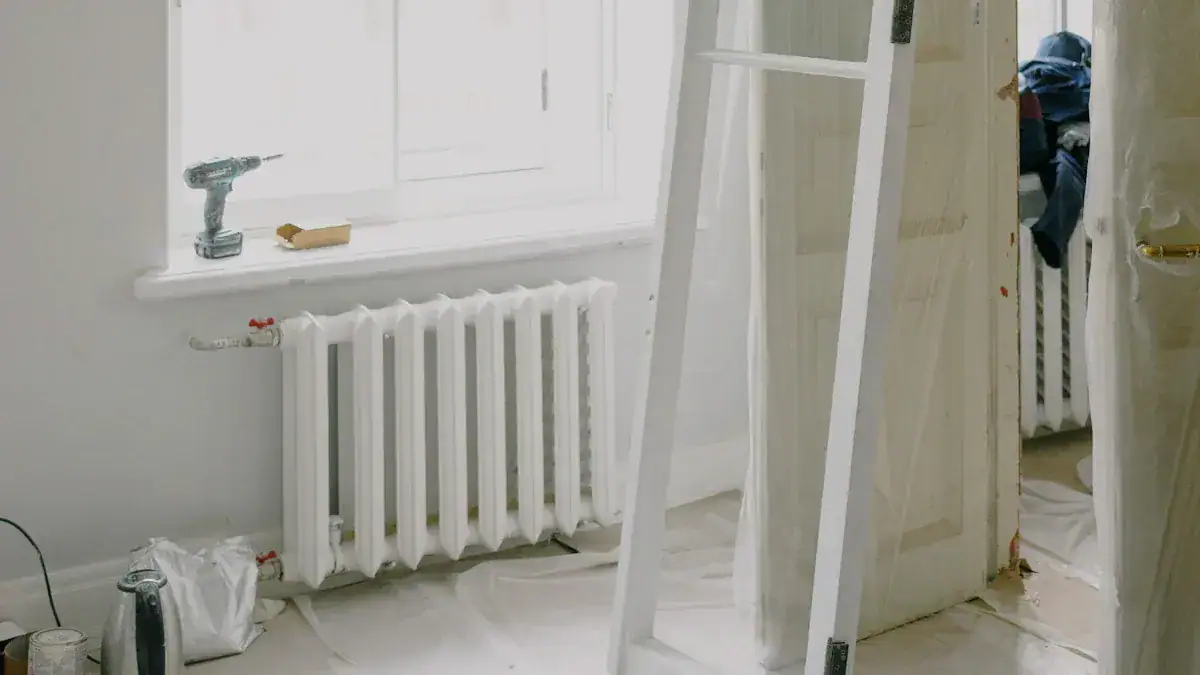
Maintaining your cast iron radiators is crucial for their efficiency and longevity. Dust and dirt can build up over time, leading to reduced performance and even health risks. For instance, inhaling dust particles can cause respiratory issues, and a dusty radiator may pose fire hazards. Regularly cleaning cast iron helps you avoid these problems and keeps your heating system running smoothly. To get started, you’ll need a few basic tools and some safety equipment to effectively clean cast iron.
Key Takeaways
Regularly clean your cast iron radiators to improve efficiency and prevent health risks. A simple weekly wipe down can keep dust at bay.
Use the right tools and safety equipment, such as gloves and goggles, to ensure a safe cleaning process. This preparation helps avoid accidents.
Incorporate a cleaning schedule: wipe down weekly, perform a thorough clean monthly, and deep clean before winter. This routine enhances radiator performance and saves on energy bills.
Cleaning Materials
When it comes to cleaning your cast iron radiators, having the right tools and safety equipment makes all the difference. Here’s what you’ll need:
Best Tools to Clean Cast Iron
To effectively clean your radiators, gather the following tools:
Drop cloths or plastic sheeting to cover the floor
Soft bristle brush or a vacuum cleaner with a brush attachment
Radiator cleaning brush or a long stick
Mild detergent or a specialist cast iron radiator cleaner
Sponge or cloth
Bucket of warm water
Using a radiator cleaning brush is especially helpful for reaching those tight spots between the fins. This tool allows you to remove dust and debris without damaging the surface.
Safety Equipment Needed
Safety should always come first when cleaning your radiators. Here are some essential safety items to consider:
Gloves: Protect your hands from dirt and any cleaning agents.
Safety goggles: Shield your eyes from dust and debris.
Dust mask: Prevent inhaling dust particles that may cause respiratory issues.
Cast iron radiators can reach high temperatures, so handling them carefully is crucial. Regular maintenance and proper installation help ensure safety and reliability. Always check for potential faults or leaks before starting your cleaning process.
Tip: Opt for eco-friendly and biodegradable cleaning products. Many conventional cleaning agents can harm the environment, leading to water contamination and other issues. Choosing safer alternatives helps protect both your health and the planet.
By preparing with the right tools and safety gear, you set yourself up for a successful cleaning session.
How to Clean Cast Iron Radiators

Cleaning your cast iron radiators doesn’t have to be a daunting task. With the right preparation and techniques, you can keep them in top shape. Here’s a step-by-step guide to help you through the process.
Preparation Steps
Before diving into cleaning, take a moment to prepare. Here’s what you should do:
Isolate Your Radiator: Start by turning down the thermostatic radiator valve (TRV) to zero and closing the lockshield valve. Wait for at least half an hour to ensure the radiator is cold.
Prepare For Leaking Water: Have containers ready to catch any water that may leak during the process. Place towels under the connector nuts to absorb any drips.
Open The Bleed Valve: Use a bleed key to open the bleed valve at the top of the radiator. This lets air in and allows water to start pouring out.
Remove And Clean Your Radiator: Disconnect the valves, lift the radiator off its brackets, and clean it with a hose. This step is crucial for a thorough clean cast iron radiator.
Determine the Role of the Paint or Coating: If you plan to recoat, check the existing paint. Use a stiff wire brush to knock off loose paint and scale. Be cautious of lead in paint and follow safety regulations for lead paint abatement and disposal.
Cleaning Techniques
Now that you’re prepared, let’s get into the cleaning techniques. Here are some effective methods to clean cast iron radiators:
Turn Off the Heating System: Always start by turning off the heating system and letting the radiator cool down. This ensures your safety while cleaning.
Vacuum the Exterior: Use a vacuum cleaner with a brush attachment to clean the exterior. Focus on the gaps between the columns to remove dust and debris.
Use a Radiator Cleaning Brush: For deeper cleaning, employ a radiator cleaning brush. This tool is perfect for reaching intricate patterns and tight spaces.
Dampen a Cloth: Take a microfiber cloth, dampen it with warm water and mild soap, and wipe the entire surface. Avoid excess moisture, as it can lead to rust.
For Stubborn Stains: If you encounter tough stains, gently use a toothbrush to scrub the affected areas. This method helps dislodge dirt without damaging the surface.
Tip: Include radiator cleaning in your weekly home cleaning routine. A quick wipe down with a cloth and water can prevent dust accumulation.
Post-Cleaning Maintenance
After you’ve cleaned your radiators, it’s essential to maintain them to prevent future buildup. Here are some steps to follow:
Perform a Deep Clean Monthly: Incorporate regular wipe-downs weekly to keep dust at bay.
Avoid Harsh Chemicals: Steer clear of abrasive solutions and harsh chemicals. They can damage the paint and lead to discoloration.
Use Gentle Cleaning Tools: Opt for sponges instead of rough brushes to prevent scratches or chips on the surface.
Dry Thoroughly: Make sure to dry the radiator completely with a lint-free cloth. This prevents water marks and rust.
Vacuum Inner Sections: Use a vacuum nozzle to remove dust and debris from the radiator’s inner sections. This step is often overlooked but is crucial for maintaining efficiency.
By following these steps, you can ensure your cast iron radiators remain clean and efficient, enhancing their longevity and performance.
Frequency of Cleaning and Efficiency Tips
Keeping your cast iron radiators clean is essential for their performance. But how often should you clean them? Here’s a recommended cleaning schedule to help you maintain efficiency:
Recommended Cleaning Schedule
Weekly: Wipe down your cast iron radiator with a cloth and water. This quick task prevents dust and grime from building up.
Monthly: Perform a more thorough cleaning. Use a vacuum or a radiator cleaning brush to reach those tricky spots.
Seasonal: Before winter, give your radiators a deep clean. Dust tends to accumulate during warmer months, so a thorough cleaning will prepare them for the heating season.
Regular cleaning not only keeps your radiators looking good but also enhances their efficiency. Here are some benefits of sticking to a cleaning schedule:
Regular cleaning prevents dust build-up, which can obstruct heat output.
Improved heat output can lead to lower energy bills.
Consistent cleaning helps maintain even room temperatures.
Tips for Better Efficiency
To maximize the heating efficiency of your cast iron radiators, consider these helpful tips:
Keep Airflow Unobstructed: Ensure that furniture and curtains don’t block your radiators. Unobstructed airflow allows heat to circulate freely.
Use Reflective Panels: Installing reflective panels behind your radiators can enhance heat distribution throughout the room.
Check Radiator Valves: Make sure the radiator valves are in good condition. Properly functioning valves help maintain optimal performance.
Consider Heavy Curtains: In rooms with high ceilings or draughty windows, heavy curtains or thermal blinds can help retain heat.
By following these tips, you can ensure your cast iron radiators operate at peak performance. Proactive maintenance not only contributes to the longevity of your heating system but also keeps your home cozy and warm.
Regular cleaning and maintenance of your cast iron radiators are vital for their efficiency and longevity. Neglecting them can lead to reduced performance, leaks, and corrosion. By investing time in upkeep, you can save on costly repairs and replacements. So, roll up your sleeves and keep your radiators in top shape!
Regular maintenance can prevent minor issues, saving you money in the long run.
Cast iron radiators are durable and require easy upkeep, ensuring optimal performance.
Remember, a little effort goes a long way in keeping your home warm and cozy!
FAQ
How often should I clean my cast iron radiator?
You should clean your cast iron radiator weekly for light dust and monthly for a thorough clean.
Can I use vinegar to clean my radiator?
Yes, vinegar works well for removing stains. Just mix it with water and wipe down the surface.
What if my radiator has rust?
If you find rust, gently scrub it off with fine steel wool and repaint the area to prevent further damage.