


Have you ever wondered about the stories hidden within the walls of your home? Knowing who lived in your house before you can spark a sense of connection to the past. What if you could uncover tales of love, struggle, or even historical significance? Many homeowners feel a strong desire to discover who lived in their space, driven by curiosity, the wish to rehabilitate the property, or an emotional link to its history. Fortunately, you can trace the history of your house through various methods, such as property records, old maps, and even conversations with neighbors.
Key Takeaways
Start with property records to uncover ownership history and neighborhood details.
Explore old maps to visualize changes in your property over time.
Utilize census records to learn about past residents and their backgrounds.
Engage with neighbors to gather personal stories and insights about your home.
Dive into old newspapers for valuable information about former occupants and community events.
Address Search
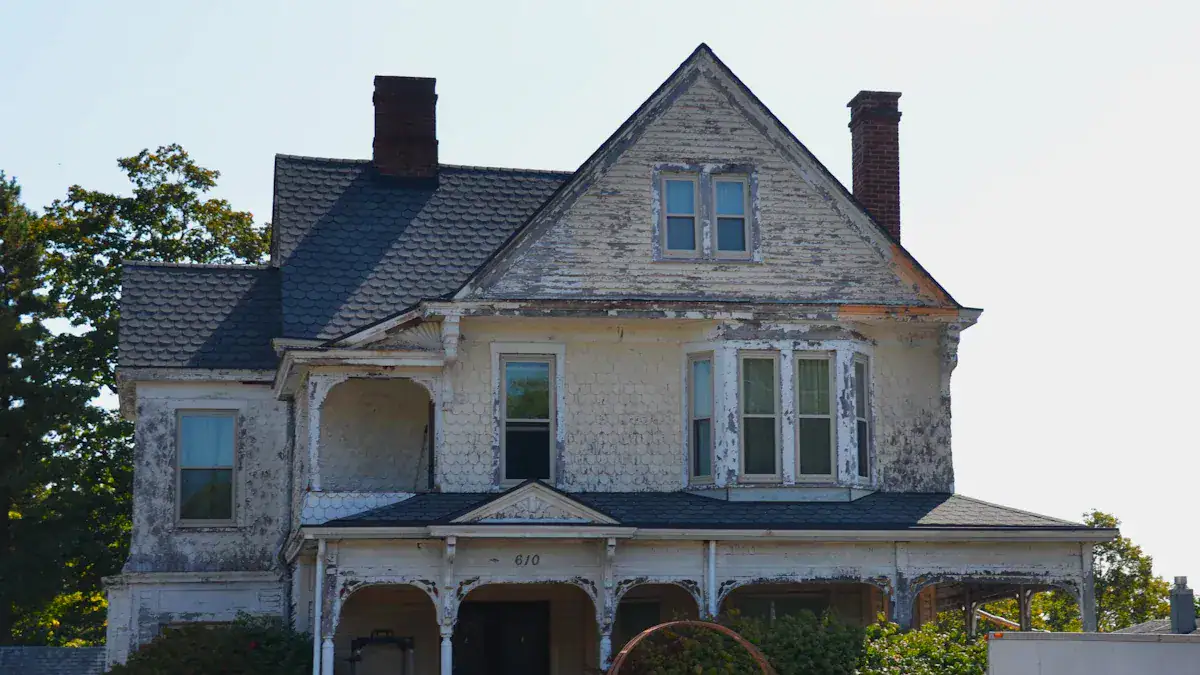
When you want to discover who lived in your house, starting with an address search is essential. Property records are a treasure trove of information. They can reveal past owners, the history of the property, and even details about the neighborhood. Here’s how you can dive into this fascinating world of property history.
Property Records Search
To begin your property records search, you’ll want to visit local government offices or online databases. These records typically include various types of information that can help you piece together the story of your home. Here’s a quick overview of what you might find:
Type of Property Record | Description |
|---|---|
Property Location Attributes | Geographic characteristics such as structure elevation, county, city, and mailing address. |
Property Structure Attributes | Details about structural components like square footage, roof material & type, and construction type. |
Financial Data Points | Information on market value, assessed value, tax data, and prior sale amounts for properties. |
These records can provide insights into the previous occupants and the changes your home has undergone over the years.
County Clerk and Title Companies
You can access property records through your local county clerk’s office or title companies. Here’s how to navigate this process:
Visit the County Clerk’s Office: This is where you can find recorded documents related to your property. You may need to fill out a request form and pay a small fee.
Check Title Companies: Title companies often have comprehensive databases of property records. They can help you understand the ownership history and any liens or claims against the property.
Here’s a breakdown of some common services and their fees at county clerk offices:
Service | Fee |
|---|---|
View recorded documents | $2.50 per document |
View certificates of title | $2.50 per certificate |
View recorded plat | $2.50 per plat |
Purchase certified copies | $10 for document, $15 for plat |
Search fee (Washington County) | $0.50 per search |
If you prefer online access, many counties offer digital platforms where you can search for property records from the comfort of your home. Just remember to check the specific requirements for your area.
By conducting a thorough property records search, you can uncover valuable information about your home’s past. This journey into your house history can be both enlightening and rewarding, helping you connect with the stories that shaped your living space.
Explore Old Maps

Exploring old maps can be a fascinating way to uncover the history of your home. These maps often reveal how land was used over time, helping you understand current property boundaries and ownership. You can find historical maps through various online resources and local archives.
Historical Maps Online
Many online platforms offer access to a wealth of historical maps. Here are some of the best resources to check out:
Library of Congress: This site boasts the largest collection of maps in the world.
Old Maps Online: A fantastic resource for digital historical maps from libraries worldwide.
David Rumsey Map Collection: Focuses on rare maps from the 18th and 19th centuries.
Perry-Castaneda Library Map Collection: Offers scanned international topographic maps.
Sanborn Fire Insurance Maps: These maps detail property specifics and can be invaluable for understanding your home’s history.
Using these resources, you can visualize changes in property boundaries over time. Historical maps can also help identify original land patents and reveal land use patterns that persist today. For example, farm line maps show property owners and boundaries, while fire insurance maps detail building materials, indicating how properties were used.
Local Archives
Don’t overlook local archives when searching for historical maps. Many libraries and historical societies maintain detailed collections. Here are a couple of notable places to consider:
Morristown Library: This library holds over 10,000 historic maps and various land records, including early surveys and deeds.
Ridgewood Library: Offers access to city directories and land recordings dating back to the 18th century.
Visiting these local archives can provide you with unique insights into your property’s past. You might discover stories about previous owners or even learn about significant events that took place in your home.
By exploring old maps, you can connect with the history of your house in a meaningful way. This journey not only enriches your understanding of your home but also deepens your appreciation for its place in the community.
Census Records
Census records are a fantastic resource when you want to discover who lived in your house before you. These records provide a snapshot of the population every ten years, revealing valuable information about past occupants. Here’s how you can find the history of a property using census records.
Find the History of a Property
To locate census records related to your specific property address, follow these steps:
Use the Enumeration District (ED) Finder: Head over to Steve Morse’s ED Finder. Select the correct census year from the dropdown menu.
Enter Location Details: Fill in the state, county, and city where your property is located. This will help auto-populate the street dropdown menu.
Select Your Street: Choose your street from the dropdown to find the census records for that address.
For Rural Areas: If your address isn’t listed, check the names on the previous, current, and next sheets in the records. Cross-reference these with maps and property records to gather more information.
Using these steps, you can effectively navigate through census records and uncover the history of your property.
Online Census Databases
Several online databases provide access to census records, making it easier for you to research your home’s past. The National Archives is a key resource, offering US census records dating back to 1790. These records are crucial for understanding residential history, as they give you a comprehensive view of population data every decade.
Here’s a quick look at some valuable online databases:
Database Name | Description | Key Features |
|---|---|---|
Findmypast | Focuses on UK census records | Searchable records from 1841 onwards, detailed household information |
National Archives | US census records from 1790 to 1950 | Digitized records, strategies for family research, access to historical data |
US Census Bureau | Comprehensive US census data | Data collection every 10 years since 1790, access to previous census records |
While census records are a great way to find the history of a property, they do have limitations. Here are some key points to keep in mind:
The census is updated every ten years, with additional updates through programs like the Local Update of Census Addresses (LUCA).
There can be undercounts and overcounts of specific demographic groups.
The reliance on administrative records for enumeration can lead to inaccuracies.
It can be challenging to accurately link individuals to housing units.
Despite these limitations, census records remain a valuable tool for uncovering the stories of those who lived in your home before you. By utilizing these resources, you can piece together the history of your property and connect with its past.
Engage with Neighbors
Connecting with your neighbors can be one of the most rewarding ways to learn about the history of your home. They often hold stories and insights that you won’t find in records or maps. By engaging with them, you can uncover fascinating details about past residents and the neighborhood itself.
Gather Stories
Start by introducing yourself to your neighbors. A friendly chat can open the door to rich stories about your home’s past. Ask them if they remember any interesting events or people who lived in your house. You might be surprised by what they share! Here are some questions to consider:
What do you remember about the previous owners?
Have there been any significant events in this neighborhood?
Do you know if any historical figures lived nearby?
These conversations can help you build a deeper connection to your home and community. Engaging with neighbors enhances your sense of place, which can lead to increased civic engagement and social trust. Plus, it fosters emotional bonds with the community, making your neighborhood feel more like home.
Long-term Residents’ Insights
Long-term residents can provide invaluable insights. They’ve witnessed changes over the years and can share stories that highlight the character of your area. When speaking with them, consider asking:
How has the neighborhood changed since you moved in?
Are there any local traditions or events that have shaped the community?
What do you love most about living here?
These questions can spark meaningful discussions and help you understand the history of your home in a personal way. By participating in these conversations, you not only learn about your house but also strengthen your ties to the community. So, don’t hesitate to reach out—your neighbors might just have the stories you’ve been searching for!
Old Newspapers
Old newspapers can be a goldmine for uncovering the history of your home. They often contain stories and details about past residents that you won’t find anywhere else. By diving into these archives, you can discover fascinating insights into the lives of those who lived in your house before you.
Social Columns
Social columns in newspapers often highlight community events and notable residents. These articles can give you a glimpse into the social fabric of your neighborhood. You might find mentions of gatherings, parties, or even local clubs that previous occupants participated in. Here’s a quick look at the types of articles you should focus on:
Article Type | Description |
|---|---|
Birth, Marriage and Anniversary | Notices about vital events, often including names, addresses, and details about the individuals. |
Social Columns | Coverage of social events, providing insights into community interactions and notable residents. |
Classified Ads | Ads that may mention individuals, revealing personal activities or needs. |
Court Listings | Notices about court cases that can provide context about residents’ legal matters. |
News Articles | Broader news coverage that may include mentions of local residents and their activities. |
Obituaries and Events
Obituaries and event reports can also help you identify former occupants of your property. These documents often contain personal details that link directly to previous residents. Here are some key points to consider:
Obituaries often include names, relationships, and addresses, which can directly connect to former occupants of a property.
Event reports reveal community ties and affiliations, providing context about the individuals who lived in a property.
By analyzing these documents, you can uncover vital clues that lead to further genealogical research and property history.
To make your search easier, consider using these online newspaper archives:
GenealogyBank: Offers a vast collection of newspapers with 311 million obituaries and death records, ideal for uncovering family stories.
Chronicling America: A resource for accessing historical newspapers, useful for local history research.
Fulton History: Provides extensive archives that can help trace residential history through local news articles.
OldNews.com: Features historical newspapers from around the world, helping to discover personal stories against historical events.
By exploring old newspapers, you can piece together the stories of those who came before you. This journey not only enriches your understanding of your home but also connects you to the community’s history. So, grab a cup of coffee, settle in, and start your search—you never know what fascinating stories await!
Uncovering the history of your home can be an exciting adventure! Here are some key methods to consider:
Property Records: They reveal ownership history and neighborhood context.
Old Maps: These show how your property has changed over time.
Census Data: This provides insights into past residents and their backgrounds.
Neighbor Stories: Engaging with neighbors can uncover personal anecdotes.
Old Newspapers: They often contain valuable information about former occupants.
To get started, follow these steps:
Trace the Deed: Visit your town’s deed office to track property transfers.
Use Old Maps: Look for historical maps to see when your house first appeared.
Check City Directories: Explore old directories and newspapers for past owners.
Embarking on this journey not only connects you to your home’s past but also enriches your appreciation for its history. Happy researching! 🏡✨
FAQ
How can I find out the age of my house?
You can check property records at your local county clerk’s office. They often have information about when the house was built and any renovations made over the years.
Are there any online resources for researching my house’s history?
Yes! Websites like Ancestry.com and local historical societies often provide access to property records, old maps, and census data related to your house.
What if I can’t find any information about my house?
If you hit a dead end, try talking to your neighbors. They might have stories or documents that can help you learn more about your house’s past.
Can I visit local archives to learn more about my house?
Absolutely! Local libraries and historical societies often have archives filled with maps, newspapers, and records that can give you insights into your house’s history.
Why is it important to know the history of my house?
Understanding your house’s history can deepen your connection to it. You might discover fascinating stories about previous occupants or historical events that took place there.