

Understanding environmental dangers in old houses is crucial for your health and safety. Many people underestimate the risks that come with aging homes. Common environmental hazards can lead to serious health problems, such as respiratory issues, allergies, and even cancers.
Here are some common misconceptions about old houses:
Older homes may contain lead-based paint, which is harmful to health.
Asbestos can be present in various building materials, posing serious health risks if disturbed.
Radon, a naturally occurring gas, can accumulate in homes of any age.
Stay vigilant and assess your home regularly to protect yourself and your loved ones.
Key Takeaways
Old houses may contain lead paint, which poses serious health risks, especially to children. Regular testing is essential for safety.
Asbestos is often found in older homes. If suspected, hire a professional for safe testing and removal to avoid health hazards.
Mold thrives in damp areas. Control humidity and fix leaks promptly to prevent mold growth and related respiratory issues.
Outdated plumbing materials can lead to health risks and water quality issues. Regular inspections and timely replacements are crucial.
Electrical systems in older homes may not meet modern safety standards. Upgrading these systems can prevent electrical hazards and ensure safety.
Lead Paint Risks
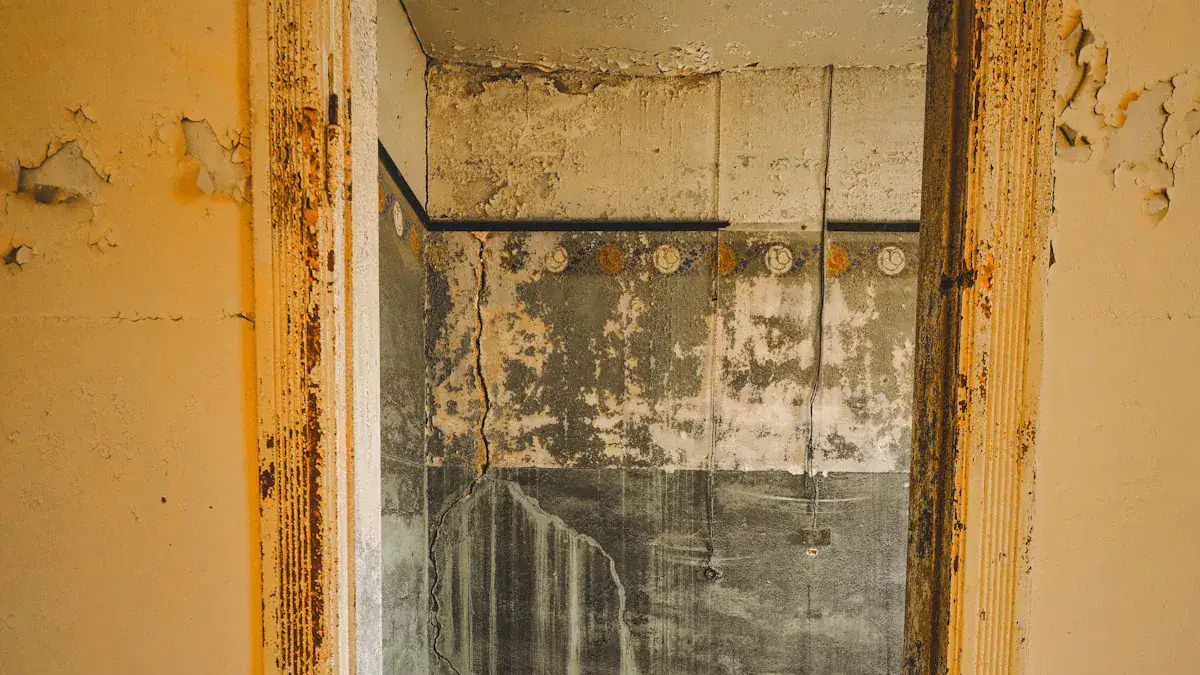
Lead paint remains a significant concern in older homes, especially those built before 1978. The U.S. banned the use of lead-based paint in residential properties due to its harmful effects. However, many homes still contain this hazardous material. In fact, more than 64 million residences, or about 80 percent of U.S. housing built before 1978, contains some lead paint.
Health Effects
Lead exposure poses serious health risks, particularly for children. The effects can be severe and long-lasting. Here are some of the most significant health effects associated with lead exposure:
Group | Health Effects |
|---|---|
Adults | High blood pressure, Cardiovascular disease, Chronic kidney disease, Reproductive issues |
Children | Learning disabilities, Attention deficit disorder, Behavior issues, Nervous system damage, Speech and language impairment, Decreased muscle growth, Decreased bone growth, Kidney damage |
Lead exposure can lead to long-term health problems, including cognitive impairments, developmental delays, and behavioral issues. Children are especially vulnerable because their brains and nervous systems are still developing. You should be aware of these risks and take steps to protect your family.
Identification Methods
Identifying lead paint in your home is crucial for ensuring safety. Here are some reliable methods for detecting lead paint:
Method | Description | Reliability |
|---|---|---|
Home Test Kits | Convenient and affordable, but less reliable than professional methods. | Moderate |
XRF Analysis | Non-destructive, highly accurate, detects low lead concentrations. | High (gold standard) |
Paint Chip Sampling | Invasive, provides detailed lab analysis of lead content. | High |
Using these methods can help you determine if lead paint is present in your home. If you suspect lead paint, consider hiring a certified professional for testing. This step is essential for protecting your family from the health hazards associated with lead exposure.
Asbestos in Older Homes

Asbestos is a hazardous material commonly found in older homes. Builders used it for insulation, wall patching, and various other applications due to its fire-resistant properties. However, when asbestos-containing materials become damaged or disturbed, they release tiny fibers into the air. You can inhale these fibers, leading to serious health risks.
Identification Techniques
Identifying asbestos in your home is crucial for your safety. Here are some effective techniques to help you determine if your home contains asbestos:
Identifying the Age of the House: Homes built or renovated before the 1980s are more likely to contain asbestos.
Signs to Tell if a Material Contains Asbestos: Look for materials like vinyl flooring, popcorn ceilings, and corrugated roofing.
Searching for Asbestos Hazards: Common locations include roofing shingles, siding, and insulation materials.
If you suspect that your home contains asbestos, consider hiring a professional for testing. They can provide accurate results and help you understand the next steps.
Safe Removal Practices
If you find asbestos in your home, it is essential to handle it safely. Follow these recommended safety protocols for removing asbestos from residential properties:
Clear the Area: Remove all personal belongings and furniture to minimize contamination.
Seal Off Work Areas: Use plastic sheeting and negative air pressure to prevent asbestos fibers from spreading.
Turn Off HVAC Systems: Ensure all ventilation systems are off to avoid circulating asbestos fibers.
Arrange for Temporary Relocation: Discuss with professionals whether temporary relocation is necessary during the removal process.
Wear Protective Gear: The abatement team should wear protective clothing and respirators.
Wet Asbestos Materials: Wetting materials helps reduce fiber release during removal.
Seal Materials Properly: Carefully seal asbestos materials in leak-tight containers.
Clean Thoroughly: Use HEPA vacuums and specialized equipment for cleaning the work area after removal.
Asbestos exposure can lead to severe health issues. The following table outlines some documented health risks associated with asbestos exposure in residential settings:
Health Risk | Description |
|---|---|
Cancer | Asbestos is classified as a known human carcinogen, linked to mesothelioma and cancers of the lung, larynx, and ovary. |
Asbestosis | An inflammatory lung condition causing shortness of breath and permanent lung damage. |
Nonmalignant Lung Conditions | Includes pleural plaques, pleural thickening, and benign pleural effusions, which can lead to increased lung cancer risk. |
Understanding these risks emphasizes the importance of addressing asbestos in older homes. Always prioritize safety and consult professionals when dealing with hazardous materials.
Mold and Moisture Issues
Mold can develop in damp areas of older homes, especially where moisture intrusion occurs. Research indicates that older homes are more likely to have mold problems, particularly when they lack air conditioning. Indoor dampness can affect 10–50% of homes globally. In fact, studies show that up to 47% of American homes experience mold presence due to moisture issues.
Signs of Mold
You should be aware of several signs that indicate mold growth in your home:
Moisture or Condensation: Excessive moisture often signals a mold problem, especially in colder areas.
Visible Mold: Mold can appear in various colors and textures, making it a clear indicator of growth.
Musty Smell: A musty odor often indicates hidden mold growth in hard-to-see areas.
Warped Paint: Bubbling or peeling paint can signal moisture issues that may lead to mold.
Leaks: Slow leaks can create conditions for mold growth if not addressed promptly.
Remediation Strategies
Addressing mold damage requires effective remediation strategies. Here are some steps you can take to reduce mold presence in your home:
Regular Maintenance: Check for leaks in roofs, walls, and plumbing. Keep gutters and downspouts clean.
Proper Ventilation: Use exhaust fans in bathrooms and kitchens. Ensure that your clothes dryer vents outside.
Controlling Humidity: Use dehumidifiers and air conditioners, especially in hot, humid climates.
You can also improve air quality by using air filters, opening windows, and running HVAC systems to increase ventilation. Fixing leaks and ensuring proper drainage around your property is crucial. By controlling humidity levels, you create an environment less conducive to mold growth. Keeping indoor humidity between 30% and 50% can significantly reduce the risk of mold-related respiratory problems.
Ignoring mold can lead to serious health issues, including respiratory infections and bronchitis. Preventing dampness and mold in your home can significantly reduce the incidence of these respiratory illnesses.
Plumbing Problems in Old Buildings
Old buildings often face significant plumbing problems due to outdated materials. Many homes built before 1960 contain galvanized pipes, clay pipes, and even lead pipes. These materials can deteriorate over time, leading to various issues.
Identification of Deterioration
You can identify plumbing deterioration by looking for several signs:
Low Water Pressure: This may indicate clogs or leaks in the pipes.
Discolored Water: Rusty or brown water often comes from corroded galvanized pipes.
Frequent Leaks: Regular leaks can signal that your pipes are aging and need replacement.
Unpleasant Odors: Foul smells can arise from deteriorating sewer lines.
The risks associated with these older materials are significant. For example, galvanized pipes can corrode, leading to rust and blockages. Clay sewer lines may crack, causing leaks and backups. Lead pipes pose serious health risks, as lead contamination can occur when these pipes deteriorate.
Solutions for Plumbing Issues
Addressing plumbing issues in old buildings requires effective solutions. Here are some options to consider:
Solution Type | Description |
|---|---|
Regular Maintenance | Inspect for leaks, clean drains, and monitor water pressure to extend the lifespan of plumbing. |
Professional Inspections | Licensed plumbers can identify hidden issues and perform comprehensive checks to prevent escalation. |
Video Camera Inspections | This non-invasive method diagnoses blockages or damage inside pipes, allowing for targeted repairs. |
Safe Replacement Options | Use copper, PEX, or CPVC pipes for replacing old plumbing, ensuring durability and safety. |
Concealment Techniques | Flexible PEX piping can be threaded through walls to minimize disruption and preserve aesthetics. |
Trenchless Technology | This method minimizes excavation impact, allowing for faster installation and long-lasting materials. |
Replacing old plumbing materials improves water quality and enhances safety in your home. By addressing these common problems, you can ensure a healthier living environment.
Electrical Hazards in Older Homes
Older homes often present significant electrical hazards. Many of these homes contain outdated wiring and systems that do not meet modern safety standards. You should be aware of these risks to protect yourself and your family.
Identifying Electrical Issues
Identifying electrical issues in your home is crucial. Here are some common electrical hazards found in homes built before 1970:
Outdated wiring, such as knob-and-tube wiring, which lacks grounding and is prone to deterioration.
Aluminum wiring, common in homes built in the 1960s and 70s, can overheat due to loose connections.
Overloaded circuits that cannot handle modern electrical demands, leading to frequent tripping of circuit breakers and overheating outlets.
Inadequate grounding systems that increase the risk of electrical shock.
Absence of GFCI outlets in areas near water, which were not commonly installed in older homes.
Limited number of electrical outlets, necessitating the use of extension cords or power strips.
Outdated electrical panels that cannot support the electrical needs of modern families.
These hazards can lead to serious consequences, including electrical shocks and fire hazards. For example, ungrounded electrical outlets can cause sparks when electricity misfires. This can lead to damage to nearby items and, in severe cases, result in major fires.
Upgrading Electrical Systems
Upgrading your electrical system is essential for safety. Here are recommended steps to follow:
Assess Your Electrical System: Evaluate the current condition of your wiring and electrical panel.
Identify Outdated Wiring: Look for signs of aluminum wiring or frayed wires that may pose risks.
Evaluate the Electrical Panel: Check if your panel is over 20 years old or unable to handle modern electrical demands.
Conduct Safety Inspections: Ensure compliance with current electrical codes to prevent hazards.
Upgrade to GFCI Outlets: Install these in wet areas to enhance safety.
Implement Surge Protection: Protect your home from voltage spikes with whole-house surge protectors.
Replace Knob-and-Tube Wiring: Update this outdated wiring to meet modern safety standards.
Modernize for Energy Efficiency: Consider LED lighting and smart thermostats to reduce energy consumption.
Navigate Electrical Permits: Understand local permit requirements before starting any upgrades.
By taking these steps, you can significantly reduce the environmental hazards associated with electrical systems in older homes. Ensuring your home meets current safety standards protects you and your loved ones from potential dangers.
In summary, old houses often harbor various environmental dangers, including lead paint, asbestos, mold, plumbing issues, and electrical hazards. Regular inspections are vital to identify these risks. You should monitor your home for signs of deterioration and address any issues promptly. Consider these effective practices:
Check for lead-based paint if your home was built before 1978.
Schedule annual HVAC and chimney inspections.
Monitor for radon gas to protect your health.
Taking proactive steps ensures a safer living environment for you and your family.
FAQ
What are the most common environmental dangers in old houses?
Old houses often contain lead paint, asbestos, mold, plumbing issues, and electrical hazards. These environmental hazards can pose serious health risks if not addressed promptly.
How can I identify lead paint in my home?
You can use home test kits, hire professionals for XRF analysis, or collect paint chip samples for lab testing. Identifying lead paint is crucial for your family’s safety.
What should I do if I find asbestos in my home?
If you discover asbestos, do not disturb it. Hire a certified professional for safe removal. They will follow strict guidelines to minimize exposure to harmful fibers.
How can I prevent mold growth in my home?
To prevent mold, control humidity levels, fix leaks promptly, and ensure proper ventilation. Regular maintenance helps you avoid moisture issues that lead to mold growth.
Why is it important to upgrade electrical systems in older homes?
Upgrading electrical systems reduces the risk of electrical hazards, such as shocks and fires. Modern systems meet safety standards and can handle today’s electrical demands.