
Walking into an old house often hits you with a unique aroma—sometimes nostalgic, sometimes unsettling. You might wonder, “What’s causing that old house smell?” It can be concerning, especially if you’re thinking about selling or renovating. Homeowners frequently worry about unresolved moisture issues, mold, and poor ventilation. These factors can lead to persistent odors that linger in carpets and HVAC systems. Don’t let that smell hold you back from enjoying your space!
Key Takeaways
Identify musty odors from moisture, poor ventilation, and hidden leaks. Address these issues to improve your home’s air quality.
Use a dehumidifier to keep humidity below 50%. This helps prevent mold growth and reduces musty smells.
Promptly clean pet accidents with enzymatic cleaners. This targets the source of odors rather than just masking them.
Regularly clean appliances and check for mold. This prevents odors from building up and keeps your home smelling fresh.
Consider replacing old fabrics if cleaning fails. New carpets and curtains can eliminate persistent odors and enhance your home’s ambiance.
Musty Odors
Sources of Musty Odors
Musty odors can be a real nuisance in old houses. They often stem from a few common culprits:
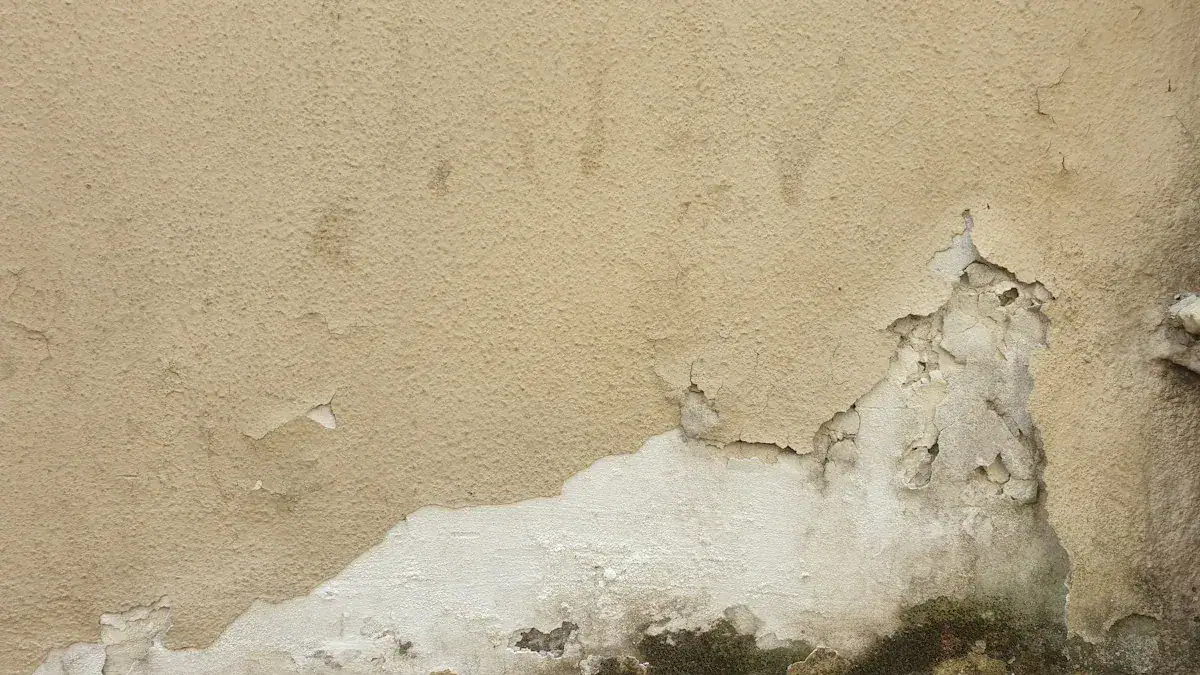
Moisture Issues: High humidity levels create the perfect breeding ground for mold and mildew. In fact, over 40% of musty odors in residential buildings come from areas with chronic dampness.
Poor Ventilation: When airflow is inadequate, humid air gets trapped, leading to condensation. This can worsen the musty smell and promote hidden mold growth.
Dead Animals: Sometimes, the presence of deceased animals in walls or attics can contribute to foul odors.
Older homes are particularly susceptible to these issues. Studies show that homes built before 1955 have a significantly higher Environmental Relative Moldiness Index, indicating a greater prevalence of mold. Mold thrives in dark, damp places, making areas like basements, attics, and even behind appliances prime spots for musty smells.
Source of Musty Odor | Description |
|---|---|
Mildew Growth | Often associated with damp environments, indicating moisture control problems. |
Leaky Pipes | Can create excess humidity leading to musty odors. |
Poor Ventilation | Areas with inadequate airflow can trap moisture, promoting mold and mildew. |
Common Locations | Basements, attics, bathrooms, kitchens, closets, and areas with poor ventilation. |
Fixes for Musty Smells
Now that you know the sources, let’s talk about how to tackle those musty smells head-on. Here are some effective fixes:
Use a Dehumidifier: This is one of the best ways to control humidity. Keeping humidity levels below 50% can significantly reduce mold growth and musty odors.
Improve Ventilation: Open windows and run fans to circulate air. This helps to reduce moisture buildup and keeps your home smelling fresh.
Clean and Disinfect: Use a vinegar solution to clean surfaces where mold might grow. Vinegar is a natural disinfectant and can help eliminate odors.
Check for Hidden Leaks: Inspect areas like under sinks and behind appliances for leaks. Fixing these can prevent moisture accumulation and the resulting musty smell.
Use Moisture Absorbers: Products like DampRid can help absorb excess moisture in the air, reducing musty odors.
If the musty smell persists despite your efforts, it might be time to call in the professionals. The average cost of mold remediation can range from $1,000 to $5,000, depending on the extent of the problem.
By addressing these issues, you can reclaim your space from that pesky old house smell and enjoy a fresher, healthier environment.
Bad House Smells from Pets
Causes of Pet Odors
If you have pets, you know that they can bring joy and companionship. However, they can also contribute to some unpleasant odors in your home. Here are the main culprits behind those bad house smells:
Urine and Feces: Accidents happen, especially in older homes where pets may not have easy access to the outdoors. Urine and feces can seep into carpets, rugs, and even floorboards, creating persistent odors.
Dander and Fur: Pet dander and fur can accumulate over time, leading to musty smells. This is particularly true in homes with poor ventilation, where allergens can linger.
Wet Pets: After a bath or a rainy day, wet pets can leave behind a distinct odor. This smell can cling to furniture and fabrics, making your home feel less inviting.
According to reports from the pet odor control market, urine, feces, and fur are the most common sources of pet-related odors. These issues are significant concerns for pet owners, prompting the demand for specialized products designed to neutralize these smells and maintain a clean living environment.
Solutions for Pet Odors
Now that you know what causes those pesky odors, let’s explore some effective solutions to eliminate them:
Clean Up Accidents Promptly: The sooner you clean up pet messes, the better. Use an enzymatic cleaner specifically designed to break down urine and feces. These cleaners digest the source of the odor rather than just masking it.
Deep Clean Carpets and Upholstery: Regularly steam clean carpets and upholstery to remove trapped odors. Professional services often use powerful steam cleaning extraction combined with commercial-grade enzyme solutions to tackle stubborn smells.
Use Air Purifiers: Invest in air purifiers with HEPA filters. They can help remove pet dander and other allergens from the air, improving overall air quality.
Wash Pet Bedding and Toys: Regularly wash your pet’s bedding and toys. This helps eliminate odors that can build up over time.
Consider Professional Help: If odors persist, consider hiring a professional cleaning service. They can utilize advanced techniques like air scrubbers, hydroxyl generators, and thermal fogging to neutralize odors effectively.
By taking these steps, you can significantly reduce bad house smells from pets and create a fresher living environment. Remember, the key is to target the source of the odors rather than just covering them up.
Appliance Odors
Identifying Appliance Odors
Appliance odors can be tricky to pinpoint, but they often come from a few common sources. Here’s what you should look out for:
Mildew and Mold: These can grow in damp areas around appliances, especially if humidity levels are high.
Dead Critters: Sometimes, small animals find their way into your appliances or ducts, leaving behind unpleasant smells.
Stained Walls: Old stains can harbor odors, especially in kitchens and laundry rooms.
Old Pipes: Leaky or corroded pipes can lead to moisture buildup, creating a perfect environment for odors.
Dirty Ductwork: Dust and debris in your HVAC system can circulate foul smells throughout your home.
Pet Stains: If you have pets, their accidents can seep into carpets and upholstery, contributing to the overall old house smell.
Certain appliances are notorious for holding onto odors. For instance, unvented gas stoves can emit smells that linger in the air. Additionally, household cleaners and pressed-wood cabinets can release unpleasant odors over time.
Fixes for Appliance Odors
Now that you know where those smells might be coming from, let’s talk about how to tackle them:
Regular Cleaning: Maintain a consistent cleaning schedule. Dust, mop, and vacuum weekly to prevent odors from building up.
Control Humidity: Keep humidity levels in check year-round. This helps prevent mold and mildew growth, which can contribute to unpleasant smells.
Air Out Spaces: Open closets and storage spaces regularly. This helps avoid stale air and musty odors.
Clean Under Appliances: Don’t forget to clean under and behind your refrigerator. This improves airflow and reduces odors.
Wash Door Seals: For your refrigerator, wash the door seals to prevent sticky residues that can cause smells.
Leave Washer Doors Open: After using your washing machine, leave the door open. This allows air circulation and prevents moisture buildup.
By following these tips, you can keep your appliances—and your home—smelling fresh. Remember, regular maintenance is key to preventing those pesky appliance odors from returning.
Old Fabrics and Materials
Impact of Old Fabrics
Old fabrics like carpets, curtains, and upholstery can significantly contribute to that persistent old house smell. These materials tend to absorb moisture and odors over time, making them a breeding ground for musty smells. Here are some key points to consider:
Absorption of Odors: Fabrics can trap smells from cooking, pets, and even smoke. If you don’t clean them regularly, they’ll hold onto these odors, making your home feel less inviting.
Moisture Retention: High humidity levels can cause fabrics to absorb moisture, leading to mold and mildew growth. This can create a musty smell that lingers in your home.
Dirt and Dust Accumulation: Over time, dust and dirt settle into fabrics, contributing to unpleasant odors. Regular cleaning is essential to keep these materials fresh.
To keep your home smelling pleasant, you should prioritize the cleaning of these fabrics. Regular cleaning of fabrics like curtains, upholstery, and carpets is essential to prevent them from absorbing and retaining odors. Deep cleaning is crucial, as these materials can hold onto smells over time. Cleaning old furniture and fabrics can help eliminate bad smells caused by moisture absorption.
Removal and Replacement Solutions
If you’re dealing with old fabrics that just won’t let go of those musty odors, here are some effective solutions to consider:
Air Out Vintage Fabrics: Expose your fabrics to fresh air and sunlight. This can help reduce odors naturally.
Soak Vintage Fabrics: For a deeper clean, soak fabrics in a solution of baking soda and cold water for about 20 minutes. This can help eliminate musty smells effectively.
Wash on Delicate Cycle: Use a gentle cycle with a specialized product like EnviroKlenz Laundry Enhancer. This product effectively removes tough odors that regular detergents may leave behind.
If the odors persist despite your best efforts, it might be time to consider replacing those old fabrics. New carpets, curtains, and upholstery can not only enhance the look of your home but also eliminate the source of those unpleasant smells.
By addressing old fabrics and materials, you can significantly improve your home’s air quality and overall ambiance. Remember, a fresh-smelling home is just a few cleaning steps away!
You’ve learned a lot about the various causes of old house smells and how to tackle them. Identifying sources like musty odors, pet-related smells, and issues from appliances is crucial. Taking action can transform your living space into a fresher environment.
Here’s a quick recap of effective removal strategies:
Odor Type | Common Causes | Effective Removal Strategies |
|---|---|---|
Musty Odors | Moisture intrusion, mold growth | Proper ventilation, dehumidifiers, professional mold remediation |
Smoke Residue | Previous occupants’ smoke | Thorough cleaning, odor-neutralizing products, air purifiers |
Decaying Wood | Moisture damage, termites, wood rot | Repairing water intrusion, treating pests, replacing damaged wood |
Sewer/Plumbing | Outdated plumbing, clogged drains | Professional plumbing assessment, regular maintenance |
Pet-related Odors | Pet urine, dander | Regular cleaning, pet-specific odor eliminators, air purification |
Implement these fixes and share your experiences. You’ll be amazed at how a few changes can make a big difference!
FAQ
What causes old house smells?
Old house smells often come from musty odors, pet accidents, appliance issues, and old fabrics. Moisture, mold, and accumulated dirt can also contribute to these unpleasant scents.
How can I eliminate musty odors?
To eliminate musty odors, use a dehumidifier, improve ventilation, and clean surfaces with vinegar. Regularly check for leaks and consider professional mold remediation if needed.
Are pet odors hard to remove?
Pet odors can be stubborn but manageable. Promptly clean accidents, deep clean carpets, and use air purifiers to help eliminate lingering smells.
How often should I clean my appliances?
You should clean your appliances regularly, ideally once a month. This includes wiping down surfaces, checking for mold, and cleaning under and behind them to prevent odors.
When should I replace old fabrics?
If cleaning old fabrics doesn’t remove the odors, it’s time to replace them. New carpets, curtains, and upholstery can significantly improve your home’s smell and overall ambiance.