

Most people don’t realize some thermostats can cut heating bills through double digits just assuming your routine. You’ll find options that blend smart energy savings, safety features like freeze or substrate protection, and rugged OEM or lockbox-ready designs for different needs. In case you want reliable control without digging into specs, this list narrows the choices—and shows which models suit homes, vehicles, and specialty setups.
| BN-LINK Digital Reptile Heat Mat Thermostat Controller |

| Best for Seedlings | Power Type: 120 VAC (controls 120 VAC devices; plug-in) | Control Type: Digital thermostat with three-button controls | Intended Application: Reptile/seedling heat mats, incubators, fermentation, home gardening | VIEW LATEST PRICE | Read Our Analysis |
| HEATIT ET-21 Freeze Thermostat Outlet (On 38°F Off 50°F) |

| Freeze Protection Pick | Power Type: 120 VAC (plug-in thermostatic outlet) | Control Type: Single set-point mechanical/thermostatic outlet (auto on/off at fixed temps) | Intended Application: Freeze protection for heaters, engine heaters, pipe heat tape, roof heating | VIEW LATEST PRICE | Read Our Analysis |
| Nest T3016US – Programmable Thermostat |
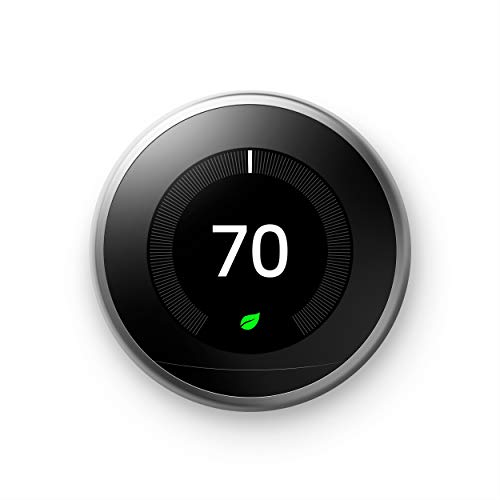
| Smart Home Leader | Power Type: 24 V system (requires 24 V HVAC power; battery-assisted) | Control Type: Smart programmable (learning) thermostat, app/voice control | Intended Application: Residential HVAC climate control (home heating/cooling) | VIEW LATEST PRICE | Read Our Analysis |
| Sensi Lite Smart Wi‑Fi Programmable Thermostat (Black) |

| Easy DIY Smart | Power Type: Low-voltage HVAC supply (common-wire required for some systems) | Control Type: Smart programmable (Wi‑Fi) thermostat, app control | Intended Application: Residential HVAC climate control (home heating/cooling) | VIEW LATEST PRICE | Read Our Analysis |
| MotoRad Fail-Safe Engine Coolant Thermostat for Malibu |

| Automotive Reliability | Power Type: N/A (automotive thermostat — passive mechanical, engine coolant temperature) | Control Type: Mechanical fail-safe thermostat (thermostatic valve) | Intended Application: Automotive engine coolant temperature control (Chevrolet Malibu) | VIEW LATEST PRICE | Read Our Analysis |
| Honeywell Home RTH6580WF Wi-Fi 7-Day Programmable Thermostat White |

| Feature-Rich Classic | Power Type: 20–30 VAC (requires C‑wire: low-voltage HVAC power) | Control Type: Programmable Wi‑Fi thermostat with app control | Intended Application: Residential HVAC climate control (forced air, heat pumps, hot water/steam) | VIEW LATEST PRICE | Read Our Analysis |
| Universal Clear Thermostat Lock Box with Key |

| Tamper-Proof Security | Power Type: N/A (mechanical/plastic lock box — no power) | Control Type: Physical lock control (prevents user access to thermostat) | Intended Application: Protect/install thermostats in homes, offices, schools, industrial sites | VIEW LATEST PRICE | Read Our Analysis |
More Details on Our Top Picks
BN-LINK Digital Reptile Heat Mat Thermostat Controller
In case you need a simple, reliable controller for reptile tanks, seed mats, or fermentation setups, the BN-LINK Digital Reptile Heat Mat Thermostat Controller delivers precise temperature control from 40–108°F with an easy three-button interface and a bright display. You’ll program it quickly, switch between °F and °C, and monitor with LED heating and power indicators. It’s for heat-only devices, supports up to 1000 W (8.3 A) at 120 VAC, and includes a sensor probe, 3.94 ft grounded cord, 4.92 ft probe cable, and hanging tab. ETL-listed, it comes with a 30-day return and 12-month replacement.
- Power Type:120 VAC (controls 120 VAC devices; plug-in)
- Control Type:Digital thermostat with three-button controls
- Intended Application:Reptile/seedling heat mats, incubators, fermentation, home gardening
- Safety/Certification:ETL listed
- Mounting / Installation:Plug/cord with hanging tab; sensor probe (corded)
- Warranty / Returns:30-day return; 12-month replacement
- Additional Feature:Bright digital display
- Additional Feature:Long probe cord
- Additional Feature:Heating-only control
HEATIT ET-21 Freeze Thermostat Outlet (On 38°F Off 50°F)
In case you need a simple, plug-and-play freeze protector for a garage, crawlspace, or engine block, the HEATIT ET-21 is a great choice because it automatically energizes at about 38°F and shuts off near 50°F, protecting pipes and equipment without any wiring. You just plug the CSA-approved ET-21 into a 120 VAC outlet; it powers up devices up to 15 amps and lights an indicator once energized. It’s intended for dry locations and suits electric or gas heaters, engine heaters, heat tape, and roof cables. Test by chilling it in a freezer 45 minutes prior to plugging in. Two-year warranty.
- Power Type:120 VAC (plug-in thermostatic outlet)
- Control Type:Single set-point mechanical/thermostatic outlet (auto on/off at fixed temps)
- Intended Application:Freeze protection for heaters, engine heaters, pipe heat tape, roof heating
- Safety/Certification:CSA approved
- Mounting / Installation:Plug-in (no hardwiring)
- Warranty / Returns:Two-year limited warranty
- Additional Feature:Fixed freeze/defrost setpoints
- Additional Feature:Plug-and-play installation
- Additional Feature:Indicator light when energized
Nest T3016US – Programmable Thermostat
Choose the Nest T3016US should you want a thermostat that learns your schedule and adjusts itself to save energy without constant tinkering. You get the Nest Learning Thermostat’s Auto‑Schedule, Home/Away Assist, Energy History and Nest Leaf guidance to minimize consumption. Control it from the Nest app or with Google Assistant/Alexa voice commands (internet and compatible device required). Its round metal housing, bright 2.08‑inch display and wall‑mount kit look sleek. It supports 24 V systems, ships with 4 AA batteries, Wi‑Fi (2.4/5 GHz), BLE and wireless interconnect. ENERGY STAR certified and UL listed; check compatibility and warranty details before buying.
- Power Type:24 V system (requires 24 V HVAC power; battery-assisted)
- Control Type:Smart programmable (learning) thermostat, app/voice control
- Intended Application:Residential HVAC climate control (home heating/cooling)
- Safety/Certification:UL listed / ENERGY STAR (certified)
- Mounting / Installation:Wall mount (screws, trim kit included)
- Warranty / Returns:Manufacturer warranty not specified in listing (check manufacturer)
- Additional Feature:Auto‑Schedule learning
- Additional Feature:Remote app control
- Additional Feature:Works with voice assistants
Sensi Lite Smart Wi‑Fi Programmable Thermostat (Black)
In case you want a budget-friendly, ENERGY STAR–certified thermostat that’s easy to install yourself, the Sensi Lite Smart (ST25) fits the bill — it’s great for renters or homeowners who want reliable remote control, programmable schedules, and basic geofencing without paying for advanced features. You’ll get easy DIY installation with a built-in level and step-by-step guidance, broad HVAC compatibility, and a C-wire requirement only for heat pump or heat/cool systems. The black Sensi Lite offers remote access via Android/iOS, usage reports, and about 23% estimated HVAC savings. The company won’t sell your personal data or use activity for ads.
- Power Type:Low-voltage HVAC supply (common-wire required for some systems)
- Control Type:Smart programmable (Wi‑Fi) thermostat, app control
- Intended Application:Residential HVAC climate control (home heating/cooling)
- Safety/Certification:ENERGY STAR certified
- Mounting / Installation:DIY wall installation (built-in level, mounting hardware)
- Warranty / Returns:Manufacturer warranty/policies via seller (standard support implied)
- Additional Feature:Geofencing support
- Additional Feature:DIY installation guided
- Additional Feature:Usage energy reports
MotoRad Fail-Safe Engine Coolant Thermostat for Malibu
Provided you drive a 2006–2010 Chevrolet Malibu and desire a thermostat that prioritizes engine protection during overheating, the MotoRad Fail-Safe Engine Coolant Thermostat is a smart pick — its patented Fail-Safe® design locks open to keep coolant flowing whenever temperatures spike, helping prevent severe engine damage. You get a direct OEM-style replacement set to 185°F, with seal, original packaging and hardware, and confirmed fitment for those model years. It’s lightweight and compact, ships with a MotoRad/Sixity Auto part number and ASIN B0DDMZ2CDX, and carries Amazon’s 30-day return option; verify fitment and warranty via seller prior to installation.
- Power Type:N/A (automotive thermostat — passive mechanical, engine coolant temperature)
- Control Type:Mechanical fail-safe thermostat (thermostatic valve)
- Intended Application:Automotive engine coolant temperature control (Chevrolet Malibu)
- Safety/Certification:OEM-fit / manufacturer’s warranty (automotive part standards)
- Mounting / Installation:Engine-mounted replacement part (installed in coolant housing)
- Warranty / Returns:Manufacturer warranty info available; Amazon 30-day return guarantee where available
- Additional Feature:Fail‑Safe lock‑open design
- Additional Feature:OEM temperature spec (185°F)
- Additional Feature:Direct OEM replacement
Honeywell Home RTH6580WF Wi-Fi 7-Day Programmable Thermostat White
Should you want a budget-friendly, Wi‑Fi thermostat that lets you control schedules remotely and learns your system’s run times, the Honeywell Home RTH6580WF is a solid pick. You’ll connect via Wi‑Fi and use the Total Connect Comfort or Honeywell Home app, plus voice control with Alexa, Google Assistant, or Cortana. Smart Response adapts to your home’s cycles for accurate comfort. It’s a 7‑day programmable, ENERGY STAR unit compatible with many forced‑air, hot‑water, steam, and heat‑pump systems but not electric baseboard heat. It requires a C‑wire (or adapter), offers a large backlit display, and’s designed for DIY installation.
- Power Type:20–30 VAC (requires C‑wire: low-voltage HVAC power)
- Control Type:Programmable Wi‑Fi thermostat with app control
- Intended Application:Residential HVAC climate control (forced air, heat pumps, hot water/steam)
- Safety/Certification:ENERGY STAR certified
- Mounting / Installation:DIY wall installation (wiring to HVAC, requires C‑wire)
- Warranty / Returns:Standard Honeywell warranty/support (check manufacturer/retailer)
- Additional Feature:Smart Response learning
- Additional Feature:7‑day programmable schedule
- Additional Feature:Large backlit display
Universal Clear Thermostat Lock Box with Key
Should you need to lock down thermostat settings to prevent tampering or surprise energy bills, the Universal Clear Thermostat Lock Box with Key is a practical choice—its clear, yellow-resistant construction keeps the display visible while two included keys let you control who can adjust temperature settings. You’ll fit most thermostats thanks to 7.28 x 4.73 x 2.1-inch outer and 6.3 x 4.4 x 2-inch inner dimensions. It protects against damage and unauthorized changes, extending service life versus typical plastics. Install using drilling or utilize nano glue for no-wall-damage bonding. Customer support replies within 24 hours, with exchanges or refunds available.
- Power Type:N/A (mechanical/plastic lock box — no power)
- Control Type:Physical lock control (prevents user access to thermostat)
- Intended Application:Protect/install thermostats in homes, offices, schools, industrial sites
- Safety/Certification:No electrical certification (security/accessory); durable, non-yellowing material
- Mounting / Installation:Surface-mounted box (drill or nano glue installation)
- Warranty / Returns:Exchange/refund available; customer support with 24‑hour response
- Additional Feature:Two keys included
- Additional Feature:Nano glue installation
- Additional Feature:Clear anti‑yellowing material
Factors to Consider When Choosing Thermostats On The Market
Whenever shopping for a thermostat, you’ll want to check temperature range compatibility so it matches your heating and cooling system. Consider control type options and energy efficiency features to balance convenience with savings. Don’t forget installation and wiring requirements plus safety certifications to guarantee reliable, code-compliant operation.
Temperature Range Compatibility
Because thermostat performance depends on both where and how you plan to use it, start from matching its usable temperature range to your application—room units typically span about 40–108°F, while refrigeration or incubator controllers could need ranges that go well below or above that. Confirm the control range covers your minimum and maximum needs, and check whether specified limits apply to the sensor location you’ll use—probe or external sensors often extend usable ranges for water or substrate monitoring. Match resolution and setpoint increments (0.5°F vs 1°F) to required precision. Verify hysteresis/differential and whether it’s configurable, since larger gaps reduce cycling but allow wider swings. Finally, confirm electrical and environmental ratings for humidity, enclosure, and whether the unit handles heating, cooling, or both.
Control Type Options
Matching temperature range is only part of the choice; control type determines how you’ll set, schedule, and power the thermostat. Should you want simplicity and low cost, manual dials or buttons give basic setpoint control with no remote access. Programmable models let you automate comfort—choose 7‑day, 5‑2, or 1‑week schedules to change temperatures through the day and lower run time. Smart Wi‑Fi units add smartphone control, learning, geofencing, and usage reports, but they need internet and usually a C‑wire or power adapter. For electric baseboard or radiant heat, pick line‑voltage/relay thermostats that switch 120–240 VAC. And for pipe protection or simple safety, freeze/anti‑freeze or on/off thermostats kick in at a fixed low threshold.
Energy Efficiency Features
Provided that you want to cut energy use without sacrificing comfort, prioritize thermostats that automate setbacks, maintain reliable power, and report performance. Choose programmable or learning models with daily or 7‑day schedules—automated setbacks typically cut heating and cooling by 10–23%. Make sure the thermostat supports a common (C) wire or includes a power adapter so it won’t drain batteries and can keep Wi‑Fi/cloud features active. Look for geofencing or occupancy/home‑away detection to reduce runtime when no one’s home. Prefer adaptive or “smart response” control that learns your system’s run‑times to reach targets efficiently and avoid short cycling. Finally, pick units with energy reporting—usage history, savings estimates, and runtime graphs—to track performance and find extra savings.
Installation And Wiring
Whenever you’re picking a thermostat, pay close attention to installation and wiring so you don’t end up with a unit that won’t power up or control your system properly. First, verify whether your HVAC needs a common C‑wire—most Wi‑Fi smart units need 20–30 VAC; should you lack one, plan for a C‑wire adapter or pro wiring. Confirm compatibility with your system type (single‑stage, multi‑stage, heat pump, or high‑voltage electric baseboard), since not all thermostats support every configuration. Check power source options: battery models avoid C‑wires but limit features and need replacements. Match terminal labels (R, RC, RH, W, Y, G, O/B, C) and label wires during removal. Measure wall box depth and mounting fit; get trim kits or adapters if required.
Safety And Certifications
After checking wiring and power needs, you should confirm a thermostat’s safety credentials before buying. Look for third‑party marks like UL, ETL, or CSA to verify electrical safety and compliance with national standards. Match the thermostat’s electrical ratings—voltage, amps, and maximum wattage—to your HVAC or heating device to avoid overloads and wiring hazards. Verify the device is rated for the intended environment (indoor vs. outdoor, dry vs. damp) and for the heating type you have, such as line‑voltage baseboard or low‑voltage systems. Check built‑in protections: fail‑safe modes, automatic shutoff, overheating protection, and indicator lights that show power or active heating. Finally, review warranty, return policies, and documented installation/testing procedures for manufacturer support should issues arise.
Remote Access And Connectivity
While shopping for a smart thermostat, prioritize how you’ll control it remotely: Wi‑Fi gives true anywhere access via cloud apps, whereas Bluetooth or proprietary RF usually limit you to nearby control. Make sure the unit supports the remote methods you want and works over both 2.4 GHz and 5 GHz networks so you don’t face connectivity issues. Verify whether remote control needs continuous internet and account sign‑in, and read the vendor’s privacy policy for data use. Confirm compatibility with your smart‑home ecosystem and voice assistants to include the thermostat in routines. Prefer models offering encrypted communications and two‑factor authentication. Finally, check for real‑time alerts, remote scheduling, and usage history so you can monitor and adjust temperatures from anywhere.
Physical Size And Durability
Because thermostats need to fit the space they serve, check the unit’s height, width and depth against your wall opening and any enclosure clearances to secure proper mounting and airflow. Also verify cord and probe lengths and cable flexibility so sensors reach desired spots without strain. Prefer rugged housings or metal casings and UV‑resistant, non‑yellowing plastics should the unit face sunlight, humidity, or workshop exposure. Inspect mounting details like hanging tabs, reinforced anchor points, and tamper‑resistant designs to reduce accidental dislodging. Finally, match the thermostat’s environmental rating—dry, damp, or wet—and any ingress protection to your installation location so the unit withstands expected conditions and lasts longer without premature failure.
Warranty And Support
Physical size and rugged construction matter, but you also need to understand the warranty and support that back your thermostat. Check warranty length and specific coverage—electronics, sensors, batteries—and watch for 1–2 year replacement or limited terms. Verify any installation or wiring conditions, like C‑wire requirements, and keep proof in case the warranty requires professional setup. Confirm the returns window, typically around 30 days, so you can swap units that don’t work for your system. Test customer support channels (phone, email, chat) for responsiveness and learn whether replacements go through the manufacturer or authorized centers. Finally, make certain firmware updates, app support, and online diagnostics are included and know whether those services are free or time‑limited.
Frequently Asked Questions
Can These Thermostats Be Used in Tiny Homes or RVS?
Yes — many of these thermostats work in tiny homes and RVs, but you’ll need to check compatibility with 12V/24V systems, confirm wiring or adapter requirements, and make certain the unit fits space, power, and HVAC type in your vehicle or tiny home.
Do Any Models Support Multi-Zone Heating Systems?
Absolutely — you’ll find several that play nice with multi-zone setups: many smart thermostats and dedicated zoning controllers support multiple dampers or wireless sensors, so you can quietly tailor temperatures room-by-room without fuss.
Are Replacement Batteries Required for Wi‑Fi Thermostats?
Yes — many Wi‑Fi thermostats need replacement batteries occasionally; you’ll find models that use AA/AAA or CR2032 cells and some that rely on C‑wire or rechargeable internal batteries, so check your specific thermostat’s requirements.
Which Thermostats Are Compatible With Solar-Powered Homes?
Conceive freedom: you’ll want grid‑aware, battery‑backup thermostats like ecobee, Nest, Honeywell Home, and Sensibo that support low‑power modes, power‑fail recovery, and smart‑home integrations so they’ll handle solar inverters and variable supply smoothly.
Can Smart Thermostats Operate Without an Internet Connection?
Yes — your smart thermostat can operate without internet for basic functions like sensing temperature, running schedules, and controlling HVAC locally; however, you won’t get remote access, cloud features, voice assistant integration, or firmware updates until it reconnects.
