

In case you’re managing a vacation home, picking the right Wi‑Fi thermostat matters for comfort, energy savings, and peace of mind while you’re away. You’ll want reliable remote control, good sensor options, and safeguards like compressor protection and alerts. I’ve narrowed seven models that balance those needs and practical installation concerns—keep going to see which features match your property and routine.
| Honeywell Wireless WiFi Thermostat,7 Programmable |
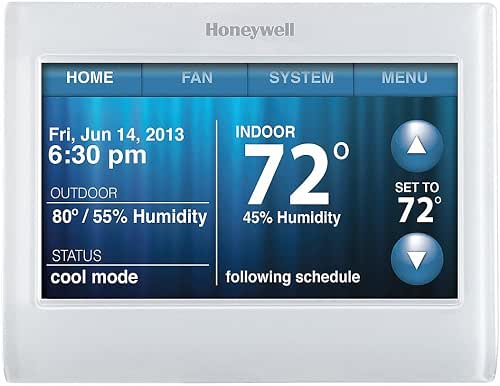
| Reliable Classic | Connectivity: Wi‑Fi (works with Alexa, Vera) | Voice Assistant Compatibility: Alexa compatible | App/Remote Control: Total Connect Comfort app (remote monitoring/control) | VIEW LATEST PRICE | Read Our Analysis |
| Google Nest Learning Thermostat (3rd Gen Stainless Steel) |

| Best Learning Thermostat | Connectivity: Wi‑Fi (2.4 & 5 GHz), Bluetooth Low Energy | Voice Assistant Compatibility: Works with Alexa and Google Assistant | App/Remote Control: Nest app (remote control via phone/tablet/laptop) | VIEW LATEST PRICE | Read Our Analysis |
| Amazon Smart Thermostat — Works with Alexa & Ring |

| Best Budget Smart | Connectivity: Wi‑Fi (2.4 GHz only) | Voice Assistant Compatibility: Works with Alexa & Ring (requires Alexa device for voice) | App/Remote Control: Alexa app (and Ring app) remote control | VIEW LATEST PRICE | Read Our Analysis |
| Honeywell Lyric T6 Pro Wi‑Fi Programmable Thermostat |

| Best for Professionals | Connectivity: Wi‑Fi | Voice Assistant Compatibility: Apple HomeKit and Amazon Alexa | App/Remote Control: Lyric app (remote control) | VIEW LATEST PRICE | Read Our Analysis |
| Vine WiFi Touchscreen Smart Thermostat (2.8″) |
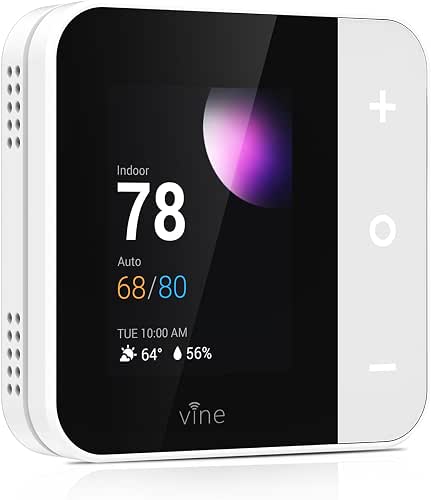
| Best Value Feature-Set | Connectivity: Wi‑Fi | Voice Assistant Compatibility: Alexa and Google Assistant | App/Remote Control: Vine Thermostat App / Smart Life App | VIEW LATEST PRICE | Read Our Analysis |
| Honeywell Home T9 WiFi Smart Thermostat with Sensor |

| Best Multi-Room Control | Connectivity: Wi‑Fi | Voice Assistant Compatibility: Amazon Alexa, Google Assistant, Apple HomeKit (via platforms), SmartThings, Vera | App/Remote Control: Honeywell Home (Resideo) app | VIEW LATEST PRICE | Read Our Analysis |
| Honeywell Home RTH7600D 7-Day Programmable Touchscreen Thermostat White |

| Best Simple Programmer | Connectivity: Wi‑Fi (smart home compatible noted) | Voice Assistant Compatibility: (Smart home compatible — typically works with voice assistants) | App/Remote Control: App/remote scheduling and control (menu-driven programming; smart features listed) | VIEW LATEST PRICE | Read Our Analysis |
More Details on Our Top Picks
Honeywell Wireless WiFi Thermostat,7 Programmable
In case you want an easy, smart way to manage temperature and energy use in a vacation home, the Honeywell TH9320WF5003 delivers: it’s a 7‑day programmable Wi‑Fi thermostat with a 3.5‑inch touch color screen, Alexa and app control, and alerts so you can monitor and adjust comfort remotely and avoid wasting energy whenever the property’s unoccupied. You’ll set schedules via the touchscreen or Total Connect Comfort app, get notifications and alerts, and use voice control through Alexa. It needs a C‑wire and one lithium battery, supports Vera, and offers simple programming with optional professional installation.
- Connectivity:Wi‑Fi (works with Alexa, Vera)
- Voice Assistant Compatibility:Alexa compatible
- App/Remote Control:Total Connect Comfort app (remote monitoring/control)
- Programmable Schedules:7‑day programmable schedule
- Power Requirement (Low‑Voltage/C‑Wire):24 Volts; requires C‑wire
- Energy‑Saving Features:Energy Savings mode; alerts/reminders for efficiency
- Additional Feature:3.5″ color touchscreen
- Additional Feature:Total Connect Comfort app
- Additional Feature:On‑screen alerts/reminders
Google Nest Learning Thermostat (3rd Gen Stainless Steel)
In case you want a smart thermostat that learns guest schedules and trims energy costs without constant fiddling, the Google Nest Learning Thermostat (3rd Gen, stainless steel) is a strong choice — it programs itself, offers remote and voice control, and can automatically switch to Eco Temperatures whenever the house is empty. You’ll get a sleek metal finish, large round display, and app control from phone, tablet, or laptop (requires Wi‑Fi). It self‑learns, shows a Nest Leaf for efficient choices, logs Energy History, and sends HVAC alerts. Works with Alexa/Google Assistant and optional temperature sensors; savings vary according to use and climate.
- Connectivity:Wi‑Fi (2.4 & 5 GHz), Bluetooth Low Energy
- Voice Assistant Compatibility:Works with Alexa and Google Assistant
- App/Remote Control:Nest app (remote control via phone/tablet/laptop)
- Programmable Schedules:Self‑programming (learns schedule) with manual scheduling options
- Power Requirement (Low‑Voltage/C‑Wire):24 Volts (typical HVAC low‑voltage)
- Energy‑Saving Features:Learning schedules, Nest Leaf, Home/Away Assist, Energy History (savings data)
- Additional Feature:Self‑programming learning behavior
- Additional Feature:Nest Leaf energy indicator
- Additional Feature:Energy History Quick View
Amazon Smart Thermostat — Works with Alexa & Ring
Choose the Amazon Smart Thermostat should you want a budget-friendly, Alexa- and Ring-compatible option that trims energy use while letting you control your vacation home remotely. You’ll get a compact, ENERGY STAR-certified unit that uses Honeywell tech to create comfort zones, auto-adjust climate with presence detection, and monitor humidity. It needs a C-wire (or optional adapter), supports most 24V HVAC systems, and connects on 2.4 GHz Wi‑Fi only. Control it via the Alexa or Ring apps, Echo devices, or three touch buttons. Features include schedules, vacation and emergency heat modes, energy dashboard, and guided Alexa app installation. Warranty: one year.
- Connectivity:Wi‑Fi (2.4 GHz only)
- Voice Assistant Compatibility:Works with Alexa & Ring (requires Alexa device for voice)
- App/Remote Control:Alexa app (and Ring app) remote control
- Programmable Schedules:Schedules (up to seven time periods per day)
- Power Requirement (Low‑Voltage/C‑Wire):24V systems; C‑wire required or adapter kit
- Energy‑Saving Features:ENERGY STAR certified; energy dashboard; hunches/auto‑away
- Additional Feature:ENERGY STAR certified
- Additional Feature:Alexa “hunches” automation
- Additional Feature:Guided Alexa installation
Honeywell Lyric T6 Pro Wi‑Fi Programmable Thermostat
For vacation homeowners who want reliable remote control and simple setup, the Honeywell Lyric T6 Pro Wi‑Fi Programmable Thermostat delivers touchscreen convenience, geofencing, and HomeKit/Alexa integration so you can manage comfort from anywhere. You’ll get a large backlit touchscreen, Energy Star efficiency, and flexible programming (7‑day, 5‑2, 5‑1‑1, 1‑week or non‑programmable) plus optional wired sensors. It supports common heat pump and conventional systems, mounts with the UWP system, and uses Wi‑Fi and the Lyric app for control. The bundle includes installation hardware, guides, a cover plate, and an extended warranty for peace of mind.
- Connectivity:Wi‑Fi
- Voice Assistant Compatibility:Apple HomeKit and Amazon Alexa
- App/Remote Control:Lyric app (remote control)
- Programmable Schedules:7‑day, 5‑2, 5‑1‑1, 1‑week modes
- Power Requirement (Low‑Voltage/C‑Wire):24 Volts; requires 1 lithium‑ion battery (C‑wire context)
- Energy‑Saving Features:Energy Star certified; geofencing and scheduling
- Additional Feature:UWP universal mounting
- Additional Feature:Geofencing support
- Additional Feature:Apple HomeKit compatible
Vine WiFi Touchscreen Smart Thermostat (2.8″)
Should you want straightforward, remote control with a bright touchscreen, the Vine 2.8″ Wi‑Fi thermostat suits vacation homes where simplicity and reliable connectivity matter. You’ll get a 2.8″ color LCD touch display, compact white glass-plastic square body, and app or voice control via Alexa and Google Assistant. It requires a C‑wire, supports about 90% of systems including heat pumps and furnaces, and runs on 24V. Features include 7‑day/8‑period scheduling, geofence Auto Home/Away, alerts, filter notifications, child lock, Energy Star efficiency, and automatic time sync. Installation is typically under 20 minutes with online guides and included trim and mounting hardware.
- Connectivity:Wi‑Fi
- Voice Assistant Compatibility:Alexa and Google Assistant
- App/Remote Control:Vine Thermostat App / Smart Life App
- Programmable Schedules:7‑day, 8‑period schedules
- Power Requirement (Low‑Voltage/C‑Wire):24 Volts; C‑wire required
- Energy‑Saving Features:Energy‑saving functionality; auto‑away and geofence; Energy Star
- Additional Feature:2.8″ color LCD
- Additional Feature:8‑period daily schedules
- Additional Feature:Child lock functionality
Honeywell Home T9 WiFi Smart Thermostat with Sensor
Ideal for owners who want room‑to‑room comfort control in a vacation property, the Honeywell Home T9 pairs a touchscreen thermostat with a Smart Room Sensor so you can prioritize the rooms that matter most—like a lounge area or primary bedroom—whether the house is occupied or not. You’ll get Wi‑Fi remote control via the Honeywell Home app, voice support for Alexa, Google and more, and Auto Home/Away scheduling to cut wasted energy. The sensor reports temperature and humidity up to about 200 ft. Installation’s DIY‑friendly with a C‑Wire adapter included for most systems. It’s ENERGY STAR certified and backed by a two‑year warranty.
- Connectivity:Wi‑Fi
- Voice Assistant Compatibility:Amazon Alexa, Google Assistant, Apple HomeKit (via platforms), SmartThings, Vera
- App/Remote Control:Honeywell Home (Resideo) app
- Programmable Schedules:Scheduling with Auto Home/Away (multi‑day options)
- Power Requirement (Low‑Voltage/C‑Wire):240 Volts listed for model but C‑Wire required (low‑voltage systems supported; power adapter included as alternative)
- Energy‑Saving Features:ENERGY STAR certified; Auto Home/Away Scheduling; utility rebate/DR program eligibility
- Additional Feature:Includes Smart Room Sensor
- Additional Feature:Multi‑room averaging focus
- Additional Feature:Power adapter alternative
Honeywell Home RTH7600D 7-Day Programmable Touchscreen Thermostat White
Choose the Honeywell Home RTH7600D should you want a straightforward, programmable touchscreen that learns run-times and protects your compressor—perfect for vacation homes where reliable remote scheduling and system longevity matter. You’ll get a 7-day programmable thermostat with four periods per day, a large backlit touchscreen showing current temperature and set point, and Smart Response Technology that predicts run-times to hit your schedule. It auto-switches heat/cool, delays compressor restarts, and warns about filter changes and low batteries. Battery-powered and wall-mounted, it supports many system types; installation’s simple with included hardware and a one-year warranty.
- Connectivity:Wi‑Fi (smart home compatible noted)
- Voice Assistant Compatibility:(Smart home compatible — typically works with voice assistants)
- App/Remote Control:App/remote scheduling and control (menu-driven programming; smart features listed)
- Programmable Schedules:7‑day programmable with 4 periods per day
- Power Requirement (Low‑Voltage/C‑Wire):24 Volts (battery powered option noted)
- Energy‑Saving Features:Smart Response Technology to optimize run time and improve efficiency
- Additional Feature:4 periods per day
- Additional Feature:Smart Response Technology
- Additional Feature:Compressor restart delay
Factors to Consider When Choosing a Wifi Thermostat for a Vacation Home
While picking a Wi‑Fi thermostat for your vacation home, you’ll want to check power source requirements and make sure it’s compatible with your HVAC system. Confirm reliable remote access and useful features like geofencing, scheduling, and energy‑saving modes so you can control comfort and costs from afar. These factors together determine convenience, reliability, and long‑term savings.
Power Source Requirements
Because many smart thermostats need a steady 24V supply to keep Wi‑Fi and the display alive, you should confirm the unit’s power requirements—whether it needs a C‑wire, accepts batteries, or includes an external adapter—so you don’t end up with a dead device during long absences. Check the thermostat’s nominal voltage and make certain compatibility with your HVAC control voltage (typically 24 VAC) to avoid damage or nonoperation. For intermittent occupancy, prefer models with low standby draw or battery backup to prevent drain. In case you lack a C‑wire, verify support for power‑sharing, external power kits, or whether new wiring is required. Confirm installation tolerances—battery type/quantity, supported adapter voltages, and included power accessories—before buying or hiring an HVAC pro.
Remote Access Reliability
Provided you’re managing a vacation home from afar, reliable remote access is essential so you can change setpoints, respond to alerts, and verify system status without a site visit. Choose thermostats with secure cloud-based access and a 24/7 uptime SLA or resilient retry/connect logic so commands go through even during temporary outages. Prefer devices that support both 2.4 GHz and 5 GHz Wi‑Fi or that feature strong reconnection routines to handle spotty home internet. Guarantee local control fallback (LAN access) or cached schedules keep HVAC working whenever the internet drops. Pick systems that send push and email alerts for connectivity or power failures, support multi-user accounts, two‑factor authentication, and maintain detailed activity logs for auditable, dependable remote control.
Geofencing And Scheduling
Remote access reliability lets you make changes from anywhere, but geofencing and scheduling automate comfort and savings so you don’t have to micromanage. Geofencing uses your phone’s GPS to flip between comfort and energy‑saving modes whenever the last person leaves or once the first returns, cutting wasted HVAC runtime without manual input. For vacation homes, set the geofence conservatively (0.5–2 miles) and test trigger timing to avoid false away/return events from short trips or phone errors. Always pair geofencing with fixed multi‑day schedules or a vacation hold so the system follows a reliable program in case phones are off or batteries die. Use staggered ramps (30–90 minutes) to pre‑condition before arrival, and enable remote override plus notifications so you can adjust for maintenance, rentals, or unexpected visits.
Compatibility With HVAC
Compatibility with your HVAC system is the most vital factor to check before buying a Wi‑Fi thermostat for a vacation home. You should confirm the thermostat supports your system type (single/dual‑stage furnace, heat pump with or without aux heat, boiler/hydronic, or radiant), since mismatches can stop basic heating and cooling control. Verify it handles multi‑stage and multi‑zone setups and accessories like separate compressors or zone dampers when your property is complex. Check control voltage compatibility—most smart units need 24V low‑voltage and won’t work with line‑voltage baseboard heat. Be certain the unit needs and can use a C‑wire or offers a power adapter for continuous 24V power. Finally, confirm it interfaces with safety and auxiliary features (emergency heat, compressor lockout, humidifiers, ventilation).
Energy Saving Features
Frequently, the biggest savings from a Wi‑Fi thermostat come from automated features that cut runtime while the vacation home’s empty. You should pick models with geofencing or presence-based auto-away so the system automatically shifts to an energy-saving setback whenever no one’s detected. Remote scheduling and flexible 7‑day (or better) programs let you set different setbacks for weekdays, weekends, or holiday spans to avoid conditioning an empty house. Look for detailed energy reports or dashboards to track usage, spot anomalies, and quantify savings from schedule tweaks. Prioritize multi-zone support or remote room sensors so you only heat or cool occupied areas. Finally, verify compatibility with demand‑response programs, utility rebates, and ENERGY STAR where available to capture incentives and peak-load reductions.
Notifications And Alerts
You’ll want a thermostat that sends real‑time push notifications and email alerts for critical events—temperature extremes, HVAC power loss, or Wi‑Fi drops—so you can act quickly from afar. Configure customizable thresholds (for example, alert whether indoor temp falls below 40°F or rises above 85°F) to catch frozen‑pipe or overheating risks and avoid false alarms. Prefer alerts that show which sensor or zone triggered, the current reading, and a timestamp so you or a local caretaker can diagnose issues fast. Make sure the system supports multi‑channel delivery (app push, SMS, email) and can notify multiple contacts, including property managers and emergency numbers. Finally, verify it logs historical alerts and sends maintenance prompts for upkeep and recurring problem tracking.
Frequently Asked Questions
Can a Thermostat Run Reliably During Long Power Outages?
Yes—you can run some thermostats reliably during long outages provided you choose models with battery backup, local controls, and low power draw; you’ll want a compatible HVAC system, extra batteries or UPS, and tested failover procedures beforehand.
How Do Warranties Work for Thermostats in Seasonal Homes?
Warranties for thermostats in seasonal homes usually cover defects and parts for a set period; you’ll need to register the product, keep proof of purchase, and follow maintenance terms—extended coverage or service plans can add protection for off-season use.
Can I Remotely Restart a Thermostat if It Becomes Unresponsive?
Yes — you can often restart your thermostat remotely through its app or web portal; in case that fails, power-cycle it via your smart home hub or a smart outlet, and contact support in case it stays unresponsive.
Are There Insurance Discounts for Using Smart Thermostats?
Yes — you can often get discounts: insurers sometimes lower premiums for smart thermostats that reduce risk or energy use. Consider it as a safety net that pays back; check with your provider for specific programs.
Do Smart Thermostats Pose Privacy or Security Risks for Rentals?
Yes — they can. You should expect data collection, remote access risks, and potential hacking; you’ll mitigate them through using strong unique passwords, enabling two-factor authentication, keeping firmware updated, isolating devices on a guest network, and reviewing privacy settings.
