

Most people don’t realize many Wi‑Fi thermostats can cut energy use by double digits alongside paired with proper schedules and sensors. You’ll want a model that fits your HVAC type, offers easy installation, and gives the right mix of remote control, occupancy sensing, and warranty protection. Below I compare seven top 2026 options—from budget basics to sensor‑driven smart models—so you can pick the best match for your home and goals.
| Honeywell Home RTH21B Programmable Single-Stage Thermostat |

| Simple & Reliable | Connectivity: No Wi‑Fi (basic programmable) | App / Remote Control: No mobile app / no remote control | Programmable Scheduling: 7‑day, 5‑1‑1, 5‑2, 1‑week (or non‑programmable) | VIEW LATEST PRICE | Read Our Analysis |
| SunTouch SunStat CommandPlus Wi‑Fi Touchscreen Thermostat |

| Best For Floor Heating | Connectivity: Wi‑Fi (smartphone app) | App / Remote Control: Free Watts Home mobile app (remote access) | Programmable Scheduling: 7‑day programmable schedule | VIEW LATEST PRICE | Read Our Analysis |
| Honeywell T6 Pro Smart Thermostat (TH6320WF2003) |

| Pro-Level Smart Control | Connectivity: Wi‑Fi (Honeywell Home app, HomeKit) | App / Remote Control: Honeywell Home app (remote control) + HomeKit integration | Programmable Scheduling: Flexible scheduling (geofence + schedules) | VIEW LATEST PRICE | Read Our Analysis |
| Sensi Lite Smart Thermostat Wi‑Fi (ST25) |

| Easy DIY Smart | Connectivity: Wi‑Fi (Sensi app, Alexa) | App / Remote Control: Sensi mobile app (remote control) | Programmable Scheduling: Flexible scheduling (programmable) | VIEW LATEST PRICE | Read Our Analysis |
| Honeywell Home RTH6580WF Wi-Fi 7-Day Programmable Thermostat White |

| Feature-Rich Wi‑Fi | Connectivity: Wi‑Fi (Honeywell Home / Total Connect) | App / Remote Control: Honeywell Home / Total Connect Comfort apps (remote control) | Programmable Scheduling: 7‑day programmable schedule (Smart Response) | VIEW LATEST PRICE | Read Our Analysis |
| Google Nest Thermostat Smart Wi‑Fi Thermostat (Charcoal) |
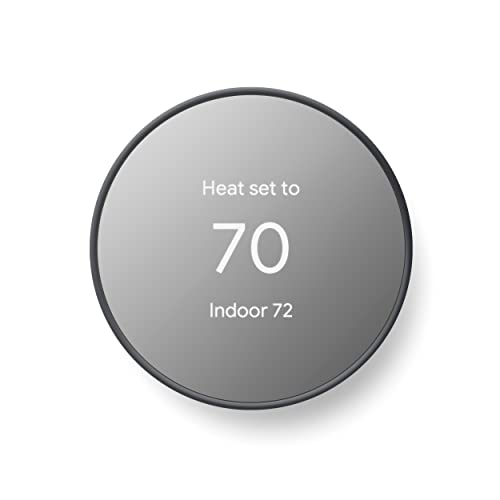
| Sleek Smart Saver | Connectivity: Wi‑Fi (Google Home, 2.4/5 GHz) + Bluetooth LE | App / Remote Control: Google Home app (remote control) | Programmable Scheduling: Smart scheduling via app | VIEW LATEST PRICE | Read Our Analysis |
| Honeywell Home T9 WiFi Smart Thermostat (with Sensor) |

| Best For Multi‑Room Comfort | Connectivity: Wi‑Fi (Resideo / Honeywell Home app) | App / Remote Control: Honeywell Home / Resideo app (remote control) | Programmable Scheduling: Flexible scheduling + Auto Home/Away | VIEW LATEST PRICE | Read Our Analysis |
More Details on Our Top Picks
Honeywell Home RTH21B Programmable Single-Stage Thermostat
Should you want a straightforward, budget-friendly thermostat for a single-stage heating and cooling system, the Honeywell Home RTH21B fits the bill—its large backlit display and flexible 7-day (or simpler) scheduling make it easy to set routines, while battery power and compatibility with common forced-air and hot-water setups keep installation simple. You’ll program 7-day, 5-1-1, 5-2, or single-week schedules, or use the non-programmable mode. It runs on two AA batteries, replaces RTH2510/RTH2410, and isn’t for electric baseboard heat. You can swap decorative accents, enable filter alerts, and rely on a one-year warranty.
- Connectivity:No Wi‑Fi (basic programmable)
- App / Remote Control:No mobile app / no remote control
- Programmable Scheduling:7‑day, 5‑1‑1, 5‑2, 1‑week (or non‑programmable)
- Compatibility (System Types):Single‑stage heat/cool, hot water, forced air; NOT electric baseboard
- Display Type:Large backlit LCD screen
- Energy / Smart Savings Features:Extended low‑heat setpoint; basic scheduling for savings
- Additional Feature:Interchangeable decorative accents
- Additional Feature:Extended low-heat setpoint
- Additional Feature:UWP wall plate compatible
SunTouch SunStat CommandPlus Wi‑Fi Touchscreen Thermostat
Whenever running electric floor heating and wanting precise, schedule‑aware control, the SunTouch SunStat CommandPlus Wi‑Fi touchscreen is a top choice because its SmartStart preheats floors to reach the set temperature right on time. You’ll get a 4.3″ capacitive portrait touchscreen, floor and air sensing, and a 7‑day programmable schedule. Wi‑Fi lets you control settings remotely via the free Watts Home app, see outdoor temps, monitor energy use, and get e‑mail alerts. Features like Away mode, warm‑weather shutdown, and floor max protections safeguard flooring. SunTouch’s decades of radiant‑heating experience backs reliable performance and support.
- Connectivity:Wi‑Fi (smartphone app)
- App / Remote Control:Free Watts Home mobile app (remote access)
- Programmable Scheduling:7‑day programmable schedule
- Compatibility (System Types):Electric floor heating / radiant systems
- Display Type:4.3″ capacitive touchscreen (portrait)
- Energy / Smart Savings Features:SmartStart preheat, energy monitoring, away feature
- Additional Feature:SmartStart preheat technology
- Additional Feature:Floor and air sensing
- Additional Feature:Outdoor weather display
Honeywell T6 Pro Smart Thermostat (TH6320WF2003)
In case you want a smart thermostat that balances advanced zoning with straightforward app control, the Honeywell T6 Pro (TH6320WF2003) is a strong pick—its support for up to 3 heat/2 cool heat-pump and 2 heat/2 cool conventional systems makes it ideal for multi-stage HVAC setups and dual-fuel homes. You’ll get the T6 Pro, a UWP mounting bracket, and documentation, plus an extended five-year warranty. The Wi‑Fi touchscreen links to the Honeywell Home app and Apple HomeKit, while local touchscreen controls remain handy. Use flexible scheduling, geofencing, and ventilation control for efficient, zone-friendly comfort.
- Connectivity:Wi‑Fi (Honeywell Home app, HomeKit)
- App / Remote Control:Honeywell Home app (remote control) + HomeKit integration
- Programmable Scheduling:Flexible scheduling (geofence + schedules)
- Compatibility (System Types):3H/2C heat pump, 2H/2C conventional, dual fuel, ventilation
- Display Type:Wi‑Fi touchscreen
- Energy / Smart Savings Features:Geofencing for location‑based control (energy saving)
- Additional Feature:Apple HomeKit integration
- Additional Feature:3H/2C and 2H/2C support
- Additional Feature:Geofence location control
Sensi Lite Smart Thermostat Wi‑Fi (ST25)
In case you want a straightforward, budget‑friendly smart thermostat that’s easy to install and works with Alexa, the Sensi Lite ST25 is a solid pick—its DIY setup, top‑rated mobile app, and ENERGY STAR certification mean you’ll get remote control, flexible scheduling, and roughly 23% HVAC energy savings without a lot of fuss (just be aware a C‑wire is needed for heat pump and heat/cool‑only systems). You’ll find fast homeowner installation with a built‑in level and step‑by‑step instructions, plus geofencing, usage reports, and remote access. It’s compatible with most residential HVAC systems, doesn’t sell your data, and avoids ad targeting.
- Connectivity:Wi‑Fi (Sensi app, Alexa)
- App / Remote Control:Sensi mobile app (remote control)
- Programmable Scheduling:Flexible scheduling (programmable)
- Compatibility (System Types):Most residential HVAC systems (C‑wire required for some)
- Display Type:On‑unit display (app primary) — simple UI (not full touchscreen)
- Energy / Smart Savings Features:ENERGY STAR certified; estimated ~23% savings; usage reports, geofencing
- Additional Feature:ENERGY STAR certified
- Additional Feature:Does not sell personal data
- Additional Feature:Top-rated mobile app
Honeywell Home RTH6580WF Wi-Fi 7-Day Programmable Thermostat White
Should you want a reliable, ENERGY STAR‑rated Wi‑Fi thermostat that’s easy to install and works with Alexa or Google Assistant, the Honeywell Home RTH6580WF is a strong pick. You’ll get a compact, white, wall‑mount unit with a backlit LED display and intuitive buttons. It requires a C‑wire and 24 VAC power, supports common HVAC types (not electric baseboard), and includes Smart Response Technology, Auto Changeover, and Daylight Savings readiness. Control it via the Honeywell or Total Connect Comfort app, voice assistants, or on‑unit controls. It’s lightweight, Energy Star certified, and fits many utility programs.
- Connectivity:Wi‑Fi (Honeywell Home / Total Connect)
- App / Remote Control:Honeywell Home / Total Connect Comfort apps (remote control)
- Programmable Scheduling:7‑day programmable schedule (Smart Response)
- Compatibility (System Types):Forced air, hot water, steam, heat pumps; NOT electric baseboard (C‑wire required)
- Display Type:Large backlit LED display with buttons
- Energy / Smart Savings Features:Smart Response Technology, Auto Changeover, utility program support
- Additional Feature:Smart Response Technology
- Additional Feature:Auto Changeover support
- Additional Feature:Works with utility programs
Google Nest Thermostat Smart Wi‑Fi Thermostat (Charcoal)
Targeting homeowners who want an easy, affordable smart upgrade, the Google Nest Thermostat (Charcoal) pairs simple setup and remote control through the Google Home app with ENERGY STAR efficiency, making it a solid choice should you want smart scheduling, auto-away, and voice control without a bulky display. You’ll get a compact rectangular unit with a 2-inch backlit LCD, wall-mount hardware, and two A batteries included. It supports 2.4/5 GHz Wi‑Fi, BLE, Google Assistant, Alexa, Matter, and mobile control. Most systems don’t need a C wire, but check compatibility. Savings Finder, HVAC alerts, and a one-year warranty round out the package.
- Connectivity:Wi‑Fi (Google Home, 2.4/5 GHz) + Bluetooth LE
- App / Remote Control:Google Home app (remote control)
- Programmable Scheduling:Smart scheduling via app
- Compatibility (System Types):Most common systems (may require C‑wire or power accessory for some)
- Display Type:2″ backlit LCD display
- Energy / Smart Savings Features:Auto‑away, Savings Finder, HVAC monitoring, Nest Renew support
- Additional Feature:Savings Finder suggestions
- Additional Feature:HVAC monitoring alerts
- Additional Feature:Matter-certified assistants
Honeywell Home T9 WiFi Smart Thermostat (with Sensor)
In case you want a smart thermostat that balances comfort across rooms, the Honeywell Home T9 (with its included Smart Room Sensor) is a solid choice — it detects occupancy and temperature in specific rooms to focus heating or cooling where people actually are. You’ll get a touchscreen Wi‑Fi thermostat (model RCHT9610WFSW2003) with a 200 ft sensor range, Energy Star certification, and multi-room averaging whenever multiple sensors are used. It requires a C‑Wire (adapter included should it be needed), supports Alexa, Google, HomeKit via integrations, and offers auto home/away scheduling, humidity sensing, and eligibility for some utility programs.
- Connectivity:Wi‑Fi (Resideo / Honeywell Home app)
- App / Remote Control:Honeywell Home / Resideo app (remote control)
- Programmable Scheduling:Flexible scheduling + Auto Home/Away
- Compatibility (System Types):Forced air, hot water, steam, heat pumps; NOT electric baseboard (C‑wire required)
- Display Type:Touchscreen display (color LCD)
- Energy / Smart Savings Features:ENERGY STAR certified; occupancy sensors and multi‑room focus to save energy
- Additional Feature:Includes Smart Room sensor
- Additional Feature:Average multi-room balancing
- Additional Feature:Built-in speaker
Factors to Consider When Choosing a Wi Fi Thermostat
Before you pick a Wi‑Fi thermostat, check compatibility with your HVAC system and whether your wiring supplies the needed C‑wire or requires a power adapter. Consider how well the unit integrates with your smart home platform, the flexibility of its scheduling features, and the specific energy‑saving tools it offers. Those factors will determine installation ease, daily convenience, and long‑term savings.
Compatibility With HVAC
Because your thermostat is the control center for your HVAC, you’ll need to match its capabilities to your system type and wiring so it can actually run your equipment and power its smart features. Verify whether you have single‑stage, multi‑stage, heat pump, or electric baseboard heating, since many thermostats exclude high‑voltage baseboard units. Confirm support for forced‑air, hydronic (hot‑water), steam, and heat‑pump systems, plus dual‑fuel or auxiliary heat control provided that used. Make sure the thermostat handles your system’s heating and cooling stages (for example, 1H/1C versus 2H/2C or 3H/2C) so staging and sequencing work properly. Review available sensor and control options—room, floor/air, or outdoor inputs—to match zoning or remote sensing needs and maintain accurate control.
Power And Wiring
Your thermostat’s power and wiring determine whether a Wi‑Fi model will actually work in your home, so check for a dedicated C‑wire or plan an alternative powering method. Confirm whether your HVAC provides a dedicated C‑wire; most Wi‑Fi thermostats need a constant 24 VAC source to keep wireless functions alive. Provided there’s no C‑wire, consider a power‑extender kit or compatible adapter because relying on batteries can cause frequent drain and dropped connectivity. Verify control voltage and terminal labels (24 VAC R/RC, W, Y, G, O/B) to make certain compatibility and avoid shorting circuits. Also guarantee wiring length and gauge (typically 18 AWG) suit low‑voltage control. For line‑voltage or electric baseboard systems (120–240 V), use specially rated thermostats and separate wiring.
Smart Home Integration
Once the wiring’s sorted, look at how the thermostat will fit into the rest of your smart home—compatibility with your ecosystem determines how smoothly you can control HVAC alongside lights, locks, and sensors. Make sure it supports the protocols you already use (Wi‑Fi, Bluetooth, Matter, HomeKit, Google, Alexa) so devices talk natively. Check for official integrations, apps, or skills that enable remote control, voice commands, and automation triggers. Prefer models with geofencing, presence sensing, and API or IFTTT access so you can create location‑based actions and custom routines across devices. Confirm it works with multi‑room sensors, smart vents, and humidifiers for coordinated scenes and accurate zone control. Finally, verify encrypted communications, strong authentication, and clear data‑use policies to protect your network and privacy.
Scheduling Flexibility
Whenever you’re choosing a Wi‑Fi thermostat, prioritize scheduling flexibility so the system matches your daily rhythms rather than forcing you to adapt to it. Pick a model that supports multiple schedule types—7‑day, 5‑1‑1, 5‑2, and single‑week—so you can set weekdays, weekends, or each day separately. Make sure it allows multiple daily periods (wake, away, home, sleep) with adjustable start times and temperatures to reflect occupancy. Check for both programmable schedules and an easy non‑programmable/manual mode for quick overrides. Prefer devices with geofencing or location‑based scheduling and smart start features that adapt start times automatically. Finally, verify remote editing and schedule backup/transfer via app or cloud so you can modify, copy, or restore routines from anywhere.
Energy Saving Features
Scheduling sets the groundwork, but energy-saving features are what squeeze real savings from your HVAC system. Choose thermostats with adaptive learning or Smart Response so the unit learns cycle times and hits setpoints efficiently, cutting runtime. Use geofencing and occupancy-based auto-away to drop heating or cooling whenever no one’s home—you’ll typically save several percent on bills. Prefer models that support multi-zone setups or remote sensors to condition occupied rooms instead of the whole house, reducing overconditioning. Keep flexible scheduling (7-day, weekday/weekend, or custom) to lower setpoints during sleep and away periods without losing comfort. Finally, pick thermostats that offer energy-use reports, runtime alerts, and filter notifications so you can spot waste and maintain HVAC efficiency.
Installation And Support
Because proper installation sets the foundation for reliable performance, check system compatibility and wiring requirements—especially whether your HVAC needs a C‑wire or power adapter—before you buy. Verify power source needs (battery vs. 24 VAC), whether batteries are included, and in case a backup is recommended to prevent control loss during outages. Prefer models with clear DIY instructions, labeled wiring diagrams, and a universal wallplate to simplify retrofits and hide paint marks. Confirm remote support options: in‑app setup walkthroughs, step‑by-step guides, and live technical help for fast troubleshooting. Finally, make certain firmware updates, mobile app compatibility, and documented factory‑reset and wiring‑verification procedures are available so you can maintain software reliability and resolve future issues confidently.
Frequently Asked Questions
Will a Wi‑Fi Thermostat Work During a Power Outage?
No — of course your Wi‑Fi thermostat won’t keep chatting online during a blackout; it loses power, so it can’t use Wi‑Fi. You’ll need battery backup or a generator to keep it running and saving settings.
Can I Install a Wi‑Fi Thermostat Without a C‑Wire?
Yes — you can install some Wi‑Fi thermostats without a C‑wire; many use batteries, power‑stealing, or a common wire adapter. You’ll want to check compatibility with your HVAC system and follow manufacturer installation steps carefully.
Do Wi‑Fi Thermostats Collect and Sell My Data?
Yes, some Wi‑Fi thermostats collect data and might share or sell aggregated usage to partners; you should read privacy policies, adjust settings, opt out where possible, and choose brands that offer clear controls and local data storage.
How Do Smart Thermostats Affect Home Insurance Rates?
Coincidentally, you’ll often see lower home insurance premiums whenever smart thermostats reduce risks like frozen pipes or fires. You’ll need to check with your insurer for possible discounts, and you should document installation and features.
Are Wi‑Fi Thermostats Compatible With Multi‑Stage HVAC Systems?
Yes — many Wi‑Fi thermostats support multi‑stage HVAC systems; you’ll need to confirm the thermostat’s specifications, wire compatibility (heat/cool stages, O/B, and common), and sometimes install an adapter or consult a pro for complex or proprietary systems.
