

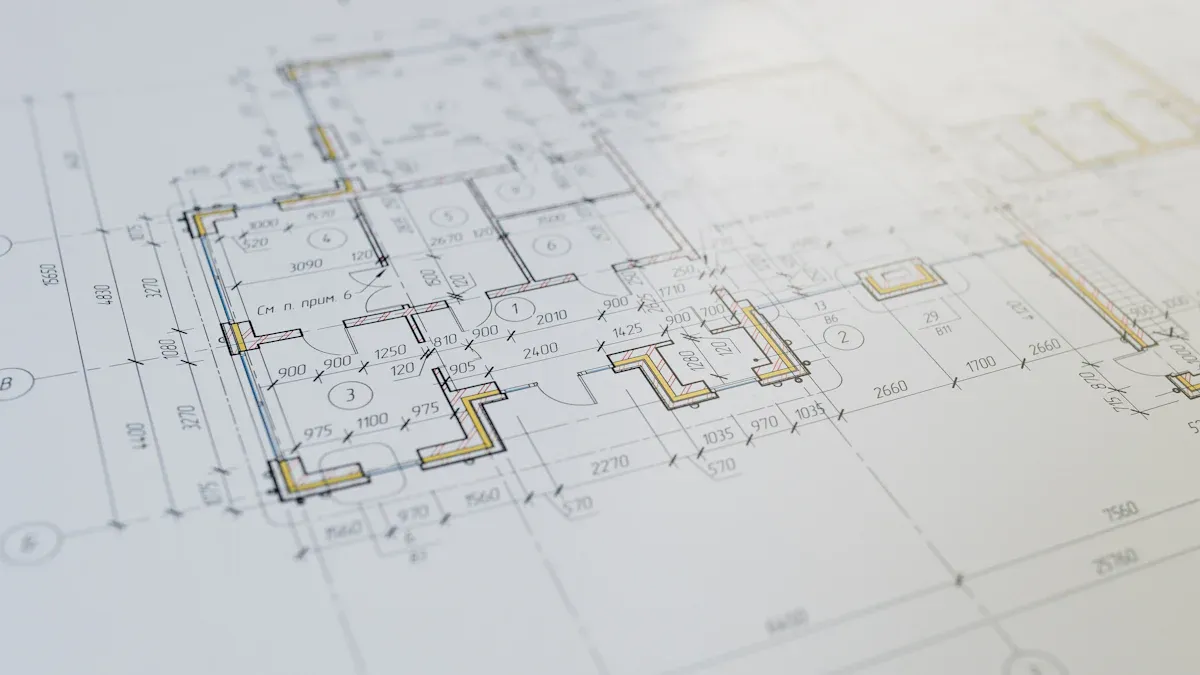
A home renovation is exciting, yet often overwhelming. A structured plan ensures a stress-free renovation. This guide provides a comprehensive roadmap for your renovation project. It is a step by step guide from initial ideas to the final reveal. This renovation guide helps you manage budget and timeline. You will learn how to renovate a house, working with professionals to avoid common mistakes. For instance, approximately 78% of home renovation projects exceed their initial budget. This step-by-step guide offers clear steps for effective planning. It shows you where to start your home remodel. It aids your home improvement project planning, whether for a whole home remodel, major home renovation, or a simple remodel.
Define Your Renovation Vision: A Step-by-Step Guide

Effective planning starts with a clear vision. This section provides the initial steps to define your renovation goals.
Clarify Your Needs and Wants
Before you begin any home renovation, you must understand your goals. Ask yourself why you want to renovate. Do you need more space, or do you want to update an outdated look? Think about how you use each room. Consider your family’s lifestyle. This helps you decide where to start your home remodel. Clarifying your needs and wants is a foundational step in any home remodel. It helps you understand how to renovate a house to best suit your life.
Research Styles and Inspiration
Once you know your needs, explore different design styles. This part of your renovation planning helps you visualize the outcome. Look at various sources for inspiration.
Magazines: Better Homes and Gardens or Architectural Digest offer many ideas.
Inspirational Apps: Pinterest and Houzz provide endless visual content.
Home Improvement Sites: Websites like Remodelaholic and renovation company sites show completed projects.
Home Improvement Shows: HGTV programs like Fixer Upper can spark ideas.
Consider popular design styles for your home renovation project:
Modern Interior Design: This style features sleek surfaces, clean lines, and bold accents. It often uses metal, chrome, and glass.
Midcentury Modern Interior Design: This style from the 1950s has airy interiors and a smooth transition to the outdoors. It uses rich woods and specific color palettes like avocado and mustard yellow.
Scandinavian Interior Design: This style focuses on neutral colors and a relaxing atmosphere. It uses all-white palettes, organic fabrics, and functional furniture.
Modern Farmhouse Interior Design: This style blends traditional farmhouse elements with clean lines. It might include shiplap and reclaimed wood alongside sleek appliances.
Industrial Interior Design: This style draws from factory spaces. It features high ceilings, exposed pipes, and raw materials like concrete and brick.
Prioritize Your Project Scope
You likely have a long wishlist. Now, you must prioritize. Decide which projects are essential and which are desirable. This helps manage your budget and expectations. For example, a kitchen renovation might be essential, while a new patio could be a desirable addition later. Prioritizing helps you organize the renovation. It also guides decisions if you are considering a whole home remodel. This step ensures your renovation aligns with your financial plan.
Budgeting Your Home Renovation
You must set a realistic budget for your home renovation project. A clear financial plan prevents surprises. This section helps you understand renovation costs and manage your money effectively.
Estimate Renovation Costs
Your location greatly impacts renovation costs. For example, if you live in a major metropolitan area, your kitchen renovation expenses will likely exceed the national average. You can find local kitchen remodeling cost estimates for major US cities. These insights help you plan your home renovation budget with confidence.
Your location also affects labor costs. In urban areas with a high cost of living, contractors and workers tend to charge more for their services. Labor costs might be lower in smaller towns or rural areas, so geographical factors must be considered when budgeting for renovations. In large metropolitan areas, prices are typically higher due to the cost of living and demand for contractors. Urban areas may also have stricter building codes and regulations, which can add to your renovation costs.
A mid-range small bathroom remodel in high-cost metropolitan areas can easily exceed $15,000. This is much higher than in rural regions. There, a similar project might cost $8,000 to $10,000.
Allocate Funds for Each Phase
Break down your overall budget into specific categories. Assign funds for design, demolition, materials, labor, and permits. This detailed allocation helps you track spending. It also ensures you do not overspend in one area. This careful planning is a crucial step for any home remodel.
Plan for Contingency Funds
Unexpected issues often arise during a renovation. Always include contingency funds in your home renovation project. This money covers unforeseen expenses.
For smaller projects like a bathroom or kitchen remodel, allocate 10% of the total budget.
For larger projects or remodels in older homes, budget 10-20% for contingency.
For custom, complex, or high-end projects involving structural changes, aim for the higher end, closer to 20%.
Industry best practices suggest setting aside between 5% to 10% of the overall construction hard cost budget for contingency funds. This ensures you have a realistic budget.
Explore Financing Options
You have several options to finance your remodeling work. This guide helps you understand them.
Financing Option | Key Features | Typical Interest Rates |
|---|---|---|
Personal/Unsecured Loan | No collateral required, quick approval. | Around 5-6% for a $50,000 loan over 24 months, but varies. |
Building Financing into Mortgage (Cash-out Refinancing) | One monthly payment, locks in interest rate. | Slightly higher than a regular mortgage. |
Home Equity Loan (HEL) | Fixed interest rates, tax deductions on interest. | Somewhat higher than conventional mortgages. |
Home Equity Line of Credit (HELOC) | Flexible borrowing, adjustable interest rates. | Adjustable rates, can fluctuate. |
Credit Cards | Quickest and simplest for smaller projects. | Much higher than home improvement loans. |
Consider these options carefully for your whole home remodel or smaller project.
Hire Your Renovation Team
A successful home renovation needs the right team. This guide helps you assemble the best professionals for your project. Hiring qualified professional contractors is a key part of the renovation process.
Decide Which Professionals You Need
Your project’s scope determines the experts you need. A small bathroom remodel might only require a general contractor. A whole home remodel, however, often needs architects and designers. This is a critical step in your home remodeling checklist.
Vet and Hire Contractors
A general contractor oversees your entire construction project. They coordinate various aspects. This includes hiring subcontractors, managing your budget, and adhering to timelines. They bring together experts like electricians, plumbers, and carpenters. They ensure seamless integration of their work. When hiring a contractor, ask these essential questions:
Are You Licensed, Bonded, and Insured? This ensures compliance and protects you.
How Many Projects Like Mine Have You Completed? This gauges their relevant experience.
Can You Provide References and a Portfolio? Review past work and speak with previous clients.
What’s the Estimated Timeline for Completion? Get a realistic expectation for project duration.
Who Will Be on Site Each Day? Clarify supervision and communication.
How Do You Handle Permits and Inspections? Confirm they manage regulatory processes.
What’s Your Payment Schedule? Establish clear financial terms.
How Will You Protect My Home and Property During the Renovation? Understand their safety measures.
How Do You Handle Unexpected Issues or Change Orders? Learn their process for unforeseen problems.
Do You Offer a Written Contract and Warranty? Ensure a formal agreement and guarantee.
Work with Architects and Designers
For complex projects, consider an architect. Architects communicate effectively with professional contractors. They translate your desires into actionable plans. They resolve construction problems by referring to their drawings. This prevents shortcuts. Architects offer flexibility in design. They allow for easy plan adjustments. They provide accurate cost estimations for budgeting. Architects specify high-quality, energy-efficient materials. This reduces energy consumption and costs. They select durable products, saving money on future renovations. Professional architectural design increases property value. It offers a high return on investment. Architects ensure designs comply with local building codes. They visualize the overall project and create superior designs. Architects help avoid potential design flaws. They offer creative solutions to problems. This makes projects more cost-effective.
Understand the Design-Build Advantage
Design-build firms offer integrated home remodeling services. They provide one contract covering both design and construction. This simplifies communication with a single point of contact. This integrated approach often results in faster completion times. It is also more cost-efficient due to streamlined processes. Design-build firms handle all planning and approval processes. This includes producing and filing architectural plans. They obtain necessary permits. They manage all upfront inspections and testing. This prevents surprises. They accommodate architectural design adjustments. They provide built-in interior design expertise. They manage the design, sourcing, and procurement of all permanent fixtures for your renovation. These steps ensure a smoother home renovation process.
Permits and Regulations for Your Home Renovation Process
Researching necessary permits is a crucial step before starting a home renovation. You must understand these rules. They ensure your project is safe and legal. This guide helps you navigate this important part of your home renovation process.
Identify Required Permits
You need permits for many types of work. Structural changes always require permits. If your renovation involves plumbing, electrical, or masonry work, you will need specific permits for these trades. A building permit is a legal requirement before you start any major project. For example, a Dallas building permit is generally necessary for building, adding to, altering, or demolishing a structure. This also includes repairing, replacing, installing, or removing service equipment like HVAC, electrical, and mechanical systems. These permits ensure structures are safe. They also meet health and safety standards for everyone. Local building codes and permits are essential for any structural modification. They ensure structural safety, protect property value, and maintain your insurance coverage. If you fail to get these permits, you could face fines. Authorities might force you to remove unauthorized work. You could also have issues when selling your home or during real estate appraisals.
Understand Local Building Codes
Building codes set standards for construction. You must follow these rules. For electrical work, you should only hire Licensed Electrical Contractors. They must file notifications for all electrical work. They also maintain proper documentation of inspections. You must address any deficiencies quickly. For instance, the new ESA code mandates a receptacle for every 6 feet of usable wall space. This rule prevents fires from extension cords. Also, painted receptacles and switches violate code. Paint acts as an insulator, trapping heat and causing potential fires. Ground Fault Circuit Interrupters (GFCIs) are required in all bathrooms and near water sources. GFCIs protect you from electric shocks.
Navigate the Permit Application
Applying for permits takes time. The average time to gather information, submit documents, and get building permits can range from 6 to 12 months. This timeframe varies by location and project complexity. There is no fixed timeline. You can expect different review times based on your project type.
Project Type | First Review (business days) | Additional Review(s) (business days) |
|---|---|---|
Decks, porches, pools, spas, alteration & repairs, single trade permits, demolitions | 3 | 3 |
Additions and accessory structures | 7 | 5 |
New residential single family, duplex, or townhouse | 10 | 5 |
Plan revisions | 5 | 5 |
Submitting your application online can speed up the process. Residential projects submitted to a permit portal often have an estimated turnaround of 3-5 business days for intake. This planning helps you manage your renovation schedule.
Pre-Renovation Preparation
Preparing adequately for your renovation helps ensure a smoother process. This guide helps you get ready for the changes ahead. Proper planning minimizes stress and protects your home.
Prepare Your Home for Disruption
Your home will experience disruption during a renovation. You should expect noise, dust, and workers moving through your space. Mentally prepare yourself and your family for these changes. Create a clear pathway for workers. Designate a “no-go” zone for children and pets. This helps keep everyone safe. You can also set up a temporary kitchen or living area if your main spaces are under construction.
Protect Your Belongings
Protecting your belongings is crucial during any renovation. Dust and debris can damage items. You must take steps to safeguard your possessions.
Clear the Area: Move valuables, furniture, and decor out of the work zone. Use temporary storage solutions like under-bed storage or closet organizers.
Use Protective Covers: Cover furniture with plastic sheets or drop cloths. Secure these covers with painter’s tape. Wrap delicate items in bubble wrap or packing paper for extra protection.
Properly Store Fragile Items: Pack delicate items in sturdy, labeled boxes. Wrap each item in bubble wrap or packing paper. Fill empty spaces with packing material.
Control Dust and Debris: Seal off work areas with plastic sheeting. Use air purifiers with HEPA filters. Regularly clean affected areas with a HEPA vacuum. Place floor mats in high-traffic areas.
Communicate with your contractors about valuable items. Tell them where these items are. Provide specific handling instructions.
Arrange Temporary Living
For extensive projects, you might need to move out of your home temporarily. This allows workers full access and keeps you safe from construction hazards. Consider these common temporary living arrangements:
Short-term rental apartments: These are ideal for stays of a month or longer. They often include amenities like laundry and gyms.
Staying in a vacation rental: Websites like Airbnb and VRBO offer fully furnished options. You might negotiate long-term rates.
Booking an extended-stay hotel: These hotels cater to longer stays. They typically include full kitchens and laundry facilities.
Staying with friends and family: This is often a cost-effective option. It provides support during your renovation.
Choose the option that best fits your budget and needs. This careful planning ensures comfort during your project.
Renovation Execution: Key Stages
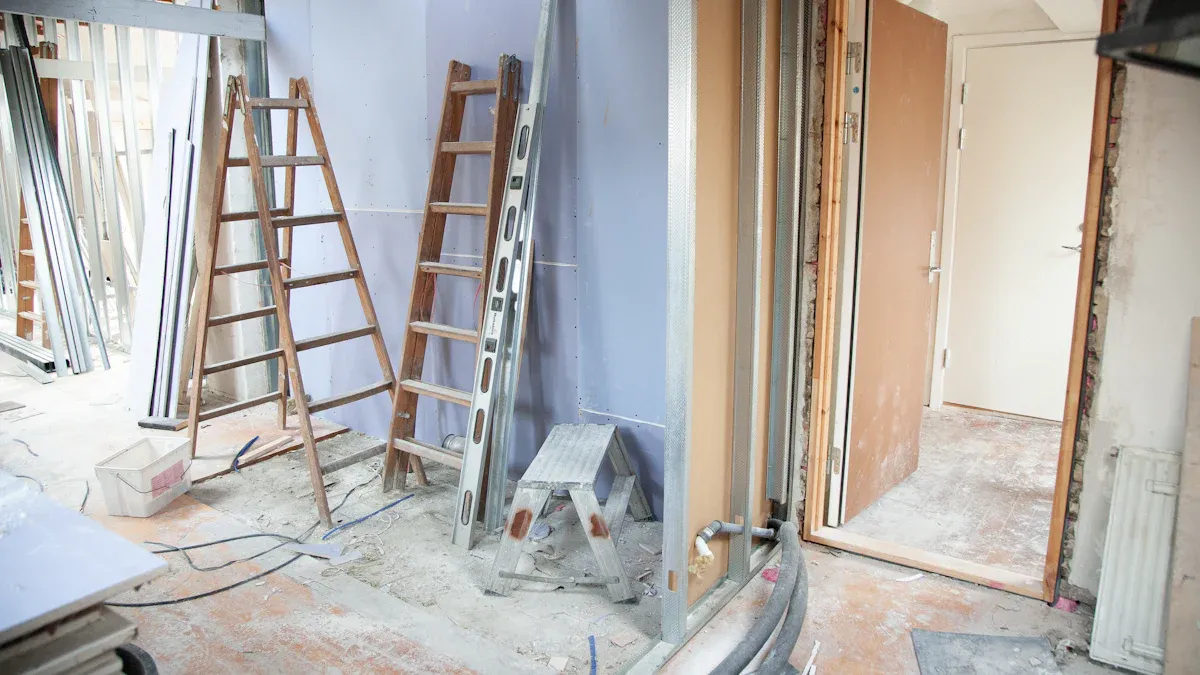
You have completed the planning and preparation. Now, you begin the physical work of your renovation. Planning out the entire project, including all rooms and details from studs to fixtures, is recommended. This section guides you through the key stages of construction.
Demolition and Structural Work
Demolition is often the first physical step. You remove old structures and prepare the space. This stage can be messy and noisy. Safety is very important during demolition. You must obtain demolition permits. You should also conduct asbestos surveys, especially in older homes. Always follow waste disposal regulations.
You should hire a home inspection team. These professionals check for hazardous materials like asbestos. This is especially important in older homes. Before any work begins, disconnect all utility services. Turn off gas, electricity, water, sewage, and internet lines. This prevents accidents.
Consider hiring a certified demolition company. These licensed companies follow OSHA safety standards. They have trained teams and advanced equipment. After demolition, ensure proper waste removal. This includes hazardous materials and site cleanup.
Here are some standard safety measures for demolition:
Standard | Example Measures |
|---|---|
Demolition Safety Plan | Site-specific risk analysis, permit acquisition, emergency protocols |
OSHA Compliance | Adhere to regulatory guidelines, provide worker training, document procedures |
Protocol Review | Update safety plans as laws and best practices evolve |
Equipment Checks | Inspect first aid kits, fire extinguishers, and debris removal gear |
Fire Safety | Prohibit open flames, place extinguishers within reach, check vehicle equipment |
Dust/Debris Control | Use water sprays, schedule debris pickups, enforce PPE use |
Utility Disconnections | Coordinate with providers, document status, communicate with staff |
Site Assessment | Conduct thorough inspections for hazards like unstable walls, loose debris, or hazardous materials; perform an engineering survey. |
Hazard Abatement | Identify and safely remove hazardous materials (e.g., asbestos, lead) with licensed contractors and trained employees. |
Structural Support | Use temporary supports and conduct periodic inspections to prevent collapses. |
Controlled Demolition | Plan carefully and train workers for precision, dust, and debris control. |
Debris Management | Develop a removal and recycling strategy, ensuring safe handling procedures. |
Site Security | Implement fencing, warning signs, and security protocols to prevent unauthorized access and protect workers and the public. |
Rough-Ins: Systems Installation
Rough-in is the initial construction phase. Electrical, HVAC, and plumbing systems are installed. This work happens after the building’s frame is complete. It occurs before insulation, drywall, or concrete slabs are added. It involves laying the groundwork for these systems. This includes pipes, ductwork, wiring, and mechanical components.
Here is the typical installation sequence for rough-in systems:
Rough-in System | Components/Purpose | Installation Sequence |
|---|---|---|
Plumbing | Water supply lines, drain, waste, vent lines, bathtubs, shower units; ensures water flow and waste disposal. | First |
HVAC | Ducts, vents, pipes; ensures proper ventilation, heating, and air conditioning. | Second |
Electrical | Wiring for power and lighting circuits, cabling for telephone and television. | Third |
You install plumbing first. Then, you install HVAC systems. Finally, you install electrical wiring. This sequence helps avoid conflicts between trades.
Insulation and Drywall
After rough-ins, you install insulation. Insulation makes your home energy-efficient. It keeps your home warm in winter and cool in summer. This saves you money on utility bills. The amount of insulation you need depends on your climate zone.
Here are R-value recommendations for different climate zones:
Climate Zone | Uninsulated Attic | 3-4 inches of Existing Attic Insulation | Uninsulated Floor | Uninsulated Wood-Frame Wall | Insulated Wood Frame Wall |
|---|---|---|---|---|---|
1 | R30–R49 | R19–R38 | R13 | R13 or R0 + R10 CI* | N/A |
2 | R49–R60 | R38–R49 | R13 | R13 or R0 + R10 CI | N/A |
3 | R49–R60 | R38–R49 | R19 | R20 or R13 + R5 CI or R0 + R15 CI | Add R5 CI |
4 except Marine | R60 | R49 | R19 | R20 + R5 CI or R13 + R10 CI or R0 + R15 CI | Add R10 CI |
4 Marine and 5 | R60 | R49 | R30 | R20 + R5 CI or R13 + R10 CI or R0 + R15 CI | Add R10 CI |
6 | R60 | R49 | R30 | R20 + R5 CI or R13 + R10 CI or R0 + R20 CI | Add R10 CI |
7 and 8 | R60 | R49 | R38 | R20 + R5 CI or R13 + R10 CI or R0 + R20 CI | Add R10 CI |
Note: CI stands for “continuous insulation” that is applied to the exterior of the wall assembly just inside the cladding.
Whenever you remove exterior siding on an uninsulated wood-frame wall, drill holes in the sheathing. Blow insulation into the empty wall cavity. Do this before installing new siding. Add the amounts of continuous insulation recommended in the table. If you remove exterior siding on an insulated wood-frame wall, add the amounts of continuous insulation recommended in the table.
After insulation, you install drywall. Drywall creates the interior walls and ceilings. You tape and mud the seams. This creates a smooth surface for painting.
Flooring and Cabinetry
Next, you install flooring and cabinetry. These elements greatly impact your home’s look and function.
Consider these popular flooring options:
Hardwood Flooring
Pros: Durable for high-traffic areas, timeless beauty and elegance, increases property value.
Cons: Expensive, prone to scratches and dents (less suitable for homes with children or pets), difficult and time-consuming to install.
Carpet Flooring
Pros: Soft and comfortable (ideal for bedrooms and living rooms), insulating (retains heat), muffles sound (good for homes with children or animals).
Cons: Can hold germs and dirt (difficult to clean), traps dust and allergens (less suitable for allergy sufferers), less durable (needs replacement every 5-10 years).
Laminate Flooring
Pros: More affordable than hardwood, easy for homeowners to install, durable and resistant to dents, scratches, and fading (good for high-traffic areas).
Cons: Susceptible to damage from direct sunlight, heat, or humidity; may not look and feel as authentic as hardwood; difficult to repair if exposed to moisture.
Tile Flooring
Pros: Highly durable for high-traffic areas, easy to clean (popular in bathrooms and kitchens), wide selection of colors, sizes, and patterns.
Cons: Can feel cold and uncomfortable to walk on, potentially slippery (less suitable for homes with small children or elderly), can be very expensive.
Vinyl Flooring
Pros: Economical, water-resistant and easy to maintain (perfect for high-traffic areas with children or pets), incredibly durable.
Cons: Lacks the natural charm of stone or hardwood, can be slippery when wet (less suitable for homes with small children or elderly), does not insulate or retain heat (less suitable for colder climates).
For cabinetry, especially in kitchens, you have many choices. Modern kitchen cabinets feature clean lines, flat-panel doors, and minimal hardware. They often have high-gloss finishes and neutral colors. Traditional kitchen cabinets show classic craftsmanship. They have raised-panel doors, decorative moldings, and ornate hardware. They typically use natural wood species. Transitional kitchen cabinets blend modern function with traditional warmth. They often feature Shaker-style doors with flat center panels and balanced hardware.
Cabinet style affects your budget through construction complexity. Modern cabinets may have higher material costs due to premium finishes. However, they have lower labor costs due to simpler construction. Traditional cabinets involve more labor-intensive work with decorative details. This increases installation time and costs. Transitional cabinets often offer good value. They have simpler construction than traditional styles and proven materials. Cabinets generally represent 50-60% of kitchen renovation budgets. Quality and construction are more significant cost drivers than aesthetic choices.
Common cabinet materials include:
Maple: Smooth, fine-grained, durable, excellent for painting or light stain.
Oak: Strong, open-grained with a prominent pattern, classic choice.
Birch: Durable, fine-grained hardwood, more affordable than maple, takes paint and stain well.
Walnut: Premium, dark hardwood with a rich grain, ideal for high-end kitchens.
Here are typical costs for different cabinet types:
Cabinet Type | Cost per Linear Foot | 10×10 Kitchen Cost |
|---|---|---|
Stock | $100 – $300 | $2,000 – $6,000 |
Semi-Custom | $200 – $650 | $4,000 – $12,000 |
Custom | $500 – $1,200+ | $10,000 – $25,000+ |
Shaker and Micro-Shaker styles are very popular. The Shaker style has a five-piece door with a flat recessed center panel. It adapts to various designs. The micro-Shaker is a modern version. It has narrower rails and stiles for a sleeker look.
Painting and Finishing
Painting transforms your space. It adds color and personality. For high-traffic areas, you need durable and easy-to-clean paint. Paints with scuff-resistant technology allow for easy mark removal. This happens without damaging the finish. Satin and semi-gloss paints are highly recommended for active spaces. They resist dirt and stains. They also withstand regular cleaning. Semi-gloss provides an elegant, bright, and tough surface. It resists moisture, fading, and stains. Modern washable paints, often acrylic latex, feature stain-fighting technology. You can clean them with soap and water without color loss or surface damage. Satin finishes, sometimes called eggshell, offer a smooth, velvety look. They provide lasting durability and a subtle shine. Acrylic latex paints are effective for their strong surface. They resist chipping and cracking. They also offer excellent adhesion and flexibility.
Consider these paint finishes for different areas:
Satin Finish: Offers a balance of durability and style with a soft sheen. It is easy to clean. It resists dirt and stains. It is tough enough for scrubbing. This makes it ideal for hallways, family rooms, and kitchens.
Semi-Gloss Finish: A highly durable and moisture-resistant option. It is more reflective than satin. It is perfect for trim, moldings, doors, kitchens, and bathrooms. It withstands grease and water.
Eggshell Finish: Less durable than satin or semi-gloss. It offers a smooth, subtle texture. It is suitable for living rooms or dining rooms. It handles light cleaning. It serves as a middle ground for areas with less heavy messes.
High-Gloss Finish: The most durable and reflective finish. It is excellent for constant scrubbing and scratch resistance. It is best for kitchens, bathrooms, or statement features. However, it highlights surface imperfections.
You should choose finishes based on the room’s use.
Hallways: Satin or semi-gloss for durability and easy cleaning.
Kitchens: Semi-gloss for its resistance to grease and moisture.
Bathrooms: Semi-gloss or high-gloss to withstand humidity.
Living Rooms: Satin or eggshell for a balance of style and function.
Trim and Doors: Semi-gloss or high-gloss for maximum durability.
Fixture Installation
Fixture installation brings your renovation to life. This includes lighting, plumbing fixtures, and smart home devices. Many homeowners now seek advanced features.
Bathrooms are becoming personal health monitoring stations. They track biometric indicators like weight and body composition. This happens via embedded flooring scales. They also track blood pressure via smart mirrors. Air quality (humidity, temperature, chemical levels) is also monitored. They offer posture analysis and sleep quality assessment. Data integration creates comprehensive wellness profiles.
You can use augmented reality design tools. Virtual design applications let you visualize bathroom modifications. You can compare materials under various lighting. You can plan for accessibility. You can also receive DIY installation guidance. This reduces renovation costs and enhances satisfaction.
Eco-friendly choices are trending. These include bamboo flooring, recycled glass surfaces, and low-VOC paints. Reclaimed wood elements and water-efficient fixtures made from recycled materials are also popular. Local sourcing is also emphasized.
Integrated aromatherapy systems provide spa-like experiences. Automated scent delivery systems offer programmable fragrance distribution. These systems provide custom scent profiles. They offer health-focused aromatherapy options. They adapt seasonally. They also integrate with ventilation systems.
Bathrooms are expanding in size. Many homeowners want more room for wellness features. They want universal design and efficient storage. Larger showers are a top priority. They accommodate spa-like features. These include steam, saunas, aromatherapy, and chromotherapy. Integrated seating is also popular.
Lighting quality is critical. It involves layering and multiple levels. Task lighting is essential. Emerging trends include mood lighting in showers. Integrated lighting in mirrors is also popular. Homeowners increasingly view primary bathrooms as sanctuaries. They draw inspiration from hotels. This includes interest in smart toilets and textured/patterned tiles.
Highly-customized bath solutions are common. Smart technology integrates for individualized daily rituals and well-being. Custom storage solutions have configurable modules. Built-in storage for hair tools, makeup, medications, and charging integration are common. Elegant accessibility elements are mainstream. These include grab bars, curbless showers, and shower benches. Barrier-free entries and wider doors enhance both safety and luxury.
Consider these smart fixtures:
LED Strips: Versatile fixtures like Philips Hue Lightstrip Plus hide under counters. They also go behind mirrors or around bathtubs for a spa-like effect.
Bluetooth Shower Speakers: Products like the Kohler Moxie Showerhead Speaker integrate music into the shower routine. They have detachable, waterproof speakers.
Smart Leak Detectors: Devices such as Flo by Moen Smart Water Detector are small and unobtrusive. You place them near sinks, toilets, or tubs. They alert you to leaks or moisture changes early. This prevents water damage.
Automatic Scent Diffusers: The Pura 4 Smart Fragrance Diffuser lets you program fragrance schedules. You can adjust intensity and control settings via phone. This enhances ambiance with various scents.
AI-powered systems analyze usage patterns. They optimize water and energy consumption. They provide insights and recommend adjustments for sustainability. Predictive maintenance detects leaks and plumbing issues proactively. This prevents costly repairs. Augmented Reality (AR) smart mirrors offer virtual skincare consultations. They also provide makeup tutorials and entertainment. This personalizes the bathroom experience. AI-driven technology adjusts settings like shower temperature and lighting. It bases adjustments on individual user preferences for a customized experience. Future bathroom technology integrates seamlessly with broader smart home ecosystems. It communicates with lighting, climate control, and security devices. This creates an efficient and personalized living space.
Connected lighting adapts brightness and color temperature. It adjusts based on the time of day. Integrated ventilation systems automatically adjust to humidity levels. Smart thermostats and motion-sensor LED lights enhance comfort and energy efficiency. You can control fixtures with voice commands, mobile apps, and automated schedules. Smart showers can be programmed. Motion-sensor faucets improve hygiene. Water conservation happens through smart fixtures. These have flow restrictors and timers. Smart lighting and heated flooring optimize energy use based on occupancy. You can tailor experiences by adjusting water temperature, mood lighting, and seat-warming features. Customizable profiles allow different family members to set preferences. Wellness benefits include chromotherapy lighting, aromatherapy showers, music integration, and AI-powered mirrors for skincare recommendations.
Manage Your Home Renovation Project
You have planned your project and assembled your team. Now, you must manage the work. This guide helps you oversee your renovation effectively. You will keep your project on track. Being organized is crucial for a smooth home renovation process from start to finish. Establishing a timeline for your project provides structure and expectations.
Communicate with Your Team
Clear communication is vital for a successful renovation. You must establish alignment early. Discuss the scope of work, design directions, and preferred materials. Also, talk about any limitations. This creates a realistic foundation. It helps your renovation team prepare accurate project timelines and workflows.
You should build a consistent communication rhythm. Maintain regular updates. Use weekly check-ins, scheduled meetings, or daily summaries. This keeps both you and your team informed about progress. It also covers upcoming decisions and any changes. This fosters trust and efficient problem-solving. Choose professional contractors whose workflow and expertise match your project needs. This compatibility minimizes misunderstandings. It promotes smoother collaboration from the start.
Monitor Progress and Quality
You need to actively monitor the work. This ensures your renovation meets your expectations. Look for key indicators of quality workmanship during different stages.
Materials:
Expect solid wood cabinets, not particle board or laminate.
Look for natural stone or high-grade quartz countertops.
Premium hardware should resist wear and tear.
Workmanship (during installation and finishing):
Check for seamless joints without gaps or misalignments.
Surfaces like countertops and tile walls should be level.
Paint edges must be crisp. Trim work should be consistent.
Functionality (post-installation):
Drawers and cabinets should open and close smoothly.
Doors and fixtures must not stick or rattle.
Hardware should be properly aligned and firmly secured.
Longevity (long-term):
The construction should stand the test of time. It must be built to last.
The work should adhere to and often exceed local code compliance and structural integrity standards.
Handle Unexpected Issues
Planning for potential problems and unexpected issues is important during a remodel. Unexpected challenges often arise during a renovation. You must prepare for them. Approximately 58% of homeowners experience longer renovations due to contractor-related issues.
Common unexpected issues include:
Contractor disputes: These may cause project delays. You can resolve them through mediation to maintain project timelines.
Unexpected structural problems: These require early identification and expert evaluations for prompt repairs.
Budget overruns: These often happen due to inadequate planning or scope changes. You can mitigate them with a contingency fund.
Design errors: These lead to miscommunication. You can address them with clear contracts and regular stakeholder meetings.
Navigating permit requirements: This can delay progress. It needs thorough research and adherence to local regulations.
You can plan ahead by creating a budget and timeline. Identify potential issues early. Consult with professional contractors for valuable insights. For carpentry, measure twice and cut once. This avoids errors and saves time and money.
Stay on Budget and Schedule
Staying on budget and schedule requires diligence. You must track your expenses carefully. A highly detailed home renovation tracker, often a spreadsheet, is crucial. It helps you keep notes of every expense and estimate. This allows for constant monitoring of numbers against the budget. You can track overall spending. You can also compare it to neighborhood properties for ROI. This helps you see profit or loss. Such a spreadsheet can track costs per trade or room. It confirms if you are on track.
Here are effective methods for tracking renovation expenses:
Collect Receipts via Email: Opt for email receipts for online and brick-and-mortar purchases. This provides easy access and accounting efficiency.
Take Pictures of Receipts That Cannot Be Sent Electronically: Immediately photograph physical receipts. Email them to yourself to avoid losing them.
Throw Those Receipts in the (Very Special) Box: For physical receipts, keep a designated box in your car. Store them there until you can do detailed accounting.
Get Organized in Google Sheets: Utilize spreadsheets like Google Sheets or Excel to track expenses. Split them into manageable sections, such as by room or project area. Summarize them in a master sheet.
You should also research material costs and typical renovation expenses in your area. Plan, plan, and plan some more. Detail your project. Use a spreadsheet to track every item, its cost, purchase status, and where to buy it. Be prepared to make compromises if your initial dream plan exceeds the budget. Get at least three quotes from tradespeople. Compare them. Be ready to adjust your plans based on the costs. This helps you stay within your budget.
Post-Renovation Steps
Final Inspections and Walkthroughs
After construction finishes, you will have a final inspection. This inspection is very thorough. It can take several hours. Its purpose is to ensure the plans match the finished building. Inspectors check elements like windows, doors, sealing, wiring, light fixtures, gutters, drywall, mudding, and HVAC systems. They also review all prerequisite certificates and permits. These include the Certificate of Occupancy (CO), fire alarm approvals, and energy compliance statements. They ensure construction, demolition, plumbing, and electrical permits are closed out.
Inspectors check national, state, and local building codes. They review structural safety requirements. Mechanical, electrical, and plumbing (MEP) systems are also checked. This includes circuit panel labeling and HVAC unit installation. Exterior features like safety rails and drainage are inspected. Fire safety systems, stairways, and exits also get a review.
If your building passes, it receives its Certificate of Occupancy. If items need addressing, you must take action. Schedule a follow-up inspection once you complete corrective work.
Complete the Punch List
Next, you will complete the punch list. This document outlines final work items remaining before your project is complete. It includes minor corrections, alterations, or repairs. These are required before final payment. Typical items include paint touch-ups or adjusting a door that sticks. You might also find incomplete items like missing cabinet hardware. This list ensures your remodel meets all specifications.
The process starts with substantial completion. Your project is mostly done and usable. Then, you and your contractor conduct a walkthrough inspection. You document issues with notes and photos. A detailed list is compiled. Each item is assigned to a responsible party with a target completion date. Your contractor and their team address the listed items. A final walkthrough confirms all items are resolved. This closes the punch list and officially wraps up your renovation project.
Clean Up and Move Back In
Before you move back in, clean your newly renovated space. Deep clean the insides of closets and cabinets. This removes settled dust. Clean all appliances, especially in the kitchen. Mop floors, potentially multiple times, to thoroughly remove dust. Power wash exterior areas like decks, driveways, and porches. This cleans off tracked-in dust. Gather and properly dispose of all trash. Use appropriate safety equipment for hazardous materials. Consider hiring professional house cleaners for an extra deep clean. They have expertise and equipment for post-renovation cleanup.
Enjoy Your Renovated Home
Finally, enjoy your remodeling efforts. You worked hard to plan and execute this project. Now, relax and appreciate your new space. Your careful planning and effort have created a beautiful and functional environment for you.
You achieve a successful home renovation with careful planning and execution. This comprehensive guide helps you avoid stress, stay on budget, and achieve your desired results. Approach your renovation with confidence, armed with this knowledge. A well-planned remodel brings lasting joy and value to your home.

