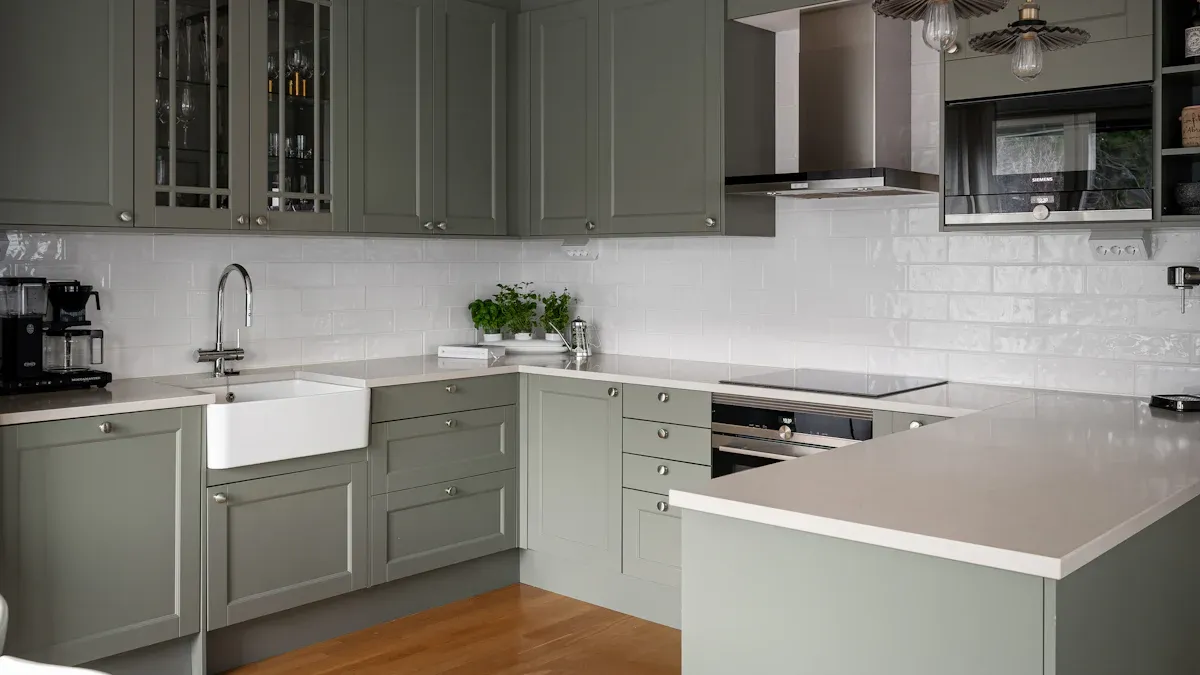
You want a kitchen refresh. Painting kitchen cabinets offers a dramatic transformation. Choosing the right paint is crucial for both durability and a beautiful finish. Kitchen cabinet painting projects typically yield a return on investment (ROI) ranging from 90% to 120% of the initial cost, making it a smart upgrade. This guide helps you select the best kitchen cabinet paint. You will achieve a professional-looking, long-lasting finish for your home.
Key Takeaways
Choose durable paint for kitchen cabinets. Urethane alkyd enamels or waterborne alkyds work best. They resist chips and scratches.
Top paint brands for cabinets include Benjamin Moore Advance and Sherwin-Williams Emerald Urethane. These brands offer strong, smooth finishes.
Prepare cabinets well before painting. Clean, sand, and prime them. This helps the paint stick and last longer.
Pick colors that match your kitchen style. Whites, grays, and blues are popular. Bold colors can also make a statement.
Avoid standard wall paint and cheap options. They do not last long on cabinets. Also, avoid traditional oil paints due to strong fumes and long drying times.
Key Factors for Best Cabinet Paint
When you choose paint for your kitchen cabinets, several factors are important. These factors ensure your cabinets look great and last a long time. You want a finish that withstands daily kitchen life.
Durability and Hardness
Your kitchen cabinets work hard every day. They face bumps, spills, and frequent cleaning. You need paint that can handle this wear and tear. A durable paint resists chips, scratches, and stains. Hardness refers to how well the paint film stands up to physical impact. A hard finish means your cabinets will look good for years. This is a key consideration for the best kitchen cabinet paint.
Finish Options and Sheen
Paint sheen affects both the look and durability of your cabinets. You have several choices. Flat or eggshell finishes are not ideal for cabinets. They show wear quickly and are hard to clean. Satin finish offers a soft sheen. It is easy to clean and durable. This makes it a good choice for busy kitchens. Semi-gloss is a very popular option. It is durable, moisture-resistant, and easy to wipe down. Gloss provides a very shiny and tough surface. It works well on cabinet doors and drawers. However, gloss can highlight every imperfection.
Ease of Application
Think about how you will apply the paint. Some paints are easier to use than others. Spraying paint gives the smoothest, most professional finish. It applies paint evenly without brush strokes. However, spraying needs special equipment like a paint sprayer. It also requires more setup and masking. Rolling and brushing are easier for beginners. You can get great results with a high-quality foam roller and brush. Brushes work well for edges and corners.
Low VOC and Safety
Volatile Organic Compounds (VOCs) are chemicals released into the air from paint. High VOC paints can cause odors and affect indoor air quality. You should choose low VOC paints for your home. These paints release fewer harmful chemicals. This makes your painting project safer for you and your family. Look for paints labeled “low VOC” to find the best cabinet paint for your project.
Top Selections for Best Kitchen Cabinet Paint Brands
You want to choose the best kitchen cabinet paint. This section helps you understand the top selections for best kitchen cabinet paint brands. These brands offer durability and a beautiful finish.
Benjamin Moore Advance
Benjamin Moore Advance is a premium waterborne alkyd paint. It combines the durability and look of oil-based paints. It also offers easier cleanup and lower odor like water-based paints. This paint is for interior use on doors, trims, and cabinetry. It has low VOCs, about 50 grams per liter. This is much less than traditional alkyd paints. It is safer for indoor use with good ventilation.
You can see how Benjamin Moore Advance performs:
Characteristic | Rating (out of 10) | Description |
|---|---|---|
Coverage | 9.5 | Good; 2 coats for 99% coverage on two-shade changes, 3 coats for drastic color differences. |
Workability (Ease) | 10 | Straightforward and easy to work with, despite a somewhat thick feel. |
Self-Leveling | 10 | Levels well whether brushed, rolled, or sprayed (factory finish). Paint conditioner can enhance leveling. |
Washability | 10 | Fantastic; easily cleaned off ketchup, mustard, pencil, crayon, wine, and coffee after 14 days of curing. |
Durability | 10 | Excellent; no change in sheen or scraping after cleaning with Krud Kutter, Simple Green, bleach, and Spray Nine after 14-28 days of curing. |
Value | 10 | Low price point for premium paint (around $60.00), considered to have no weaknesses. |
Here is a visual summary of its performance:
Benjamin Moore Advance has excellent working time. You have about 2 minutes before the sheen gets damaged. Its spreadability is about 20 inches per dip. This is slightly less than the good standard of 24 inches.
You should know one thing about Benjamin Moore Advance white paint. Its white color is darker than other white cabinet paints. This is because it has black pigment for better coverage. This might be a concern if you want the purest white.
When you apply this paint, consider these tips:
Brushing & Rolling: You can get good results. Use foam or microfiber rollers for large areas like cabinet doors. This saves time. You can use rollers and brushes together to reduce brush strokes.
Drying & Curing Time: It dries to the touch in 4-6 hours. Wait at least 16 hours between coats. Full curing takes up to a month. Avoid heavy use during this time.
Top Coat: You generally do not need a top coat. This paint has a high-quality, hard finish. Adding a top coat might cause yellowing or cracking. Test it first if you want to use one. Benwood Stays Clear Acrylic Polyurethane is a recommended clear coat if you decide to use one.
Primer: Always use a primer. It helps with adhesion and makes the paint last longer. It also prevents tackiness, stains, or peeling. Benjamin Moore offers a specific ADVANCE series primer.
Sanding: Sand multiple times for a smooth finish. Sand before primer (100-150 grit). Sand after primer (220 grit). Sand after the first coat of paint (220 grit).
Paint Sprayer: Professionals recommend a paint sprayer. It gives a professional, factory-smooth finish. It saves time. Practice on small areas first.
You have different sheen options for Benjamin Moore Advance:
Matte: Do not use matte for kitchen cabinets. It is hard to clean and wears quickly.
Satin: This is a good choice for cabinets. It has a slight gloss. It hides imperfections. It is more durable and easier to clean than matte.
Semi-Gloss: This works well for vibrant colors. It reflects a lot of light. But it can show imperfections.
High Gloss: This is the easiest to clean. It is good for homes with children. But it also shows imperfections.
Sherwin-Williams Emerald Urethane
Sherwin-Williams Emerald Urethane Trim Enamel is another excellent choice. It gives you a premium feel in a water-based system. This paint is known for its tough, durable finish. It resists blocking well. It also has outstanding flow and leveling. This gives you an oil-like smooth finish. It is a great option among kitchen cabinet paint brands.
Here are the advantages and disadvantages of this paint:
Advantages:
It feels like a premium ‘trim enamel’ but is water-based.
It has a practical recoat schedule. This helps your work flow smoothly.
You can easily find it and get support at Sherwin-Williams stores.
It creates a tough, durable finish. It resists blocking well.
It offers outstanding flow and leveling for a factory-smooth finish.
It has low VOCs, less than 50 g/L.
Disadvantages:
Its listed coverage is slightly lower than some other cabinet paints. It covers 350-400 sq ft per gallon.
You must prepare surfaces well. This includes degreasing, scuffing, and priming. This ensures good adhesion.
Here are some specifications for Sherwin-Williams Emerald Urethane:
Feature | Specification |
|---|---|
VOC Content | < 50 g/L |
Coverage | 350-400 sq ft/gal (approximate) |
Touch Dry Time | 1 hour |
Recoat Time | 4 hours |
This paint is water-based. This means it dries quickly. This is a big plus for cabinet painting projects. The emerald urethane trim enamel paint is a top contender for your kitchen. You can also consider Sherwin-Williams Emerald Interior Acrylic Latex Paint for other interior projects.
Behr Urethane Alkyd
Behr Urethane Alkyd Enamel is a strong contender for the best cabinet paint. This paint offers a durable finish. It stands up well to the daily use in a kitchen. It combines the best features of alkyd and urethane. This gives you a hard, smooth surface. It resists chipping and scratching. You can find this paint at home improvement stores. It is a good choice if you want a high-quality finish without a professional price tag. It flows well and levels nicely. This helps you achieve a smooth look on your cabinets.
Professional-Grade Options: Renner and ChemCraft
For the highest level of durability and a truly professional finish, consider professional-grade kitchen cabinet paint brands. These paints are often used by cabinet manufacturers. They require specific application methods, usually spraying.
Renner offers excellent systems like Renner 851/688 with catalyst and 083 primer. This system provides exceptional hardness and chemical resistance. It creates a very durable surface. ChemCraft paint is another professional option. It delivers a high-quality, long-lasting finish. These paints are designed for heavy use. They offer superior protection against moisture and wear. You typically need professional equipment and experience to apply these paints correctly. They are top selections for best kitchen cabinet paint if you seek a factory-like result.
Popular Cabinet Color Recommendations
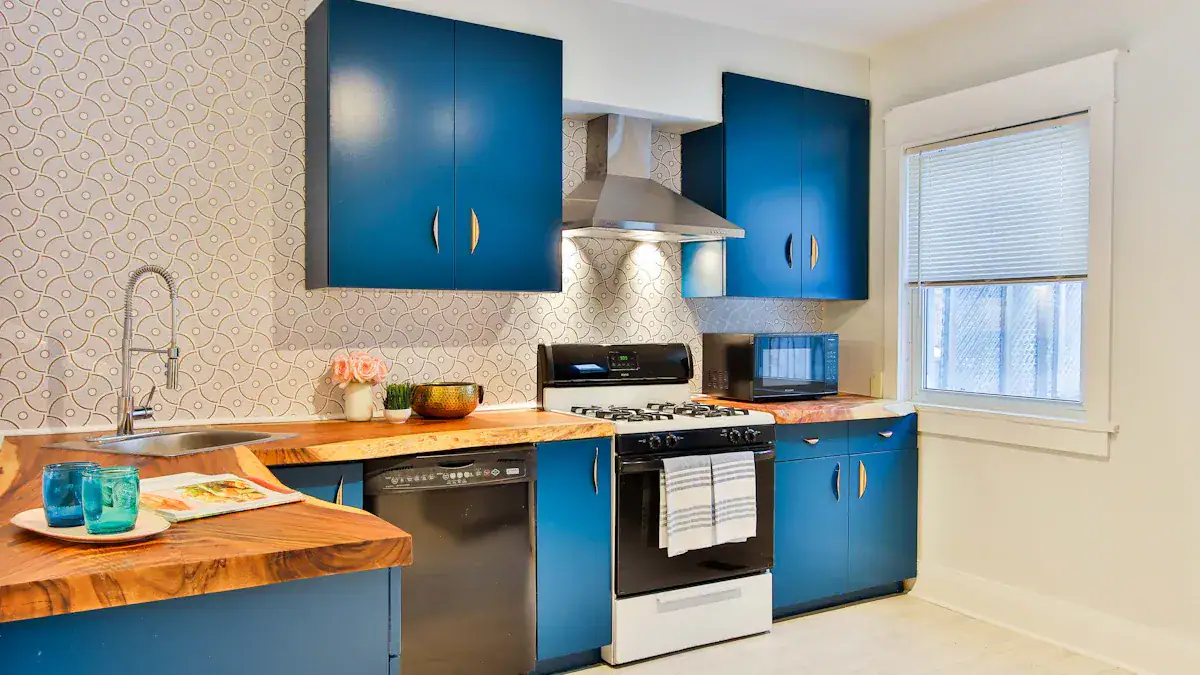
Choosing the best paint color for cabinets transforms your kitchen. You want colors that reflect your style. You also want colors that enhance your home’s overall look. This section helps you explore popular and trending color suggestions for your kitchen cabinets.
Timeless Neutrals: Whites, Greys, Greiges
Neutral colors offer a classic and versatile foundation for your kitchen. They provide a clean backdrop. You can easily change your decor around them.
White kitchen cabinets are a timeless choice. They offer a clean and fresh look. This suits both modern and traditional spaces. White cabinets reflect light. They make your kitchen feel larger and brighter. You can pair them with many colors, materials, and finishes.
Grey kitchen cabinets are modern and trendy. They provide a subdued and sophisticated appearance. Grey is ideal for contemporary, industrial, and minimalist designs. It brings depth and a sleek, edgy look to your space.
Consider these specific neutral recommendations:
Classic White (Pure/Warm): Pure white creates a crisp, bright feel. Warm white has subtle yellow or beige undertones. It offers a softer, more inviting look.
Greige (Warm Gray): Greige is a mix of gray and beige. It offers the best of both worlds. It provides warmth without being too dark. It also gives you a modern touch without being too cool.
Cool Gray (Blue-Gray): Cool gray has blue or green undertones. It creates a calm and serene atmosphere. This color works well in kitchens with natural light.
Trending Hues: Blues, Greens, Earth Tones
Beyond neutrals, many trending hues add personality to your kitchen. These colors bring warmth, calm, or vibrancy.
Blue and green cabinets are very popular. They offer a fresh take on kitchen design. Here are some specific trending blue and green paint colors:
Hale Navy (HC-154) by Benjamin Moore: This is a deep, rich navy blue. It has green undertones. It adds sophistication and warmth.
Farrow & Ball Stiffkey Blue (281): This bold and dramatic color adds depth. It works especially well in kitchens with ample natural light.
Sherwin-Williams Naval (SW 6244): This classic navy blue brings calm and stability. It is darker and less muted than Hale Navy.
Benjamin Moore Van Deusen Blue (HC-156): This deep, muted blue has gray undertones. It is versatile for modern and traditional designs.
Farrow & Ball Hague Blue (30): This unique deep, bold green-blue adds drama. It pairs well with brass or gold accents.
Sherwin-Williams Salty Dog (SW 9177): This vibrant and energetic blue adds a pop of color. It is suitable for contemporary spaces.
Benjamin Moore Newburyport Blue (HC-155): This medium-toned blue has gray undertones. It is a versatile choice for various design styles.
Behr Blueprint (S470-5): This muted and calming blue works well with both natural and artificial lighting.
Farrow & Ball Borrowed Light (235): This soft and airy light blue creates a fresh and inviting atmosphere. It is ideal for smaller kitchens.
Earth tones, like warm browns, terracotta, and muted greens, also create a cozy and grounded feel. They connect your kitchen to nature.
Bold Statements and Accent Colors
You can make a bold statement with your cabinet colors. You can also use accent colors to add visual interest. These choices create a unique and memorable kitchen.
Consider these effective strategies for incorporating bold or accent colors:
Statement Cabinetry: Use vibrant colors, unconventional materials, or unique finishes for your cabinets. High-gloss lacquered cabinets in rich hues can be a focal point. Matte finishes in deep, moody colors add drama.
Start Small with Accents: If you feel hesitant, begin with bold accents. Use backsplashes, islands, lighting fixtures, or open shelving. This adds visual impact without overwhelming the space.
Use Neutrals for Balance: Pair bold colors with neutral elements. Soft grays, whites, or natural wood tones provide balance. They allow vibrant cabinetry to stand out.
Primary and Secondary Colors: Select a dominant color for your cabinets. Complement it with secondary hues in furniture, countertops, or accessories. For example, use mustard yellow cabinets with neutral countertops and copper or teal accents.
Contrasting Tones: Create drama by pairing dark, moody tones with bright whites or metallic accents. Dark tones include deep navy or emerald green. Contrasts can also involve mixing matte with glossy finishes. You can also mix warm wood with cool stone textures.
Color Blocking and Accents: Paint distinct areas of the kitchen in different bold colors. You can use a royal blue island with soft gray cabinetry. Smaller accents like colored backsplashes or pendant lights can also punctuate the room.
Psychology of Color: Choose colors based on their psychological impact. Warm tones like yellows, oranges, and reds evoke energy. Cooler tones like blues and greens promote calmness. Neutrals can balance bold colors.
Two-Tone Cabinetry: Combine a dark base with lighter upper cabinets. You can also mix complementary colors to add dimension. For instance, navy lower cabinets with soft gray upper units create a grounded yet energetic look.
Matching Colors to Kitchen Style
Your kitchen’s overall style guides your cabinet color choices. Different styles call for different palettes.
Here is how different kitchen styles influence cabinet color choices:
Modern Farmhouse: Navy cabinets can feel both modern and farmhouse. This is especially true when paired with black counters and rustic white shiplap. Gray is a modern color. Using two different tones enhances this modern feel. It also maintains coziness with farmhouse elements. Matte black cabinets offer a cool and edgy modern touch. You can soften them with mid-tone wood counters and antique stools. Garden-inspired green cabinetry automatically makes a kitchen feel more modern. This is especially true when paired with galvanized steel. Sky blue islands brighten a crisp, modern kitchen design. Farmhouse details like white subway tiles and shaker-style cabinetry complement them. Lighter-color finishes on exposed wood cabinetry, trim, and beams contribute to a sleeker, more modern look.
Farmhouse: All-white cabinetry gives a timeless farmhouse feel. Whitewashed cabinetry, black metal hardware, and a mantel-like hood exude warmth and comfort in a farmhouse setting. Darker hardwood floors lean towards a traditional farmhouse style. White cabinetry and tile allow unique elements to shine in an updated farmhouse kitchen. Pops of blue can add interest to a classic white farmhouse kitchen without overwhelming the space.
Traditional: You often see rich wood tones, cream, or off-white in traditional kitchens. These colors create a warm and inviting atmosphere.
Modern/Contemporary: Sleek designs often feature white, black, or cool gray cabinets. You can also use bold, solid colors for a striking look.
Paints to Avoid for Cabinets
You want your kitchen cabinets to look great and last. Therefore, you must know which paints to avoid. Some paint types are simply not suitable for the demands of a kitchen. They will not give you the durable, beautiful finish you expect.
Standard Latex Wall Paint
You should not use standard latex wall paint on your kitchen cabinets. This paint has lower durability compared to other options. Kitchen cabinets experience frequent use. Latex paint may not withstand this wear and tear effectively. It can chip, scratch, and show marks easily. Achieving a smooth, flawless finish with latex paints on cabinets also demands extensive preparation. You need thorough cleaning, sanding, and priming. This adds complexity to your painting process. You will find it does not hold up well to daily kitchen life.
Traditional Oil-Based Paints
Traditional oil-based paints also present several drawbacks for kitchen cabinets. You will find these paints take a long time to dry. They can take about 16 hours or more between coats. This extends your project significantly. In areas with poor air circulation, drying can take days.
Consider these specific issues with oil-based paints:
High levels of VOC: These paints release volatile organic compounds (VOCs). VOCs are not eco-friendly. They can cause eye, nose, or throat irritations. You might experience shortness of breath, headaches, or dizziness. They also pose long-term health effects. You should not use them near food and utensils.
Strong Fumes: Oil-based paints emit strong chemical odors. These odors can linger for weeks. You must wear a mask during painting.
Limited Color Choices: You will find fewer color options available for oil-based paints.
Difficult Cleanup: These paints require harsh solvents like mineral spirits for cleaning. These solvents produce additional fumes.
You will find the long drying time inconvenient for quick kitchen makeovers. The strong fumes require good ventilation. This may not be feasible in all kitchen spaces.
Low-Quality, Inexpensive Options
You might feel tempted by low-quality, inexpensive paint options. However, you should avoid these for your cabinets. These paints often lack the necessary binders and resins. They do not provide a durable finish. They chip, scratch, and fade quickly. You will find yourself repainting sooner. They also do not offer good coverage. You will need more coats to achieve an even color. This means you spend more time and effort in the long run. Invest in quality paint for a lasting result.
Prep and Application for Flawless Finish
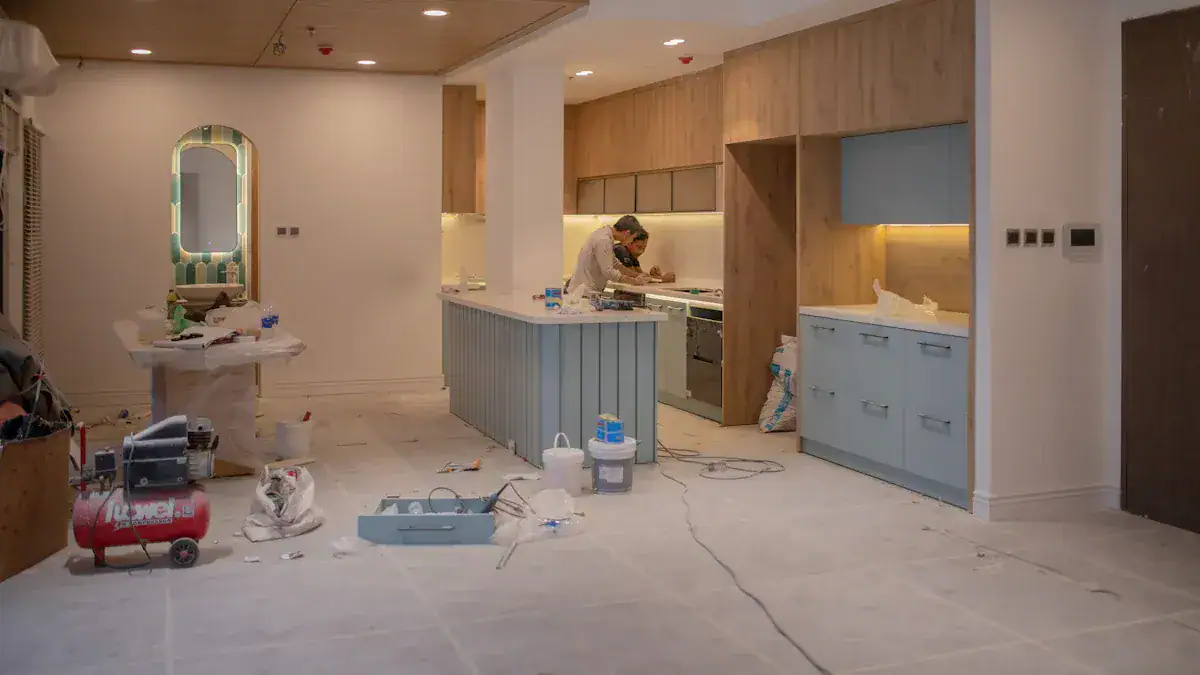
You want a professional-looking finish for your kitchen cabinets. Proper preparation and application techniques are crucial. These steps ensure your hard work lasts.
Essential Prep: Cleaning, Sanding, Priming
Thorough preparation makes a big difference. First, gather your supplies. Clear the area, remove cabinet doors and hardware, and cover your floors. Ensure good ventilation.
You must clean your cabinets well. Use warm water with degreasing dish soap for grease. Natural options like white vinegar and water also work. Store-bought degreasers like Krud Kutter are effective. Tackle tough stains with a plastic scraper or rubbing alcohol. Rinse thoroughly with clean water. Let everything dry completely for at least 1-2 hours. Moisture harms paint adhesion.
After cleaning and drying, lightly sand your cabinets. Use 120–150 grit sandpaper. This helps primer stick better and smooths imperfections. Always wipe down the sanded surface with a tack cloth to remove dust. Cleaning before sanding prevents grinding grease deeper into the surface.
Priming is a vital step. It ensures proper paint adhesion and prevents chipping. It also covers stains. Apply a uniform coat of primer. KILZ 3® PREMIUM Primer is a good choice. Use a brush for corners and a mini foam roller for surfaces. A paint sprayer works well for doors. After the primer dries, lightly sand again. This ensures a smooth finish before painting. This is the best primer for kitchen cabinets.
Choosing the Right Tools
Selecting the right tools helps you achieve a smooth finish. Each tool has its strengths.
Tool | Pros for Smooth Finish | Cons for Smooth Finish | Recommended Use |
|---|---|---|---|
Sprayer | Delivers a smooth, even finish; efficient | Requires practice; extensive preparation | Preferred choice for most cabinet painters |
Roller | Provides a relatively even finish; good for large surfaces | Leaves a slight texture; not suitable for intricate details | Ideal for broad, flat areas; often used with brushes |
Brush | Excellent for detail work, corners, crevices | Time-consuming for entire job; can result in visible brush strokes | Detail work, corners, crevices, interior of cabinets |
A sprayer offers the smoothest finish. Rollers work well for flat areas. Brushes are best for details.
Proper Application Techniques
You can avoid brush marks and drips with good technique. Thorough preparation is crucial. This includes cleaning your cabinets with a grease-cutting cleaner. You can skip sanding if you use appropriate cleaning products and modern cabinet paints. These paints are designed for adhesion without sanding. Ensure the surface is clean and dry.
Use the right paint and brushes. Oil-based enamel paints are good for cabinets. They level well and dry hard. For brushes, choose a high-quality angled brush with soft bristles. This minimizes brush marks. Rough bristles create prominent imperfections.
Apply thin, even layers of paint. Thick coats dry unevenly and show brush marks. Allow each thin coat to dry completely before applying the next. Insufficient drying time leads to uneven brush marks. Oil-based paints need about 24 hours between coats. Latex paints require about 4 hours. You generally do not need a top coat with high-quality cabinet paints.
Curing Time and Maintenance
Drying and curing times vary. They depend on paint type, humidity, and temperature. After the final coat, wait 24-48 hours before reassembling cabinets. This ensures the paint is dry to the touch. For full curing, the paint needs up to a week to fully harden. High-quality finishes often require longer curing periods. You typically do not need a top coat for added protection.
You now understand the importance of selecting the right paint. This guide provided insights into top brands, trending color choices, and crucial preparation techniques. You can confidently embark on your painting project. A fresh coat of the best kitchen cabinet paint dramatically transforms your kitchen. It elevates its aesthetic and increases its value.
FAQ
What is the best type of paint for kitchen cabinets?
You should choose a durable, hard paint. Urethane alkyd enamels or waterborne alkyds are top choices. They resist chips and scratches. These paints also offer a smooth, long-lasting finish. They stand up well to daily kitchen use.
What paint brands do professionals recommend for cabinets?
Professionals often recommend Benjamin Moore Advance and Sherwin-Williams Emerald Urethane. Behr Urethane Alkyd is also a strong option. For a factory-like finish, consider professional-grade systems like Renner or ChemCraft. These brands offer excellent durability.
What colors are popular for kitchen cabinets?
Timeless neutrals like whites, grays, and greiges remain popular. Trending hues include blues, greens, and earth tones. You can also use bold accent colors to make a statement. Choose colors that match your kitchen’s style.
What paints should you avoid for cabinets?
You should avoid standard latex wall paint. It lacks durability for cabinets. Also, do not use traditional oil-based paints. They have high VOCs and long drying times. Low-quality, inexpensive options chip and fade quickly.