

Do you feel frustrated when clutter quickly returns after you organize? Many people do. An online survey reveals 57% of individuals feel stressed by their unorganized homes. You also lose valuable time; Americans spend 1.5 hours each month searching for lost items, adding to the clutter. True long-term organization builds sustainable systems. This post provides actionable strategies for smart storage and effective decluttering. You will learn to create lasting order. This storage system works with your habits. It prevents future clutter and turns your home into a sanctuary.
Foundations for Lasting Organization
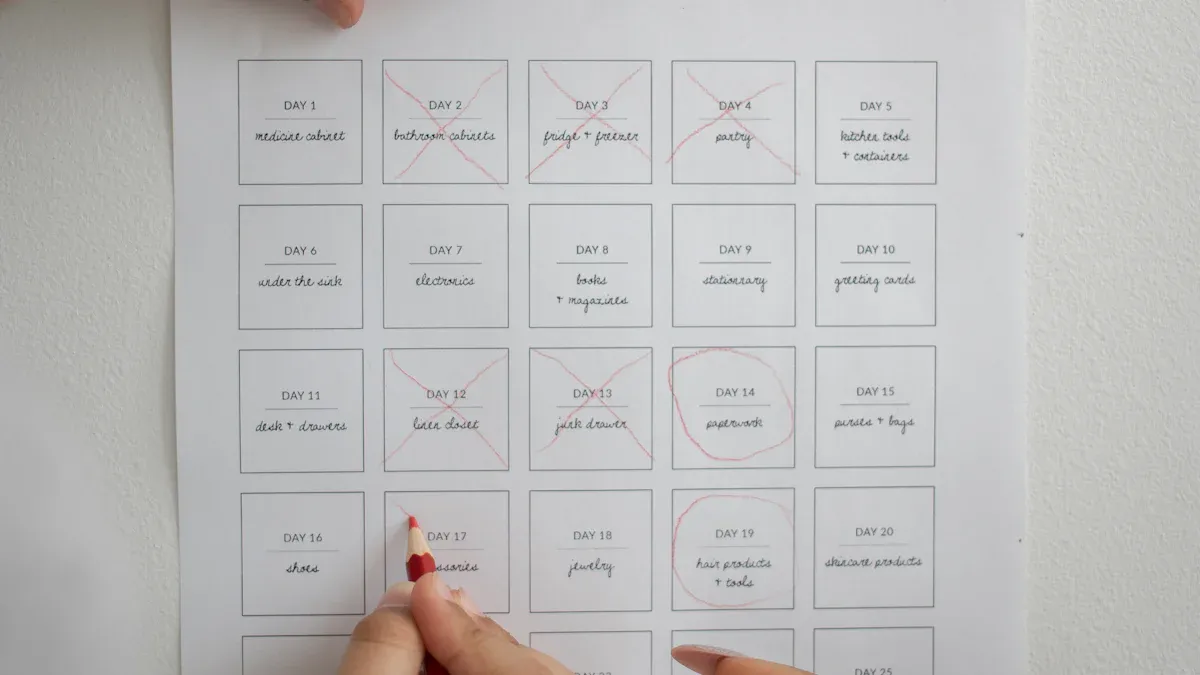
Building an organized home starts with strong foundations. You need to understand your belongings, your living areas, and your personal habits. This approach creates a sustainable system.
Purposeful Decluttering
You must first decide what you truly need and use. This is not just about throwing things away. It is about making intentional choices. Many methods help you achieve decisive decluttering. For example, the KonMari Method asks if an item “sparks joy.” This helps you choose what to keep. The Four Box Method sorts items into “Put away,” “Give away,” “Throw away,” and “Undecided” categories. This straightforward approach gives you flexibility. You can also try the “one-year rule.” If you have not used an item in a year, you likely do not need it. This thoughtful process reduces clutter and makes room for effective storage.
Analyzing Your Space and Flow
Next, you need to understand your home’s space. Look at how you move through your rooms. Identify high-traffic areas. These are places where clutter often builds up. You can visualize movement patterns. Think about how long you spend in certain zones. This is called dwell time. Understanding these patterns helps you design better storage solutions. For instance, you might notice a bottleneck near your entryway. This indicates a need for a specific storage system there. Analyzing your space helps you see where items accumulate. It shows you where you need to create a dedicated home for things.
Identifying Your Organizational Style
Everyone organizes differently. You might be a “piler,” someone who stacks items. You might be a “filer,” someone who prefers things neatly categorized in containers. Or you might be a “hider,” someone who puts things away behind closed doors. Knowing your style is crucial. If you try to force a system that does not match your natural tendencies, clutter will return. For example, if you are a piler, open shelves with baskets might work better than closed cabinets. Your storage solutions should work with your habits, not against them. This ensures your organized space remains functional.
Designing Smart Storage Solutions
You have decluttered and understood your space. Now, you design smart storage solutions. These solutions keep your home organized for the long term. This step involves creating systems that work for you.
Assigning a Home for Every Item
Every item in your home needs a specific place. This is the “home for everything” principle. When everything has its place, you spend less time searching. This streamlined process increases your productivity. It also saves you time. An organized environment allows you to work more efficiently. This leads to time savings. A well-organized space promotes a sense of control. It reduces stress. You will experience enhanced focus and concentration. Organization minimizes distractions. This allows better focus on tasks. You also improve time management. Prioritizing tasks and maintaining a schedule prevents procrastination. A well-organized system provides clarity. This makes it easier to make informed decisions. You achieve goals more easily. Organizing priorities and tasks aligns efforts with goals. This increases your chances of achievement. You must train yourself to put things back in their specific spot. Do this as soon as you finish using them. This habit keeps your system effective over time. It prevents disorganization from returning. Visual cues, like post-it notes, can help. They reinforce this habit until it becomes second nature. This smart storage approach makes your life easier.
Maximizing Vertical Space
You can significantly increase your storage capacity by using vertical space. Look up! Walls offer valuable real estate for storage. Floating shelves are a great option. In the kitchen, you can organize cookware for easy access. You can create a stylish coffee bar. Display dinnerware and glassware. Cultivate a mini herb garden. Showcase cookbooks. Maximize storage with corner shelves or unused wall space. In the bedroom, display decorative items. These include sculptures, vases, or framed photos. Create a floating bookshelf. Floating shelves serve as a modern alternative to a bedside table. Organize and display collections. Form a vanity area above a dresser for perfumes and jewelry. They provide extra storage for miscellaneous items. In living areas, floating shelves function as a fireplace mantel. Metal ones offer heat protection. Establish a chic bar area for glassware and bottles. Highlight decor and artwork. Create a visually appealing book display. Showcase cherished collectibles or memorabilia.
Consider other innovative ways to use vertical space. Utilize tall headboards. These can be 63 inches high. Use vertical wallpaper drops. This creates a trompe l’oeil effect. It makes rooms with low ceilings feel larger. Implement floor-to-ceiling built-in shelves. Use them for books, collectibles, and barware. This makes ceilings appear taller. It “wraps the room” in storage. Extend curtains all the way up. Go beyond window casings. This accentuates verticality. It gives the impression of greater height. Transform wall cavities. Awkward closets under stairs can become tidy niches. Stack appliances like washer-dryers and wine fridges there. Incorporate library ladders. They provide access to loft storage areas above sitting spaces. These strategies maximize your available space.
Containment with Best Storage Containers
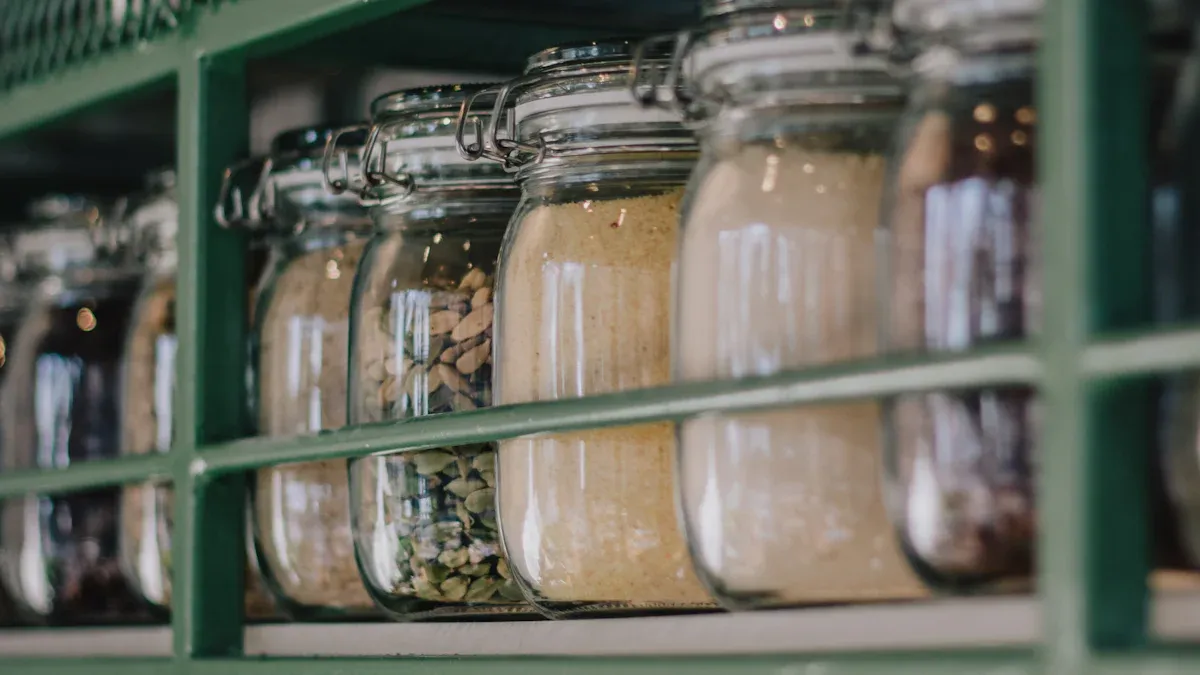
Containment is key to organized storage. Bins, baskets, and drawer dividers categorize items. They keep things tidy. When choosing storage containers, consider durability and functionality. Lab tests show stainless steel and glass containers are durable. They are airtight and leakproof. Stainless steel is lighter and more portable. It is often oven-safe. Glass offers visibility. It is microwave compatible. You can eat directly from the container. Plastic containers are generally not recommended. Research shows environmental and health risks. They can leach toxic chemicals. This happens when exposed to heat. It also happens when storing fatty, acidic, or alkaline foods. Silicone containers are lightweight. They are often collapsible. But tests showed problems. Lids were difficult to attach. Seal integrity was poor. This led to leaks.
For general storage bins, high-density polyethylene (HDPE) is recommended. It works well in cold environments. It withstands temperatures below zero without becoming brittle. Polypropylene (PP) plastic becomes brittle in freezing temperatures. This makes it unsuitable for cold storage. Examples like the Rubbermaid Action Packer and Homz Durabilt use HDPE. They are durable. They withstand weather and heavy use. You can also use clear plastic storage bins. These allow you to see contents at a glance.
Drawer dividers keep smaller items organized.
Divider Type | Key Features | Practical Applications |
|---|---|---|
DIOMMELL Adjustable Drawer Dividers | Adjustable (13.5-17″), bamboo & plastic blend, secure locking mechanism, rubber pads | Bedroom dressers (socks, underwear), kitchen drawers (cutlery, utensils), bathroom drawers (toiletries, makeup), office drawers (supplies) |
mDesign Plastic Kitchen Drawer Organizer Tray | Modular interlocking bins of varying sizes, clear BPA-free plastic, stackable, textured bottoms | Kitchen (cutlery, cooking utensils), office (supplies), craft items |
OXO Good Grips Expandable Drawer Organizer | Expandable (9.6-18.9″), modular compartments, non-slip feet, durable plastic | Kitchen (cutlery, utensils, gadgets), office (pens, staplers), bathroom (makeup brushes), craft room (art supplies) |
SimpleHouseware Closet Underwear Organizer Divider | Set of 4 fabric organizers, reinforced sides, pre-sized compartments, foldable | Closet (socks, underwear, bras, small clothing items) |
Joseph Joseph DrawerStore Expandable Cutlery Tray | Expandable (14.5-20″), staggered layout, dedicated sections | Kitchen (cutlery) |
Bambusi Bamboo Drawer Dividers | Adjustable, natural bamboo | General household organization |
These various containers and dividers help you maintain order. |
Prioritizing Accessibility
You must place items where you can easily reach them. This is prioritizing accessibility. Put frequently used items at eye level. Store less-used items higher or lower. This creates an accessible storage zone. Optimize your workspace layout. Arrange workstations to minimize unnecessary movements. Ensure easy access to frequently used items. This reduces strain and fatigue. It allows for better focus on tasks. Ensure adequate space and lighting. This contributes to a comfortable and productive environment.
Position frequently used items between waist and shoulder height. This prevents excessive bending or stretching. Utilize pull-out drawers and lazy Susans. These features enhance reachability. They minimize the need for forward bending. Opt for lightweight and clear containers. These are easy to lift. They allow quick identification of contents. Incorporate soft-close mechanisms. These reduce jarring movements. They reduce the need for forceful closures. Design for adaptability. Include adjustable features. Height-adjustable chairs or multi-size grips accommodate diverse users. Consider factors like age, hand size, strength, and physical limitations. Apply standard human body dimension data. Use average hand circumference and reach distances. This determines optimal product sizes and ranges. This thoughtful approach makes your storage system truly functional.
Maintaining Your Organized Space
You have designed smart storage solutions. Now, you must maintain your organized space. This ensures your efforts create a truly long-term system. Consistent habits keep clutter away.
Starting Small to Organize Effectively
You can feel overwhelmed when you face a large organizing project. Start small. Pick one drawer, one shelf, or one small area. This approach builds momentum. You achieve success quickly. This encourages you to continue.
Consider these effective strategies for starting small:
Frequent Decluttering Sessions: You should regularly purge items. Do this especially when closets or storage containers feel full. Take everything out. Assess what you have not used. Remove it promptly.
Selective Purchasing: Avoid buying in bulk for items like paper towels or toilet paper in small spaces. Storage becomes an issue. Opt for smaller quantities. You can store these practically.
Utilize Medicine Cabinets: These are highly practical storage containers. You can organize small items by category, height, or color. This makes it easy to see what you have.
Aesthetic Storage Boxes: Use attractive storage containers for important documents and keepsakes. These can blend with your decor. They keep essentials safe and easily accessible.
Maximize Closet Doors: Install over-the-door organizers. Use them for shoes, purses, or other items. This utilizes vertical space effectively. You gain more storage, even if it means a slightly cramped reach inside the closet.
The “One In, One Out” Rule
You acquire new items. Implement the “one in, one out” rule. When you bring something new into your home, you must remove an old item. This prevents new clutter from accumulating. This simple rule helps you manage your possessions. It maintains your organized space.
You can adapt this rule for greater impact:
Cross Categories of Items: You do not need to discard an item from the same category as a new one. You can get rid of something from a different category. This could be a broken appliance or an unwanted book.
Increase the Ratio of Items Out: Modify the rule to “two in, two out” or even “one in, five out.” This accelerates decluttering.
Get Rid of Unwanted Items Even Before Shopping: Declutter before you go shopping. This ensures you have space for new items. It also helps you avoid forgetting to discard items later.
Regular Reviews and Adjustments
Your life changes. Your organizational system must adapt. Schedule regular reviews. You can do this quarterly or bi-annually. During these reviews, you declutter. You re-evaluate your systems. You adjust them as your needs change.
You know your organizational system needs adjustment when you see certain indicators:
Environmental Scanning: External factors signal a need for organizational shifts. These include new technologies or changing demands.
Internal Signs: High turnover, declining productivity, or missed targets often indicate structural issues. These show outdated organizational designs.
Benchmarking Against Competitors: You consistently fall short of performance goals. You lose market share to competitors. This suggests your current organizational structure is ineffective.
Indicators for organizational effectiveness vary. They depend on your organization’s model, specific goals, and type. You must understand these factors. This helps you make informed adjustments to your storage solutions.
Digital Organization Principles
Physical clutter is not the only problem. Digital clutter also creates stress. You can apply similar principles of categorization and regular maintenance to your digital files, emails, and photos. This creates a long-term organized system.
For digital files, establish a clear folder hierarchy. This creates a logical structure. You arrange folders from broad to specific. Use clear and consistent naming conventions for files. Include relevant information like date or project name. This facilitates searching. Implement metadata. Add relevant tags or keywords. This enhances searchability and categorization. Organize documents based on their function. This streamlines workflows. It eases retrieval of related documents. Utilize digital document management software. These have features like version control and robust search capabilities. They automate organization. Implement a centralized storage system. Cloud-based solutions offer flexibility and accessibility. Regularly review and purge obsolete files. This helps you declutter your digital space. Use automation for routine tasks. This saves time.
You can manage email clutter and digital photos effectively.
Google Photos: This offers backup and organization using AI. It categorizes photos by people or places. It has Photo Stacks. These identify and group similar photos. It selects the best one. It also automatically categorizes documents like receipts.
Gmail’s tabbed inbox and smart features: These help you sort and manage emails effectively.
For managing digital photos, you can:
Delete obvious extras: Remove duplicates, blurry shots, and unwanted screenshots.
Create simple albums: Use broad categories like Family, Work, Travel, and Inspiration.
Try the ‘Daily Delete’: Regularly search your photo library by date. Delete unneeded photos.
For managing email clutter, you can:
Unsubscribe ruthlessly: Search for ‘unsubscribe’. Curate your subscriptions. Make this a daily habit.
Create simple folders or flags: Use functional categories like Needs Action, Fun Stuff, and Reminders.
Aim for ‘inbox calm’: Regularly archive and curate emails. Set aside time monthly for review.
Apps also help manage digital photos. Gemini Photos scans photos for clarity. Smart Cleaner helps weed out unwanted images. Slidebox assists in sorting and managing digital photos. These tools help you maintain your digital space.
Effective long-term organization is a continuous process. It involves mindful decluttering, strategic design, and consistent maintenance. This leads to reduced stress and increased efficiency. You learned about understanding your needs, smart storage design, and ongoing commitment to maintain order. View organization as a tool for a peaceful home, not a chore. Invest in smart storage habits and effective storage solutions. Create a home that supports your life. This brings lasting benefits from better storage.