You often face the challenge to remove gel stain from wood. You need effective ways to remove wood stain. This guide shows you how to remove wood stain. We cover primary methods. These include chemical stripping and sanding. They teach you how to strip stain from wood. You can also learn how to remove wood stain from furniture.
Always prioritize safety for your wood projects. This ensures successful wood stain removal. Your wood piece will look its best. Removing old stain from wood requires careful work.
Understanding Gel Stain Removal
What Makes Gel Stain Unique
Gel stain stands apart from other wood stains. It has a thick, jelly-like feel. This high thickness means it does not run or drip easily. You get more control when you apply it to wood. This is very helpful on vertical wood surfaces. Traditional liquid stains often run on these surfaces. Gel stains are also thixotropic. This means they become thinner when you stir them. They thicken again when still. This unique quality limits how much they soak into the wood. Their thicker consistency helps you apply them smoothly. They are less likely to cause blotches on uneven wood grain. This makes them a good choice for many wood projects. You can achieve a consistent finish on various types of wood. This makes it a distinct challenge when you need to remove gel stain.
Why Traditional Methods May Fail
You might find it hard to remove gel stain with old methods. Gel stains were first made for raw wood surfaces. Raw wood has an open surface. It can absorb some of the stain. But gel stain does not soak deep into the wood like oil stains. Oil stains have a thinner consistency. They penetrate deep into the wood. Gel stain mostly sits on the surface of the wood. If you apply gel stain over existing sealed finishes, it takes much longer to dry. The stain cannot soak into the wood surface. This means traditional methods for how to remove wood stain might not work well. They often target stains that have soaked deep into the wood. To remove wood stain that sits on top, you need different techniques. This is why simple sanding or light stripping may not fully remove gel stain. You need specific methods for stripping this type of stain from your wood. Its surface application makes it behave differently from penetrating stains.
Essential Tools and Safety Gear

Removing gel stain from wood requires the right equipment. You need specific tools to do the job well. You also need to protect yourself. Safety is very important when you work with chemicals or sand wood.
Must-Have Stripping Tools
Gather your tools before you begin. You will need several items to remove the gel stain effectively.
Putty knives: These help you scrape off softened gel stain from the wood surface. Choose plastic ones to avoid scratching the wood.
Thick coarse scrubbing pad: Use this to scrub away stubborn stain residue. It works well on flat areas.
Steel wool: This is good for detailed areas and for rubbing off remaining stain.
Rough sponge: A rough sponge can help apply and remove stripper, especially on curved wood pieces.
Old toothbrush: This tool is perfect for getting into small crevices and intricate designs on your wood furniture. It helps remove stain from tight spots.
Crucial Personal Protective Equipment
Your safety comes first when you remove gel stain. Chemical strippers can be harsh. Wood dust from sanding can also be harmful. Always protect your body.
Gloves: Wear chemical-resistant gloves. Methylene chloride (MC) can corrode many materials. Polyethylene or ethylene vinyl alcohol gloves offer good protection. Latex and nitrile gloves do not protect enough. These gloves prevent skin contact with hazardous chemicals.
Eye Protection: You must wear goggles. A full-face mask also provides extra protection. This keeps splashes from wood treatment solutions and strippers out of your eyes.
Respirator: Use a respiratory mask. This filters out wood particles. It also protects against toxic fumes and chemical vapors from strippers. If you use a stripper with methylene chloride, a self-contained respirator unit may be necessary if ventilation is poor.
Protective Coveralls: Wear protective coveralls. These are essential for maximum prevention against risks. They protect you from splashes of dangerous dusts or liquids. Employers should provide these for workers exposed to methylene chloride. Disposable coveralls can reduce chemical exposure.
Ensure good ventilation in your work area. Open windows and doors. Use fans to move air. This helps clear fumes and dust. Protecting yourself ensures a safer project when you remove old stain from your wood.
Chemical Stripping to Remove Wood Stain
Choosing the Right Stripper
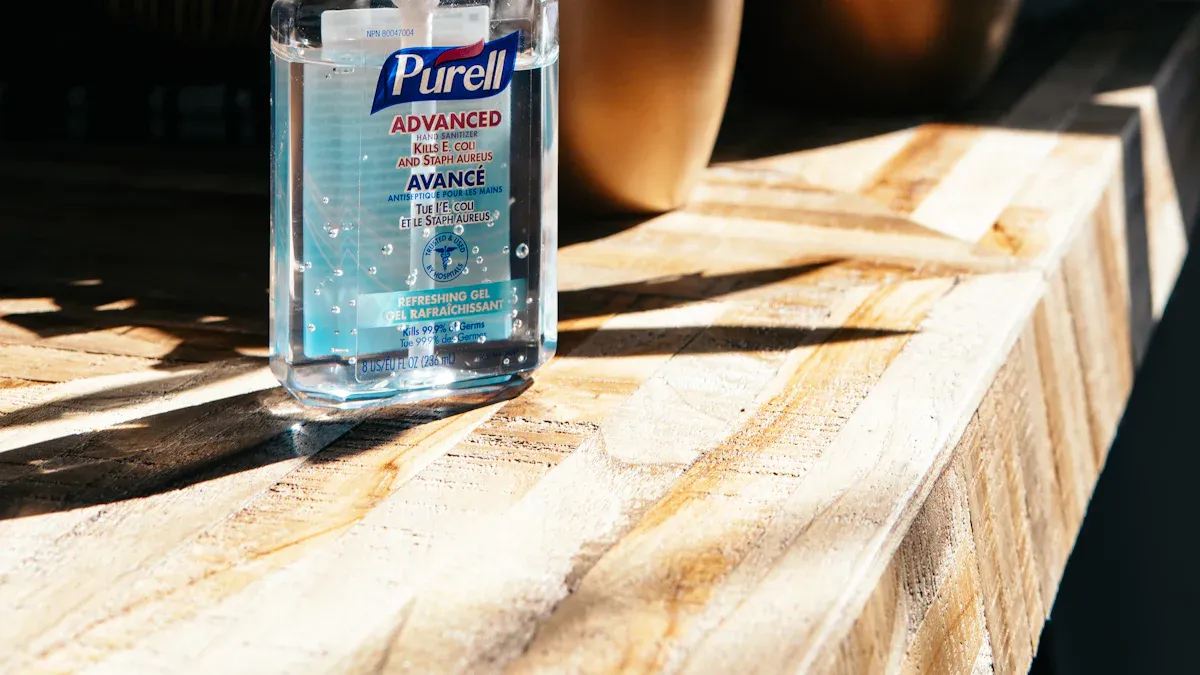
You need to select the correct chemical stripper to effectively remove gel stain from your wood. Different strippers contain various active ingredients. These ingredients work in specific ways to break down the stain. For example, some strippers use ethoxylated alcohol. This acts as a cleaning agent. It loosens dirt and deposits from surfaces. It also helps prevent formula separation. Sodium dodecylbenzene sulfonate is another common surfactant. It removes deposits by surrounding particles. Citric acid improves cleaning. It adjusts the pH for optimal performance. Sodium hydroxide also enhances cleaning. It makes the formula more alkaline for grease removal.
You can find many effective products on the market. CITRISTRIP and SmartStrip are popular choices. These products are often less harsh than older, solvent-based strippers. Always read the product label carefully. It tells you what type of stain the stripper works best on. It also provides safety instructions. Choosing the right product is the first crucial step in chemical stripping.
Step-by-Step Chemical Stripping
Chemical stripping is an effective way to remove gel stain. Follow these steps carefully for the best results.
Prepare Your Work Area: Lay down drop cloths or old newspapers. This protects your floor or workbench. Ensure you have good ventilation. Open windows and use fans.
Apply the Stripper Heavily: Pour a generous amount of your chosen stain remover onto the wood surface. Use a brush to spread it. Apply a thick, even layer. You want the stripper to sit on top of the stain. Do not brush it too thin.
Cover with Cellophane: Once you apply the stripper, cover the treated area with plastic wrap or cellophane. This prevents the stripper from drying out too quickly. It allows the chemicals more time to work on the stain. Let it sit for the time recommended by the manufacturer. This can be several hours or even overnight.
Remove the Softened Stain: After the waiting period, remove the cellophane. You will see the gel stain bubbling or softening. Use a plastic putty knife to gently scrape away the softened stain and stripper. Work in small sections. For intricate areas, an old toothbrush helps you get into crevices. A thick, coarse scrubbing pad can also help remove stubborn bits from flat wood surfaces.
Repeat if Necessary: Sometimes, one application is not enough. If you still see stain residue, repeat the application steps. Apply more stripper, cover, and scrape again. This ensures you remove wood stain completely.
Cleaning After Stripping
After you remove the bulk of the stain, you need to clean the wood surface. This step neutralizes any remaining chemical residue. It also prepares the wood for its new finish.
Neutralize the Stripper: Always check the manufacturer’s instructions for your specific stripper. Many recommend cleaning with mineral spirits or denatured alcohol. For caustic strippers, mix equal parts vinegar and water. Dip a soft rag into this solution. Gently wipe the wood. The vinegar’s acidity counteracts caustic elements. For solvent-based strippers, use a rag soaked in mineral spirits. This removes any remaining residue.
Wipe with Water: After initial residue removal, wipe the wood again. Use a rag and clean water. This helps remove any lingering chemicals.
Dry Thoroughly: Allow the wood to dry completely. This can take one to two days. Check for any lingering stripper odor. If you smell it, repeat the neutralization process.
Inspect and Touch Up: Inspect the wood for any missed spots. Touch them up as needed. This ensures a clean surface.
You must dispose of chemical stripper waste and gel stain residue properly. Never pour stripper or residue down drains or toilets. This prevents water contamination. Follow manufacturer guidelines. They often advise drying residue and mixing it with absorbent material. Seal it in leak-proof containers. Take this waste to hazardous collection facilities. Always comply with local regulations. Contact your local waste management for specific rules. Many areas offer special collection events. Do not pour waste onto the ground. Do not mix it with regular trash. This protects the environment.
Sanding: How to Strip Stain Effectively
Sanding is a powerful method for removing gel stain from wood. You can use it alone or after chemical stripping. It helps you achieve a smooth, clean surface.
When Sanding is Appropriate
You might wonder when to use sanding. Sanding is perfect for removing any remaining residue. This happens after you use a chemical stain remover. Sometimes, chemical stripping does not get all the stain. Sanding finishes the job. It also works well if you have a thin layer of gel stain. You can use it if the stain has not soaked deep into the wood. For intricate woodwork, you can apply a stain remover with an old toothbrush first. Then, you can sand the larger, flatter areas. Sanding helps you achieve a uniform surface. It prepares the wood for a new finish.
Proper Sanding Techniques
Effective sanding requires careful steps. You want to remove the stain without damaging the wood. Follow these steps for the best results.
First, always place your random orbital sander on the wood surface before you turn it on. This reduces the chance of gouges. Keep the sanding pad flat on the surface of your project. This prevents swirl marks. Swirl marks happen when you apply pressure to one edge. Maintain a low grip on the sander. Grasp the sanding pad lower. This helps you avoid accidentally applying side pressure.
Move the sander gradually. Aim for about one inch per second. This maintains a smooth finish. It also prevents over-sanding in one spot. Do not frequently stop and restart the sander. This can lead to an uneven surface. Apply uniform, light pressure. Keep a steady hand on the machine. Move the sander slowly. A rate of about 12 inches per 20 seconds creates dense swirls. These swirls are less noticeable.
Sanding Grits and Uses
Choosing the right sanding grit is crucial. Grits are numbers that tell you how coarse or fine the sandpaper is. Higher numbers mean finer grit.
You should use high-grade sanding discs. They resist clogging better. They are also more efficient. This reduces the chance of divots and marks on your wood. Select the correct abrasive grain. For woodworking, open-coat aluminum oxide is a good choice.
Start with a lower grit. Then, progressively work your way up to finer grits. This helps you avoid swirl marks. For example, 60 grit is good for removing a lot of material. It is for stock removal. 220 grit is for polishing and smoothing the wood.
Progress through appropriate grits. Do not skip any. A common sequence is 80, 120, 150, 180, then 220. After you use each grit, blow off the residue from the previous grit. This prevents coarser particles from scratching the wood when you move to a finer grit. For finish sanding, use a sander with a 5/32″ orbit. A 5/16″ orbit can cause more swirl marks. Start with a coarse enough grit. For example, use 80 or 100 grit after planing. This removes defects. About 90% of the work happens with this first grit. This careful stripping process helps you remove wood stain effectively.
Techniques to Remove Stubborn Gel Stain
Sometimes, gel stain proves very difficult to remove. You need advanced techniques for these stubborn cases. Combining methods often gives you the best results.
Integrating Stripping and Sanding
You get the best results when you combine chemical stripping and sanding. First, you apply a chemical stripper. This removes the top layers of varnish, sealer, and the gel stain itself. Chemical strippers penetrate deepest into the wood. They are most effective for the majority of jobs. Sanding alone is only sufficient for surface stains. After the chemical stripper has done its work, you follow up with sanding. This finishes the surface preparation.
After chemical stripping, you might notice the wood grain has risen. Lightly sand the wood with 220-grit sandpaper. This smooths out the raised grain. Then, wipe the surface with a damp cloth. Allow the wood to dry completely. Sand the wood one more time. This ensures a perfectly smooth surface. This two-step approach helps you effectively remove gel stain. It also prepares the wood for a new finish.
Addressing Deeply Penetrated Stain
You might find hardened, thick layers of gel stain. These layers can be very stubborn. They resist normal stripping. For these tough spots, you can rub down the wood with certain solvents. Use naphtha, paint thinner, or turpentine. Apply one of these solvents to a clean rag. Rub the affected areas of the wood. These solvents help to soften and dissolve the old stain. This makes it easier to remove wood stain that has deeply penetrated the wood. Always ensure good ventilation when you use these products. They help you tackle the most challenging gel stain removal projects.
Common Problems and Troubleshooting
You might face some challenges when you remove gel stain from wood. Knowing how to fix these issues helps you get the best results.
Dealing with Incomplete Removal
Sometimes, gel stain remains after your first attempt. Do not worry. This is common. If you see brown tones or uneven patches, you have leftover residue. Wipe the entire wood surface with denatured alcohol. This removes the residue. Let the wood dry completely. Then, reapply fresh stripper. Let it sit longer, about 20-25 minutes. Scrape again, focusing on those darker areas. For dark corners and edges, apply extra stripper. Use a small artist’s brush. Let it sit for about 5 minutes longer than on flat areas. Work an old toothbrush into the grain. This ensures the stripper penetrates. This helps you effectively remove wood stain.
Preventing Wood Damage
Protecting your wood is important. Always use plastic putty knives. Metal ones can scratch the wood. When sanding, start with a finer grit if you are unsure. Avoid aggressive sanding. This prevents gouges. If you have extra tough finishes, like multiple layers of polyurethane or varnish, use a heavy-duty stripper. Let it sit for 25-30 minutes. You might need to repeat this 2-3 times. You can also lightly sand the surface with 80-grit sandpaper first. This breaks the varnish seal before you apply stripper. A heat gun can soften varnish for scraping. Be very careful with a heat gun. It can scorch the wood or cause a fire. Consider a two-stage approach. Remove the varnish layer first. Then, apply fresh stripper for the stain underneath.
Managing Stripper Residue
After stripping, you must clean the wood. This removes any remaining residue. For wet excess gel stain, use mineral spirits with paper towels before it dries. For residue and leftover gel stain, apply mineral spirits to steel wool or a rough sponge and rub. After removing most of the stain and stubborn bits, clean and neutralize the wood surface. Check the manufacturer’s instructions for the recommended cleaning agent. This is often mineral spirits or denatured alcohol. Go over the entire surface with a damp tack cloth. Allow the wood to dry for a full day or two. Do this before you proceed with any further steps. Scan for any missed spots. Touch them up. If stubborn bits remain, scrub with fine steel wool (#0000). Move with the wood grain. For tight spots, wrap steel wool around a small dowel. This ensures a clean wood surface.
Post-Stripping Wood Preparation
After you finish the hard work of removing gel stain, you must prepare the wood surface. This step ensures your next finish looks great. Proper preparation makes a big difference.
Cleaning the Wood Surface
You have successfully removed the old stain. Now, you need to clean the wood thoroughly. This removes any remaining stripper residue or dust. First, wipe the entire wood surface with a clean cloth. You can dampen the cloth with mineral spirits or denatured alcohol. This helps neutralize any lingering chemicals from the stripping process. Make sure you wipe with the grain of the wood. This prevents streaking. After this, use a fresh, dry cloth to wipe the wood again. You want to remove all traces of cleaner. Allow the wood to dry completely. This can take a day or two. A clean wood surface is crucial for the next steps.
Preparing for a New Finish
Your wood is now clean and dry. You need to prepare it for a new finish. Inspect the wood carefully. Look for any small areas of remaining stain or rough spots. If you find any, you can lightly sand them. Use fine-grit sandpaper, like 220-grit. This smooths the wood. Sanding also helps the new finish adhere better. After sanding, use a tack cloth to remove all dust. This ensures no particles remain on the wood. You want a perfectly smooth and dust-free surface. This final preparation step is vital. It ensures your new finish looks professional. You have done the hard work to remove wood stain. Now, the wood is ready for its new look after stripping.
You now understand effective stripping techniques to remove gel stain from wood. This guide showed you how to tackle stubborn stain from your wood. Remember, patience, proper tools, and safety are crucial when working with wood. You protect yourself and your wood. Confidently approach your wood projects. Enjoy the rewarding outcome of beautifully restored wood. Your wood will look amazing, free from old stain. This process transforms your wood.
FAQ
Can I remove gel stain without chemicals?
Yes, you can try sanding. Sanding works best for thin gel stain layers. It also helps with surface residue. However, chemical strippers often work faster. They are more effective for thicker or older gel stain on your wood.
How long does gel stain removal take?
The time varies. It depends on your project size. It also depends on the gel stain’s thickness. Small pieces might take a few hours. Larger furniture can take a full day or more. You might need multiple applications for stubborn areas of wood.
What if gel stain is very old?
Old gel stain can be tough. Apply chemical stripper multiple times. Let it sit longer each time. For very hardened layers, use solvents like naphtha. These help soften the old stain. This prepares the wood for easier removal.
Do I need to sand after stripping?
Yes, you should sand after stripping. Sanding removes any remaining residue. It also smooths the wood surface. This prepares the wood for a new finish. Use fine-grit sandpaper for best results.