

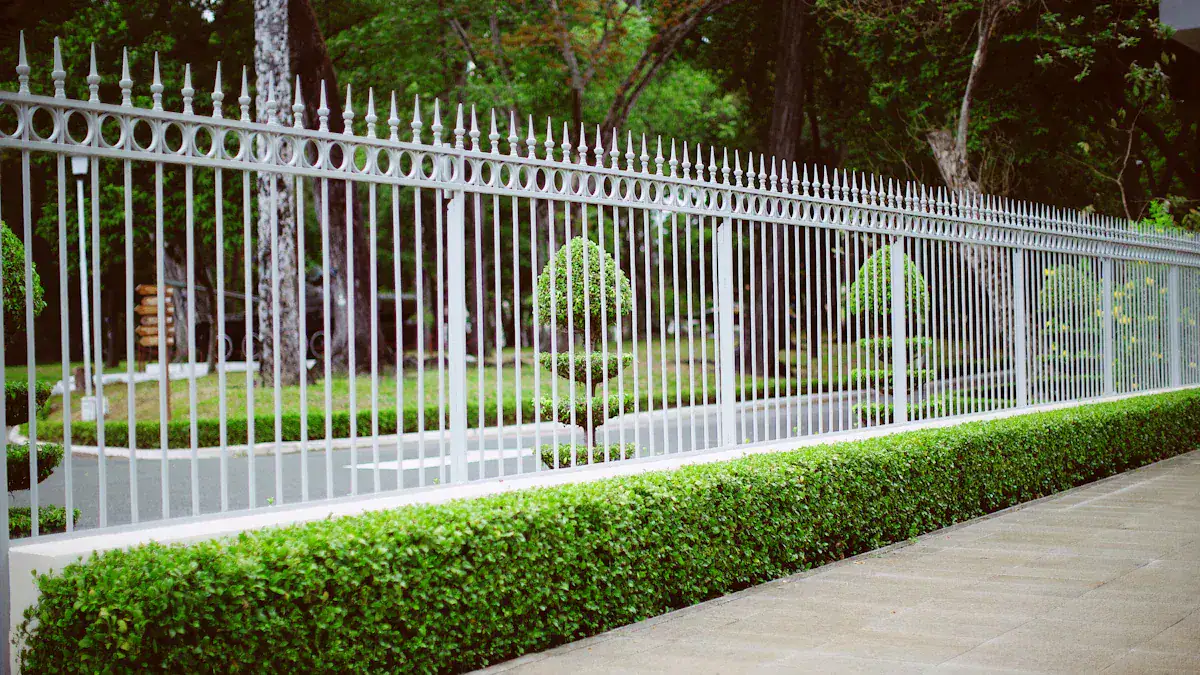
No-dig fencing offers a unique approach to creating boundaries without the hassle of traditional digging. This method uses panels that you install directly into the ground, making it an attractive option for many homeowners. The pros and cons of no-dig fencing include benefits like easy installation and low maintenance. However, you should also consider drawbacks such as limited privacy and durability. Understanding these factors can help you decide if no-dig fencing fits your needs.
Key Takeaways
No-dig fencing allows for quick installation without digging, saving time and effort for homeowners.
This fencing method is cost-effective, with materials costing significantly less than traditional fencing options.
No-dig fencing minimizes landscape disruption, preserving the natural beauty of your yard and reducing environmental impact.
Consider durability and design limitations, as no-dig fences may not provide the same strength or aesthetic options as traditional fences.
Evaluate privacy and security needs, as no-dig fencing typically offers less height and visibility control compared to standard fencing.
No-Dig Fencing Overview

Definition
No-dig fencing is a modern approach to creating boundaries without the need for digging holes. Instead of traditional methods that require extensive excavation, this technique uses panels that you install directly into the ground. You can easily set up these panels using a post driver, which pushes the posts into the soil without disturbing the surrounding area. This method not only saves time but also minimizes the impact on your landscape.
Installation Process
The installation process for no-dig fencing is straightforward and efficient. Here’s how it typically works:
Preparation: Start by marking the area where you want to install the fence. Ensure you have all the necessary materials, including the panels and a post driver.
Post Placement: Use the post driver to place the fence posts into the ground. This step is quick and clean, as it does not require digging or concrete.
Panel Attachment: Once the posts are in place, attach the fencing panels to the posts. This process is simple and can often be completed in a single day.
Compared to traditional fencing methods, which involve digging post holes and pouring concrete, no-dig fencing offers a much simpler solution. Traditional methods can be labor-intensive and time-consuming, while no-dig fencing allows you to create a boundary with minimal effort.
Here’s a quick comparison of the two methods:
Feature | No-Dig Fencing | Traditional Fencing |
|---|---|---|
Installation Time | Quick and easy installation without digging holes. | Labor-intensive, requires digging and setting posts. |
Stability | May have height limitations due to anchor posts. | More solid and sturdy, providing excellent support. |
Landscape Impact | Minimal disturbance to existing landscape. | Significant impact due to excavation. |
Aesthetic Options | Limited design options. | Wide range of designs and materials available. |
Maintenance | Generally low maintenance. | May require periodic maintenance depending on material. |
This table highlights the key differences between no-dig fencing and traditional fencing methods, showcasing the advantages of the no-dig approach.
Pros of No-Dig Fencing

Quick Installation
One of the biggest pros of no-dig fencing is its quick and easy installation. You can set up your fence in a fraction of the time it takes with traditional methods. With no digging required, you avoid the hassle of heavy machinery and labor-intensive work. You can complete the installation in just a few hours, allowing you to enjoy your new fence almost immediately.
Cost-Effectiveness
No-dig fencing is also cost-effective. The materials for no-dig fencing typically range from $50 to $300 per panel. In contrast, traditional fencing can cost between $1,856 and $4,758. This significant difference in cost makes no-dig fencing an attractive option for budget-conscious homeowners.
Fencing Type | Cost Range |
|---|---|
No-Dig Fencing | $50 to $300 per panel |
Traditional Fencing | $1,856 to $4,758 |
By choosing no-dig fencing, you save money not only on materials but also on labor costs. You can install the fence yourself, eliminating the need to hire professionals. This further enhances the overall affordability of this fencing option.
Environmental Benefits
No-dig fencing offers several environmental benefits. This method minimizes landscape disturbance, preserving the natural beauty of your yard. You avoid the significant soil disruption that comes with traditional fencing, which often requires excavation.
Here’s how no-dig fencing impacts the environment compared to traditional methods:
Aspect | No-Dig Fencing | Traditional Fencing |
|---|---|---|
Soil Disruption | Minimal disruption to soil and roots | Significant disruption, requires excavation |
Vegetation Preservation | Preserves existing plants and trees | Often requires removal of vegetation |
Environmental Impact | Lower impact, no concrete use | Higher impact due to excavation and concrete use |
Post-Installation Effects | Immediate use of space, no reseeding | Requires reseeding and landscaping efforts |
With no-dig fencing, you can enjoy your outdoor space right away. You won’t need to worry about reseeding or restoring your landscape after installation. This approach allows you to maintain a healthy ecosystem in your yard while creating a beautiful boundary.
Cons of No-Dig Fencing
Durability Concerns
While no-dig fencing offers many advantages, you should consider its durability. Users often report several issues that can affect the longevity of these fences:
Many find the panels flimsy, especially when larger animals are involved.
Installing the fence on sloped or hilly areas raises concerns due to the design of the stakes.
Soft ground conditions and drainage issues can lead to significant shifting of the panels during weather events.
Freeze-and-thaw cycles can also impact the stability of the fence.
These factors can compromise the effectiveness of your no-dig fence, especially in challenging environments.
Limited Design Options
Another drawback of no-dig fencing is the limited design options available. If you want a specific color or height, you may find your choices restricted. For example, if you are looking for black fencing, options are limited to specific brands like Yardlink and WamBam, which typically offer heights around 4-5 feet. This restriction can limit your ability to customize your outdoor space.
No-dig fences generally do not provide as many aesthetic options as traditional fencing. While some manufacturers offer a broader range of styles and heights, the overall selection of colors and decorative features remains limited compared to traditional fencing options. This limitation can affect the visual appeal of your yard.
Privacy and Security Issues
Privacy and security are critical factors when choosing a fence. Unfortunately, no-dig fencing often falls short in these areas. Here are some common concerns:
The maximum height of no-dig fences is typically around 4 feet, which provides minimal privacy and security.
These fences are not effective barriers for larger pets or children due to their light-duty construction.
The stakes are often only embedded 12 inches into the ground, making them susceptible to loosening in sandy or wet soil conditions.
No-dig fences generally allow visibility into the yard, which can compromise your privacy.
Both wood and vinyl fences can be constructed to ensure privacy, with options like solid panels or shadow box designs. Therefore, depending on its design, no-dig fencing may not match the privacy levels of standard wood or vinyl fencing.
In summary, no-dig fencing offers a quick and cost-effective solution for creating boundaries around your property. You can install it easily without disturbing your landscape. However, you should also consider its durability, limited design options, and potential privacy issues.
Homeowners should consider factors such as installation method legality near utilities, soil conditions, long-term stability, and compliance with local codes when making their decision.
Evaluate your specific needs and preferences before choosing between no-dig fencing and traditional options. This careful consideration will help you select the best fence for your property.
FAQ
What are no dig fences made of?
No dig fences typically consist of materials like vinyl, metal, or wood. These materials provide durability while allowing for easy installation without digging. You can choose based on your aesthetic preferences and budget.
How long do no dig fences last?
The lifespan of no dig fences varies by material. Vinyl options can last over 20 years, while wood may require replacement every 10 to 15 years. Regular maintenance can extend the life of your fence.
Can I install no dig fences myself?
Yes, you can install no dig fences yourself. The installation process is straightforward and requires minimal tools. You can complete it in a day, making it a great DIY project for homeowners.
Are no dig fences suitable for pets?
No dig fences can contain small pets but may not be ideal for larger animals. Their height and construction may not provide adequate security. Consider traditional fences for better containment of larger pets.
How do no dig fences compare to traditional fences?
No dig fences offer quick installation and lower costs compared to traditional fences. However, traditional fences generally provide better durability, design options, and security. Evaluate your needs to choose the best option.