

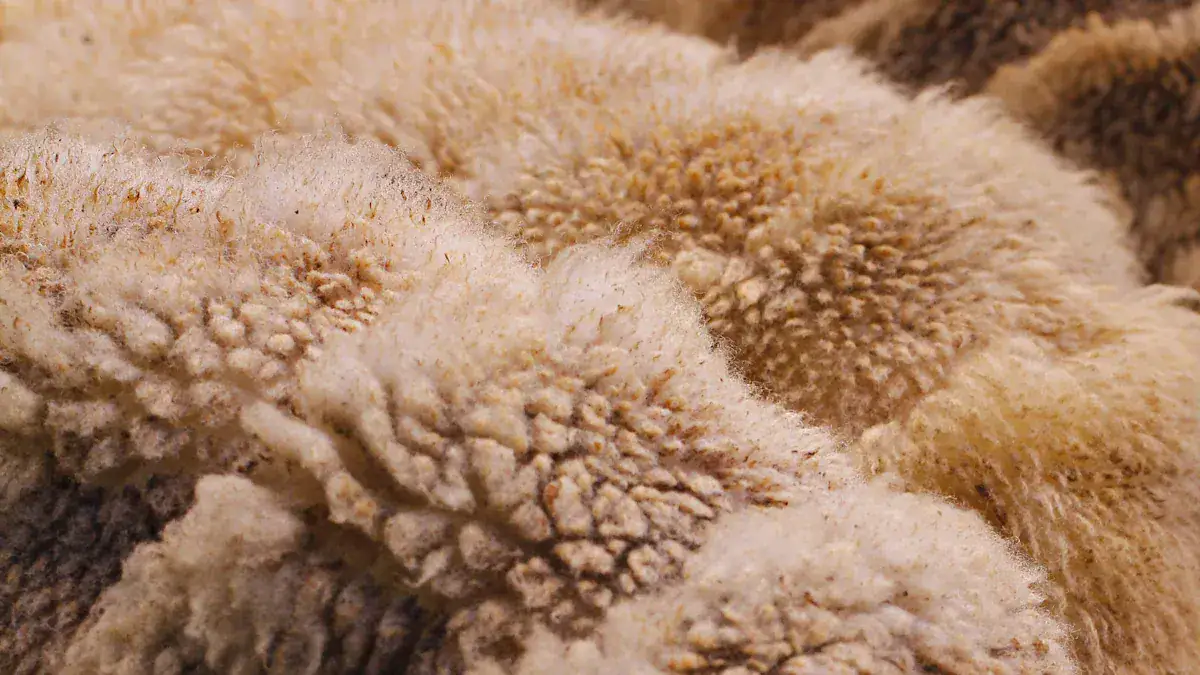
Sheep wool insulation comes from a natural source: sheep’s fleece. This natural insulation is a popular, eco-friendly choice for insulating homes. We explore sheep wool insulation’s effectiveness and practical considerations for this type of insulation. It offers excellent insulation properties. Sheep wool is a good insulator, providing a competitive r-value for your home’s thermal performance. This natural material offers a compelling option for you.
Key Takeaways
Sheep wool insulation is a natural choice. It helps keep your home warm in winter and cool in summer.
This insulation is good for the environment. It comes from a renewable source and helps clean the air inside your home.
Sheep wool insulation helps block noise. It makes your home quieter and more peaceful.
It resists fire and moisture naturally. This helps keep your home safe and prevents mold.
Sheep wool insulation costs more at first. But it saves you money on energy bills over time.
Understanding R-Value for Insulation
R-Value Explained
You often hear about R-value when discussing home insulation. R-value is a measure of thermal resistance. It tells you how well a material resists the flow of heat. A higher R-value means the material provides better insulation. This means it keeps heat inside your home during winter and outside during summer. You want a high R-value for good thermal performance. This measurement helps you compare different insulation materials.
Sheep Wool’s R-Value Performance
Sheep wool insulation offers excellent thermal resistance. You find its R-value typically ranges from 3.5 to 3.8 per inch. Some products even reach R-4.3 per inch for batts. This R-value is competitive with other common insulation types. For example, sheep wool insulation often performs slightly better than fiberglass insulation. Its R-value can be 0.3 to 0.6 points higher than fiberglass. This means sheep wool provides superior thermal efficiency. You get effective heat retention and exclusion with this natural material.
Factors Affecting R-Value
Many factors influence an insulation material’s R-value performance. You need to consider these when choosing insulation for your home.
Thickness of the insulation material: A thicker layer of insulation generally gives you a higher R-value. More material means more resistance to heat flow.
Thermal conductivity: Materials with low thermal conductivity resist heat transfer better. This results in a higher R-value.
Type of insulation material: Different materials have unique thermal properties. You see varying R-values across different insulation types.
Presence of multiple layers or air pockets: These features can trap air. Trapped air enhances the insulation’s ability to resist heat.
Density and compression: Higher density often means more trapped air pockets. This leads to better resistance to heat flow and higher R-values. However, compressing insulation flattens air pockets. This reduces its effectiveness and R-value.
Temperature difference: A larger temperature difference between inside and outside makes insulation’s resistance to heat flow more critical. You need higher R-values for optimal performance in extreme temperatures.
Quality of installation: Proper installation is crucial. Gaps or voids reduce the insulation’s effectiveness. You ensure the insulation performs as intended with correct installation.
Climate: Different climates require different R-values. Colder climates need higher R-values to keep heat in. Warmer climates may need lower R-values to keep heat out.
Building type: Residential, commercial, or industrial buildings have distinct insulation needs. This influences the appropriate R-value you choose.
Surrounding materials and systems: Elements like sub-framing or fasteners can create thermal bridges. These bridges reduce insulation effectiveness if you do not consider them properly.
Age and condition of the insulation: Over time, R-values can decrease. This happens due to aging, settling, moisture absorption, or exposure to extreme temperatures.
Benefits of Sheep Wool Insulation
Thermal Performance
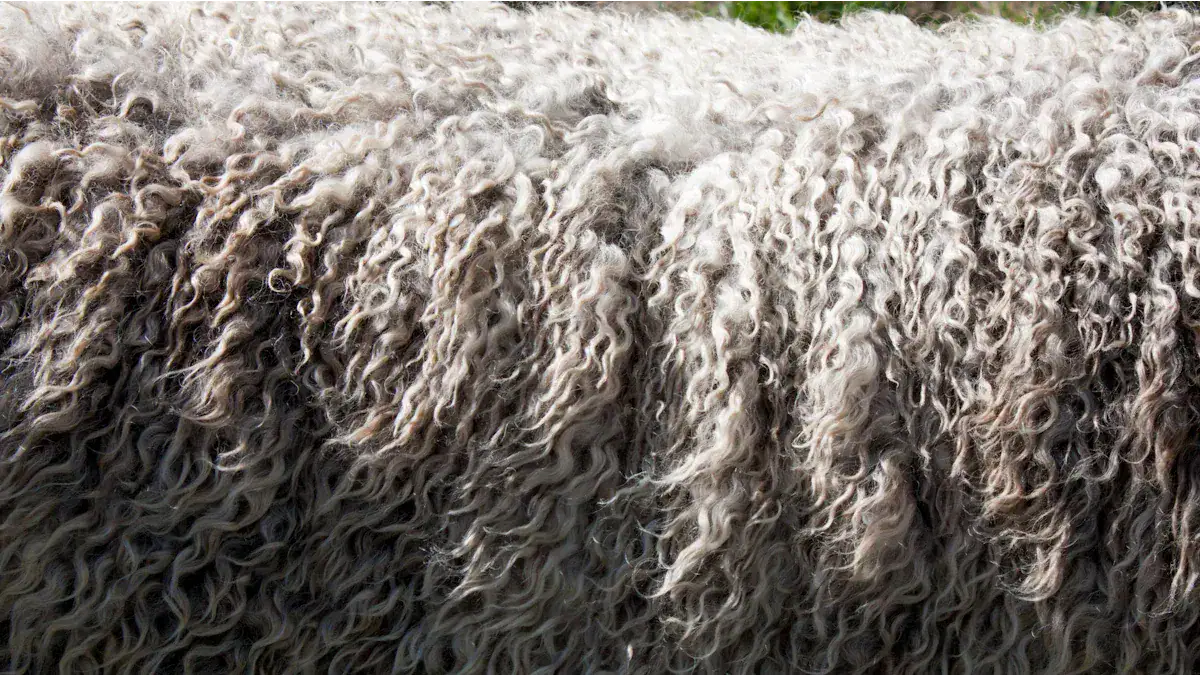
You gain many advantages with sheep wool insulation. It offers excellent thermal performance. Wool fibers naturally absorb moisture. They can even heat up to 45 degrees Fahrenheit. This action increases the dew point temperature. It also reduces condensation risk within your home’s structure. This keeps your home drier and more comfortable.
Sheep wool insulation has very low thermal conductivity. Its values range from 0.0333 to 0.0335 W/(m·K) at a density of 50–60 kg/m3. This makes it highly effective. Other natural insulation materials, like commercial hemp-fiber-based products, have higher thermal conductivity, around 0.038–0.043 W/(m·K). Sheep wool’s insulating characteristics are similar to mineral wool and rock wool. This means you get great energy efficiency. It helps you maintain a stable indoor temperature. This consistent temperature contributes to your comfort. You save energy on heating and cooling.
Soundproofing
You also get great soundproofing with sheep wool. Its dense, fibrous structure absorbs sound waves. This reduces noise transfer between rooms. It also lessens outside noise coming into your home. You create a quieter, more peaceful living space.
Sustainability
Sheep wool insulation offers excellent sustainability. Its production has a lower carbon footprint. This is true compared to synthetic insulation materials. It uses less embodied energy. Carbon dioxide causes 80% of global warming. Sheep wool production reduces carbon emissions. You choose a renewable resource. It is biodegradable. This makes it an environmentally friendly option for insulating homes.
Feature | Synthetic Insulation Materials | Bio-based Insulation Materials (e.g., Sheep’s Wool) |
|---|---|---|
Embodied Energy | High (requires significant energy for manufacturing from petrochemicals) | Low (requires less energy for processing natural fibers) |
Carbon Footprint | High (releases greenhouse gases during production and decomposition) | Low (sequesters carbon during growth, biodegradable) |
Resource Depletion | Uses non-renewable fossil fuels | Uses renewable natural resources |
Waste Generation | Non-biodegradable, contributes to landfill waste | Biodegradable, can be composted or recycled |
Toxicity | Can release volatile organic compounds (VOCs) and other harmful chemicals | Generally non-toxic, improves indoor air quality |
Durability | Varies, some types can degrade over time | Excellent, maintains thermal performance over long periods |
Moisture Management | Can be susceptible to moisture damage, leading to mold growth | Naturally regulates moisture, resistant to mold and mildew |
Fire Resistance | Often requires chemical treatments to meet fire safety standards | Naturally fire-resistant due to high nitrogen and moisture content |
Thermal Performance | Good, but can be compromised by gaps and air leakage | Excellent, provides superior thermal insulation and air sealing |
Acoustic Performance | Varies, some types offer good sound absorption | Excellent, provides superior sound absorption |
Health Impacts | Can cause respiratory issues and skin irritation | Hypoallergenic, safe to handle and install |
End-of-Life | Difficult to recycle, often ends up in landfills | Biodegradable, can be reused or composted |
Overall Environmental Impact | Significant negative impact due to resource depletion, pollution, and waste | Positive impact due to renewable resources, carbon sequestration, and biodegradability |
Fire Resistance
You also benefit from wool’s natural fire resistance. Untreated wool fiber does not sustain an open flame. It is naturally fire-resistant. It has a high nitrogen and water content. This requires significant oxygen for it to burn. When exposed to heat, its cell membrane structure expands. This creates an insulating layer. It prevents flame spread.
Untreated sheep wool insulation receives a Euro Classification E fire rating. This means it is a combustible material. It contributes to a fire. However, it resists small flame attacks at the start of a fire. Most sheep wool insulation products achieve a Class A building code rating. This applies to flame spread and smoke development. You get peace of mind with this safety feature.
Moisture Protection
Sheep wool insulation offers excellent moisture protection. It absorbs and releases moisture as needed. This does not negatively impact its insulating performance. Its unique fiber structure traps air. This forms tiny air pockets. These pockets act as an insulator against heat transfer. Wool can become damp from condensation. However, its natural waxy coating makes it highly resistant to absorbing liquid water. You avoid moisture buildup in your walls.
Mold and Mildew Resistance
You also benefit from wool’s resistance to mold and mildew. Wool insulation regulates humidity. It absorbs excess moisture. It releases moisture when the air is dry. This process reduces mold growth. Wool has natural antimicrobial properties. These properties stop bacteria and fungi from growing in its fibers. Research confirms their lifelong effectiveness. Wool’s moisture-wicking properties maintain optimal humidity levels. This prevents moisture buildup. Natural lanolin in wool provides built-in protection. It protects against moisture, bacteria, and odors. These are key advantages.
Pest Deterrence
You might wonder about pests. Sheep wool naturally deters pests. Its fibers are not a food source for insects or rodents. They also find the lanolin in wool unappealing. This helps keep your home free from unwanted visitors. You do not need harsh chemical treatments for pest control.
Indoor Air Quality
Sheep wool insulation improves your indoor air quality. It absorbs and breaks down volatile organic compounds (VOCs). These include harmful chemicals like formaldehyde. Its complex fiber structure absorbs VOCs. It breaks them down at a molecular level. This air-purifying ability can last for up to 30 years. German researchers installed pure wool in five buildings. These buildings had high formaldehyde levels. Within 24 hours, formaldehyde levels dropped below safe thresholds. You breathe cleaner air. This contributes to your home’s overall energy efficiency. You also experience better thermal comfort.
Installation Ease
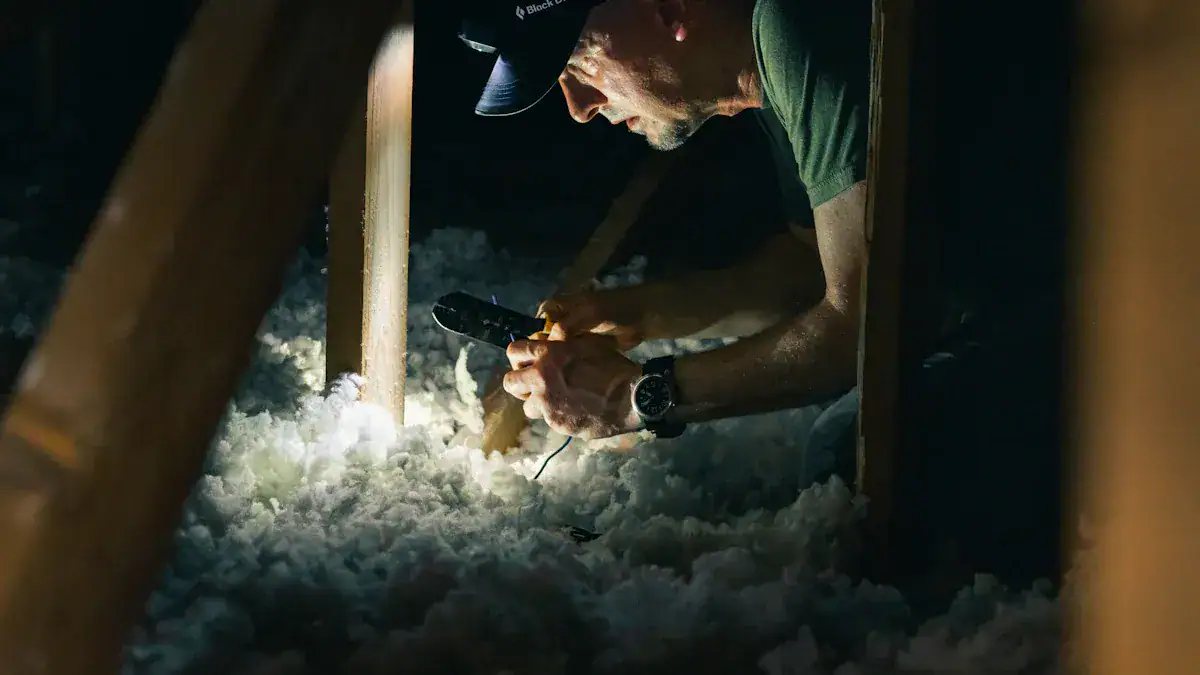
You will find sheep wool easy to install. It comes in batts or rolls. You can cut it with scissors or a utility knife. It does not require special protective gear. It does not irritate your skin or respiratory system. This makes the installation process simpler. You save time and energy during setup.
Drawbacks of Sheep Wool Insulation
You should also understand the potential downsides of sheep wool insulation. While it offers many benefits, you face a few challenges.
Higher Cost
You will find sheep wool insulation often costs more upfront. This is true compared to traditional options like fiberglass. However, you can view this as a long-term investment. Wool insulation offers significant savings on your energy bills over time.
These savings, combined with potential health benefits, help offset the initial expense. Its durable properties contribute to lower heating costs. Many governments and energy companies provide grants and incentives. These schemes, like those for loft insulation in the UK, can reduce your initial cost. This makes the insulation more affordable.
Odor Potential
You might notice a slight natural odor from sheep wool insulation at first. This comes from the lanolin in the fibers. This odor is usually mild. It tends to disappear once you install the insulation. It acclimatizes to its environment. Processed sheep wool insulation typically does not develop an odor. Manufacturers thoroughly clean raw wool. They wash it with curd soap to remove lanolin and impurities. They then rinse it with soda to eliminate soap residue and unpleasant odors. A small amount of lanolin remains for elasticity. The cleaned wool no longer smells.
Chemical Treatment
You should know that some sheep wool insulation products require chemical treatments. These treatments enhance fire retardancy or pest resistance. Borax is a common treatment. It makes the wool repellent to insects. It also reinforces its fire retardant properties. Manufacturers dissolve borax in hot water.
They spray it onto the wool after cleaning and drying. This ensures protection against pests like moths. It also enhances the wool’s natural fire resistance. The wool chars instead of burning, preventing fire spread. Other treatments include diatomaceous earth for pest control or titanium-based moth repellents.
Limited Availability
You might find sheep wool insulation less available than conventional types. Its market presence is growing, but it is not as widespread.
Region | 2024 Market Value (USD) | CAGR (2024-2033) |
|---|---|---|
Europe | 470 million | 6.2% |
North America | 320 million | 7.1% |
Asia Pacific | 210 million | 8.2% |
Europe leads the market due to strong green building regulations. North America sees increasing adoption. This comes from growing awareness of sustainable building practices. The Asia Pacific region is emerging. Rapid urbanization and construction activities fuel this growth.
Settling Potential
Also, you should consider that sheep wool insulation can settle over time. This creates gaps if manufacturers do not heavily pre-compact it. Settling reduces the effectiveness of the insulation. It can lead to cold spots in your home. You need to ensure you choose high-quality, pre-compacted products. This prevents future issues with your natural insulation.
Practical Considerations for Sheep Wool Insulation
Sourcing and Animal Welfare
When you choose sheep wool insulation, consider where the wool comes from. Ethical sourcing ensures animal welfare. The Responsible Wool Standard (RWS) is an international certification. It guarantees wool comes from farms with high animal welfare and environmental standards. This standard covers the entire supply chain. It tracks the wool from the farm to the final product. You can also look for the Natureplus® Certificate. This certification ensures the insulation meets strict environmental and health criteria. Choosing certified products supports sustainability and responsible practices.
Longevity and Durability
You want your insulation to last. Sheep wool insulation offers impressive longevity. Properly installed, it can last a lifetime. Its durability often exceeds 50 years without structural degradation. Some treated sheep wool products, like Havelock wool insulation, can even last up to 100 years.
This long lifespan makes it a wise investment for insulating homes. Its high moisture tolerance helps its durability. It can absorb up to a third of its weight in moisture. It still keeps its insulating properties. This makes sheep wool insulation more durable than cellulose insulation, which can degrade over time.
Comparing Sheep Wool Insulation
You have many choices for insulation. When you compare sheep wool insulation to other types, you see its unique benefits. It offers a natural and renewable option. Its thermal efficiency is competitive. You get excellent soundproofing and moisture management. Consider your priorities. Do you value environmental impact, indoor air quality, or long-term performance? Sheep wool often stands out in these areas.
Best Applications
You can use sheep wool insulation in many parts of your home. It works well in walls, attics, and floors. It performs optimally in ‘Cold/Mixed’ climate zones. Its ability to absorb up to 33% of its weight in moisture helps improve your indoor climate. This is especially true in humid areas. This natural moisture regulation prevents dampness. It helps maintain a comfortable and healthy living space. This makes it a versatile and effective insulation choice for various applications.
Sheep wool insulation offers unique benefits. You gain excellent thermal and acoustic performance. It is a natural, good insulator, boosting energy efficiency for insulating homes. Its strong R-value ensures great thermal performance. While initial cost is higher and settling can occur, this natural insulation offers significant value for insulating homes. You should weigh your priorities. Consider cost, sustainability, and long-term performance when you make your insulation decision.
FAQ
What makes sheep wool insulation eco-friendly?
You use a renewable resource. It has a low carbon footprint. It is biodegradable. This makes it a sustainable choice for your home. Sheep wool production reduces carbon emissions. 🌱
What R-value can you expect from sheep wool insulation?
You can expect an R-value of 3.5 to 3.8 per inch. Some products reach R-4.3 per inch. This provides excellent thermal resistance for your home. It performs better than fiberglass.
What causes the initial odor in sheep wool insulation?
Lanolin in the fibers causes a slight natural odor. This smell is usually mild. It disappears once you install the insulation. Manufacturers clean wool to remove most of it.
What fire resistance does sheep wool insulation offer?
Untreated wool resists open flames. It has high nitrogen and water content. Most products achieve a Class A building code rating. This means it prevents flame spread. 🔥