

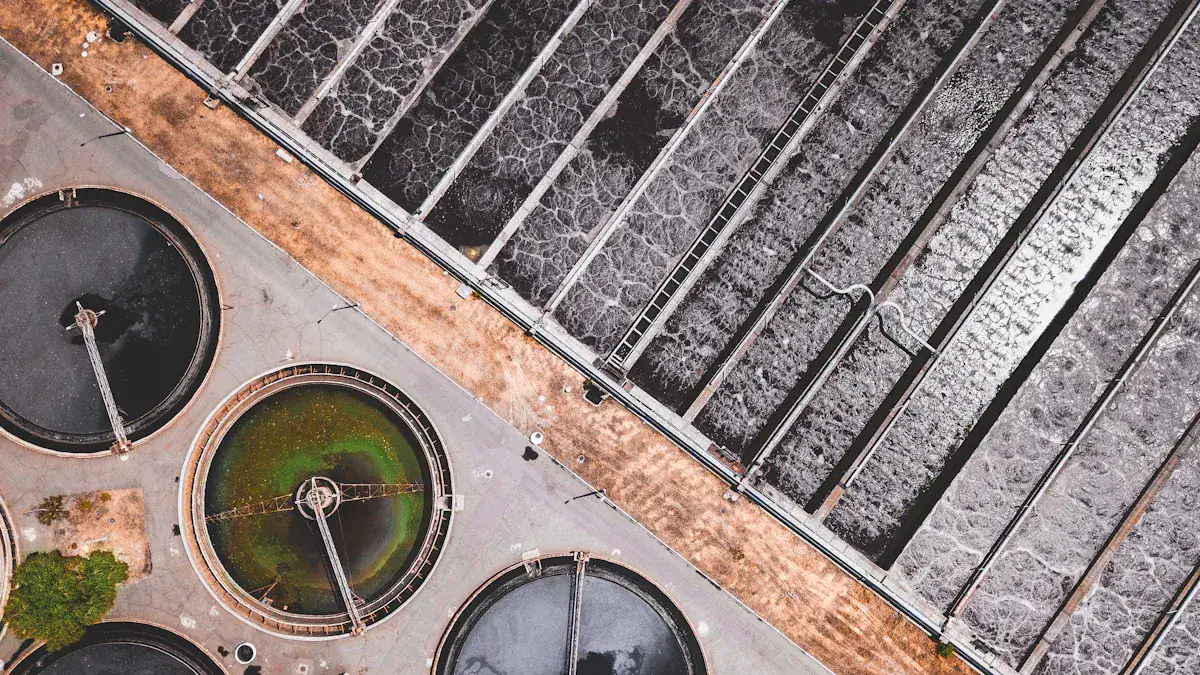
Tree roots invading your septic system are a common and damaging problem. These roots can cause significant issues, leading to expensive repairs. For instance, removing roots from a septic tank typically costs between $1,000 and $5,000, depending on the damage. You have options to kill roots and protect your septic system. These include chemical treatments, mechanical removal, and preventative measures. Choosing effective and septic-safe methods is crucial. This protects your septic and helps you avoid costly repairs. This post will guide you through the best strategies for root elimination and prevention.
Key Takeaways
Look for signs like slow drains or lush grass over your septic area. These signs mean roots are in your system.
You can use chemicals like copper sulfate or Dichlobenil to kill roots. Always follow instructions carefully to protect your septic tank.
Mechanical methods like hydro-jetting or snaking remove roots. Hydro-jetting uses strong water pressure to clear pipes.
Prevent roots with physical barriers or by planting septic-safe trees. Place trees far from your septic system.
Call a professional if you have ongoing clogs or gurgling sounds. They use special cameras to find and fix root problems.
Identifying Septic Root Intrusion
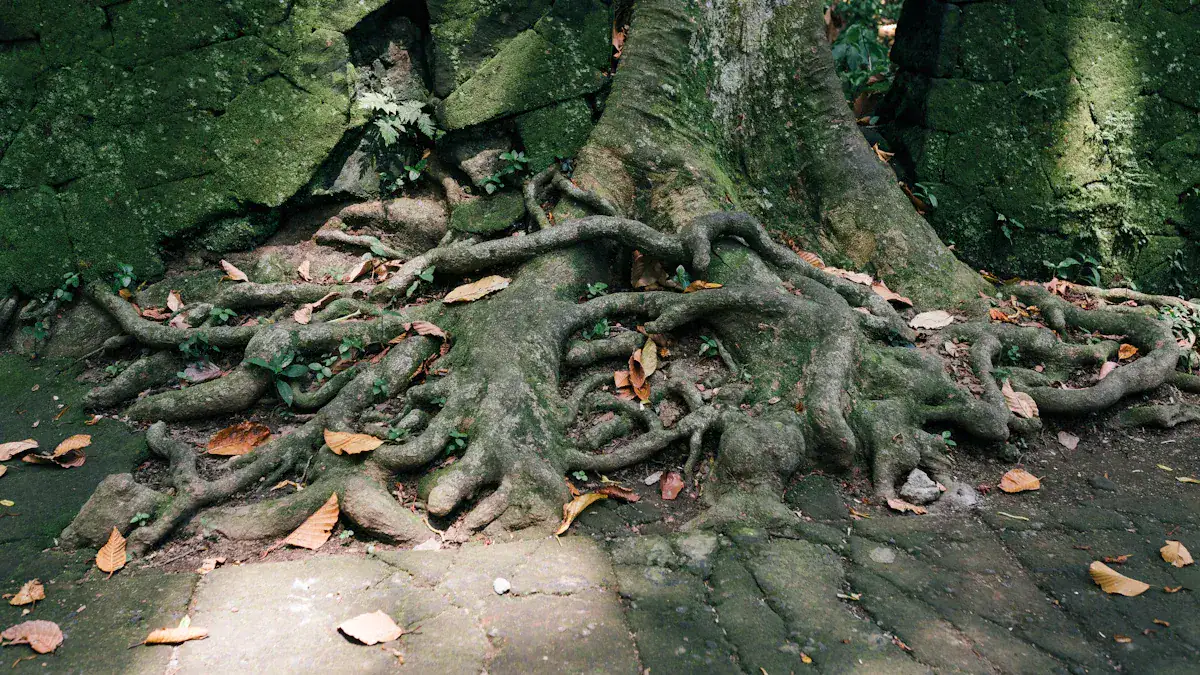
You need to know when roots are causing problems in your septic system. Early detection helps you prevent major damage. Look for specific signs and understand how roots get into your system.
Signs Of Root Invasion
Tree roots are always searching for water and nutrients. Your septic system offers both. When roots invade, you will notice several warning signs. You might experience repeated clogs in your drains. Your sinks, showers, and toilets may drain slowly. This indicates partial blockages in your pipes. You might also hear gurgling sounds coming from your plumbing. These noises suggest disruptions in the wastewater flow. Unpleasant odors around your home or yard can signal blockages or leaks within the septic line. Another common sign is lush, green patches of grass over your septic field. This happens because roots are absorbing extra nutrients from leaks. These signs point to a potential tree root infestation. A blocked septic system can quickly become a big problem.
Root Entry Points
Roots are opportunistic. They find their way into your septic system through existing weaknesses. Tree roots typically exploit vulnerabilities like small cracks, loose joints, or other tiny openings. Once inside, they grow rapidly. This causes damage and obstructs the wastewater flow. You can find roots entering your septic in several places:
Lids: Roots can grow directly through the septic tank lid.
Seams of the septic tank: Roots can penetrate through seams at the top or in the middle of the tank.
Inlet and outlet pipes: Roots exploit small openings, cracks, or loose joints in the septic line.
Inlet and outlet baffles: The junction where pipes meet the concrete of the septic tank is a common entry point.
Absorption area: Roots can enter through the holes in the pipes within the absorption area. This area is designed for effluent seepage.
Understanding these entry points helps you identify where an infestation might begin.
Chemical Methods To Kill Roots
You can use chemical treatments to kill roots that invade your septic system. These methods offer a way to eliminate roots without digging up your yard. They work by targeting the roots directly, causing them to die and break down.
Copper Sulfate Application
Copper sulfate is a popular chemical for root control. You might know it as ‘Bluestone’. It works by dehydrating the roots. When roots absorb copper sulfate, their cells lose water, causing them to shrink and die. This chemical specifically targets the roots it touches. It does not harm the parent tree. You can find copper sulfate crystals at most hardware or garden stores.
To apply copper sulfate, you should pour the crystals into the toilet bowl closest to your sewer line. Then, flush the toilet. Experts recommend you apply 2 pounds of copper sulfate for an active 300-gallon septic tank. You should do this in 1/2 pound increments. Flush after each increment until you add the full dose. You can repeat this process twice a year or whenever you suspect reduced water flow due to root growth. It is important to pour copper sulfate crystals of medium size directly into the leach lines, not into the septic tank itself. This helps avoid harming the beneficial microorganisms in your septic. Also, do not place it in sink or tub traps because it can be corrosive. Copper sulfate offers long-lasting effects by killing the roots and preventing their immediate return.
Dichlobenil Herbicide Use
Dichlobenil is another effective chemical for root control. It acts as a root killer and growth inhibitor. This aquatic herbicide kills roots upon contact. It also leaves a residual layer of herbicide. This layer helps prevent future root regrowth. Products like RootX often contain Dichlobenil. Plumbers frequently recommend RootX.
RootX is non-caustic, non-fumigating, and non-systemic. This means it will not harm your pipes, your septic system, or the plants above ground. It works by creating a powerful foam. This foam fills the entire pipe, coating the walls and reaching the top where roots usually start to invade. Studies have shown Dichlobenil’s effectiveness in controlling roots in sewer lines and septic systems. These studies found that chemical methods using Dichlobenil resulted in high root mortality. They were more effective than just mechanical treatments in stopping root regrowth.
Chemical Treatment Pros And Cons
Chemical root removal offers several benefits. It is effective at killing roots and can prevent their return for a period. You can often apply these treatments yourself, making them a convenient option.
However, you must consider the potential downsides of chemical tree root removal. Some chemical root killers can introduce toxic substances into groundwater. This could affect drinking water sources. Many communities have rules against using these chemicals due to environmental concerns. A major concern is the impact on the beneficial bacteria in your septic tank. These bacteria are essential for your septic system to work properly. Harsh chemicals can disrupt this balance, leading to system failure.
While many chemical root treatments, like RootX, claim to be safe for beneficial bacteria, copper sulfate can cause a temporary reduction in bacteria. Normal levels usually return after about 15 days. Even if chemicals kill roots, you might still have dead root clogs that need removal. Using too much chemical to kill roots could contaminate underground aquifers and harm nearby trees. Always choose products designed to be safe for septic systems and follow all instructions carefully.
Mechanical Methods For Removing Tree Roots
When chemical treatments are not enough, or you prefer a more direct approach, mechanical root removal offers effective solutions. These methods physically clear the obstructions from your system.
Hydro-Jetting For Roots
Hydro-jetting is a powerful method for removing tree roots from your pipes. A professional plumber inserts a high-pressure hose into your sewer line. This hose releases water at extremely high pressure. The water blasts away the intrusive growth and other obstructions. The debris then flushes out, leaving the pipe clear. This process is typically completed within a few hours. It has minimal downtime. It also does not use chemicals, making it safe for your family and the environment.
Hydro-jetting utilizes specialized tools. These tools generate high-pressure water, reaching up to 4,000 PSI. This pressure is highly effective in clearing most blockages, including tree roots from pipes or sewer lines. Hydro-jetting machines typically generate water pressure between 1,500 psi and 4,000 psi. This pressure is adjustable. It depends on the pipe’s condition, material, and the job’s specific needs. This includes the type of blockage. Specialized nozzles, such as penetrating tips, cut through tough blockages.
Hydro-jetting dislodges tree roots and other debris. This allows them to flow freely to the main sewer line. It restores pipe flow. This method also acts as a preventative measure. It cleanses pipe walls and removes grease and scale buildup.
Augering And Snaking
Augering and snaking are common methods for mechanical root removal. These tools physically break up and remove the invading growth.
Motorized drain snakes with cutting blades: These powerful tools are used for more extensive growth. They effectively cut through thick obstructions to clear pipes.
Manual cutting with hand tools: This method is effective for smaller problems.
Mechanical augers are highly effective for breaking up tree roots in pipes. These tools feature a rotating cable. This cable has a specially designed blade. The blade slices through invasive growth. This process requires professional handling. It ensures effective and safe pipe clearing.
Augers are effective for cutting through smaller root masses. However, for larger blockages, hydro-jetting is generally preferred. Hydro-jetting has a powerful water blast. It can effectively cut through more substantial obstructions. Mechanical root cutting, such as with augers, provides immediate, short-term relief from blockages. Cutting roots can stimulate further growth. This is similar to pruning a plant. It makes augering a temporary solution rather than a permanent fix for extensive or recurring blockages.
Cutting Roots Inside The Tank
Sometimes, roots enter directly into the septic tank. This usually happens around the lids or pipe connections. For this type of mechanical root removal, you must first pump the tank dry. Once the tank is empty, you can physically cut the roots where they enter. This method is more hands-on. It requires careful attention to safety and proper disposal of the cut material.
Natural And Preventative Root Control
You can use natural methods and preventative measures to control roots. These approaches help you manage root intrusion without harsh chemicals or extensive mechanical work. They focus on long-term solutions to keep your septic system clear.
Salt Treatments For Roots
Rock salt, or sodium chloride, can poison plants and their roots. It works by causing “physiological drought.” This means salt hinders a tree’s ability to absorb water, even when water is available. The sodium ions from salt also block essential nutrients like potassium. This causes yellowing leaves and stunted growth, eventually killing the plant.
To apply salt, drill several 2-3 inch deep holes around the tree’s roots. Angle these holes downwards. Fill them with a saltwater solution, using a 2:1 liquid to solid ratio. Seal the holes with tape or plastic to keep the salt in and protect pets. Be patient; this process can take weeks or months.
However, you must use salt treatments with caution. High salt concentrations in the soil prevent plants from taking up water. This leads to plant death. Salt can also interfere with nitrogen uptake. This slows plant development. Dangerously high salinity levels can destroy all vegetation and soil organisms. This impairs soil health and can lead to soil erosion. Salt increases water stress in plants. It makes it difficult for roots to absorb water. This causes “physiological drought” and reduced growth.
Physical Root Barriers
Physical root barriers block roots from growing into your septic system. These barriers are solid panels or sheets of hard plastic. You bury them near the septic system. This prevents roots from reaching your drainfield.
Install root barriers no shallower than 30 inches. This prevents tree roots from growing underneath them. While most tree roots grow in the top 18 to 24 inches of soil, some can go deeper. In some cases, you might need a depth exceeding 36 inches. You can also leave about 4 cm of the barrier exposed above ground. This stops roots from growing over it.
Sealing Pipe Entry Points
Sealing pipe entry points is a crucial preventative step. This stops roots from getting into your septic. New tanks often have a rubber boot for pipe connections. For older systems, you can use hydraulic cement. This is common in sewer line repair. Butyl rubber caulk, applied heavily on dry, clean concrete, also works. You can apply these sealants around the outside of pipes where they enter the tank. This prevents root intrusion. Always check local plumbing codes. These regulations vary and supersede online advice.
Septic-Safe Landscaping
Choosing the right plants helps prevent tree roots from damaging your septic system. You should avoid or remove plants with aggressive root systems near your septic. Instead, opt for plants and trees with less invasive roots.
Here are some septic-safe options:
Trees: Japanese Maple, Dogwood, Hawthorn, Magnolia, White Pine, Hemlock, Ornamental Cherries.
Shrubs: Boxwood, Holly, Azalea, Lady Palm, Pygmy Date Palm.
Position trees a safe distance from all septic system components. This is typically 50-75 feet. This helps prevent tree roots from becoming a problem.
When To Call A Septic Professional
You can handle some septic issues yourself. However, certain problems require expert attention. Knowing when to call a professional protects your investment. It also prevents further damage to your septic system.
Signs You Need Expert Help
You might notice several signs that indicate a need for professional help. These signs often point to serious issues within your septic system. You may experience persistent clogs. These clogs temporarily clear with cleaning but then return. Your drains might also slow down. This problem gradually worsens over time. You could hear gurgling noises from your toilets. This indicates blockages in the septic line. You might also see lush tree growth near your septic system components. This suggests leaks and root intrusion. If you notice any of these issues, you should contact a septic professional.
Professional Septic Services
Septic professionals offer specialized services. They address complex root intrusion problems. Experts conduct thorough inspections. They use advanced diagnostic tools. For example, they use specialized cameras. These cameras view the inside of your pipes. They reveal root growth. They pinpoint the exact location of intrusion. High-resolution cameras provide clear visuals inside pipes. Flexible rods allow cameras to navigate bends and turns. Real-time monitoring lets technicians view live footage. They make instant assessments.
Professionals also offer specialized root removal. They use state-of-the-art equipment and techniques. This ensures effective root removal. They carefully remove roots from pipes and tanks. This causes minimal disruption. Technicians are skilled in repairing or replacing damaged areas. This ensures proper septic system functioning. Root intrusion is a common problem. Tree roots are attracted to the moisture and nutrients in wastewater. They quickly invade pipes and tanks. Untreated root intrusion blocks wastewater flow. This leads to backups, foul odors, and costly repairs. Professionals preserve the integrity of your septic system.
You have learned how to kill roots in your septic. We covered chemical, mechanical, and preventative methods. Early detection and quick action prevent costly damage to your septic system. Regularly monitor your septic. Consider professional inspections. This ensures a healthy, root-free septic tank system for your home.
FAQ
What is copper sulfate?
Copper sulfate is a chemical. It dehydrates tree roots. You can find it as ‘Bluestone’. It kills roots without harming the main tree. You apply it by flushing it down your toilet.
What is hydro-jetting?
Hydro-jetting uses high-pressure water. It cuts and flushes out roots from your pipes. Professionals use this method. It cleans pipes thoroughly. It does not use chemicals.
What are physical root barriers?
Physical root barriers are solid panels. They block roots from growing into your septic system. You bury them near the system. They prevent roots from reaching your drainfield.
What plants are safe for septic areas?
You should choose plants with non-invasive roots. Good options include Japanese Maple trees or Boxwood shrubs. Avoid trees with aggressive root systems. This helps protect your septic system.
What are signs of root invasion?
You might notice slow drains or gurgling noises. Sewage backups are another sign. Lush green patches over your septic field also indicate roots. These signs mean roots are in your system.