A stiff brush or rubber rake works best when the fibers need to be loosened before vacuuming. A vacuum alone leaves buried fibers behind, especially in seams and textured mats, so a rubber glove, squeegee, or pet hair brush saves time and protects the pile.
This hands-on method works for daily shedding, heavy spring coats, and stubborn cargo-area buildup. You get a cleaner finish when you match the tool to the carpet, the mat, and the amount of hair.
Why Dog Hair Clings So Hard To Car Carpet
Car carpet has looped fibers, a tight weave, and hidden grit that act like tiny hooks for fur. Short hairs slide down into the pile, and static charge makes them stick again as you brush or shake the surface.
Dry hair lifts with far less effort than damp hair. Moisture makes strands mat together, so a wet paw print or humid cargo area can turn loose fluff into a web that clings below the surface. That is why the best way to remove dog hair from car carpet starts with loosening the strands, not blasting them with the vacuum nozzle.
Static Makes The Job Harder
Static cling is a physical charge exchange, not a mystery. Nylon and polyester fibers can build charge as your hand, brush, or vacuum head moves across them, and that charge pulls hair back toward the carpet.
Rubber, silicone, and lightly damp microfiber cloths work well because they change the surface friction. You get more lift and less scatter, which is the difference between a quick cleanup and chasing the same tuft around the footwell.
Dry Hair Comes Up Faster Than Damp Hair
A dry strand has more surface tension against the carpet than a wet clump, but it still breaks free with friction. Damp hair binds to dust and lint, so it behaves like felt and sinks deeper into the pile.
That detail matters in real use. A rainy park trip, a wet blanket, or a muddy cargo mat can turn ordinary shedding into embedded hair, and the fix starts with drying the area before you try to clean embedded dog hair out of carpet.
Drying helps, but stubborn strands still need the right tool to loosen what static has locked in.
The Tools That Pull Hair Free
Friction tools beat suction alone because they grab the hair shaft and roll it into a visible pile. Car detailers lean on that step before interior vacuuming, since the vacuum cleaner works far better after the strands are lifted out of the fibers.
| Tool | Best Use | Why It Works |
|---|---|---|
| Rubber glove | Floor mats and flat carpet | Rubber friction gathers hair into clumps you can pick up by hand. |
| Squeegee | Deep pile and cargo carpet | Flexible edges drag hair out of the pile without harsh scraping. |
| Pet hair brush | Seat edges, seams, and mats | Rubber bristles or short teeth catch embedded strands fast. |
| Lint roller | Light debris and touch-up work | Adhesive sheets pick up surface fuzz, not heavy matted hair. |
| Standard vacuum nozzle | Finish work after loosening | Suction clears the pile once friction has pulled hair upward. |
Rubber And Silicone Tools Lead On Carpet
A rubber glove from Rubbermaid or OXO gives you a lot of control on flat mats because your hand can press into corners and seams. A Fur-Zoff style block or a rubber bristle brush adds more bite on thick carpet where short fur hides below the surface.
ChomChom Roller works better on seat fabric and cargo liners than on narrow floor recesses, but it still earns a place in a trunk kit. Bissell makes pet hair tools that suit home use, yet the same friction idea applies in a vehicle: lift, gather, then vacuum.
Vacuum Nozzle Is The Finisher, Not The Star
A narrow vacuum nozzle reaches loose debris and the final wisps, but it cannot grab strands that are woven into the pile. CarBibles-style cleaning advice points to the same truth: suction needs help from friction first.
For dog hair removal from car floor mats, the vacuum becomes the cleanup pass after the hair has already been grouped. That sequence saves battery, shortens the job, and cuts down on repeated passes over the same spot.
Once the hair is gathered, a careful order keeps the whole cleanup moving without wasted effort.
A Detailer-Style Cleanup Sequence
Loose crumbs and grit act like sandpaper under your brush, so remove them before you touch the carpet. Shake out the mats, tap the edges outside the vehicle, and clear bottle caps, pine needles, or dried mud from the footwells.
- Clear the loose debris Lift out floor mats and shake them hard enough to drop grit, leaves, and sand.
- Work in short strokes Pull the brush or glove toward you in 2- to 4-inch passes so hair gathers in front of the tool.
- Build visible piles Roll or scrape the lifted strands into small clumps instead of chasing single hairs.
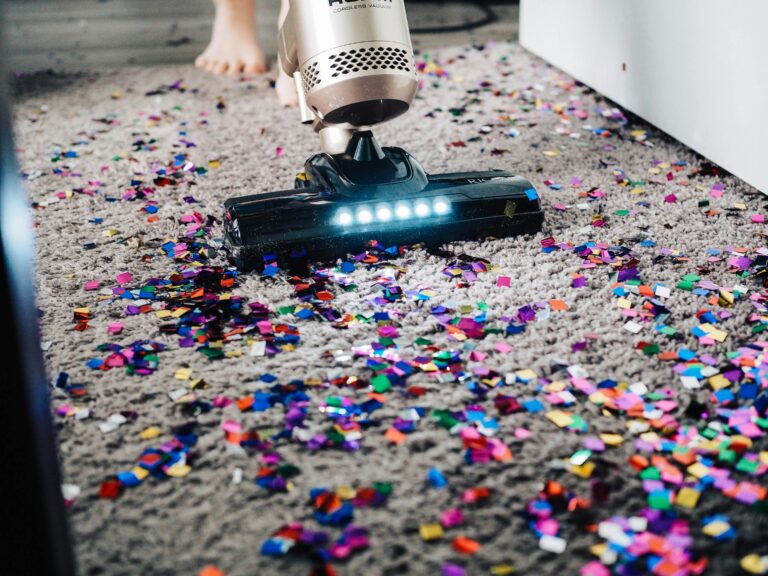
- Vacuum one direction Run the nozzle in straight passes, then repeat crosswise for the hairs that stand back up.
A 2019 Toyota RAV4 cargo area with beige carpet and a heavy-shedding retriever usually cleans faster with this order than with pure suction. Another example: a black rubber floor mat in a Subaru Forester responds well to a glove, while a dense trunk liner in a Honda CR-V needs a firmer brush and a slower final vacuum pass.
That sequence matters because friction changes the hair position before suction ever begins. Once the pile is lifted and grouped, the vacuum cleaner can collect the loose strands without grinding them deeper into the carpet fibers.
A lifted pile leaves the hidden edges behind, where smaller tools can finally reach the last strands.
Use short, repeated strokes instead of long scrubs. Long scrubs bend the pile flat, while short passes lift the strand tips where the vacuum can reach them.
Getting Into Seams, Corners, And Under Seats
Edges collect the worst tangles because stitching, trim, and seat rails create little ledges where fur stops moving. Start there, and you clear the places that keep shedding hair from spreading back across the footwell.
Edges And Stitching Need The Most Patience
A narrow pet hair remover brush, an old microfiber cloth, or even a folded towel can pull strands out of stitched lines. Press lightly along the seam, then repeat from a different angle so the hair lifts instead of packing down.
That same tactic helps around plastic trim where carpet meets the sill plate. The small gap traps a surprising amount of hair, and a single firm swipe usually misses it.
Under Seats Need Narrow Tools, Not More Force
Slide a vacuum crevice tool, a wrapped ruler, or a slim squeegee under the seat base to reach the hidden strip. Seat rails catch fur like a comb, so use several gentle passes instead of pressing harder.
Force pushes strands deeper into the pile and can rough up the fibers. A narrow cloth wrapped around your hand gives you more control on tight spots, especially near power-seat tracks and child-seat anchor hardware.
Even after the main debris is gone, clingy fibers around hardware often need a different touch.
Warning: hard pressure can fray thin carpet and leave a shiny worn path. Use repeated passes in the same lane instead of digging into the fibers.
Stubborn Hair And Static Need A Different Tactic
Some hair acts like it has been stitched into the carpet, especially after wet rides or winter static. That is the point where a light moisture trick or a mild additive can help, but heavy soaking makes the problem worse.
A Light Dampening Pass Can Break The Cling
A microfiber cloth barely misted with water can calm flyaway strands so they stop jumping back to the carpet. Keep it damp, not wet, because excess water spreads dirt and turns loose fur into a sticky paste.
Static-heavy cars sometimes respond to a very light wipe with diluted fabric softener on a test spot, then a dry follow-up pass. Fabric softener lowers friction on the surface, which reduces the charge that keeps the hair attached.
Baking Soda Helps More As A Helper Than A Cleaner
A thin dusting of baking soda can add a little drag and help loosen clingy strands before vacuuming. Use a small amount, let it sit briefly, then brush and vacuum it out so powder does not linger in the pile.
Meguiar’s interior products and similar car detailing sprays can help with final wipe-downs, but the hair still needs friction first. The same goes for any fabric-softener mix, which should stay light and limited to a hidden test spot so the interior finish stays unchanged.
Car pet hair remover methods work best when you treat moisture as a helper, not a soak. A wet carpet holds dirt, slows drying, and can leave a smell behind long after the hair is gone.
Wet methods can help lift hair, yet too much moisture creates new problems for the carpet itself.
Keeping Dog Hair From Taking Over Again
Short maintenance after each ride stops buildup before it settles into the pile. A 2-minute brush-out at the end of the day keeps the cargo area from turning into a packed mat of fur and grit.
- Quick sweep after rides Brush or glove the mat while the hair is still loose.
- Use a seat cover A washable barrier takes the wear instead of the carpet.
- Set a pet zone Keep the dog in one area so the mess stays contained.
- Vacuum weekly A short pass before hair embeds saves time later.
- Brush before travel Loose coat on the dog means less fur in the car.
That routine works best in cargo areas, back seats, and floor mats where shedding gathers fastest. Once hair has time to press into the fibers, dog hair removal from car floor mats takes longer and needs more friction to lift the strands again.
Brush, lift, and vacuum before the fibers lock the mess in place. That habit turns a big cleanup into a small one, and it keeps the interior from feeling furry the next time you open the door.
A little prevention goes a long way when every ride starts to look the same.
Final Thoughts
The fastest path is still the simplest: loosen the hair, collect it in piles, then vacuum the leftovers. That order protects the carpet pile, handles static better, and works across mats, seams, and cargo space without harsh scrubbing.
You can match the tool to the surface in seconds, which keeps the process from turning into a full interior detail. A rubber glove handles flat carpet, a squeegee helps on dense pile, and a lint roller finishes light fuzz after the heavy strands are gone.
FAQ
What do car detailers use to remove dog hair?
Car detailers use friction tools such as rubber gloves, squeegees, pet hair brushes, and rubber bristle blocks before vacuuming. The brush work lifts embedded strands, and the vacuum finish clears the loose pile from carpet and mats.
Can a vacuum remove dog hair from car carpet?
A shop vacuum can lift the hair efficiently once the strands have been loosened from the fibers. A standard nozzle struggles with embedded strands, so suction works best as the final pass after a glove, brush, or squeegee has lifted the fibers.
How do you remove embedded dog hair from carpet?
Start with a rubber glove or pet hair brush and make short, repeated strokes to raise the strands. Gather the lifted hair into small piles, then vacuum in one direction and crosswise to catch the leftovers in the pile and seams.
What gets rid of dog hair in a car?
A rubber glove or squeegee pulls most of the stray hair into clumps on carpet and mats. Rubber tools, a lint roller for light fuzz, and a crevice tool for tight spots work far better than suction alone on deeply woven fibers.
What is the best pet hair remover for cars?
On carpeted seats and floor mats, a rubber glove or pet hair brush usually gives the most control. ChomChom Roller works well for larger flat areas, while a squeegee helps on dense pile and cargo liners.
Can you remove dog hair from car carpet without damaging it?
Light pressure and short passes keep the carpet fibers intact while lifting out embedded hair. Hard scraping can fray thin fibers, so work in the same lane several times instead of digging into the pile.