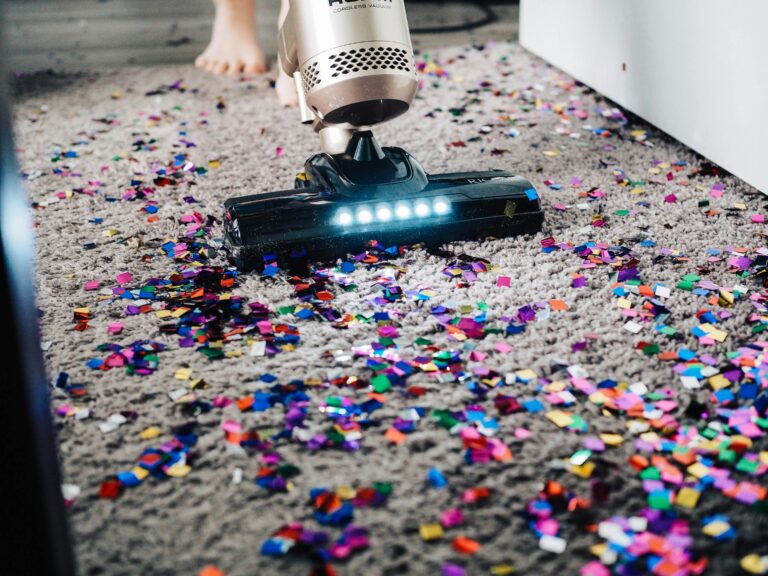
A quick cleanup starts with suction, then a tool matched to the fabric so loose fur, static cling, and embedded strands come up without rough scrubbing.
This guide covers quick, fabric-friendly ways to tidy a fur-covered sofa, with practical tips for pet owners who want cleaner cushions, seams, and corners without making the mess worse.
Start With The Fastest Hair Removal Tools
Loose hair comes off fastest when you pull it away before it settles into the weave. A vacuum cleaner with an upholstery attachment usually handles the biggest areas first, and that saves time when you need to clean dog hair off furniture in a hurry.
| Tool | Best Use | Why It Works |
|---|---|---|
| Vacuum upholstery attachment | Large cushions and seat backs | Pulls loose hair and pet dander from open fabric fast |
| Lint roller | Visible patches and small spots | Grabs surface hair on armrests, corners, and throw pillows |
| Rubber glove | Hair that has clung to fabric | Rubbed by hand, it builds static and rolls hair into clumps |
| Pet hair remover brush | Woven fabric and tight texture | Loosens trapped fur before a vacuum pass |
Dyson, Bissell, and similar vacuum cleaners with a HEPA filter help control loose dander while you work. The brand matters less than the narrow nozzle, because focused suction lifts hair instead of scattering it across the cushion.
- Start broad. Vacuum the largest flat areas before you touch seams or corners.
- Roll visible spots. A lint roller handles quick touch-ups on arms and pillows.
- Lift stubborn fur. Use a rubber glove or ChomChom Roller on dense patches.
- Brush, then vacuum. A pet hair remover brush works well on fabric that traps strands.
A Scotch-Brite style lint tool can help on smaller patches, but speed drops when the tool does not match the surface. That becomes obvious once hair moves from the top layer into the fabric, because embedded strands take a different approach.
Embedded strands call for a gentler, more targeted approach suited to the sofa’s weave.
Match The Method To Your Couch Material
Surface texture changes how hair clings, so the best way to remove pet hair from upholstery is not the same for every couch. A microfiber cloth can lift hair from smooth material, while a rough weave often needs brushing first so the strands release cleanly.
| Couch material | Best method | Use with care |
|---|---|---|
| Fabric upholstery | Vacuum, then brush, then lint roller | Skip rough scrubbing that can push hair into the fibers |
| Microfiber | Slightly damp microfiber cloth or rubber glove | Keep moisture light so you do not leave a mark |
| Leather couch | Dry microfiber cloth, then vacuum at the seams | Avoid excess water and harsh cleaners on the finish |
A hidden-spot test matters on every surface. A small patch behind a cushion shows whether the method leaves residue, dulls color, or raises the nap on a fabric couch before the problem becomes obvious.
Use only a light touch with any damp cloth. Too much water can leave rings on microfiber and seep into seams that dry slowly.
Leather has different needs because hair sits on top instead of weaving in, so a dry microfiber cloth often works faster than scrubbing. Once the surface is under control, the tight spots along seams and cushion edges become the next place to clear.
When the broad surface is handled, the narrow gaps and stitched edges demand a steadier hand.
Work The Seams, Cushions, And Tight Corners
Hair gathers where the cushion bends, where piping rises, and where the vacuum head cannot sit flat. Those narrow lines trap the buildup, which is why you get pet hair out of couch cushions by starting with the most compact spots first.
Loosen Hair Before You Collect It
An upholstery brush breaks up the clump before suction comes in. The brush bristles lift fur from the weave, and the vacuum then picks up what the fabric let go, which works better than trying to suck out a packed line of hair in one shot.
Check the seam edge under each cushion, too. Hair slides under there during daily use and hides in a strip that looks clean until you pull the cushion forward and see the buildup packed along the frame.
Follow A Better Order Of Operations
Lift the cushion, brush the edge, vacuum the line, and finish with a lint roller on any visible bits. That sequence keeps you from pressing the hair deeper into the weave, which happens when you start with dry wiping or hard rubbing.
For a deep tufted sofa, a pet hair remover brush such as the ChomChom Roller can help on the narrow bands near buttons and stitching. That order matters, because rushed cleaning can spread hair farther than you started with.
A careful sequence prevents the cleanup itself from pushing loose hair into harder-to-reach places.
Handle The Mess Without Spreading It Around
Static electricity makes dog hair jump from one spot to another, especially on woven fabric and synthetic blends. A dry cloth can slide the strands across the surface instead of pulling them away, which leaves the couch looking half-clean.
Dry wiping alone often shifts hair from the center of the cushion to the edges. A lightly damp microfiber cloth or a rubber glove gives the strands something to grab.
A spray bottle should stay conservative here. A slight mist on the cloth, not the cushion, gives you better pickup without soaking the fabric or leaving a patchy ring behind.
Fabric softener can change surface feel on some textiles, but residue can also attract more lint later, so use it with caution and skip it on any couch label that warns against added finish. From there, the better long-term fix is reducing the amount of hair that reaches the sofa at all.
Longer-lasting results come from cutting down the shedding before it ever lands on the cushions.
Keep Shedding Under Control Between Cleanups
Frequent grooming cuts the amount of loose hair before it lands on furniture. A short brushing session outside or over a washable mat removes what would otherwise end up in the fabric weave after your dog jumps up for the evening.
Use Barriers That Save Time
- Washable couch covers. They catch hair on top, so cleanup stays simple.
- Throw blankets. They give you a removable layer on high-traffic seats.
- Vacuum routine. A weekly pass keeps buildup from taking hold.
- Grooming schedule. Brushing your dog before heavy shedding periods lowers what reaches the couch.
A washable cover often beats bare upholstery in busy homes with heavy shedders. You can shake it out, wash it, and put it back without spending ten minutes on every cushion seam.
Regular upkeep also helps with pet dander, which rides along with loose fur and settles into fabric folds. Once that habit is in place, the last step is choosing a routine that fits your time, fabric, and budget.
Once that habit holds, the challenge shifts to finding a maintenance pattern that actually sticks.
Choose A Routine That Fits Your Home
A low-cost setup can work well with items already in your cleaning closet. A vacuum, rubber glove, lint roller, and slightly damp microfiber cloth cover most jobs without specialty products, and they handle the common mix of loose strands and embedded fur.
Use A Fast Daily Pass And A Deeper Weekly Pass
Daily touch-ups stay short: roll the visible spots, vacuum the seat where your dog naps, and wipe the arms once. Weekly cleaning can include the seams, the underside of cushions, and a brush pass before vacuuming, which keeps the couch from reaching the point where every move stirs up more hair.
A simple example helps here. After a shedding season burst, a golden retriever can leave a light layer across a microfiber sectional in one afternoon, while a short-haired dog may pack hair into the corners of a fabric loveseat over several days. The routine changes with the amount of hair, not with the size of the room.
That material-by-material routine is the cleanest answer to how to get dog hair off the couch without wasting effort. Start with suction, match the tool to the surface, and keep a small maintenance habit in place so the problem stays manageable.
A simple plan keeps the job efficient, balancing the right tool, the right surface, and regular upkeep.
Wrap Up
The fastest path is also the safest one: remove loose hair with suction, loosen what sits in the weave, and finish with the tool that fits your couch surface. Once you stop treating every couch the same, the job gets faster and the fabric stays in better shape.
FAQ
What is the easiest way to remove dog hair from a couch?
A vacuum with an upholstery attachment is the easiest starting point because it clears loose hair from large areas fast. A lint roller then handles the spots that still show after the vacuum pass.
How do you get embedded dog hair out of upholstery?
Use an upholstery brush to loosen the fur, then vacuum the area right away. That order lifts hair from the fabric weave instead of pressing it deeper with dry wiping or rough rubbing.
What should I use to remove pet hair without damaging fabric?
A hidden-spot test protects the fabric before you use any method. For most couches, a vacuum upholstery attachment, a rubber glove, or a slightly damp microfiber cloth gives you a safe starting point.
Does a vacuum or lint roller work better for dog hair on furniture?
The vacuum works better for broad areas and loose buildup, while the lint roller shines on small, visible patches. The fastest routine uses both, with the vacuum handling the bulk and the roller handling the finish.
How do you keep dog hair from sticking to the couch?
Frequent grooming, washable couch covers, and regular vacuuming cut down on buildup before it settles in. A short weekly touch-up also keeps static-cling hair from turning into a thicker layer.