Start by removing dry debris, then treat the fabric, seams, and foam with the lightest cleaner that fits the material. Sweat, skin oils, and odor-causing bacteria usually settle in the places you sit most, so the goal is to lift smell without soaking the cushions.
This guide covers safe ways to refresh a smelly sofa, from spotting where odors linger to choosing the right cleaner for fabric, cushions, and hidden seams.
Trace The Odor Before You Clean
Start by locating where the smell is strongest so you do not treat the wrong layer. A couch can smell like body odor on the surface, in the cushion foam, or deeper in the wooden frame, and each spot needs a different amount of moisture.
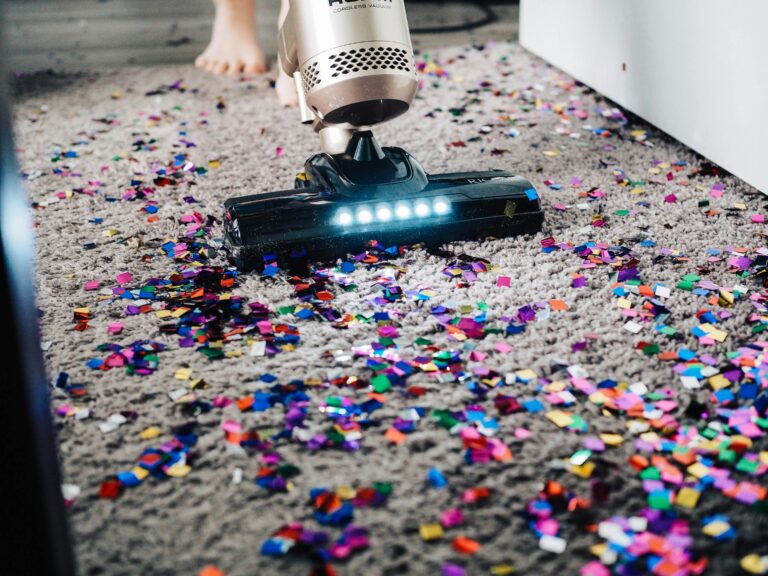
Vacuuming comes before any liquid because loose dirt, pet dander, and skin flakes hold odor and block cleaner from reaching the fabric. A crevice tool along seams, tufting, and zippers reaches the places where odor often hides longest.
Start dry. Water on grit can drive smell deeper, and a soaked cushion can hold odor for days.
Read The Smell By Location
Odor near armrests and headrests usually points to direct body contact, while a smell under the cushions often means the fill needs deeper attention. A damp or earthy note after rain or humid weather can also signal mold and mildew inside the foam.
Remove the seat cushions and check the frame rails, because wood can hold smell after spills and sweat transfer. That quick inspection tells you whether you are dealing with surface fabric, cushion inserts, or a deeper source.
Clear Loose Soil Before Any Cleaner
A vacuum cleaner with strong suction removes dust, lint, and dead skin cells before you add anything wet. Bissell, Hoover, and similar upright models all work here, but the attachment matters more than the brand name.
- Crevice pass: Run the nozzle along seams and piping to lift buried debris.
- Brush pass: Use a soft upholstery brush on dry fabric to loosen surface buildup.
- Under-cushion pass: Vacuum the deck beneath removable cushions, where crumbs and pet dander collect.
- Frame check: Sweep exposed wood and corners so odor does not keep cycling back into the fabric.
Once the loose material is gone, you can match the cleaner to the sofa material instead of guessing. That choice matters because the wrong liquid can spread the smell or leave a ring that is harder to remove than the original spot.
That choice determines whether the smell fades cleanly or gets pushed deeper into the upholstery.
Match The Cleaner To The Couch Material
Baking soda, white vinegar, an enzyme cleaner, and steam cleaner methods each solve a different part of the odor problem. The right choice depends on whether you need absorption, neutralization, or help breaking down the organic residue that body odor leaves behind.
Arm & Hammer baking soda works well on dry upholstery because it pulls in odor and surface moisture. White vinegar can help on many fabric couches, while an enzyme cleaner such as Resolve is useful when sweat smell keeps returning from the same area.
Baking Soda Works On Dry Fabric
Dry powder fits a clean smelly fabric couch because it sits on the fibers and absorbs lingering scent without wetting the cushion. Sprinkle a light, even layer, leave it in place for several hours, and vacuum it out carefully.
That approach helps with stale body odor that lives near the surface, not with a soaked cushion core. A heavy pile of powder is wasteful and harder to remove, so a thin coat works better for upholstery fabric.
White Vinegar Changes The Odor Chemistry
Diluted with water, white vinegar can help neutralize smells on many fabrics because acetic acid changes the chemistry of odor compounds rather than masking them. Sprayway and similar light-mist sprayers make it easier to apply a fine layer instead of drenching the cloth.
Keep the mixture mild, then blot after a short dwell time with a clean cloth. The vinegar smell fades as the couch dries, while a heavy soak can leave the fabric damp enough to invite mildew and mildew growth.
Enzyme Cleaner Targets Organic Residue
An enzyme cleaner breaks down proteins and oils left behind by sweat, skin flakes, and body soil. That matters because odor-causing bacteria feed on those leftovers, and the smell returns as long as the food source stays in the upholstery.
Febreze and Bissell upholstery cleaner products are made for freshening fabric, but an enzyme formula reaches the residue itself. Use it where the smell keeps coming back from the same spot, especially on headrests and the center seat.
| Cleaner | Best use | Main limit |
|---|---|---|
| Baking Soda | Dry fabric that smells stale at the surface | Does not reach deep foam on its own |
| Diluted White Vinegar | Many fabric couches with light to moderate odor | Too much liquid can leave the cushion damp |
| Enzyme Cleaner | Sweat, skin oils, and other organic residue | Needs contact time and a spot test |
| Steam Cleaning | Deep fabric refresh on approved upholstery | Heat and water can damage sensitive materials |
That comparison makes the next move easier, because the fabric-safe routine depends on putting the right product in the right place and keeping the couch as dry as possible.
Once the material is identified, the cleaning approach has to stay gentle and targeted.
A Fabric-Safe Routine For Surface Odors
A clean but smelly fabric couch needs small, controlled passes rather than a flood of cleaner. Spot test on a hidden area first, then work one section at a time so color loss or water rings stay contained.
The safest routine for how to get body odor out of a couch is a light application, a short dwell time, and a careful blot. Oversaturation pushes odor into the cushion fill and can leave the fabric smelling worse by evening.
Test Hidden Fabric Before Full Treatment
A hidden spot on the back skirt or under a cushion gives you the first clue about colorfastness. Dab a little cleaner there, wait until it dries, and look for fading, stiffness, or a dark ring before touching the main seating area.
That small check matters with blended fabrics, dyed linen, and older microfiber, where the weave can react differently from the tag description.
Work In Small Sections
Divide the seat, back, and arms into separate zones so the cleaner does not dry before you can blot it. A microfiber cloth works well because it lifts residue without scraping the weave.
- Light mist: Apply only enough liquid to dampen the top fibers.
- Short dwell: Let the product sit briefly so it can work on odor molecules.
- Clean blotting: Press with dry cloths instead of rubbing hard.
- High-contact focus: Spend extra time on armrests, seat fronts, and headrest areas.
Armrests and headrests hold more sweat and skin oil than the rest of the sofa, so those spots usually need the most attention before the smell starts to fade. From there, steam can help on some fabrics, but only if the material can handle heat and moisture.
Use Steam Only On Suitable Fabric
Steam cleaning can help with deep cleaning on some upholstery fabric because heat loosens grime and lifts residue from the pile. It is a poor match for delicate blends, glued backing, and leather, which should not be saturated.
Steam also adds moisture fast, so it belongs only on fabric that can dry quickly with airflow. That brings you to the part that keeps the odor from returning after the surface looks clean.
Even a careful surface clean can miss the hidden spots where odor lingers longest.
Reach Into Cushions, Seams, And Crevices
The smell often survives in places your cloth passes over but never reaches. Cushion inserts, piping, zipper seams, and the gap between cushions hold the grime that keeps reintroducing odor into the room.
Remove washable cushion covers, then treat the inserts separately so the smell does not stay trapped inside the foam. A sofa can look clean and still keep releasing odor each time someone sits down on it.
Clean The Hidden Edges
Seams and tight corners collect sweat, lint, and skin oils like a fine filter. Work baking soda into those edges on dry fabric, or apply a light enzyme cleaner pass where the smell feels strongest.
Use a soft brush only on sturdy upholstery fabric. Aggressive scrubbing can rough up the weave, which makes the spot hold dirt even faster next time.
Treat Cushion Inserts Separately
Couch cushions often hold more smell than the outer cover, because the fill acts like a sponge. A removable insert can air out flat for several hours, and that air exchange helps more than perfume sprays ever will.
For a sofa that smells strongest after long use, that insert treatment is the step that removes human smell from couch surfaces that look fine from the outside. A deep odor hiding in foam may need a full day of airflow before any deeper decision makes sense.
Read The Frame For Deeper Odor
Wooden rails and dust covers can hold on to smell after spills, sweat transfer, or pet accidents. If the couch still smells after the fabric dries and the cushions air out, the frame may be part of the problem.
That sort of lingering odor calls for patience, not more liquid. Let the entire piece air out fully before you decide whether the smell is still in the core or only on the surface.
Trapped moisture can undo the work, especially when the odor sits deeper than the fabric.
Drying Time That Prevents Odor From Returning
Airflow matters as much as the cleaner because damp upholstery can rebound into the same stale smell you just removed. Open windows, point a fan across the surface, and keep the cushions spaced apart so every side dries evenly.
A couch that feels cool or slightly tacky is not ready for use. Trapped dampness can bring the smell back, and in a closed room it can shift the problem toward mildew.
Use moving air, not heat blasts. A gentle fan dries fabric more evenly and lowers the chance of a water line or stiff patch.
Keep Weight Off Wet Fabric
Sitting too soon compresses damp fibers and slows evaporation in the exact place that needs air most. That pressure also pushes moisture deeper into the fill, where odor is harder to remove.
Wait until the arms, seat, and cushions feel fully dry to the touch. A dry hand should pick up no coolness at all.
Repeat Only After Full Drying
Another deodorizing pass makes sense only after the couch is bone dry. Extra product on damp fabric stacks moisture on moisture, and that can push the smell deeper instead of lifting it out.
For stubborn cases, a second light round after drying works better than one heavy round. That approach is the safer path for how to get body odor out of a couch without turning it into a damp, musty problem.
When the smell survives repeated cleaning, the problem may be beyond a simple at-home fix.
When The Smell Calls For Professional Help
Persistent odor after vacuuming, spot testing, and drying points to a deeper issue than surface grime. Upholstery cleaner service becomes the practical next step when the smell keeps returning from the same seat, cushion, or frame section.
Musty damp odor deserves special attention because mold and mildew can grow inside foam long before you see any stain. Leather couches also need different cleaners than fabric couches, and they should never be saturated with water or vinegar.
Bring In An Upholstery Cleaner For Deep Odor
A professional has extraction tools that pull liquid and residue out of layers you cannot reach with a hand sprayer. That matters on older couches, thick sectional cushions, and pieces with a long history of sweat buildup.
Persistent odor after a proper DIY pass means the source is still buried. At that point, another surface spray only delays the fix.
Watch For Musty Or Damp Smells
A damp smell can point to mold and mildew inside the fill, especially after spills, high humidity, or a failed oversoaking attempt. That odor feels earthy, cellar-like, and stubborn even after airing out the room.
Because the source may sit inside the foam, the safest move is to stop adding moisture and get a deeper assessment. A couch with hidden mildew needs a different response than one that simply holds sweat smell.
Use Special Care On Leather
Leather upholstery needs a different cleaner than fabric because water can stain, stiffen, or darken the finish. A dry cloth and a leather-safe product work better than baking soda or vinegar on that surface.
That same rule applies to bonded leather and delicate trims. The material decides the method, not the odor alone.
That same principle leads to a few practical takeaways worth keeping in mind.
What To Remember
Body odor inside a couch comes from sweat, skin oils, and bacteria that settle into fabric, cushions, and seams. The cleanest fix starts with dry removal, then uses the lightest product that matches the material, followed by full airflow until the piece is dry.
That sequence matters more than any single spray. Trace the smell, clean the source, dry the couch completely, and you give the odor far less room to come back.
FAQ
How do you get body odor smell out of a couch?
Vacuum the couch first, then use baking soda on dry fabric, diluted white vinegar on many upholstery fabrics, or an enzyme cleaner on sweat and body oil residue. Finish with strong airflow until every treated spot is dry.
What can I spray on a couch to remove odor?
A light spray of diluted white vinegar works on many fabric couches, and an enzyme cleaner can help with organic odor sources. Keep the mist light, spot test hidden fabric, and avoid soaking the cushions.
Does baking soda remove body odor from furniture?
Baking soda helps absorb smell from dry upholstery and can reduce surface odor around seams and seat fabric. It works best as part of a full cleaning routine, not as the only step for a deeply trapped smell.
Can you use vinegar on a fabric couch to get rid of smell?
Yes, diluted white vinegar can help neutralize odor on many fabric couches. Use a mild mix, test a hidden area first, and blot lightly so the fabric does not stay wet long enough for mildew to develop.
How do you deodorize couch cushions without damaging them?
Remove washable covers, clean inserts separately, and use the least liquid possible on the foam. Dry airflow matters just as much as the cleaner, because a damp cushion can keep the smell alive or shift it toward mildew.