

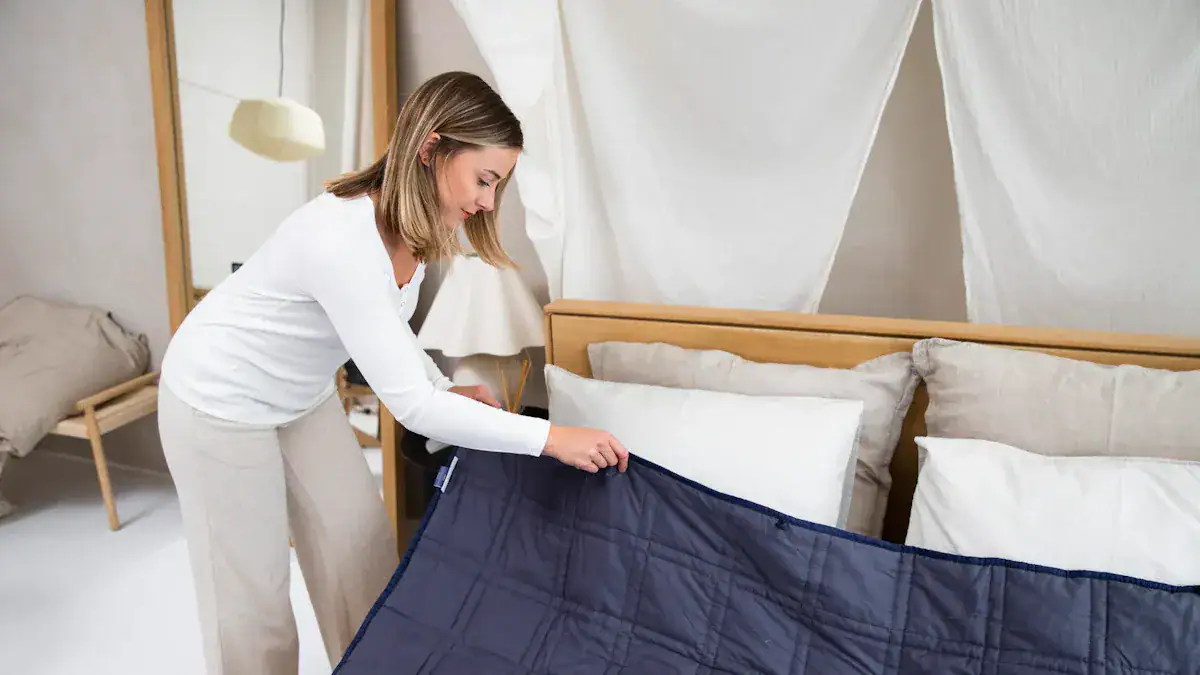
A wet mattress is a truly frustrating problem. But you can often save it with quick action. This guide offers practical, step-by-step Water Damage Fix Hacks for drying your mattress, preventing mold, and knowing when to seek help or replace. Accidental spills like coffee or juice, high humidity, or even night sweats often cause mattress water damage. You must act quickly to mitigate damage and health risks.
Key Takeaways
Act fast when your mattress gets wet. Remove bedding and blot water right away to stop damage.
Use fans and dehumidifiers to dry your mattress well. Make sure air flows all around it.
Baking soda helps remove smells. You can also use white vinegar to clean the mattress surface.
Look for mold signs like spots or a musty smell. If mold is bad or the mattress is damaged, you might need a new one.
Initial Response To A Wet Mattress
When you discover a wet mattress, your immediate actions are critical. These initial Water Damage Fix Hacks focus on quickly removing water and preparing the mattress for thorough drying. Speed helps prevent moisture from seeping deep into the mattress layers. This stops mold growth and structural damage.
Strip Bedding And Linens
Your first step is to remove all bedding and linens from the mattress. This includes sheets, blankets, pillows, and mattress protectors. You need to expose the entire wet area of the mattress. This allows you to assess the damage and begin the drying process effectively. You can wash most bedding items in a washing machine.
Blot Excess Moisture
After stripping the bed, you must act quickly to remove excess water. This is a crucial Water Damage Fix Hack. You need to absorb as much liquid as possible from the affected area. Use clean, dry towels or thick cloths. Press down hard on the wet spots. Do not rub the mattress, as this can push water deeper into the material. Instead, press firmly to mop up the water. As towels become saturated, swap them out for dry ones. Continue this process until you can no longer extract significant moisture. This reduces drying time and prevents deeper moisture penetration.
Vacuum With Wet/Dry Vac
For mattresses that are thoroughly soaked, a wet/dry vacuum is an excellent tool. This type of vacuum can efficiently extract liquids that towels alone cannot reach. Gently vacuum the damp areas of the mattress. Move the nozzle slowly over the wet spots to pull out as much water as possible. This step significantly reduces the amount of moisture trapped inside the mattress. After using the wet/dry vacuum, you will still need to follow up with other drying methods.
DIY Drying Techniques And Water Damage Fix Hacks
After you remove the initial excess water, you need to thoroughly dry your mattress. This section covers various methods for drying the mattress. It includes specific tools and techniques. You must elevate the mattress for proper airflow. You also need to use absorbent materials. Remember to avoid direct heat. These Water Damage Fix Hacks help you restore your mattress effectively.
Optimize Airflow And Ventilation
You need to create optimal airflow around your mattress. This is crucial for moisture evaporation. First, open windows wide to ensure fresh air circulates through the room. This cross-ventilation helps dry the mattress faster. Next, position the mattress so air can flow freely around all sides. You can stand it against a wall. Or, you can prop it up on chairs or sturdy boxes. This allows both surfaces to dry at the same time. Good ventilation is essential for quick drying.
Use Fans And Dehumidifiers
Fans and dehumidifiers significantly speed up the drying process. You should set up fans or a dehumidifier near the mattress. This promotes air circulation. Box fans or oscillating fans work well. You can point a primary fan at the wet area. Position it at a 45-degree angle. Then, set up a second fan opposite the primary fan. This creates cross-ventilation. You can also engage a ceiling fan to boost overall air movement. Multiple fans create powerful air circulation patterns. They speed up evaporation. They also ensure all surfaces receive airflow.
In humid environments, a dehumidifier is especially effective. Place it near the mattress. It actively pulls moisture from the air. This significantly reduces drying time. Set your dehumidifier to its highest setting. Close windows and doors to prevent humid air from entering the room. Remember to empty the water tank as needed. These Water Damage Fix Hacks are vital for thorough drying.
Apply Absorbent Materials
You can use absorbent materials to draw out remaining moisture. Baking soda is a natural absorbent. It also neutralizes odors. Sprinkle a generous amount of baking soda over the damp areas of the mattress. Let it sit for several hours, or even overnight. Then, vacuum it up. You can also place clean, dry towels or moisture-absorbing pads beneath the mattress. These help wick away dampness from the underside. Commercial moisture absorbers or desiccants are also effective for drawing out dampness.
Harness Sunlight For Drying
Sunlight offers some benefits for drying a mattress. UV rays act as a natural disinfectant. They kill up to 99% of bacteria, germs, and dust mites. Sunlight also neutralizes unpleasant smells. This leaves the mattress fresh. It helps reduce allergens and control dust mites. This creates a healthier sleeping environment. Sunlight is a natural, eco-friendly method. It saves money compared to chemical cleaning.
However, you must use caution. Cleaning experts have mixed opinions on using sunlight for mattress drying. Direct exposure can cause mattress materials to break down. It can also warp them. This leads to discoloration or fading of the fabric. Prolonged exposure to UV rays degrades mattress materials. This shortens their lifespan. Extreme heat from the sun causes materials to expand and contract. This leads to early wear. It can ruin a foam mattress’s support. UV rays can fade mattress colors. This indicates deeper damage to fibers. Mattresses exposed to sunlight for over six hours daily may develop mold within two weeks. Different mattress types react differently. Memory foam is highly sensitive to heat and UV rays. This alters its structure and comfort. It can reduce firmness by 10-15%. Therefore, you should err on the side of caution. Dry mattresses indoors or outdoors but away from direct sunlight. These Water Damage Fix Hacks prioritize mattress integrity.
Mold And Odor Control

After you dry your mattress, you must address any potential mold growth or lingering odors. This section helps you prevent mold and eliminate unpleasant smells. You need to ensure your mattress is completely dry to avoid future problems.
Identify Mold Signs
You need to look for signs of mold growth. Early visual signs of mold on a mattress include black, green, or white spots. These spots can appear anywhere on the mattress surface. They often have a fuzzy texture. You might see them on the top, sides, or bottom. A musty smell or stains on the mattress can also indicate mold growth. This happens even if you cannot see the mold yet.
Early Detection Tips:
Visual Indicators: Look for green, black, or white spots or streaks. Mold can appear fuzzy or slimy.
Musty Odor: A pungent, damp smell is often the first indicator.
Minor Discoloration: Small specks or light staining can be early mold signs.
Eliminate Odors With Baking Soda
Baking soda is excellent for removing odors. After your mattress is mostly dry, sprinkle a generous amount of baking soda over the entire surface. Let it sit for several hours, or even overnight. Baking soda absorbs odors. Then, vacuum up all the baking soda. This process helps neutralize any lingering smells.
Disinfect Mattress Surface
You should disinfect the mattress surface to kill bacteria and prevent mold. You can use several safe and effective disinfectants.
White Vinegar: This is a natural disinfectant. It helps break down stains and odors. Mix equal parts white vinegar and water in a spray bottle. Lightly mist the affected areas. Do not soak the mattress.
Hydrogen Peroxide: This is effective for treating stains and killing bacteria. You can use a 3% hydrogen peroxide solution. Apply it sparingly to stained or discolored areas.
Enzyme Cleaners: These cleaners break down organic stains like sweat. Follow the product instructions for application.
Always test any cleaner on a small, hidden area first. This ensures it does not damage your mattress fabric. Avoid products containing bleach. Bleach can damage mattress materials.
Ensure Complete Dryness
You must ensure your mattress is completely dry. Any remaining moisture can lead to mold growth. Continue using fans and dehumidifiers until the mattress feels dry to the touch. You can also use a moisture meter to check for hidden dampness. A completely dry mattress prevents mold and keeps your sleeping environment healthy.
When To Call Pros Or Replace
You have tried your best to dry your mattress. Sometimes, the damage is too severe. You must know when to call professionals or replace your mattress. This section helps you assess damage. It guides you in making informed decisions.
Recognize Irreparable Damage
You might face irreparable damage. Look for signs your mattress cannot be saved. Widespread mold growth is a major red flag. If mold covers a large area, or if you cannot remove it, replacement is likely necessary. A persistent, strong musty odor also indicates deep-seated mold or bacteria. Structural damage, like sagging or lumps, means the mattress integrity is compromised. These issues affect your sleep quality. They also pose health risks.
Consider Professional Cleaning
Sometimes, professional cleaning is a good option. You should consider this for significant spills or moderate water damage. When choosing a service, research local firms. Check online reviews for high ratings. Look for companies with industry certifications. These show adherence to standards. Ask about their experience with different mattress types. Compare transparent pricing. Understand their cleaning methods. Some use steam cleaning. Others use dry cleaning. Reputable companies often offer satisfaction guarantees. This ensures quality.
Understand Health Risks
Sleeping on a water-damaged mattress carries health risks. Water creates a perfect environment for mold and bacteria. These can cause serious health problems. A musty smell often means mold or bacteria are present. This happens even if you cannot see them. Mold and mildew can trigger allergies. They cause respiratory problems. You might experience coughing, sneezing, or difficulty breathing. This is especially true for sensitive individuals. Water damage can also make your mattress sag. This leads to discomfort. It can disturb your sleep.
Factors For Replacement
You should consider several factors for replacement. If the mattress is old, replacement might be better. The cost of professional cleaning versus a new mattress is important. If cleaning costs too much, buy a new one. Severe damage, like extensive mold or structural issues, usually means replacement. Your health is a priority. Do not risk it with a damaged mattress.
A wet mattress is not always a lost cause. Timely and correct action is crucial. You can successfully dry your mattress. You can also prevent mold. Remember the key steps. These include quick water removal, thorough drying, and mold control. Prioritize your health and safety. Know when to call professionals. Know when to replace your mattress. You can restore comfort and hygiene to your sleeping space.
💡 Tip: Use a waterproof mattress protector for future prevention.
FAQ
How long does it take to dry a wet mattress?
Drying time varies. It depends on how wet your mattress is and the drying methods you use. It can take several days. Use fans and dehumidifiers to speed up the process. Ensure it is completely dry before using it again.
Can I sleep on a mattress that is still damp?
No, you should not sleep on a damp mattress. Sleeping on a wet mattress can cause mold growth. It can also lead to unpleasant odors. This poses health risks. Wait until your mattress is completely dry.
What should I do if I see mold after drying?
If you see mold, clean the area with a vinegar solution. For widespread mold, consider professional cleaning. If the mold is extensive or returns, you may need to replace your mattress. Your health is important.
Is it safe to use a hairdryer on my mattress?
No, do not use a hairdryer. Direct heat can damage mattress materials. It can also create a fire hazard. Use fans and dehumidifiers instead. These methods are safer and more effective for drying.