

You want lab detergents that clean thoroughly without residue or interference. Try Sturelehub Triton X-100 for versatile non-ionic cleaning, or Alconox Powder for powerful, biodegradable manual and ultrasonic use. Alconox Liquinox offers mild, USDA-approved detergent that rinses clean. Dirty Labs Bio Enzyme targets tough stains with eco-friendly formula. Decon Labs Conrad NF suits heavy-duty cleaning, while McKesson Low Suds fits automated washers. Keep your soil types and instrument materials in mind—you’ll find smart choices to match your needs ahead.
| Sturelehub Triton X-100 Laboratory Cleaning Detergent |

| Versatile Surfactant | Detergent Type: Non-ionic surfactant solution | Packaging Size: 500 ml bottle | Intended Cleaning Use: Laboratory surfaces, instruments, DIY vinyl record cleaning | VIEW LATEST PRICE | Read Our Analysis |
| Alconox Powder Labware Detergent 4 lbs Box |

| Biodegradable Power | Detergent Type: Biodegradable anionic powder detergent | Packaging Size: 4 lbs box | Intended Cleaning Use: Glass, plastics, metals, ceramics, rubber, fiberglass labware | VIEW LATEST PRICE | Read Our Analysis |
| Alconox Liquinox Cleaning Detergent 1 Gallon (4) |
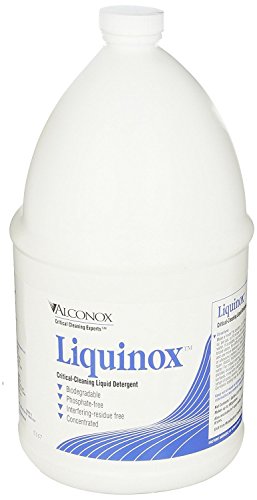
| Critical Cleaning | Detergent Type: Concentrated anionic liquid detergent | Packaging Size: 1 gallon bottle (case of 4) | Intended Cleaning Use: Critical manual and ultrasonic cleaning of labware | VIEW LATEST PRICE | Read Our Analysis |
| Dirty Labs Bio Enzyme Laundry Booster 48 Loads |
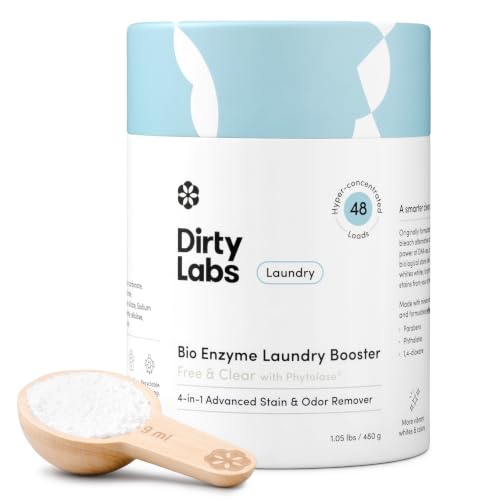
| Eco-Friendly Booster | Detergent Type: Bioenzyme hyper-concentrated powder booster | Packaging Size: 480 g (1 lb), 48 loads | Intended Cleaning Use: Laundry stain and odor removal booster | VIEW LATEST PRICE | Read Our Analysis |
| Decon Labs 6001 Conrad Nf Liquid (Pack of 2) |

| Bulk Lab Cleaner | Detergent Type: Liquid detergent (specific formulation not detailed) | Packaging Size: Pack of 2 (total weight 62.9 lbs) | Intended Cleaning Use: Science lab supplies cleaning (general lab detergent) | VIEW LATEST PRICE | Read Our Analysis |
| McKesson Low Suds Liquid Instrument Detergent 1 gal |

| Low-Foam Instrument Care | Detergent Type: Low suds liquid detergent | Packaging Size: 1 gallon jug | Intended Cleaning Use: Medical devices and surgical instruments cleaning | VIEW LATEST PRICE | Read Our Analysis |
More Details on Our Top Picks
Sturelehub Triton X-100 Laboratory Cleaning Detergent
In case you need a versatile and effective cleaning solution for your laboratory, Sturelehub Triton X-100 is an excellent choice. This non-ionic surfactant works as a detergent, emulsifier, dispersant, and solubilizer, making it perfect for cleaning countertops, instruments, and equipment. Using it improves your experimental accuracy by guaranteeing spotless surfaces. Packaged in a convenient 500 ml container, it’s easy to prepare diluted cleaning mixtures suited to your needs. With high-quality materials and reliable performance, you can trust Sturelehub Triton X-100 to deliver consistent results. Plus, prompt after-sales support assures any quality concerns are quickly addressed.
- Detergent Type:Non-ionic surfactant solution
- Packaging Size:500 ml bottle
- Intended Cleaning Use:Laboratory surfaces, instruments, DIY vinyl record cleaning
- Biodegradability / Environmental Safety:Not explicitly stated
- Concentration / Dilution:Ready-to-use solution or diluted for cleaning mixtures
- Special Attributes / Approvals:High-quality surfactant, enhances experimental accuracy
- Additional Feature:Non-ionic surfactant
- Additional Feature:DIY record-cleaning use
- Additional Feature:500 ml container
Alconox Powder Labware Detergent 4 lbs Box
Choose Alconox Powder Labware Detergent, 4 lbs Box whenever you need a powerful, biodegradable cleaner that handles glass, plastics, metals, and more without harsh chemicals. This concentrated anionic powder works great for manual and ultrasonic cleaning, replacing hazardous solvents and corrosive acids. You’ll find it effective on ceramics, porcelain, rubber, and fiberglass too. Packaged in a convenient 4-pound box, it’s a staple for any lab setting. With a strong reputation and ranking #2 in Science Lab Detergents, Alconox guarantees thorough, eco-friendly cleaning. Plus, you can report lower prices for potential price matches.
- Detergent Type:Biodegradable anionic powder detergent
- Packaging Size:4 lbs box
- Intended Cleaning Use:Glass, plastics, metals, ceramics, rubber, fiberglass labware
- Biodegradability / Environmental Safety:Biodegradable
- Concentration / Dilution:Concentrated powder, manual or ultrasonic use
- Special Attributes / Approvals:Replacement for hazardous solvents and acids
- Additional Feature:Biodegradable powder form
- Additional Feature:Replaces hazardous solvents
- Additional Feature:Price-match feedback available
Alconox Liquinox Cleaning Detergent 1 Gallon (4)
Alconox Liquinox Cleaning Detergent, available in a convenient case of four 1-gallon bottles, offers a powerful yet mild solution for lab professionals who demand spotless, residue-free results. This concentrated anionic detergent works well in both hard and soft water, maintaining a pH of 8.5. You can use it for manual or ultrasonic cleaning, especially in critical applications. Dilute it at 1:100 for peak performance. It rinses completely without leaving residues, ensuring your labware stays contamination-free. Plus, it’s USDA authorized and extremely mild, making it safe and effective for your toughest cleaning challenges.
- Detergent Type:Concentrated anionic liquid detergent
- Packaging Size:1 gallon bottle (case of 4)
- Intended Cleaning Use:Critical manual and ultrasonic cleaning of labware
- Biodegradability / Environmental Safety:Not explicitly stated
- Concentration / Dilution:Concentrated liquid, dilute 1:100
- Special Attributes / Approvals:Free-rinsing, USDA authorized, pH 8.5
- Additional Feature:USDA authorized
- Additional Feature:pH 8.5 formulation
- Additional Feature:Case of 4 gallons
Dirty Labs Bio Enzyme Laundry Booster 48 Loads
In case you need a powerful yet gentle solution for tough biological stains, Dirty Labs Bio Enzyme Laundry Booster delivers targeted stain and odor removal without harsh chemicals. This hyper-concentrated, scent-free powder tackles sweat, blood, and grime stains effectively while being safe for sensitive skin and septic systems. You can use it with both HE and standard washers, optimizing cold water washes. Its biodegradable, vegan formula contains no sulfates, dyes, or synthetic ingredients. Plus, its eco-friendly packaging and responsibly sourced materials reduce your environmental footprint. Just add it to your wash drum before clothes for best results alongside your detergent.
- Detergent Type:Bioenzyme hyper-concentrated powder booster
- Packaging Size:480 g (1 lb), 48 loads
- Intended Cleaning Use:Laundry stain and odor removal booster
- Biodegradability / Environmental Safety:100% bio and mineral-based, biodegradable, vegan, cruelty-free
- Concentration / Dilution:Hyper-concentrated powder booster
- Special Attributes / Approvals:Hypoallergenic, no synthetic chemicals, BPA-free packaging
- Additional Feature:Hypoallergenic and vegan
- Additional Feature:Bioenzyme stain removal
- Additional Feature:Uses recyclable packaging
Decon Labs 6001 Conrad Nf Liquid (Pack of 2)
In case you need a reliable detergent designed specifically for rigorous lab cleaning, Decon Labs 6001 Conrad Nf Liquid (Pack of 2) delivers powerful performance in every use. Manufactured in the United States by Decon Labs Inc., this science lab detergent comes in a pack of two, weighing nearly 63 pounds total. Its sizable packaging (16 x 14 x 9 inches) guarantees you have enough supply for extensive cleaning tasks. Since its release in 2017, it’s earned a solid reputation, ranking #19 in Science Lab Detergents. You can trust it to meet your demanding lab cleaning needs effectively and consistently.
- Detergent Type:Liquid detergent (specific formulation not detailed)
- Packaging Size:Pack of 2 (total weight 62.9 lbs)
- Intended Cleaning Use:Science lab supplies cleaning (general lab detergent)
- Biodegradability / Environmental Safety:Not explicitly stated
- Concentration / Dilution:Concentration details not specified
- Special Attributes / Approvals:Made in USA, science lab detergent rank #19
- Additional Feature:Made in USA
- Additional Feature:Large 62.9 lb pack
- Additional Feature:Pack of 2 bottles
McKesson Low Suds Liquid Instrument Detergent 1 gal
Should you need a reliable detergent that handles both automated washers and manual cleaning, McKesson Low Suds Liquid Instrument Detergent is a smart choice. Its low-foaming formula guarantees effective cleaning without damaging your surgical instruments like scalpels, scissors, and forceps. You’ll appreciate that it’s non-corrosive and free of chlorine, phosphates, and hydroxides, preserving your instruments’ integrity after repeated use. Packaged in a convenient 1-gallon jug, this detergent is designed for ease of use and durability. Since its 2014 release, it remains a trusted option for medical and lab environments demanding thorough, safe cleaning performance.
- Detergent Type:Low suds liquid detergent
- Packaging Size:1 gallon jug
- Intended Cleaning Use:Medical devices and surgical instruments cleaning
- Biodegradability / Environmental Safety:Not explicitly stated
- Concentration / Dilution:Low suds formula for automated/manual use
- Special Attributes / Approvals:Non-corrosive, no chlorine/phosphates/hydroxides, preserves instruments
- Additional Feature:Low-foaming for automation
- Additional Feature:Non-corrosive formula
- Additional Feature:Preserves instrument integrity
Factors to Consider When Choosing Science Lab Detergents
Upon choosing science lab detergents, you need to focus on cleaning effectiveness and how well the detergent works with your lab’s chemicals. You should also consider its environmental impact and how safe it is to handle. Finally, make sure the detergent suits your specific application to get the best results.
Cleaning Effectiveness
Selecting a detergent that effectively tackles the specific soils in your lab is essential for achieving thorough cleaning. Choose surfactants based on your soils: anionic for particulate or organic matter, non-ionic for oils and grease, and amphoteric whenever both types appear. Don’t just rely on visual checks—use quantitative measures like percent soil removal or residue assays such as TOC or surface reflectance to verify cleaning efficacy. Make sure the detergent works well at your intended dilution and temperature, whether cold, room, or raised. Also, prioritize formulations that rinse off cleanly, leaving minimal residues, confirmed through tests like conductivity or total dissolved solids. Finally, match your detergent to the cleaning method you use—manual, ultrasonic, or automated—for peak performance and superior cleaning results every time.
Chemical Compatibility
Because detergents interact with various materials and chemicals in your lab, guaranteeing chemical compatibility is essential to prevent damage and maintain accurate results. Check the surfactant type—anionic, cationic, non-ionic, or amphoteric—since some can denature proteins or interfere with disinfectants. Verify pH and buffering capacity: alkaline cleaners work well on organic soils but might corrode metals and plastics, while acidic ones remove mineral deposits but can damage carbonates and metals. Confirm solubility in your water type to avoid residues that disrupt assays. Make sure detergents lack interfering ions or contaminants that affect techniques like ICP, HPLC, or PCR. Finally, review compatibility with your instruments and sterilization methods to prevent material degradation or seal damage. This diligence guarantees safe, effective cleaning without compromising your lab’s integrity.
Environmental Impact
Grasping chemical compatibility helps protect your lab equipment and results, but it’s equally vital to weigh how your detergent choices affect the environment. Opt for biodegradable surfactants and builders like linear alkylbenzene sulfonates to reduce toxicity in aquatic systems. Avoid phosphorus-containing compounds or choose low-phosphate options to prevent eutrophication and harmful algal blooms. Steer clear of persistent, bioaccumulative, or toxic substances such as nonylphenol ethoxylates and long-chain perfluoroalkyls to minimize long-term ecological risks. Also, consider concentrated formulations with clear dilution instructions to cut packaging waste and chemical discharge. Finally, assess packaging recyclability and supplier transparency on life-cycle impacts and biodegradability testing to guarantee a lower environmental footprint. Making informed choices helps safeguard ecosystems while maintaining lab efficiency.
Safety And Handling
You should always review the Safety Data Sheet (SDS) before using any lab detergent to understand its hazards, required protective gear, and initial-aid steps. Use the recommended personal protective equipment like chemical-resistant gloves, splash goggles, and lab coats, especially while handling concentrated solutions or performing ultrasonic cleaning. Work in well-ventilated areas or under fume hoods to avoid inhaling fumes. Store detergents as instructed, segregating incompatible chemicals and keeping containers tightly sealed with clear labels. Follow manufacturer dilution guidelines carefully, adding detergent to water rather than the reverse to prevent reactions. Dispose of used solutions and rinse water per your institution’s chemical waste protocols, avoiding sink drains where prohibited. Proper safety and handling protect you and maintain detergent effectiveness during lab cleaning tasks.
Application Specificity
While selecting a science lab detergent, you’ll need to take into account several factors that directly impact cleaning effectiveness and instrument safety. Match the detergent’s chemical nature—anionic, non-ionic, enzymatic, or low-foaming—to your cleaning task. For delicate instruments or automated washers, non-ionic, low-foaming types work best, while enzymatic cleaners excel at breaking down protein-based soils. Consider the materials and contaminants involved: use neutral, non-corrosive detergents for metals and glassware, alkalines for grease, and enzymes for organic stains like blood. Should residue-free cleaning be critical, pick highly soluble, free-rinsing detergents that leave no interfering residues. Also, tailor your choice to the cleaning method—manual soaking, ultrasonic baths, or automated washers—since each demands specific formulations. Don’t forget regulatory constraints like pH compatibility and biodegradability.
Concentration And Dilution
Selecting the right detergent type is only part of the equation; managing its concentration and dilution plays a key role in achieving effective cleaning without compromising lab results. You need to follow precise dilution ratios—like 1:100 or 1:10—to avoid residues that can interfere with assays. Over-concentrated solutions can leave surfactant or salt traces, so stick to validated protocols and thorough rinsing. Use measurable dosing tools or premeasured sachets, and prepare fresh solutions whenever stability is limited, as some dilutions lose effectiveness over time. Adjust concentration based on soil load and the cleaning method, increasing it for heavy greases or decreasing it for delicate materials. Always label solutions with concentration, preparation date, and expiration to guarantee consistent cleaning and maintain safety compliance.
Packaging And Storage
Because proper packaging and storage directly impact detergent effectiveness and safety, you should choose containers made from chemical-resistant materials like HDPE, glass, or stainless steel to avoid reactions or degradation. Pick packaging sizes that fit your usage—smaller bottles for rare or critical-use detergents minimize contamination, while bulk jugs suit high-volume cleaning. Make certain labels clearly show concentration, dilution instructions, hazard info, shelf life, and opening dates to maintain safety and effectiveness. Store detergents in a cool, dry, ventilated spot away from sunlight, extreme temperatures, and incompatible chemicals like strong oxidizers. Use secondary containment such as spill trays and secure, segregated shelving to prevent cross-contamination and spills. These steps help preserve detergent stability and guarantee safe, reliable lab cleaning.
Cost Efficiency
Understanding how to store and package your detergents properly sets a solid foundation for evaluating their total cost efficiency. Instead of just comparing the price per container, focus on cost per effective use, like per liter of working solution or cleaning cycle, since dilution ratios vary widely. Highly concentrated detergents with 1:100 or greater dilution often reduce long-term expenses despite higher upfront costs. Also, consider indirect costs like labor time, compatibility with your cleaning equipment, and how often you need to re-clean due to residue. Don’t forget disposal fees and regulatory compliance, which can make cheap options pricier in the end. Finally, factor in lifecycle costs—packaging waste, storage space, and transportation—since bulk shipments could save money and space, impacting your lab’s budget greatly.
