
A backyard pond needs more than attractive plants and a few fish. Fresh water additions need conditioning, while moving water depends on a pump sized for the fountain, waterfall, or filtration setup you run. These pond essentials suit fishkeepers maintaining koi ponds, decorative water features, and smaller aquatic setups where consistent circulation matters.
A Side-By-Side Look

API Pond Aqua Essential Pond Water Conditioner 32-Ounce
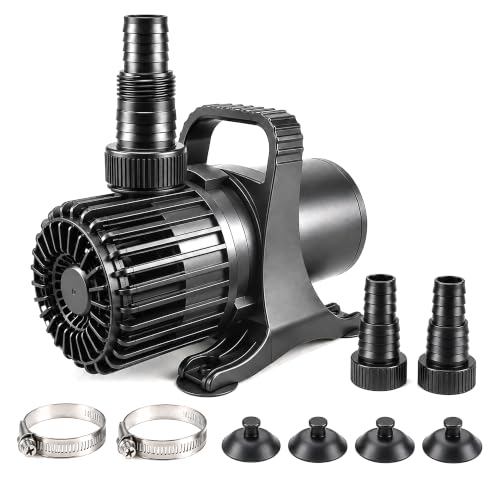
WaterRebirth 100W 1700 GPH Pond Pump for Koi Ponds
WaterRebirth 175W 3200 GPH Pond Pump for Koi Ponds
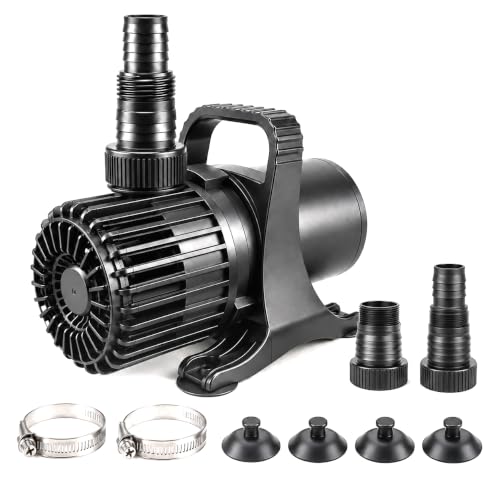
WaterRebirth 350W 7000 GPH Pond Pump for Koi Ponds
WaterRebirth 230W 4000 GPH Pond Pump for Koi Ponds
WaterRebirth 120W 2200 GPH Pond Pump for Koi Ponds

WaterRebirth 620W 9800 GPH Pond Pump for Koi Ponds

WaterRebirth 1100W 14000 GPH Pond Pump for Koi Ponds
WaterRebirth 520W 8600 GPH Pond Pump for Koi Ponds
The Details Behind The Selections
Fresh tap water can change a pond quickly, especially during a refill after cleaning or evaporation. API Pond Aqua Essential is a concentrated 32-ounce conditioner designed to address chlorine, chloramines, heavy metals, ammonia, nitrites, and nitrates.
Ammonia is a waste compound released by fish and decomposing matter, while nitrites and nitrates can build as pond waste breaks down. For fish ponds receiving municipal water, this is the most practical starting point in the group.
Positive Takeaways
- Addresses several common tap-water contaminants in one treatment.
- Useful during pond fills, water changes, and routine maintenance.
- Concentrated format keeps a single bottle easier to store.
- Supports ponds with fish, including koi-focused setups.
Things To Consider
- You still need to match treatment use to the volume of water added.
- A conditioner does not replace circulation or physical debris removal.
The 1700 GPH rating means this WaterRebirth model moves up to 1,700 gallons per hour, a flow measurement that helps you compare pumps. Its 100W motor places it at the smaller end of this pump group.
That makes sense for compact fountains, smaller koi ponds, aquariums, and modest waterfalls where oversized flow would overpower the layout. You may find it easier to place because the power cord reaches 20.3 feet.
Everyday Perks
- 1700 GPH suits smaller circulating-water projects.
- Submersible placement keeps the pump out of sight.
- The 20.3-foot cord gives more placement flexibility.
Worth Noting
- Its 1700 GPH output is less suited to broad, high-volume waterfalls.
- Check your hose route and lift requirements before selecting flow capacity.
- Its 100W rating still requires access to a suitable power connection.
Who It Suits Best
Small-pond keepers and fountain owners needing a 100W submersible pump benefit most.
Where Another Pick Suits Better
WaterRebirth 230W 4000 GPH Pond Pump for Koi Ponds suits larger circulation demands.
Moving from 1700 GPH to 3200 GPH gives a pond feature considerably more water circulation potential. The WaterRebirth 175W 3200 GPH Pond Pump sits between the smaller 100W model and the 4000 GPH option.
Its silicon carbide shaft and drive-ring components are intended for wet-running pump use, while the inlet mesh helps block larger debris from entering. For a medium pond or waterfall, that balance may be the sensible middle route.
Key Advantages
- 3200 GPH provides more movement than the 1700 GPH model.
- Silicon carbide parts support the pump’s moving assembly.
- Inlet mesh helps limit larger debris intake.
- Suitable for ponds, fountains, aquariums, and hydroponic setups.
- 20.3-foot cord supports flexible equipment placement.
Trade Offs
- The 175W motor draws more power than the 100W WaterRebirth option.
A 7000 GPH pump changes the conversation from gentle circulation to substantial water movement. The WaterRebirth 350W 7000 GPH Pond Pump is built for larger fountains, waterfalls, and pond systems that need a stronger return flow.
Like the smaller WaterRebirth units, it can operate submerged and includes a 20.3-foot power cord. The honest read is that this output belongs with a feature designed to use it, not a small basin.
Practical Pluses
- 7000 GPH supports larger waterfall and fountain layouts.
- Submersible operation keeps equipment contained within the system.
Minor Gripes
- Its 350W rating is a meaningful step up from midrange models.
- Small ponds may receive more flow than their layout needs.
- Confirm that plumbing can accommodate a higher-flow pump.
- Plan outlet access around the 20.3-foot cord length.
Made For
Large-pond owners with broad waterfalls or strong fountain displays fit this 7000 GPH pump.
Consider Something Else When
WaterRebirth 120W 2200 GPH Pond Pump for Koi Ponds fits restrained water features better.
The WaterRebirth 230W 4000 GPH Pond Pump occupies a useful spot between 3200 GPH and 7000 GPH. That 4000 GPH rating suits pond keepers who want stronger circulation without moving straight into the larger 350W pump.
An inlet mesh cover helps stop larger debris from being drawn into the pump, and silicon carbide components support the shaft and drive ring. In a pond with falling leaves or nearby mulch, that intake protection is a useful detail.
What Helps Most
- 4000 GPH offers a clear step above 3200 GPH circulation.
- Inlet mesh helps reduce larger debris entering the unit.
- Silicon carbide shaft and drive-ring parts support the pump mechanism.
- Works submerged for ponds, fountains, aquariums, and hydroponics.
Room For Improvement
- Its 230W motor calls for more power planning than smaller pumps.
- Waterfall plumbing should be sized around the intended flow.
For a pond that needs more movement than the 1700 GPH model without the scale of a 4000 GPH pump, this 2200 GPH version lands neatly in the middle. Its 120W motor keeps the difference from the 100W option modest.
The submersible design works across ponds, fountains, aquariums, and hydroponic projects. For most small backyard features, it offers a more measured direction than the much larger WaterRebirth pumps.
The Helpful Details
- 2200 GPH adds flow beyond the 1700 GPH model.
- 120W motor provides a modest step up in power.
- Suitable for several water-circulation settings.
- The 20.3-foot cord helps avoid cramped placement.
- Submersible setup keeps the pump within the water system.
- Inlet mesh helps limit larger debris intake.
Points To Note
- Large waterfalls benefit more from the 7000 GPH and higher models.
Right Fit For
Small pond owners wanting moderate water movement for a fountain or short waterfall fit this model.
Not Your Match When
WaterRebirth 350W 7000 GPH Pond Pump for Koi Ponds suits larger waterfall systems more naturally.
The WaterRebirth 620W 9800 GPH Pond Pump is for systems where 7000 GPH is not enough water movement. Its 9800 GPH rating makes it a serious option for large ponds, wider waterfalls, and higher-demand circulation routes.
It retains the submersible format, silicon carbide shaft and drive ring, debris-screened inlet, and 20.3-foot cord found across the series. That said, its 620W rating calls for an intentional electrical and plumbing plan.
Advantages To Know
- 9800 GPH supports substantial water movement.
- Useful for large ponds and broad waterfall features.
- Inlet mesh helps keep larger debris out of the pump.
- Silicon carbide components support the internal drive assembly.
- Submersible use keeps the installation contained in the water feature.
Softer Spots
- 620W places it well above smaller pumps in electrical demand.
- Small ponds can be overwhelmed by this level of circulation.
At 14000 GPH, this WaterRebirth pump sits at the high-output end of the list. It suits large installations where long water paths, wide spills, or heavy circulation needs make smaller pumps impractical.
The pump can operate submerged or on land, giving you more layout options than a strictly in-water unit. One thing worth considering is the 1100W motor, which makes careful electrical planning part of the installation.
Strengths Worth Knowing
- 14000 GPH serves the largest flow needs here.
- Can run submerged or on land.
- Five outlet directions provide layout flexibility.
Small Caveats
- 1100W is intended for demanding systems, not compact fountains.
- Your hoses, return path, and electrical setup need to suit higher output.
- Large flow can be excessive for shallow or lightly planted ponds.
Best Suited To
Large pond installations with ambitious waterfalls and substantial circulation paths suit this 1100W pump.
A Better Fit Elsewhere
WaterRebirth 175W 3200 GPH Pond Pump for Koi Ponds suits medium water features with lower demand.
The WaterRebirth 520W 8600 GPH Pond Pump fills the gap between the 7000 GPH and 9800 GPH versions. Its 8600 GPH rating makes it a logical match for large ponds that need more push than the 350W model provides.
Like its close relatives, it offers submersible use, a screened inlet, silicon carbide drive components, and a 20.3-foot cord. For a larger waterfall with a defined return route, this may be the more measured high-output choice.
Notable Upsides
- 8600 GPH supports high-volume pond circulation.
- 520W sits below the 620W and 1100W models.
Areas To Watch
- Large-flow pumps need plumbing designed for substantial water movement.
- Its output can be more than a modest pond or fountain needs.
- Plan the power source around the 20.3-foot cord reach.
What Matters Before Building Your Pond Setup
Match Flow to the Water Feature
Pump flow should match the size and shape of your pond, plus the waterfall or fountain you want to run. A compact basin usually needs far less movement than a broad waterfall return. Higher GPH pumps suit longer routes and larger water features, while lower-flow models keep smaller systems more controlled.
Plan the Electrical Route
Every pump here uses a 20.3-foot power cord, so map the outlet position before selecting a location. Motor wattage rises sharply from 100W to 1100W across these options. A larger motor can support more flow, but your setup needs to accommodate that demand.
Separate Water Preparation From Circulation
A water conditioner and a pond pump solve different jobs. API Pond Aqua Essential prepares new tap water by treating listed contaminants, while WaterRebirth models move water through the feature. Fish ponds often need both categories working together.
Check Your Intake Environment
Ponds near trees, garden beds, or loose mulch can send debris toward a pump inlet. The WaterRebirth pumps include mesh inlet covers to help block larger material. Regularly check the intake area so water can move as intended.
Practical Details That Shape the Right Fit
Common Shopping Slip Ups
Avoid selecting a pump from GPH alone. Consider your pond size, waterfall path, plumbing, and whether the water feature needs gentle or forceful movement.
Where the Extra Money Goes
Higher-tier pumps bring higher GPH ratings and larger motor ratings. Spending up makes more sense for a large pond, broad waterfall, or system with long water routes.
Frequently Asked Questions
What does GPH mean for pond pumps?
GPH means gallons per hour. It describes the amount of water a pump is rated to move in an hour.
Do pond pumps and water conditioners do the same job?
No, they serve different purposes. A pump circulates water, while a conditioner prepares newly added tap water.
Which pump size fits a small pond fountain?
A lower-flow option such as the WaterRebirth 100W 1700 GPH Pond Pump can suit compact fountain setups. Your fountain design and plumbing route still affect the right fit.
Why does pump wattage matter?
Wattage indicates the motor’s listed electrical rating. Higher-flow pumps in this group also use higher wattage motors.
Can these WaterRebirth pumps work in more than ponds?
Yes, the listed WaterRebirth pumps are intended for ponds, fountains, aquariums, and hydroponic setups. Match the flow rating to the specific water feature you maintain.