

Funny coincidence — you’re pondering about cleaning right as these five iRobot models pop up as top picks. You’ll get options from a budget-friendly Roomba 675 to a self-emptying i2 and LiDAR‑equipped 105 Combo, plus a low‑profile 770 that loves pet hair. I’ll outline what makes each stand out and what to weigh next, so you can pick the one that actually makes chore time tolerable.
| Roborock Qrevo S5V Robot Vacuum & Mop |

| Feature-Packed Leader | Cleaning Type: Vacuum + Mop combo | Navigation: LiDAR (PreciSense) with multi-floor mapping | App / Smart Control: Roborock app (Wi‑Fi) + voice assistant support | VIEW LATEST PRICE | Read Our Analysis |
| iRobot Roomba 770 Robotic Vacuum Cleaner |
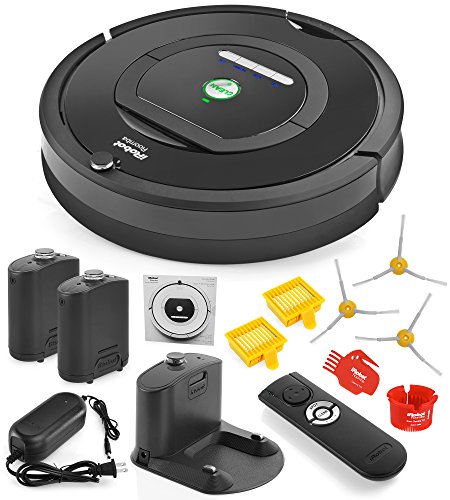
| Reliable Classic | Cleaning Type: Vacuum only | Navigation: Sensor-based iAdapt navigation | App / Smart Control: Remote control (and scheduling) — no native app listed | VIEW LATEST PRICE | Read Our Analysis |
| iRobot Roomba 105 Combo Robot Vacuum & Mop |

| Heavy-Duty Combo | Cleaning Type: Vacuum + Mop combo | Navigation: LiDAR (ClearView) mapping | App / Smart Control: Roomba Home app + voice assistant support | VIEW LATEST PRICE | Read Our Analysis |
| iRobot Roomba 675 Robot Vacuum (Renewed) |

| Everyday Essential | Cleaning Type: Vacuum only | Navigation: Adaptive navigation with sensors | App / Smart Control: iRobot HOME app + voice assistant support | VIEW LATEST PRICE | Read Our Analysis |
| iRobot Roomba i2 (2152) Wi‑Fi Robot Vacuum |
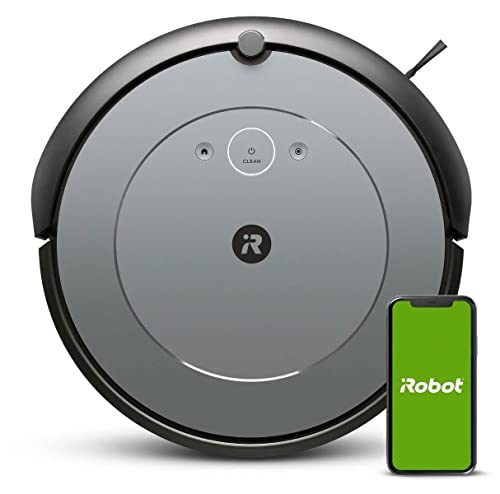
| Smart Pet Pick | Cleaning Type: Vacuum only | Navigation: Straight-row mapping with simple map | App / Smart Control: Wi‑Fi + iRobot OS / Alexa compatibility | VIEW LATEST PRICE | Read Our Analysis |
More Details on Our Top Picks
Roborock Qrevo S5V Robot Vacuum & Mop
Should you live with shedding pets or deal with frequent messes, the Roborock Qrevo S5V is built to handle them: its 12,000Pa HyperForce suction and SGS-certified Zero-Tangle System keep pet hair from clogging brushes while dual 200 RPM spinning mop pads and a 30-level water control tackle stubborn stains without soaking carpets. You’ll appreciate LiDAR mapping with multi-floor support, Reactive Tech obstacle avoidance, and SmartPlan room-specific cleaning. The All‑in‑One dock auto-empties up to 10 weeks, self-washes and dries mops, and refills the tank for up to 3,552 sq ft. App and voice control let you schedule, tweak, and monitor remotely.
- Cleaning Type:Vacuum + Mop combo
- Navigation:LiDAR (PreciSense) with multi-floor mapping
- App / Smart Control:Roborock app (Wi‑Fi) + voice assistant support
- Pet‑friendly / Hair Handling:Zero‑Tangle brush system optimized for pet hair
- Auto‑Dock / Charging:Auto‑docks; multifunctional dock with auto‑empty/refill/self‑wash
- Scheduling:Advanced scheduling via app (custom cleaning, room scheduling)
- Additional Feature:Dual 200 RPM mops
- Additional Feature:Auto tank refilling
- Additional Feature:PreciSense LiDAR mapping
iRobot Roomba 770 Robotic Vacuum Cleaner
In case you’ve got pets or a high-traffic home, the iRobot Roomba 770 delivers focused cleaning where you need it most—its Dirt Detect Series II and 3‑Stage Cleaning System target hair, dust, and concentrated grime while iAdapt guidance maps and adapts to rooms for consistent coverage. You’ll appreciate Roomba 770’s low 3.6-inch profile that slips under furniture, automatic docking and recharging, and scheduling up to seven times weekly. It handles all floor types, excels at pet hair pickup, and uses a NiMH battery with remote control. Included are battery, filter, and water tank; warranty details are provided from the manufacturer.
- Cleaning Type:Vacuum only
- Navigation:Sensor-based iAdapt navigation
- App / Smart Control:Remote control (and scheduling) — no native app listed
- Pet‑friendly / Hair Handling:Superior pick‑up power on pet hair
- Auto‑Dock / Charging:Automatically docks and recharges
- Scheduling:Scheduling up to 7 times/week; manual CLEAN button
- Additional Feature:Dirt Detect Series II
- Additional Feature:Fits low-clearance furniture
- Additional Feature:Remote control included
iRobot Roomba 105 Combo Robot Vacuum & Mop
Should you want a low-maintenance cleaning solution that handles vacuuming and mopping while cutting down on allergen exposure, the Roomba 105 Combo is a solid pick — its AutoEmpty dock lets you go up to 75 days without touching dust and traps 99% of allergens down to 0.7 microns. You’ll get 70× power-lifting suction, a multi-surface main brush plus edge-sweeping brush for 20% better edge cleaning, and a built-in mop with micro-pump and SmartScrub for twice the scrubbing. ClearView LiDAR maps quickly, avoids carpets while mopping, and prevents falls. Use app, voice, or on-robot controls and schedule targeted cleans.
- Cleaning Type:Vacuum + Mop combo
- Navigation:LiDAR (ClearView) mapping
- App / Smart Control:Roomba Home app + voice assistant support
- Pet‑friendly / Hair Handling:Multi‑surface main brush + improved edge cleaning for pet hair
- Auto‑Dock / Charging:AutoEmpty dock included (hands‑free emptying)
- Scheduling:Scheduling and room targeting via app
- Additional Feature:AutoEmpty Docking system
- Additional Feature:SmartScrub deep scrubbing
- Additional Feature:Carpet‑avoid while mopping
iRobot Roomba 675 Robot Vacuum (Renewed)
In case you want an affordable, reliable robot that handles daily dirt and pet hair with app and voice control, the renewed iRobot Roomba 675 is a smart choice—its 3‑Stage Cleaning system and Dual Multi‑Surface brushes adapt to carpets and hard floors while Wi‑Fi connectivity and Alexa/Google Assistant support make scheduling and hands‑free starts effortless. You’ll appreciate Adaptive guidance with sensors that steer under and around furniture, Cliff Detect for stairs, and Dirt Detect that concentrates cleaning where it’s needed. The Auto‑Adjust Cleaning Head and Edge‑Sweeping brush enhance performance. It runs up to 90 minutes, docks to recharge, and learns habits to suggest personalized schedules.
- Cleaning Type:Vacuum only
- Navigation:Adaptive navigation with sensors
- App / Smart Control:iRobot HOME app + voice assistant support
- Pet‑friendly / Hair Handling:Good for pet hair (dual multi‑surface brushes)
- Auto‑Dock / Charging:Automatically docks and recharges
- Scheduling:Scheduling via app or voice
- Additional Feature:Learning personalized schedules
- Additional Feature:Cliff Detect safety
- Additional Feature:Auto‑Adjust cleaning head
iRobot Roomba i2 (2152) Wi‑Fi Robot Vacuum
Choose the Roomba i2 should you want reliable, no‑nonsense cleaning for homes with pets and mixed floors — it pairs 10x Power‑Lifting Suction and dual rubber brushes to tackle hair, carpets, and hard floors while resisting tangles. You’ll get Wi‑Fi connectivity, straight‑row guidance, and a simple cleaned‑area map so you can monitor progress. Its 3‑stage system and Dirt Detect concentrate effort where messes are worst. iRobot OS learns your habits, suggests schedules, and can start once you leave. It works with Alexa and an optional Clean Base for up to 60 days of self‑emptying. The unit’s plastic build is imported.
- Cleaning Type:Vacuum only
- Navigation:Straight-row mapping with simple map
- App / Smart Control:Wi‑Fi + iRobot OS / Alexa compatibility
- Pet‑friendly / Hair Handling:Designed for pet hair; tangle‑resistant dual brushes
- Auto‑Dock / Charging:Supports automatic workflows; Clean Base compatible (sold separately)
- Scheduling:Automated scheduling and personalized suggestions
- Additional Feature:10x Power‑Lifting suction
- Additional Feature:Straight‑row navigation
- Additional Feature:Clean Base compatible
Factors to Consider When Choosing an iRobot Vacuum
When picking an iRobot, consider about cleaning performance initially — does it handle dirt, crumbs, and pet hair well? Check guidance and mapping features plus battery life to make certain it covers your home reliably. In case you have pets or hard floors, also weigh pet-hair handling and any mopping capability.
Cleaning Performance
Consider how well the robot actually cleans—suction, brush design, multi-stage systems, mopping features, and filtration all determine real-world results, from pulling embedded pet hair out of carpet to removing stubborn kitchen stains and trapping allergens so you don’t breathe them back in. You should prioritize higher suction (pascals or relative “×” ratings) for deep-cleaning rugs and lifting ground-in dirt. Check brush types: multi-surface rubber and floating main brushes resist tangles, while effective side/edge brushes improve corner pickup. Look for multi-stage systems and “dirt detect” modes that agitate, brush, then suction to concentrate power where needed. In case you require mopping, choose rotating or vibrating pads, adjustable flow, and mop-lift to protect carpets. Finally, opt for strong HEPA/micron filtration and adequate bin or dock capacity to limit emptying and trap allergens.
Navigation & Mapping
Good wayfinding matters as much as strong suction—without reliable mapping the robot could miss spots, bump into furniture, or clean inefficiently. You should prioritize LiDAR or camera-based systems that build accurate floor plans and support multi-floor maps so the vacuum recalls layouts and auto-switches between levels. Look for real-time obstacle detection—structured light or 3D sensing—to dodge cables, furniture legs, and toys. Prefer systematic, row-by-row route-finding over random bump-and-shuffle behavior for complete, efficient coverage. Check app features: room segmentation, virtual No-Go/keep-out zones, per-room scheduling, and resilient map editing (naming, merging, splitting). Finally, verify saved-map support and automatic map updates so the robot adapts to furniture changes and maintains reliable long-term guidance.
Battery Life
Although runtime specs are handy, you’ll want to dig into real-world battery behavior to know how much cleaning a single charge will actually deliver. Check stated runtimes—roughly 60 to 180+ minutes—but bear in mind actual minutes depend on suction level, brush load, carpet vs hard floors, and extra features like mopping or Wi‑Fi. Prefer lithium‑ion over NiMH for better energy density, faster charging, and steadier performance. Look for tested runtimes at different power modes instead of peak specs alone. Evaluate charge-and-recovery behavior: fast recharge and auto-resume let the robot top up and finish large jobs. Finally, factor expected cycle life and manufacturer replacement guidance so you can estimate long-term maintenance costs and at which point capacity will noticeably decline.
Pet Hair Handling
After you’ve checked runtime and recharge behavior, consider how well a model handles pet hair—it’s a different challenge than general debris and can clog brushes and bins fast. You’ll want a high‑suction motor (watch Pascals or power‑lifting claims) and multi‑stage cleaning to pull embedded hair from carpets and upholstery. Pick anti‑tangle or rubberized multi‑surface brushes and edge brushes that resist hair wrap to cut maintenance. Brushless or floating brush designs and height‑adjusting heads keep close contact across pile heights for better pickup on low to medium carpets. Prefer models with automatic dirt‑disposal docks or larger dust bins so hair doesn’t fill containers constantly. Finally, choose washable filters and HEPA or high‑efficiency filtration to trap dander and protect allergy sufferers.
Mopping Capability
Consider how you want your robot to clean floors: some models only vacuum, some only mop, and others can do both in one run, so pick a machine whose mop/vacuum modes match your routine. Decide whether you need adjustable water‑flow or mop pressure so you can protect hardwoods and dial cleaning strength for stains. Check the mop mechanism—single‑pass spray, dual spinning pads, or oscillating micro‑scrub—as each removes grime differently. Make sure the robot detects carpets or auto‑lifts the mop so rugs don’t get soaked. In case you desire longer unattended mopping, look for docks that auto wash mop pads, refill water, or warm‑air dry; these features extend run time and improve results without constant supervision.
Maintenance Requirements
Because regular upkeep directly affects performance and longevity, you’ll want to know what routine maintenance a model requires before buying. Check how often brushes and filters need attention—plan to clean or replace them every 1–3 months depending on usage and pet hair. Empty the dust bin after each run or at least weekly to avoid suction loss and dust leakage. Should you have pets or long hair, inspect and untangle main and side brushes, bearings, and wheels weekly to prevent motor strain. Replace consumables on the manufacturer schedule—filters and brush parts typically every 2–6 months; mop pads as they wear. Clean sensors, charging contacts, and wheels every 1–2 weeks and deep-clean tanks or mop assemblies after heavy use.
Smart Home Integration
Whenever you’re integrating a robot into your smart home, make certain it actually works with the voice assistants, Wi‑Fi band, and automation platforms you already use so controls and routines run reliably; also check app features like scheduling, room targeting, and keep‑out zones, multi‑user access and secure account options, and whether firmware updates, APIs, or IFTTT support are available to keep the vacuum interoperable and manageable over time. You’ll want confirm support for Alexa or Google Assistant and that the vacuum connects to your home network (note 2.4 GHz vs 5 GHz). Look for app scheduling, remote start/stop, per-room cleaning, and keep‑out settings. Assure hub/automation compatibility for triggers like “start once I leave,” multi-user access with secure auth, and automatic firmware or API/IFTTT support to keep integrations working.
Dust Disposal Options
Decide how much hands‑off convenience and allergen control you want while choosing a dust‑disposal system, since options range from simple open bins to self‑emptying, bagged docks that hold weeks of debris and limit airborne particles during emptying. You’ll appreciate automatic docks that store several weeks to months of debris, cutting how often you touch the bin. Prefer bagged systems provided allergens matter: sealed bags trap fine particles down to sub‑micron sizes better than open bins and reduce airborne dust upon being emptied. Self‑emptying bases typically shift robot contents into a 1–3 liter dock that could use replacement bags or require periodic manual emptying. Decide between sealed disposable bags for containment or reusable containers to save on supplies, and check filter, seal, and suction maintenance needs.
