

You want smoke and CO alarms that won’t fail at the critical moment, so pick batteries with long life, stable voltage, and low leakage risk. I’ll outline top choices—from reliable 9V lithium to trusted alkaline and CR123A options—and explain what to watch for to avoid false chirps and corrosion. Stay with me and you’ll know exactly which cells to buy and why they matter for home safety.
| POWEROWL 9V 1200mAh Lithium Batteries (2-Pack) |

| Longest-Lasting | Battery Type: 9V Lithium | Shelf Life / Storage: Up to 10 years shelf life | Leak / Corrosion Resistance: Leak-proof, anti-corrosion design | VIEW LATEST PRICE | Read Our Analysis |
| rapthor CR123A 3V Lithium Batteries 20-Pack (CR17345) |
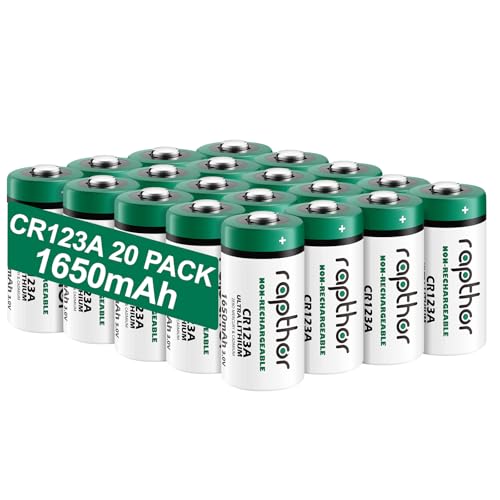
| High-Capacity Pack | Battery Type: CR123A (3V) Lithium | Shelf Life / Storage: Up to 10 years shelf life | Leak / Corrosion Resistance: Built-in protections (PTC) and certified safety — low self-discharge (implies robust design) | VIEW LATEST PRICE | Read Our Analysis |
| DURNERGY 9V Alkaline Batteries 12-Pack (10-Year) |

| Best Bulk Value | Battery Type: 9V Alkaline | Shelf Life / Storage: 10-year shelf life | Leak / Corrosion Resistance: Corrosion-resistant steel shell, leak-proof sealing | VIEW LATEST PRICE | Read Our Analysis |
| BRK First Alert SMI100 Battery-Operated Smoke Alarm 3-Pack |

| Plug-and-Play Safety | Battery Type: Uses replaceable 9V batteries (battery-operated smoke alarm) | Shelf Life / Storage: Not a battery product — uses batteries designed for standard replacement (implied long-life compatibility) | Leak / Corrosion Resistance: Designed for battery operation with front-access compartment — compatible with leak-resistant batteries | VIEW LATEST PRICE | Read Our Analysis |
| Energizer Ultimate Lithium 9V Batteries (2 Pack) Lithium 9 Volt Batteries |
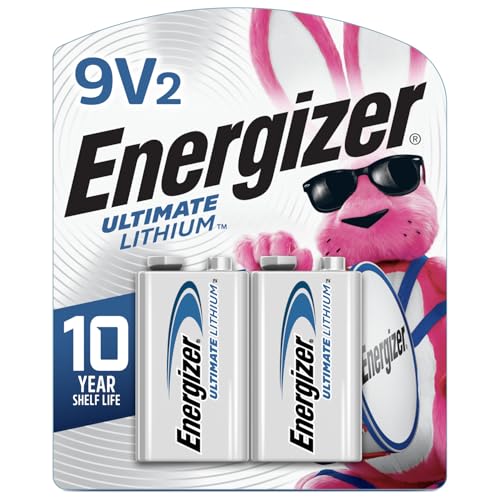
| Trusted Performance | Battery Type: 9V Lithium | Shelf Life / Storage: Up to 10 years in storage | Leak / Corrosion Resistance: Leak-resistant construction | VIEW LATEST PRICE | Read Our Analysis |
More Details on Our Top Picks
POWEROWL 9V 1200mAh Lithium Batteries (2-Pack)
Assuming you want long-lasting, low-maintenance power for fire alarms and other critical devices, the POWEROWL 9V 1200mAh lithium pair delivers—providing roughly three times the service life of standard alkaline 9Vs and holding charge for up to 10 years in storage so you won’t be replacing batteries every season. You get stable voltage output and 1200 mAh capacity, ideal for smoke detectors, fire alarms, and other high-drain gear. The leak-proof, anti-corrosion design protects devices. Batteries include manufacture/date stamps for freshness. Please be aware they’re non-rechargeable; don’t attempt to recharge. Each pack contains two 9V lithium cells for reliable backup power.
- Battery Type:9V Lithium
- Shelf Life / Storage:Up to 10 years shelf life
- Leak / Corrosion Resistance:Leak-proof, anti-corrosion design
- Intended Use / Compatibility with Smoke Alarms:Suitable for smoke detectors and fire alarms
- Non-Rechargeable:Non-rechargeable (do not recharge)
- Safety / Certifications or Protections:Anti-corrosion and leak-proof safety features
- Additional Feature:High 1200 mAh capacity
- Additional Feature:Manufactured/date stamped
- Additional Feature:Stable voltage output
rapthor CR123A 3V Lithium Batteries 20-Pack (CR17345)
Choose rapthor’s CR123A 3V 20-pack in case you need long-lasting, high-power batteries for security devices and photo gear—each non-rechargeable cell delivers 1650 mAh (about 10% more than typical CR123A) and a shelf life up to 10 years, so you can store spares or swap them into cameras, flashlights, smoke detectors, and sensors with confidence. You’ll get UL-certified cells with built-in PTC protection against overcurrent, overheating, and pressure. They suit photo equipment, microphones, toys, alarms, and security cameras. Don’t recharge them, and take note they’re not recommended for Arlo; should an app shows 0%, reseat the battery.
- Battery Type:CR123A (3V) Lithium
- Shelf Life / Storage:Up to 10 years shelf life
- Leak / Corrosion Resistance:Built-in protections (PTC) and certified safety — low self-discharge (implies robust design)
- Intended Use / Compatibility with Smoke Alarms:Suitable for smoke detectors, alarm systems, security cameras (general safety devices)
- Non-Rechargeable:Non-rechargeable (do not recharge)
- Safety / Certifications or Protections:UL certified; built-in PTC protection (pressure/temperature/current)
- Additional Feature:1650 mAh per cell
- Additional Feature:UL certified protection
- Additional Feature:Built-in PTC safeguards
DURNERGY 9V Alkaline Batteries 12-Pack (10-Year)
Should you need long-lasting, reliable 9V power for smoke alarms and other safety devices, the DURNERGY 9V Alkaline 12-pack is a strong choice — each battery combines six LR61 cells for stable output and a 10-year shelf life so you won’t be replacing them often. You’ll get 6–8 times the output of ordinary carbon 9V cells, housed in a corrosion-resistant steel shell with tight sealing to prevent leaks during use or transport. They’re mercury-, cadmium-, and lead-free, suitable for smoke detectors, guitar pedals, multimeters, microphones, and more. The manufacturer has 17 years’ experience and offers customer support.
- Battery Type:9V Alkaline
- Shelf Life / Storage:10-year shelf life
- Leak / Corrosion Resistance:Corrosion-resistant steel shell, leak-proof sealing
- Intended Use / Compatibility with Smoke Alarms:Compatible with smoke detectors and similar 9V devices
- Non-Rechargeable:Alkaline (not rechargeable)
- Safety / Certifications or Protections:Leak-proof, corrosion-resistant construction; environmentally safe (no Hg/Cd/Pb)
- Additional Feature:Pack of 12
- Additional Feature:Corrosion-resistant steel shell
- Additional Feature:Mercury/cadmium/lead free
BRK First Alert SMI100 Battery-Operated Smoke Alarm 3-Pack
Should you want simple, dependable coverage across multiple rooms, the BRK First Alert SMI100 3-pack is ideal for homeowners who need battery-powered smoke protection without complicated installation. You’ll get Precision Detection advanced sensing that reduces cooking nuisance alarms while meeting new industry standards for prompt warning. Each unit runs on batteries with a front-access compartment so you can swap cells quickly, and a test/silence button lets you confirm operation or temporarily quiet false alerts. An end-of-life warning tells you when to replace the alarm. The three-pack covers multiple floors or rooms, making it practical for whole-home residential use.
- Battery Type:Uses replaceable 9V batteries (battery-operated smoke alarm)
- Shelf Life / Storage:Not a battery product — uses batteries designed for standard replacement (implied long-life compatibility)
- Leak / Corrosion Resistance:Designed for battery operation with front-access compartment — compatible with leak-resistant batteries
- Intended Use / Compatibility with Smoke Alarms:Specifically a smoke alarm (built for home fire detection)
- Non-Rechargeable:Uses replaceable primary batteries (standard non-rechargeable battery use)
- Safety / Certifications or Protections:Meets industry standards; includes test/silence and end-of-life warnings for safe operation
- Additional Feature:Precision Detection tech
- Additional Feature:Test/silence front button
- Additional Feature:End-of-life warning
Energizer Ultimate Lithium 9V Batteries (2 Pack) Lithium 9 Volt Batteries
Should you want a lightweight 9V that stays reliable in extreme conditions, the Energizer Ultimate Lithium 9V (2-pack) is a smart pick—its leak-resistant construction, -40°F to 140°F operating range, and up to 10 years in storage mean your smoke detector will still work after long idle periods or harsh temperature swings. You’ll get batteries that last up to 20% longer in toys versus Energizer MAX, but their real advantage is durability and long shelf life. They’re ideal for smoke alarms, clocks, and other long-lasting devices where consistent power and low weight matter, especially in variable environments.
- Battery Type:9V Lithium
- Shelf Life / Storage:Up to 10 years in storage
- Leak / Corrosion Resistance:Leak-resistant construction
- Intended Use / Compatibility with Smoke Alarms:Recommended for smoke detectors and similar long-lasting applications
- Non-Rechargeable:Primary lithium (non-rechargeable)
- Safety / Certifications or Protections:Leak-resistant, wide temperature operation for safe use
- Additional Feature:Operates -40°F to 140°F
- Additional Feature:Lightweight design
- Additional Feature:Lasts 20% longer (vs MAX)
Factors to Consider When Choosing Batteries for Fire Alarms
Upon selecting batteries for your fire alarms, consider the chemistry type since it affects lifespan and performance. Check shelf life, voltage stability over time, and how the cell handles wide temperature ranges so your detector stays reliable. Also pick batteries with strong leak and corrosion resistance to protect the alarm’s contacts.
Battery Chemistry Type
Choosing the right battery chemistry for your fire alarm comes down to balancing lifespan, temperature tolerance, self-discharge, cost, and safety. Alkaline 9V cells are cheap and easy to find, but they usually give shorter service life and can corrode when left depleted. Lithium 9V batteries cost more upfront, yet they resist leakage, handle cold better, and retain charge for years—ideal for long-term smoke alarm use. Rechargeable NiMH 9V options lower long-term cost and waste, but they could show lower nominal voltage under load, need a compatible charger, and require a maintenance schedule. Pay attention to self-discharge: choose low-self-discharge chemistries (lithium or low-SD NiMH) should you want reliable power after storage.
Shelf Life Expectancy
You’ve picked a suitable chemistry for your smoke alarm; next, pay attention to how long those batteries will actually hold a charge on the shelf. Choose cells rated for long shelf life—ideally seven to ten years—so spares stay ready and you replace less often. Favor non-rechargeable batteries specified for standby use, since rechargeables usually self-discharge faster and list shorter shelf-life ratings. Look for very low self-discharge, around 1–3% per year, to guarantee near-full capacity after storage. Check manufacture or date stamps to confirm freshness and that the claimed shelf life starts from production. Finally, store spare batteries in a cool, dry place; avoiding heat and humidity preserves capacity and helps them meet their rated shelf-life performance.
Voltage Stability Over Time
Because a smoke alarm must deliver reliable alerts over years of standby storage and intermittent use, pick batteries that hold a steady voltage under both idle and pulse loads. You’ll want chemistries with flat discharge curves—lithium primaries are ideal because they stay near nominal voltage for most of their life, while alkalines slowly droop. Check self‑discharge and shelf‑life specs; cells losing only about 1–2% per year keep operating voltage in long‑term standby. Confirm the battery can handle short, higher current pulses without excessive voltage sag—high internal resistance can trigger false low‑battery chirps. Prefer cells whose end‑of‑service voltage declines predictably so the alarm warns before failure. Finally, verify manufacturer specs for operating conditions that affect available voltage.
Temperature Performance Range
In case your alarm sits in an attic or garage, it needs cells that keep working from about -40°F to 140°F (-40°C to 60°C), so pick chemistries rated for those extremes and that hold voltage in the cold and resist accelerated self‑discharge and degradation in the heat. Should your alarm be located where temperatures get colder, expect reduced capacity and output voltage, so choose batteries with proven low‑temperature performance to avoid premature low‑battery alerts. In hot locations, prefer cells with explicit high‑temperature stability to minimize rapid self‑discharge and shortened service life. Check manufacturer specs for shelf life and annual self‑discharge (ideally ~2%/year) and look for stable voltage curves across the rated range so alarm sensitivity stays consistent through seasonal swings.
Leak And Corrosion Resistance
Temperature extremes don’t just affect capacity and voltage — they can accelerate casing breakdown and increase the risk of leaks and corrosion that ruin smoke alarm contacts. You should choose batteries labeled leak-proof or with corrosion-resistant casings to protect alarm circuitry. Prefer cells with sealed or anti-corrosion terminal designs and sturdy outer shells; they cut electrolyte escape and metal degradation during long use or storage. Low self-discharge chemistries and multi-year shelf life lower internal pressure and chemical breakdown that cause leaks over time. Avoid batteries containing reactive metals prone to rupture or venting under stress; opt for cells tested for stable long-term storage and temperature extremes. Inspect batteries periodically for bulging, residue, or white/green crust at terminals and replace immediately when you spot any.
Replacement Accessibility
When choosing batteries, consider about how easy it’ll be to replace them when the time comes. You’ll want long shelf life cells (ideally up to 10 years) so you replace seldom and spares stay ready. Pick batteries with low self-discharge (around 2% per year or lower) so stored backups work immediately. Use common sizes like 9V or CR123A equivalents that you can buy locally or online without delay. Stick with non-rechargeable chemistries recommended for your smoke alarm unless the manufacturer explicitly supports rechargeables—using the wrong type can cause failures. Finally, make sure your alarm has a front-access or easily reachable compartment and clear replacement instructions so you can swap batteries quickly during tests or low-battery alerts.
