

You want reliable, low‑mess fuels that work indoors and outdoors, so pick pre‑portioned bioethanol or gel cans (Bioethanol Gel 24‑pack, Smart Fuel 6‑pack, Sterno 6‑pack, Real Flame 24‑pack, Superior Trading 3‑pack) plus Fire Starter Squares for quick ignition. They burn clean, low‑soot, and run ~2.5–3 hours per gel can (starters ~6–8 minutes), but allow a 10–25% safety margin and follow storage/safety guidance — keep going for product tips and selection help.
| Bioethanol Gel Fuel 24-Pack (13oz) | Best Bulk Buy | Fuel Form: Gel (bioethanol gel) | Intended Use: Indoor & outdoor (fireplaces, chafing, camping, BBQ starters) | Burn Time / Duration: Long-lasting per 13 oz can (implied similar multi-hour burn) | VIEW LATEST PRICE | Read Our Analysis | |
| Smart Fuel Bioethanol Gel Fireplace Fuel (6-Pack) |

| Best Convenience | Fuel Form: Gel (bioethanol gel) | Intended Use: Indoor & outdoor (tabletop pits, fireplaces, fire bowls) | Burn Time / Duration: 2.5–3 hours per can | VIEW LATEST PRICE | Read Our Analysis |
| Sterno Gel Fuel 6-Pack for Indoor & Outdoor Firepits |

| Best Ambiance | Fuel Form: Gel (Sterno gel) | Intended Use: Indoor & outdoor (firepits, tabletop firepits) | Burn Time / Duration: Up to 3 hours per can | VIEW LATEST PRICE | Read Our Analysis |
| Real Flame Gel Fuel Cans (24-Pack) |
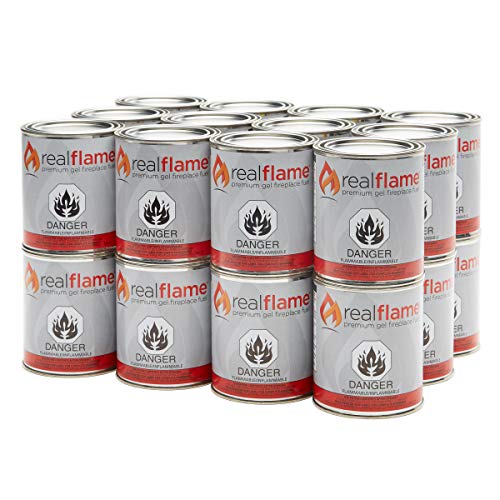
| Best Realism | Fuel Form: Gel (gelled isopropyl alcohol) | Intended Use: Indoor & outdoor (fireplaces, fire bowls, portable use) | Burn Time / Duration: 2.5–3 hours per 13 oz can | VIEW LATEST PRICE | Read Our Analysis |
| Fire Starter Squares 64 — Water-Resistant Odourless Firestarters |

| Best For Kindling | Fuel Form: Solid blocks (pressed paraffin + sawdust squares) | Intended Use: Indoor & outdoor (fireplace, stove, grill, camping) | Burn Time / Duration: ~6–8 minutes per square | VIEW LATEST PRICE | Read Our Analysis |
| Superior Trading Real Flame Ethanol Gel Fuel Cans (3-Pack) |

| Best For Small Spaces | Fuel Form: Gel (ethanol gel) | Intended Use: Indoor & outdoor (tabletop, fire bowls, patios, apartments) | Burn Time / Duration: Up to 3 hours per can | VIEW LATEST PRICE | Read Our Analysis |
More Details on Our Top Picks
Bioethanol Gel Fuel 24-Pack (13oz)
Best Bulk Buy
View Latest PriceShould you want a clean, hassle-free flame for indoor gatherings or outdoor cookouts, the Bioethanol Gel Fuel 24-Pack (13oz) is your best bet—it’s ideal for homeowners, caterers, and campers who need a smoke‑free, residue‑free heat source that’s safe and easy to handle. You’ll get high-purity bioethanol gel that burns cleanly with no smoke, soot, or sticky residue, so cleanup’s simple. Each spill‑proof, easy‑use can lasts reliably and maximizes heat output, and the removable label prevents paper from burning. Improved packaging minimizes unwanted odors, making this gel fuel efficient for chafing dishes, BBQ starters, fireplaces, and camping.
- Fuel Form:Gel (bioethanol gel)
- Intended Use:Indoor & outdoor (fireplaces, chafing, camping, BBQ starters)
- Burn Time / Duration:Long-lasting per 13 oz can (implied similar multi-hour burn)
- Cleanliness (Smoke/Soot/Odor):No smoke, no soot, no sticky residue
- Packaging / Form Factor:Pre-portioned 13 oz spill-proof cans (24-pack)
- Primary Applications:Ambiance, heating, cooking support (chafing, marshmallows), camping
- Additional Feature:Spill-proof removable cans
- Additional Feature:Residue-free formula
- Additional Feature:Improved packaging odor control
Smart Fuel Bioethanol Gel Fireplace Fuel (6-Pack)
Should you want a fuss-free, portable flame for indoor or outdoor use, the Smart Fuel Bioethanol Gel 6-pack is ideal — each pre-portioned can burns 2.5–3 hours, gives a bright, clean flame at 3000 BTU, and needs no venting or messy cleanup. You’ll place these spill-resistant cans in tabletop pits, fire bowls, or decorative fireplaces and ignite them easily. They produce no smoke, soot, or harsh odors, so cleanup stays minimal. The controlled heat suits ambiance and light-duty warming, plus they’re handy for s’mores makers. In sum, they deliver convenient, safe, portable flames without the mess of wood.
- Fuel Form:Gel (bioethanol gel)
- Intended Use:Indoor & outdoor (tabletop pits, fireplaces, fire bowls)
- Burn Time / Duration:2.5–3 hours per can
- Cleanliness (Smoke/Soot/Odor):No smoke, no soot, no harsh odors
- Packaging / Form Factor:Pre-portioned cans (6-pack)
- Primary Applications:Tabletop fire pits, decorative flames, smores makers
- Additional Feature:3000 BTU per can
- Additional Feature:Pre-portioned easy placement
- Additional Feature:Simple open-and-ignite use
Sterno Gel Fuel 6-Pack for Indoor & Outdoor Firepits
Should you want a clean, fuss-free flame for both indoor and outdoor gatherings, Sterno Gel Fuel’s 6-pack is perfect — each can burns up to 3 hours and puts out about 3000 BTUs of smokeless, odorless heat. You’ll get lively golden flames and surprising wood crackle sounds that mimic a real firepit without ash, soot, or lingering odors. It’s quick to ignite, fits tabletop and larger firepits, and works equally well for backyard BBQs, movie nights, football season, holiday family gatherings, or quiet evenings. Safe for indoor use and portable for outdoor events, it enhances ambiance with minimal hassle.
- Fuel Form:Gel (Sterno gel)
- Intended Use:Indoor & outdoor (firepits, tabletop firepits)
- Burn Time / Duration:Up to 3 hours per can
- Cleanliness (Smoke/Soot/Odor):Smokeless, odorless
- Packaging / Form Factor:Individual cans (6-pack)
- Primary Applications:Firepit ambiance, gatherings, home entertaining
- Additional Feature:Realistic crackling sounds
- Additional Feature:Vibrant golden flames
- Additional Feature:Quick-to-ignite ambiance
Real Flame Gel Fuel Cans (24-Pack)
Should you want a portable, low‑maintenance flame that looks and sounds like a real wood fire, the Real Flame Gel Fuel Cans 24‑pack is a smart choice. You’ll get 24 13‑ounce cans of gelled isopropyl alcohol that burn cleanly with bright yellow, orange, and red flames and even crackle and pop for realism. Each can produces up to 3,000 BTUs and lasts 2.5–3 hours, offering supplemental warmth indoors or outdoors—Real Flame approved for indoor fireplaces and great for fire bowls, pits, and on‑the‑go ambiance. The formulation’s clean‑burning and eco‑friendly profile leaves no soot, ashes, or smoke; cans are non‑returnable.
- Fuel Form:Gel (gelled isopropyl alcohol)
- Intended Use:Indoor & outdoor (fireplaces, fire bowls, portable use)
- Burn Time / Duration:2.5–3 hours per 13 oz can
- Cleanliness (Smoke/Soot/Odor):No soot, ashes, smoke; clean-burning
- Packaging / Form Factor:13-ounce cans (24-pack)
- Primary Applications:Indoor fireplaces, outdoor fire bowls/pits, portable warming
- Additional Feature:Gelled isopropyl alcohol
- Additional Feature:“Anytime anywhere” portability
- Additional Feature:Non-returnable after purchase
Fire Starter Squares 64 — Water-Resistant Odourless Firestarters
At the time you want a reliable, no-fuss firestarter that works in wind and wet conditions, these Fire Starter Squares 64 are a great pick—each paraffin-and-sawdust block lights quickly, stays odorless for cooking, and burns steadily for about 6–8 minutes so you can get a fire going fast without harmful fumes. You’ll appreciate their water resistance, lightweight portability, and compact size that fits a backpack. Use 1–2 squares for small fires, 2–4 for grills, or about 6 for larger indoor fires. They’re glue-free, burn cleanly, and suit fireplaces, stoves, grills, smokers, and outdoor exploits.
- Fuel Form:Solid blocks (pressed paraffin + sawdust squares)
- Intended Use:Indoor & outdoor (fireplace, stove, grill, camping)
- Burn Time / Duration:~6–8 minutes per square
- Cleanliness (Smoke/Soot/Odor):Odourless; does not produce harmful fumes
- Packaging / Form Factor:Individual pressed squares (64-pack)
- Primary Applications:Fire starting for fireplaces, grills, campfires, pizza ovens
- Additional Feature:Water-resistant pressed blocks
- Additional Feature:Odourless—cooking-safe
- Additional Feature:Single block 6–8 min
Superior Trading Real Flame Ethanol Gel Fuel Cans (3-Pack)
In case you want a clean, hassle-free flame for tabletops, patios, or small interiors, Superior Trading’s Real Flame ethanol gel cans are a smart pick — they burn smoke- and odor-free for up to three hours per can, so you can set the mood without worrying about ventilation, soot, or complicated cleanup. You’ll get three 368 g cans of premium ethanol gel that produce a golden, crackling real-flame effect without toxic fumes. They’re vent-free, unscented, and designed for indoor or outdoor tabletop use with minimal maintenance. Use them for dates, entertaining, or cozy evenings whenever wood or gas aren’t options.
- Fuel Form:Gel (ethanol gel)
- Intended Use:Indoor & outdoor (tabletop, fire bowls, patios, apartments)
- Burn Time / Duration:Up to 3 hours per can
- Cleanliness (Smoke/Soot/Odor):Clean-burning, smoke-free, odorless
- Packaging / Form Factor:Individual cans (3-pack, 368 g each)
- Primary Applications:Tabletop ambiance, decorative fire features, cozy/entertaining settings
- Additional Feature:Brass stone finish option
- Additional Feature:Vent-free indoor use
- Additional Feature:Authentic log crackle sound
Factors to Consider When Choosing Fireplace Stove Fuels
While choosing stove fuel, you’ll want to compare burn time expectancy and heat output ratings to match your heating needs. Consider cleanliness and residue, and whether the fuel is intended for indoor versus outdoor use to avoid unwanted soot or odors. Finally, check safety features and spill resistance so you’re picking a fuel that’s easy and safe to handle.
Burn Time Expectancy
Typically, you’ll judge fuels via their burn time—how many hours (or minutes per block) each unit will keep flames going—because that directly affects how often you’ll need to refuel and how much heat you’ll actually get. Burn time’s stated in hours per unit (e.g., 2.5–3 hours per can or 6–8 minutes per block) and varies with container size, formulation (gel, solid, liquid), and airflow. Sealed or gelled fuels usually give steadier, predictable durations. Bear in mind manufacturer claims can shrink in windy, cold, or over-ventilated conditions or provided you don’t run a full burn. For events or heating, add a 10–25% safety margin when totaling unit burn times so you won’t run out unexpectedly.
Heat Output Ratings
Compare fuels via their heat output ratings—usually listed in BTU per hour—because that number tells you how quickly a stove will warm a space and how much fuel you’ll need. Look at typical ranges: canned gel fuels run ~2,500–3,000 BTU per can, while a cord of wood contains roughly 15 million BTU total, translating to about 6,000–10,000 BTU/hr depending on burn rate and wood type; seasoned hardwood yields more heat per cord than softwood. Consider fuel energy density too—liquid and gel alcohols have lower BTU per volume than kerosene or propane, so they need more storage for the same runtime. Always compare a fuel’s BTU/hr with your stove’s efficiency percentage and manufacturers’ burn-time specs to calculate actual delivered heat and units required.
Cleanliness And Residue
Often you’ll observe how much cleaner some fuels burn compared with others, and that difference should guide your choice. Alcohol-based fuels (ethanol or gel) produce no smoke, soot, or ash, so you’ll avoid indoor particulate buildup and chimney creosote. Wood and other solid fuels, in contrast, create soot and ash—plan on one to two chimney cleanings per season with moderate use. Fuels with petroleum derivatives or additives can leave sticky residues and odors that increase maintenance and compromise indoor air quality. Choosing low- or residue-free fuels simplifies cleanup and reduces corrosive buildup on grates and glass, preserving appearance and function. Also pick spill-proof, pre-portioned packaging whenever possible so you can contain spills and minimize accidental residue.
Indoor Versus Outdoor Use
While deciding between indoor and outdoor fuels, weigh air quality, ventilation, and weather: choose low-odor, low-emission, smoke-free options rated for enclosed spaces should you burn inside, and pick weather-resistant, spill-proof fuels with stable burn times for outdoor use where wind and rain matter. Inside, use vent-free fuels certified for enclosed rooms, prioritize products that state BTU output and burn time so you can match heat to room size, and avoid anything that produces soot or toxic fumes. Outdoors, accept more visible smoke and aroma but choose containers and fuels designed to resist wind and moisture to keep flames steady. In both settings, follow manufacturer clearance, placement, and refueling instructions to minimize risks and protect air quality.
Safety And Spill Resistance
Having picked fuels suited for your space, you should next focus on safety and spill resistance to keep flames controlled and accidents rare. Choose fuels in spill-resistant, pre-portioned cans or sealed containers to limit handling exposure and accidental pours. Prefer gel or solid formulations over loose liquids — they’re less likely to splash, evaporate, or spread fire should tipped, and often self-contain burning material. Verify containers have removable labels or non-combustible casings so paper residue or dripping won’t catch or transfer flames. Use only the recommended fuel volumes for your appliance and let cans or gel cool completely before moving or disposing to avoid ruptures, flare-ups, or molten spills. Finally, keep fuels upright in a cool, ventilated area away from heat sources to minimize leaks and pressure buildup.
Storage And Shelf Life
Whenever you store fireplace fuels correctly, you’ll preserve their performance and cut fire and health risks—keep them in a cool, dry, well-ventilated spot away from direct sunlight and heat, and leave them in their original, tightly sealed containers with labels intact so you always know what’s inside and how to handle it. Store liquids and gels at moderate temperatures (ideal 40–77°F / 5–25°C) to prevent gelling, phase separation, or pressure build-up in cans. Most fuels last about 1–3 years provided sealed and stable; inspect containers for changes in color, consistency, or odor before use. Rotate stock using earliest-in, earliest-out, obey manufacturer best-by dates, and never transfer to unmarked containers. Dispose of old or suspect fuel per local hazardous-waste rules.
Environmental Impact Considerations
Because the fuel you pick determines both the greenhouse gases and local pollutants your stove emits, weigh lifecycle CO2 per useful heat (g CO2e/MJ) alongside local air-quality impacts like PM2.5, NOx and VOCs. You should prefer options with low lifecycle emissions and minimal local pollutants. Bioethanol or gel fuels burn mainly to CO2 and water with little soot or PM2.5, though feedstock production and transport can raise their lifecycle CO2. Solid biomass like firewood or pellets can be near carbon‑neutral only provided harvested sustainably; otherwise you face net carbon release and habitat damage. Wood and coal generate significant PM2.5 and PAHs, harming respiratory health. Fossil liquid or gel fuels carry higher greenhouse impacts due to fossil carbon and manufacturing emissions. Compare g CO2e/MJ plus local pollutant profiles, not just fuel type.
