

In case you want smarter, hands‑free climate control, these six Alexa‑compatible thermostats make it simple to save energy and stay comfortable. You’ll find options that suit DIY installs, multi‑room sensing, Matter support, and tight Echo integration. I’ll compare features, compatibility, and practical tradeoffs so you can pick the right fit for your home—starting with the models worth considering.
| ecobee Smart Thermostat Enhanced — Wi‑Fi Smart Home Thermostat |
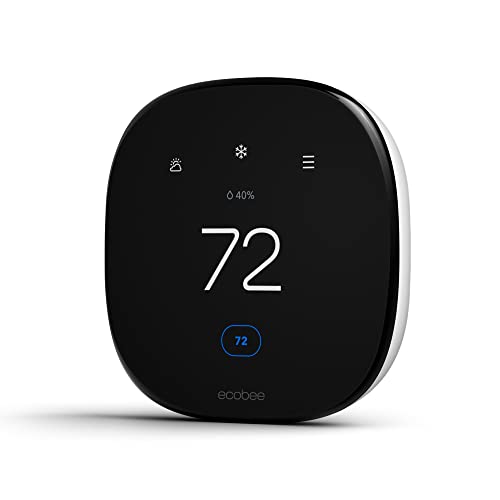
| Best for Zoned Comfort | Smart Home Voice Control: Works with Siri, Alexa, Google Assistant | Remote App Control: ecobee app (smartphone, tablet, Apple Watch) | Energy‑Saving Modes / Claims: Save up to 26%/year; auto-away and adaptive features | VIEW LATEST PRICE | Read Our Analysis |
| Google Nest Learning Thermostat (4th Gen) with Sensor |

| Best Learning Thermostat | Smart Home Voice Control: Voice control with Alexa, Siri, Google Assistant | Remote App Control: Google Home app | Energy‑Saving Modes / Claims: Can help save up to 31% on heating/cooling; Adaptive Eco | VIEW LATEST PRICE | Read Our Analysis |
| Amazon Smart Thermostat — Works with Alexa & Ring |

| Best Alexa Integration | Smart Home Voice Control: Hands-free control via Alexa (works with Alexa & Ring) | Remote App Control: Alexa app (remote control) | Energy‑Saving Modes / Claims: ENERGY STAR estimate ~ $50/year savings; smart zoning | VIEW LATEST PRICE | Read Our Analysis |
| meross Smart WiFi Thermostat — Matter Alexa HomeKit |

| Best Matter Compatibility | Smart Home Voice Control: Compatible with Alexa, Google Assistant, Apple HomeKit (via Matter) | Remote App Control: meross app (remote control) | Energy‑Saving Modes / Claims: Energy-saving modes; HVAC usage tracking in app | VIEW LATEST PRICE | Read Our Analysis |
| Sensi Smart Thermostat ST55 — Wi‑Fi Alexa Compatible |

| Best DIY Install | Smart Home Voice Control: Supports Amazon Alexa, Google Assistant, SmartThings | Remote App Control: Sensi mobile app | Energy‑Saving Modes / Claims: ENERGY STAR certified; about 23% savings via scheduling | VIEW LATEST PRICE | Read Our Analysis |
| Google Nest Learning Thermostat 4th Gen + Sensor |

| Best Energy Saver | Smart Home Voice Control: Voice control with Alexa, Siri, Google Assistant | Remote App Control: Google Home app | Energy‑Saving Modes / Claims: Can help save up to 31%; Adaptive Eco and learning features | VIEW LATEST PRICE | Read Our Analysis |
More Details on Our Top Picks
ecobee Smart Thermostat Enhanced — Wi‑Fi Smart Home Thermostat
Should you want precise, room‑to‑room comfort and significant energy savings, choose the ecobee Smart Thermostat Improved — it learns your schedule, uses built‑in radar and optional SmartSensors to preheat or precool occupied rooms, and can cut heating and cooling costs up to 26% while working hands‑free with Alexa, Siri, or Google Assistant. You’ll save energy by letting it auto‑adjust whenever you’re away, and it learns preferences whilst factoring humidity. Add SmartSensors for targeted room control and day/night comfort. It supports most 24 VAC systems (check compatibility), includes PEK and Trim Kit for DIY install, and runs hardwired with app control.
- Smart Home Voice Control:Works with Siri, Alexa, Google Assistant
- Remote App Control:ecobee app (smartphone, tablet, Apple Watch)
- Energy‑Saving Modes / Claims:Save up to 26%/year; auto-away and adaptive features
- 24V HVAC System Compatibility:Works with most 24 VAC HVAC equipment (gas, oil, electric, heat pump, boilers)
- Scheduling / Automation:Learns schedule; automatic adjustments for away/sleep
- Additional Room Sensing / Zoning Support:Supports ecobee SmartSensors for room occupancy/temperature
- Additional Feature:Built‑in radar occupancy
- Additional Feature:Power Extender Kit included
- Additional Feature:Apple Watch control
Google Nest Learning Thermostat (4th Gen) with Sensor
Should you want a smart thermostat that learns your home’s patterns and lets you fine‑tune comfort per room, the Google Nest Learning Thermostat (4th Gen) with Nest Temperature Sensor is a strong choice—its larger, vivid display and integrated sensor let you set room‑specific targets and see key info across the room while the device adapts to outdoor conditions to optimize comfort and energy use. You’ll get Matter compatibility, Alexa, Siri and Google Assistant voice control, and remote management in the Google Home app. It supports most 24V systems, often needs no C‑wire, and can save up to 31% on energy.
- Smart Home Voice Control:Voice control with Alexa, Siri, Google Assistant
- Remote App Control:Google Home app
- Energy‑Saving Modes / Claims:Can help save up to 31% on heating/cooling; Adaptive Eco
- 24V HVAC System Compatibility:Works with most 24V systems (gas, electric, oil, forced air, heat pump, radiant)
- Scheduling / Automation:Learns and adapts schedule; notifies before changes
- Additional Room Sensing / Zoning Support:Includes Nest Temperature Sensor; supports additional sensors
- Additional Feature:Dynamic Farsight display
- Additional Feature:Selectable display styles
- Additional Feature:Adaptive Eco outdoor-aware
Amazon Smart Thermostat — Works with Alexa & Ring
Best for Alexa- and Ring-centric smart-home owners looking to cut energy use without fuss, the Amazon Smart Thermostat pairs Alexa voice control and Echo-based presence sensing with Honeywell reliability to automate comfort zones and lower heating/cooling costs. You’ll use Echo devices or the Smart Air Quality Monitor to trigger temperature adjustments, and Alexa switches between home, away, and sleep settings hands-free. The Alexa app gives remote control and guided installation—note a C-wire is required. ENERGY STAR certification can reduce annual bills; Amazon also lists potential local rebate info. You can fold the thermostat into Alexa routines and Ring integrations for seamless automation.
- Smart Home Voice Control:Hands-free control via Alexa (works with Alexa & Ring)
- Remote App Control:Alexa app (remote control)
- Energy‑Saving Modes / Claims:ENERGY STAR estimate ~ $50/year savings; smart zoning
- 24V HVAC System Compatibility:Designed for typical HVAC systems; requires C-wire (24V implied)
- Scheduling / Automation:Alexa routines and preferred home/away/sleep temps
- Additional Room Sensing / Zoning Support:Creates comfort zones using select Echo devices or Smart Air Quality Monitor
- Additional Feature:ENERGY STAR certified
- Additional Feature:Echo‑based comfort zones
- Additional Feature:Honeywell legacy tech
meross Smart WiFi Thermostat — Matter Alexa HomeKit
Choose the meross MTS300 should you want a Matter‑ready thermostat that plays nicely with Alexa, HomeKit, Google Assistant, and SmartThings while supporting most 24V HVAC setups. You’ll get Wi‑Fi and Matter local control, app and voice commands, and broad system support (heat pump, AC, furnace, boiler, humidifier/dehumidifier). Confirm you don’t have baseboard, millivolt, or two‑wire systems and check C‑wire needs. Features include 7×24 scheduling, energy‑saving modes, usage tracking, smart alerts, lockable settings, and remote temperature display. It’s compact, corded 24V (no batteries), ships with mounting kit, carries a three‑year warranty, and includes meross support.
- Smart Home Voice Control:Compatible with Alexa, Google Assistant, Apple HomeKit (via Matter)
- Remote App Control:meross app (remote control)
- Energy‑Saving Modes / Claims:Energy-saving modes; HVAC usage tracking in app
- 24V HVAC System Compatibility:For 24V HVAC systems (heat pump, AC, furnace, boiler, etc.)
- Scheduling / Automation:7x24h flexible scheduling (home, away, sleep)
- Additional Room Sensing / Zoning Support:Supports room-level control via integrations (Matter/local platforms) and app scheduling (zoning via system)
- Additional Feature:Matter local control
- Additional Feature:3‑year warranty
- Additional Feature:HVAC usage tracking
Sensi Smart Thermostat ST55 — Wi‑Fi Alexa Compatible
For anyone who wants an easy DIY upgrade that works with Alexa, the Sensi ST55 stands out for its straightforward Wi‑Fi setup and app-driven installation that usually doesn’t need a common wire. You’ll get a compact, glossy white thermostat backed by Emerson’s HVAC know-how, compatible with most residential systems including heat pumps, furnaces, and boilers. The Sensi app guides installation, offers remote control, schedules, usage reports, equipment alerts, and filter notifications. It supports Alexa, Google Assistant, SmartThings, and Vera, preserves privacy, and is ENERGY STAR certified to cut HVAC energy about 23%. It includes hardware, batteries, and a 3‑year warranty.
- Smart Home Voice Control:Supports Amazon Alexa, Google Assistant, SmartThings
- Remote App Control:Sensi mobile app
- Energy‑Saving Modes / Claims:ENERGY STAR certified; about 23% savings via scheduling
- 24V HVAC System Compatibility:Powered by 24 Volts AC; compatible with most residential HVAC
- Scheduling / Automation:Flexible scheduling and programmable temperature control
- Additional Room Sensing / Zoning Support:Provides usage reports and can be paired with systems for targeted control (supports zoning integrations)
- Additional Feature:No C‑wire usually required
- Additional Feature:Made in USA
- Additional Feature:Includes AA batteries
Google Nest Learning Thermostat 4th Gen + Sensor
Should you want a smart thermostat that learns your schedule, adapts to outdoor conditions, and lets you fine-tune comfort regarding room, the Google Nest Learning Thermostat 4th Gen with Nest Temperature Sensor is a solid pick—its learning algorithms and the included sensor help cut heating and cooling waste whilst keeping bedrooms or inhabited areas at the temperatures you set. You’ll get a larger display with interactive Farsight, Matter support, and voice control via Alexa, Google Assistant, or Siri. Install is usually simple without a C wire. Use the Nest Temperature Sensor to target rooms, reduce hot/cold spots, and let Adaptive Eco save energy while returning to comfort quickly.
- Smart Home Voice Control:Voice control with Alexa, Siri, Google Assistant
- Remote App Control:Google Home app
- Energy‑Saving Modes / Claims:Can help save up to 31%; Adaptive Eco and learning features
- 24V HVAC System Compatibility:Works with most 24V systems (gas, electric, oil, forced air, heat pump, radiant)
- Scheduling / Automation:Learns and adapts schedule; time-based sensor targeting
- Additional Room Sensing / Zoning Support:Includes Nest Temperature Sensor for room-specific monitoring and scheduling
- Additional Feature:Dynamic Farsight display
- Additional Feature:Pauses HVAC for sun
- Additional Feature:Includes Nest Temperature Sensor
Factors to Consider When Choosing an Alexa Compatible Thermostat
Upon selecting an Alexa-compatible thermostat, you’ll want to check that it actually supports Alexa and works with your specific HVAC system. Consider the installation process, power and wiring needs, and whether you can control everything via a remote app. Balancing these factors will help you avoid compatibility headaches and get the features you need.
Compatibility With Alexa
Although smart thermostats often advertise voice control, you’ll want to confirm Alexa compatibility details before buying: check that the device explicitly lists Alexa support, whether it needs an Alexa skill or account linking, which Alexa commands and routines it exposes, and in case control works locally or depends on the cloud so you don’t get stuck during outages. Beyond that, verify which Alexa features are supported — set temperature, change mode, report current temp, and routine triggers vary per model. See whether the thermostat requires third‑party account linking for remote voice commands. Confirm it plays nicely with your Alexa ecosystem: device discovery, smart‑home groups, routines, and handling multiple thermostats or separate room sensors for per‑room control. Prioritize local control should reliability matter.
HVAC System Support
Because your HVAC setup dictates what the thermostat can actually control, verify electrical and system compatibility before you buy. Check that the thermostat supports your system’s control voltage—most use 24 VAC, while electric baseboard or millivolt systems need compatible units. Confirm the thermostat matches your system type (single‑ or multi‑stage forced‑air, heat pump with or without auxiliary heat, or hydronic/boiler) so wiring and control logic align. Make sure it handles the number of heating and cooling stages your equipment uses (1H/1C, 2H/2C, 3H/2C, etc.). Determine whether a C/common wire is required; many smart models need a C‑wire or power‑extender kit for reliable power. Finally, should you have humidifiers, dehumidifiers, ventilators, or zone dampers, verify dedicated terminals or module compatibility.
Installation Requirements
Having confirmed your HVAC type and system compatibility, the next step is to check concrete installation requirements so the thermostat will power up and control your equipment correctly. Verify the wiring terminals on your current control board (R, Rc/Rh, W, Y, G, O/B, Aux/E, C) match the new unit and observe any extra accessories like remote sensors or zone adapters. Check whether a common (C) wire exists or whether the thermostat offers a power‑extender or alternative solution. Confirm voltage compatibility—most smart thermostats expect 24 VAC and won’t work with high‑voltage or millivolt systems unless remarked. Review whether installation is DIY‑friendly with app guidance and included mounting hardware or whether professional installation and specialized tools are advised.
Power And Wiring Needs
Most Alexa‑compatible thermostats need a reliable low‑voltage power source, so check whether your system provides a 24 VAC common (C) wire or whether you’ll need a power‑extender, adapter, or a thermostat that can run without a C‑wire. Verify your HVAC uses 24 VAC low‑voltage — not line‑voltage — and confirm the thermostat supports your control type: conventional, heat pump, or boiler. Match terminal capacity to your system’s stages and fan connections (e.g., 2H/2C, 3H/2C, separate O/B reversing valve). Inspect wire length and condition; frayed, corroded, or shorted conductors can disrupt power and might require rewiring. In case you lack a C‑wire, plan to install one, use a compatible power‑extender kit, or choose a model with alternative power solutions.
Remote App Control
Once your thermostat is wired and powered correctly, you’ll want to evaluate how its mobile app lets you control the system from anywhere. Make sure the app provides full remote control of temperature, modes (heat/cool/auto), and fan settings rather than just status so you can adjust everything on the go. Check for secure remote access with two‑factor authentication and encrypted connections (HTTPS/TLS) to keep intruders out. Look for real‑time temperature and humidity readouts plus push notifications for alerts like filter changes, malfunctions, or extreme temps so you can act quickly. Verify the app supports scheduling and geofencing for automated away/home routines. Finally, confirm multi‑user access and role management so household members can control the thermostat without sharing one login.
Energy Savings Features
Cut energy waste through choosing an Alexa‑compatible thermostat that not only learns your schedule but also reports estimated savings and adapts to occupancy, outdoor conditions, and multi‑zone sensing to target conditioning where people actually are. You should pick models that display estimated percent or dollar savings so you can compare claims (many cite ~20–30% reductions). Prefer adaptive features that set an energy‑saving away temperature or learn occupancy to cut runtime versus a fixed hold. Integration with outdoor temperature and humidity allows the system to pause HVAC during favorable conditions. Look for energy‑use reports, alerts for unusual system behavior, and maintenance prompts (like filter changes) to spot inefficiencies and keep equipment operating efficiently.
Room Sensing And Zoning
Upon choosing an Alexa‑compatible thermostat, consider how room sensing and zoning let the system prioritize comfort where people actually are instead of relying on a single wall sensor; sensors placed mid‑room and away from vents, windows, or direct sun will give the most reliable temperature and occupancy readings. You’ll want sensors that measure both motion and temperature and refresh often so readings reflect real conditions. For zoning, compare supported sensor and zone counts and whether the system can switch control automatically based on occupancy, timing, or your priorities. Better integration logic and faster refresh rates cut HVAC runtime through directing conditioning only where needed, improving comfort and saving energy. Check how the thermostat balances multiple sensors in rooms that conflict.
Smart Home Integration
In choosing an Alexa‑compatible thermostat, make sure it integrates smoothly with Alexa and your wider smart‑home setup so voice control, routines, and coordinated automations actually work whenever you need them. Confirm the thermostat supports native Alexa voice control and appears as a device in the Alexa app so you can use voice commands, routines, and smart home groups. Check support for industry‑standard protocols (Wi‑Fi, Matter, or local LAN) to guarantee reliable connectivity and cross‑platform compatibility. Verify it can join Alexa routines, scenes, and geo‑fencing triggers to automate temperature with lights, locks, and sensors. Look for multiple user accounts and shared device management so household members have appropriate voice access. Finally, make certain Alexa exposes needed features—setpoint, mode, fan, schedules, and sensor inputs.
Frequently Asked Questions
Can Alexa Control My Thermostat When My Wi‑Fi Is Down?
Yes—you often can’t control Alexa once Wi‑Fi is down, but your thermostat may still respond via its local controls or a compatible hub. You’ll need to use the thermostat’s app on local network or its physical buttons.
Do These Thermostats Work With Multiple Alexa Accounts?
Yes — many do; they play nice with multiple Alexa accounts so household voices control temperature. You’ll want to link each Amazon account, enable the thermostat skill, and set up household profiles so everyone’s commands register correctly.
Are Voice Commands Secure From Accidental Changes?
Yes — voice commands can be secure from accidental changes provided you enable voice recognition, set up voice profiles, require PINs for temperature changes, restrict guest access, and review privacy settings so only authorized voices control your thermostat.
Can I Create Alexa Routines Across Different Thermostat Brands?
About 70% of smart-home users automate tasks—yes, you can create Alexa routines across different thermostat brands provided each device supports Alexa and exposes the needed controls; you’ll link compatible devices in the Alexa app and build cross-brand routines.
Will Alexa Notifications Alert Me to HVAC System Failures?
Yes — Alexa can alert you to HVAC failures provided your thermostat or smart sensor integrates with Alexa and supports fault notifications; you’ll need compatible devices, enabled notifications, and proper routines or skills set up for timely failure alerts.
Final Thoughts
Choosing the right Alexa‑compatible thermostat makes daily comfort simpler and smarter. With options like ecobee, Nest, Amazon, meross, and Sensi, you’ll find features for savings, zoning, or Matter support that match your home. Consider that smart thermostats can cut heating and cooling costs through about 10–12% on average—meaning one purchase can pay for itself over time. Pick the model that fits your wiring, voice setup, and energy goals for effortless control.
