Above-ground septic tanks offer an alternative to traditional buried septic systems. You might consider this septic system if your property has challenging conditions. For example, poorly draining clay soil or a high water table often benefit. High water tables interfere with normal septic operation. Conventional systems are not equipped to handle this stress. Effluent can contact groundwater. Many homeowners face issues with flood-prone properties, shallow soil, or rocky terrain. This septic system provides a solution for homeowners. We will explore the pros and cons of these septic tanks. This helps homeowners decide if this septic system is right for them.
Key Takeaways
Above-ground septic tanks help properties with bad soil or high water levels.
These systems clean water well and protect the environment.
They cost more money to install than regular septic systems.
Above-ground septic tanks can look bad and need more space.
You must maintain these systems often to avoid problems.
Above Ground Septic Systems Explained
What is an Above Ground Septic Tank System
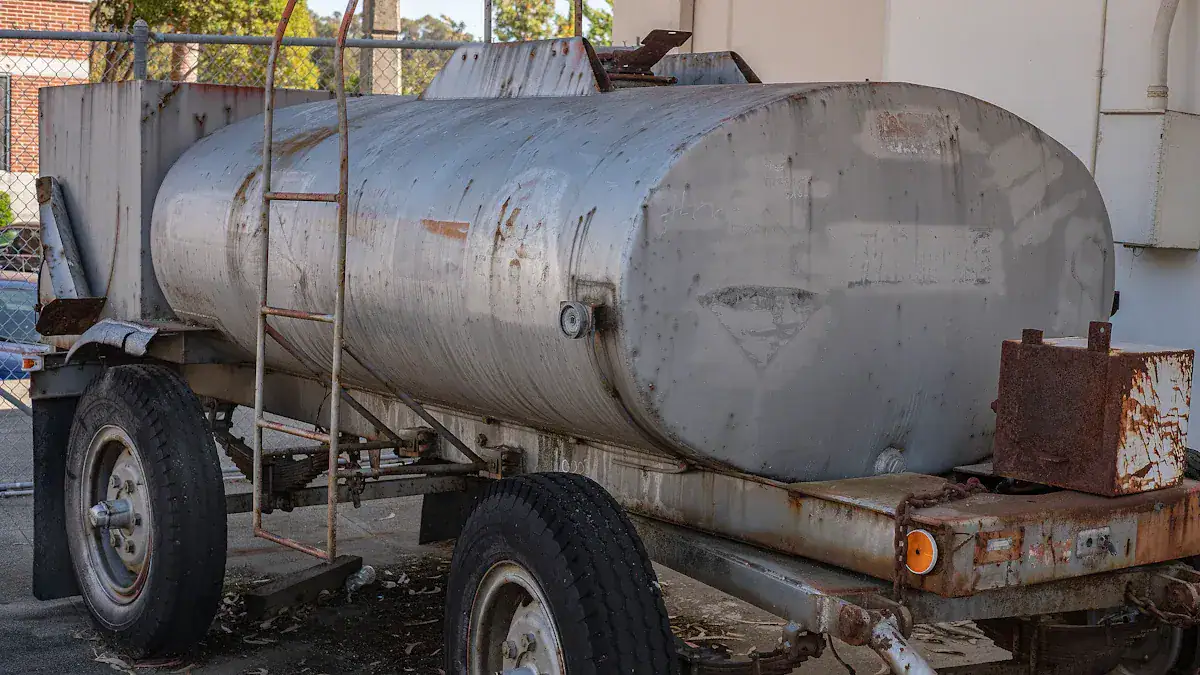
An above-ground septic tank system is a type of wastewater management solution. You use it when traditional buried septic systems are not suitable. This system treats household waste. It processes all the wastewater from your home. Unlike conventional septic tanks, much of this system sits above the natural ground level. This design helps you manage waste effectively in challenging environments. This septic system is a complete solution for your property’s wastewater needs.
How Above Ground Septic Works
Your above-ground septic system works by collecting and treating wastewater. First, all your household waste flows into a primary septic tank. Here, solids settle, and scum floats. This initial treatment separates the waste. Then, the liquid effluent moves to a treatment unit. This unit often uses advanced technology to clean the wastewater further. After treatment, the clean water disperses into a drain field. This drain field is also often elevated. The system ensures proper treatment before the water returns to the environment. This entire system is designed for efficient wastewater processing.
Key Components of the System
Your above-ground septic system has several important parts. The main component is the septic tank itself. This tank holds the initial waste. You also have a pump chamber. This chamber moves the treated wastewater to the next stage. A crucial part is the treatment unit. This unit cleans the wastewater. Finally, you have the elevated drain field. This is where the treated water disperses. Pipes connect all these parts. These pipes ensure smooth flow of waste through the entire system. Each component plays a vital role in your septic system’s operation.
Benefits of Above Ground Septic
Ideal for Challenging Sites
Above-ground septic systems offer a crucial solution for properties where conventional septic systems simply cannot work. You find these systems especially beneficial in areas with difficult soil conditions. For example, fine loamy soils or heavy clayey soils often impede proper drainage. These soil types do not allow water to move quickly enough. This causes backups in a traditional leach field. Other challenging soil structures, like platy, prismatic, or massive types, restrict aeration and internal drainage. Some soils, like those with 2:1 clay mineralogy, shrink when dry and swell when wet. This reduces water flow and makes them unsuitable for conventional septic.
You also benefit from an above-ground septic system if your property has specific geological features. High water tables interfere with a drain field’s function. This leads to system failures and potential contamination. Shallow bedrock prevents proper soil filtration. Steep slopes hinder gravity flow. Cemented layers within the soil also impede wastewater movement. An above-ground septic system overcomes these limitations. It uses an elevated drain field. This raises the drain field above the water table. You might see a mound system. This system constructs an artificial soil mound above the natural ground. Effluent then disperses through pipes within this mound. This allows for effective percolation. For very persistent high water tables, alternative systems like aerobic treatment units (ATUs) provide further treatment before discharge. This ensures your septic system works effectively.
Enhanced Environmental Safety
Above-ground septic systems provide significant environmental benefits. They are often better for the environment than conventional systems in challenging conditions. These systems reduce the risk of groundwater pollution. They achieve this through advanced treatment processes. You prevent untreated waste from entering the soil and water sources. This protects local ecosystems. The enhanced treatment capabilities mean cleaner wastewater returns to the environment. This minimizes your property’s ecological footprint. You contribute to a healthier environment for everyone.
Easier Access for Maintenance
You will find that above-ground septic systems simplify maintenance tasks. Components are easily accessible. This makes routine maintenance much less complicated. Septic risers provide direct access for inspection, maintenance, pumping, and repairs. You do not need to dig to reach your septic tank system. This eliminates the need for extensive excavation. Septic professionals can quickly and safely perform tasks like pumping and inspections. This streamlines the maintenance process. It also minimizes disruption to your landscape. Easy access helps prevent issues like solids buildup, clogs, and system failures. This saves you time and effort.
Efficient Wastewater Treatment
Above-ground septic systems often incorporate advanced technologies for efficient wastewater treatment. These systems go beyond basic settling. For example, some systems use small bubble air diffusers. These diffusers enhance the growth of microorganisms. These microorganisms break down waste more effectively. Aerobic treatment units (ATUs) introduce oxygen into the wastewater. This significantly enhances the breakdown of organic matter. ATUs use aerators to pump oxygen. This creates an environment where aerobic bacteria thrive. This breaks down waste more efficiently.
Other advanced options include Membrane Bioreactors (MBRs). MBRs use semi-permeable membranes. These membranes filter out solids, bacteria, and viruses. Nutrient Removal Filters specifically target excess nitrogen and phosphorus. Denitrification filters convert nitrates into harmless nitrogen gas. Systems like Orenco’s AdvanTex Treatment Systems provide consistent, reliable advanced treatment. They process and discharge small amounts of treated wastewater throughout the day. This prevents your system from becoming overwhelmed. You can even add a UV Disinfection Unit. This unit reduces bacteria by 99.999%. These technologies ensure your septic system produces very clean effluent. This protects the environment and extends the life of your system.
Reduced Groundwater Risk
Above-ground septic systems significantly reduce the risk of groundwater contamination. Their design features actively prevent effluent from reaching the water table. You benefit from an artificially increased vertical separation layer. This raised drainage bed increases the distance between your septic system and the groundwater. This acts as a primary defense against pollution.
The system includes a sand and gravel bed. Effluent percolates through this bed. Microorganisms in this bed remove pathogenic bacteria and other contaminants. This cleans the wastewater as it flows. Planting appropriate vegetation on the sand mound also helps. This vegetation absorbs effluent water and dissolved nutrients. This reduces the risk of soil waterlogging and nutrient contamination. These design elements work together. They ensure your septic system protects groundwater. This leads to long-term cost savings. You avoid expensive repairs from system failures. This makes it a cost-effective option over time. These savings come from preventing costly environmental damage and system repairs. This comprehensive wastewater management approach offers significant environmental benefits.
Drawbacks of Above Ground Septic
Above-ground septic systems offer solutions for difficult sites. However, you must also consider their disadvantages. These drawbacks can influence your decision. You need to understand these challenges before choosing this type of septic system.
Visual Impact and Aesthetics
Above-ground septic systems are not discreet. They sit on top of your land. This means they can be an eyesore. You might find a large mound of earth or visible components on your property. This can affect your yard’s appearance. You might want to hide these structures.
You can use landscaping to reduce the visual impact. You should choose plants carefully.
You can use shallow-rooted grasses, perennials, and ground covers. Examples include hostas, daylilies, black-eyed Susans, clover, or creeping thyme. These plants stabilize the soil. They do not interfere with the septic system.
You must avoid planting trees with aggressive roots. Willows, poplars, and maples can damage the drain field. Do not plant them within 20 feet of the drain field.
You should not use heavy mulch or rock beds directly over the system. These materials can compact the soil. They can also prevent wastewater absorption.
You should select native, shallow-rooted plants. Choose low-maintenance, non-invasive, and drought-tolerant options. This prevents root intrusion. It also minimizes strain on the system.
You can create visual barriers. Use decorative rocks, mulch, or ground cover plants. This discourages foot traffic. It also protects the system.
You must ensure your yard slopes away from the septic tank. Consider installing French drains or dry wells. This prevents water from pooling.
You need to plan plant spacing for future growth. Ensure plants do not block access to the septic system.
You can use non-woody ground cover plants. Their shallow roots protect against erosion. They do not interfere with the tank.
You should avoid overwatering. Too much water can compact and saturate the soil. Consider drip irrigation for controlled water delivery.
You must not place heavy objects over the septic system. Avoid gravel, stone walkways, large structures, or decorative rocks. These can cause compaction and damage.
Higher Upfront Costs
Above-ground septic systems often have a higher upfront cost than conventional systems. You pay more for specialized materials and installation. This initial investment can be significant.
Here is a comparison of average installation costs:
System Type | Average Cost Range |
|---|---|
Conventional Gravity-Fed | $2,500 – $6,000 (up to $12,000) |
Mound System | $12,000 – $20,000 |
Recirculating Sand or Gravel Filter | $11,000 – $18,000 |
You can see that alternative systems like mound systems are more expensive.
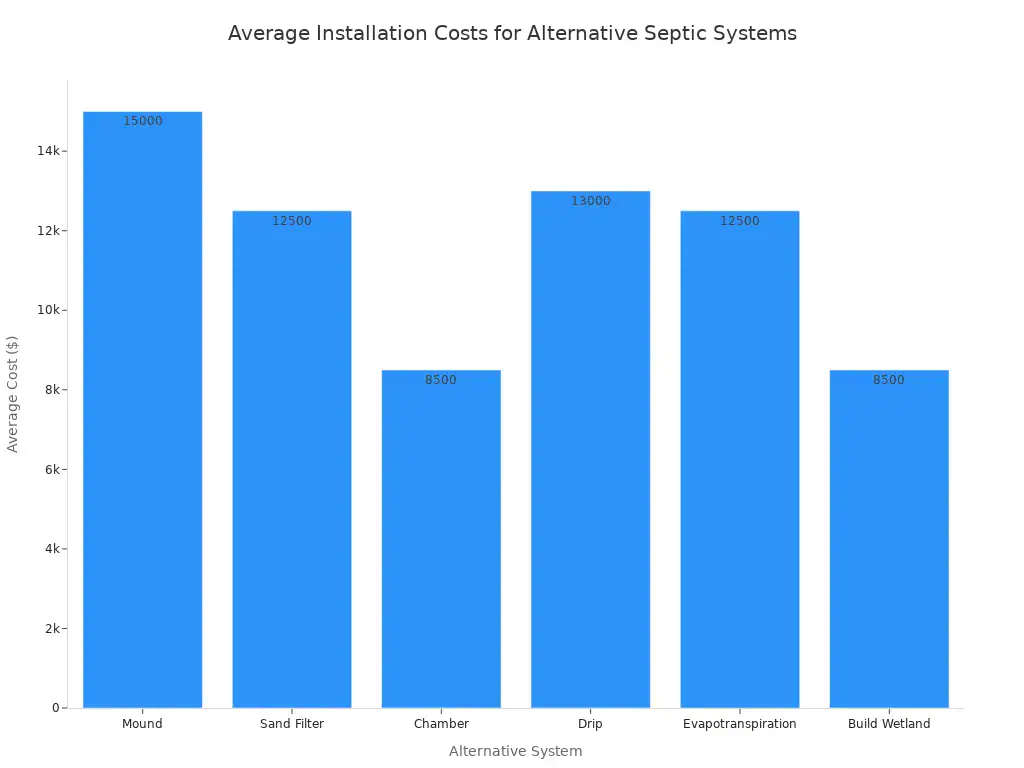
Several factors contribute to this higher cost:
Mound systems require extra materials and labor. You need to build an elevated drain field above ground level.
Aerobic Treatment Units (ATUs) include advanced technology. This enhances the treatment process. This adds to the cost compared to conventional septic systems.
Aerobic septic systems need extra elements. These include aerators, electrical connections, and pump tanks. All these increase the initial expenditure.
Alternative septic systems, like mound systems, have a higher price tag. This is due to specific components and complex installation. This is especially true for properties with unique challenges like shallow soil.
Mound septic systems cost more to install. They require additional moving parts. They also need materials for building the elevated sand mound. This mound acts as the drain field. You also need a pump tank. This pushes wastewater up into the mound.
Space and Land Use
Above-ground septic systems require more space. You need a larger area for the elevated drain field. This can be a problem if your property has limited land. The mound itself takes up valuable yard space. This might restrict other uses for your land. You might not have room for gardens or recreational areas. You must consider your property size.
Vulnerability to Elements
Above-ground septic systems are more exposed to weather conditions. This makes them vulnerable to extreme temperatures.
Freezing temperatures can cause problems. Pipes linking your house to the septic tank are most vulnerable. The tank itself and pipes to the leach field are also at risk.
Lack of snow cover is a problem. Snow insulates pipes. Without it, frost penetrates deeper. This can freeze the system.
Compacted snow loses its insulating properties. This allows frost to go deeper.
Compacted soils, like driveways, freeze deeper. This affects nearby septic components.
New systems installed late in the year lack insulation. They do not have established vegetation. This increases freezing risk.
Irregular system use can cause freezing. Low sewage flow does not generate enough heat.
Leaking plumbing fixtures can cause problems. Slow trickles of water can freeze in pipes. This blocks them.
Pipes not draining properly can lead to freezing. Water sits in the pipes.
Low flow rates from dripping faucets can form ice dams. This blocks pipes.
Poor drainage or sloping can make pipes susceptible to freezing. Water moves slowly or accumulates.
Hot weather also creates problems.
Increased water usage can overload the septic system. This reduces drain field efficiency.
Dry, compacted soil reduces permeability. This hinders wastewater absorption. It can cause pooling or system overload.
Evaporation and odor issues increase. Higher temperatures accelerate water evaporation. This leads to stronger odors.
Extreme heat can harm beneficial bacteria. These bacteria are essential for waste breakdown. This reduces treatment efficiency.
Dry soil movement can damage septic tanks or pipes. This causes leaks or partial system failure.
Tree and shrub roots seek moisture during droughts. They can invade and damage septic pipes.
A hot, dry environment impairs the drain field’s ability to process wastewater. This hinders natural filtration. It increases contamination risks.
Potential for Odor
Above-ground septic systems can sometimes produce unpleasant odors. This is a common concern for homeowners. You might notice smells around different parts of the system.
Here are common causes of odor:
Odors near your house: A broken sewer pipe can cause this. Wind patterns might carry sewer gas down into your yard. Your plumbing vent pipe might need extension or carbon filters.
Odors near the septic tank: Improper venting causes these odors. This includes clogged building sewer lines. Damaged rubber seals on plastic lids or leaking concrete lids also cause problems. Damaged inspection pipe covers are another cause. Pumping the tank can sometimes fix the issue.
Odors near a pretreatment unit: This indicates the unit is not working correctly. This applies to aerobic treatment units, constructed wetlands, or media filters.
Odors near a pump/dosing tank: An unsecured or improperly sealed maintenance access lid can cause this. Septic gas leaking from wiring or conduit is another reason.
Odors near the soil treatment area: This suggests a problem with this part of the septic system. Broken inspection pipes or unsecured caps are causes. Wet or spongy soil indicates sewage surfacing. This is a serious problem.
Specific Maintenance Needs
Above-ground septic systems require specific maintenance. You must follow these requirements to ensure your system works well. This often involves more than just regular pumping.
Alternative treatment systems have special components. These include sand/peat filters, constructed wetlands, or aerobic tanks. They might involve mechanical parts or living plants.
These systems need specialized knowledge and skill. They require attention to function as intended.
You might need to hire professional management. This is due to the complexity and cost of these systems.
You must schedule routine inspections. These inspections help identify problems early.
You need to pump your septic tank regularly. This prevents solids buildup. Pumping frequency depends on your household size and waste volume.
You must monitor the system for any signs of trouble. Look for unusual odors or wet spots.
Properly maintaining your septic system prevents costly backups. It also extends the life of your system.
You must address any issues promptly. This prevents minor problems from becoming major ones.
Regular maintenance and repairs are crucial. They ensure your septic system operates efficiently.
Above Ground vs. Conventional Septic
Installation and Site Suitability
You choose between above-ground and conventional septic systems based on your property’s needs. Conventional septic systems work best with good soil and low water tables. They use gravity to move wastewater through a buried drain field. Above-ground septic tanks, however, suit challenging sites. These include properties with high water tables, shallow bedrock, or poor soil drainage. A typical septic installation project can often be completed within a few days. Most residential installations take 3–7 business days. This includes the initial site evaluation, permitting, construction, and final inspection for any septic system. An above-ground system might require more site preparation for its elevated design.
Performance and Durability
Both types of septic system treat wastewater. Conventional systems rely on natural soil filtration. Their performance depends heavily on soil quality. Above-ground septic systems often include advanced treatment units. These units provide more thorough wastewater cleaning. This can lead to better environmental protection. The durability of any septic system depends on proper installation and consistent maintenance. Neglecting maintenance can lead to system failures for both types. An above-ground system’s exposed components might need more protection from harsh weather.
Regulations and Permitting
You will find different rules for each septic system type. Municipalities often have specific zoning regulations. Mound septic systems often face more stringent zoning regulations due to their above-ground nature. This can impact their size and design. Conventional systems may have different requirements. The permitting process for mound systems might require more detailed plans and inspections. Regulatory bodies consider the environmental impact of each septic system. Both system types are subject to maintenance regulations. These include requirements for routine inspections and upkeep. Zoning laws can also influence future property expansion. Mound systems potentially face greater limitations due to space constraints.
Long-Term Cost Comparison
You consider both initial and ongoing costs. Above-ground septic systems typically have higher upfront costs. This is due to specialized components and complex installation. However, they can offer long-term cost savings by preventing expensive failures on difficult sites. Conventional systems have lower initial costs. Their long-term cost depends on soil conditions and maintenance. Poor soil can lead to early failures and costly repairs. Regular maintenance is crucial for both systems to ensure cost savings over time. Proper maintenance prevents costly failures.
When to Choose Above Ground Septic
Property Conditions That Benefit
You should choose an above-ground septic system if your property presents specific challenges. These systems are ideal for sites where conventional septic systems fail. For example, you might have challenging soil conditions. This includes rocky, shallow, or poor-draining soil. Your soil might be too dense for a conventional septic system. You might also have soil permeability issues. This means your soil is either too sandy, allowing effluent to reach groundwater too quickly, or too clayey, causing waterlogging. A high water table also makes an above-ground septic system more suitable. This ensures proper distance between your drainage field and the groundwater. You might also have limited excavation options. This happens if your site has constraints that prevent digging for an underground septic system. Insufficient land for a traditional septic system is another reason. If you have a failed perc test, an above-ground septic system can be your solution. This test shows your soil absorbs water too quickly or too slowly. Shallow bedrock close to the surface also benefits from this type of septic system. Living near a sensitive natural environment or body of water also points to this choice.
Local Codes and Environment
Local codes and environmental concerns often guide your choice of a septic system. Regulatory bodies prioritize the environment. They often require advanced septic solutions for challenging sites. You must check your local health department rules. These rules dictate what type of septic system you can install. They ensure your septic system protects local water sources. An above-ground septic system offers enhanced environmental protection. This is especially true for properties near sensitive areas. You help protect the local environment by choosing the right system.
Budget and Investment
You might consider the budget for your septic system. Above-ground septic tanks often have higher upfront costs. However, you can achieve significant cost savings over time. This happens by preventing expensive failures on difficult sites. Many homeowners find these septic systems a wise investment. Financial incentives can also make these septic systems more affordable. For example, some programs offer loans for new standard or alternative septic systems. The Individual Household Well & Septic Loan Program provides loans up to $15,000. These loans have a low interest rate. Homeowners have found that incentives make replacing a failed septic system an easy decision. These incentives allow you to upgrade your septic system. This can provide long-term cost savings and peace of mind.
You have explored the pros and cons of above-ground septic tanks. These septic tanks offer a vital solution for challenging sites. You might have poor soil or a high water table. This septic system provides effective wastewater treatment. It is not for every property. You must consult local experts. Consider your specific property needs and regulations. This helps you make an informed decision. Above-ground septic systems are a crucial alternative for many. This septic system ensures proper waste management.
FAQ
What makes an above-ground septic system different?
An above-ground septic system treats your wastewater above the natural ground level. This design helps homeowners manage waste effectively. It works well when your property has challenging soil conditions or a high water table. This septic system provides a solution for many homeowners.
How often do you need to pump an above-ground septic tank?
You should pump your above-ground septic tank regularly. The frequency depends on your household size and how much wastewater you produce. Most homeowners need pumping every 3 to 5 years. Regular pumping prevents solids buildup and potential backups in your septic system.
Can an above-ground septic system cause odors?
Yes, an above-ground septic system can sometimes produce odors. This happens if there are problems with venting or if components are not sealed correctly. Odors near your septic tank or drain field indicate an issue. You should address these problems quickly to prevent further issues.
Are above-ground septic systems better for the environment?
Above-ground septic systems can be better for the environment. They often include advanced treatment units. These units clean wastewater more thoroughly. This reduces the risk of groundwater pollution. You get significant environmental benefits from this type of septic system. This protects local water sources and ecosystems.
What happens if you do not maintain your above-ground septic system?
If you neglect maintenance, your above-ground septic system can fail. This leads to costly repairs or even a sewage backup. Regular inspections and pumping are crucial. Homeowners must follow maintenance requirements to ensure their septic system works correctly. This prevents problems and extends its lifespan.