
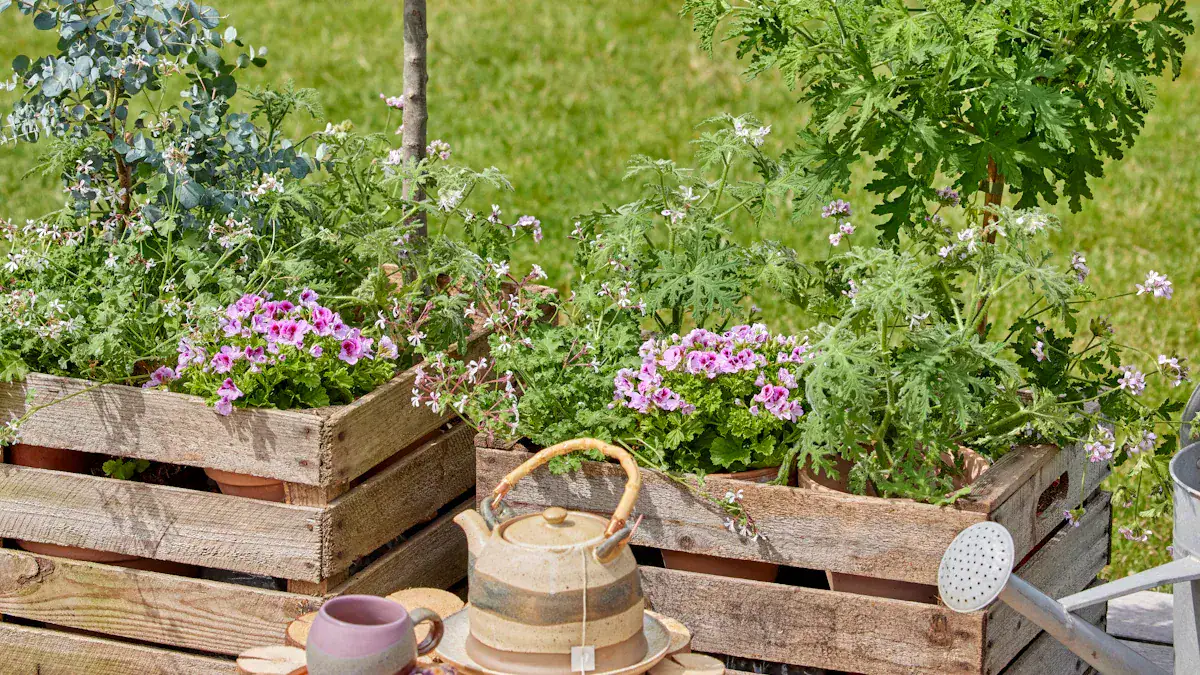
You can protect wood on your raised garden beds and keep your garden safe for years. Most gardeners choose wood for their beds, especially cedar, pine, and redwood, because these materials last longer. Using non-toxic products helps you grow healthy plants without risking your soil. Regular resealing shields the wood from moisture, mold, and decay, so your garden beds stay strong and secure.
Wood remains the most popular choice for raised garden beds.
Cedar and redwood offer extra durability compared to other materials.
Key Takeaways
Choose non-toxic sealers to protect your garden beds. These options keep harmful chemicals away from your soil and plants.
Regularly inspect your wood for signs of damage. Look for cracks, dark spots, or soft areas to catch problems early.
Reseal your garden beds every one to three years. The frequency depends on wood type, climate, and board thickness.
Clean and prepare the wood before sealing. Dust and sand the surface to ensure the sealer adheres properly.
Use eco-friendly treatments and seal gaps to extend the life of your garden beds. This helps prevent moisture and pest issues.
Why Protect Wood
Benefits for Raised Garden Beds
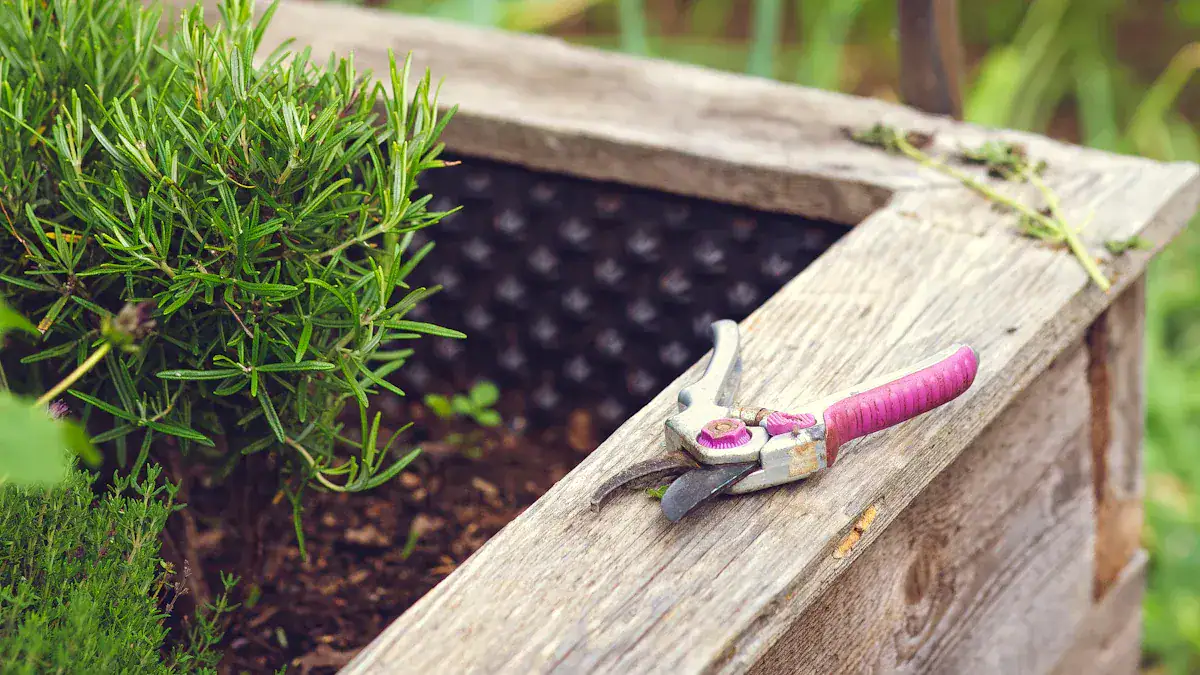
You want your raised garden beds to last for many seasons. Protecting wood helps you keep your garden strong and healthy. Sealing wood gives you several important benefits:
Benefit | Explanation |
|---|---|
Moisture Resistance | Sealing prevents moisture absorption, reducing the risk of rot and swelling. |
Enhanced Durability | Stabilizes wood, making it resistant to cracking, splitting, and warping. |
Non-Toxic Protection | Ensures that no harmful chemicals leach into the soil, maintaining a safe environment for plants. |
Cedar wood is a popular choice because it resists weather and pests. You spend less time on maintenance and more time growing your favorite vegetables. Natural sealants work well for both the inside and outside of your wood garden beds. These sealants do not leach into the soil, so your garden stays safe for you and your family. Sealed wood also creates a stable environment for plant growth and reduces the need for repairs. You can enjoy longer planting seasons because cedar has insulating properties.
Tip: USDA organic standards do not allow pressure-treated wood to touch edible plants. Using non-toxic sealants helps you meet these standards and keeps your garden safe.
Risks of Unsealed Wood
Unsealed wood in raised garden beds faces many risks. You may notice that untreated wood lasts only one to two years outdoors. Softer woods like pine or Douglas fir can rot quickly, especially in wet climates. Decay and pest infestations, such as termites and fungi, damage your garden beds and shorten their lifespan. In humid areas, these problems get worse.
Unsealed wood absorbs water, causing swelling and cracking.
Pest infestations become common, leading to more repairs.
Untreated wood can break down fast, making your garden less stable.
Research shows that lining beds with plastic is sometimes suggested, but studies found no increase in copper levels in vegetables grown in treated wood beds. Still, sealing wood remains the best way to protect your garden and keep your soil healthy.
Choose a Sealer
Non-Toxic Options
You want to keep your garden safe for your family and the environment. Choosing a non-toxic sealer protects your soil and plants from harmful chemicals. Many conventional sealers contain hazardous substances and VOCs that can contaminate your garden. You should look for non-toxic wood treatments that are food-safe and plant-safe. These options help you seal garden beds without risking your health or the health of your crops.
Tip: Always check the label for food-safe certification before you apply any sealer to wood garden beds.
Non-toxic sealers come in several forms. You can use water-based sealers, natural penetrating oils, or products like Seal-Once. These sealers work well for raised garden beds and do not harm pets, wildlife, or marine life. You can see the main types in the table below:
Sealer Type | Application | Safety Features |
|---|---|---|
Water-based sealer/stain | Raised garden beds | Non-toxic, plant-safe |
Non-toxic wood sealer | Raised garden beds | Food-safe, plant-safe |
Seal-Once | General wood treatment | Non-toxic, safe for pets, plants, people |
Natural penetrating oil | Garden beds | Non-toxic, plant-safe |
Best Sealer Types
You have many choices when you select a sealer for your garden beds. Linseed oil, beeswax, PolyWhey, and oil-based deck stains are popular options. Linseed oil is eco-friendly and not harmful to plants or animals. It is easy to apply and gives wood good elasticity. However, it dries slowly and needs regular maintenance. Beeswax offers water resistance but does not make wood waterproof. PolyWhey is a non-toxic sealer made from renewable resources. Oil-based deck stains protect wood from moisture but may not prevent sun damage.
Non-toxic wood sealers are eco-friendly and safe for your garden. They protect wood from weather, provide waterproofing, and offer UV protection. You need to reapply these sealers regularly to keep your garden beds in good condition. Mineral-based wood preservatives help protect against moisture and decay. You should treat both the inside and outside of the wood, especially if you use pine. Sealing the gaps between boards is important because these areas are most likely to decay.
Clear wood sealers protect against moisture but may not block sun damage. You can use clear silicone to seal seams and extend the life of your garden beds. The Shou Sugi Ban method, which chars wood, also improves resistance to water and insects.
Reseal Wood
Clean and Prepare
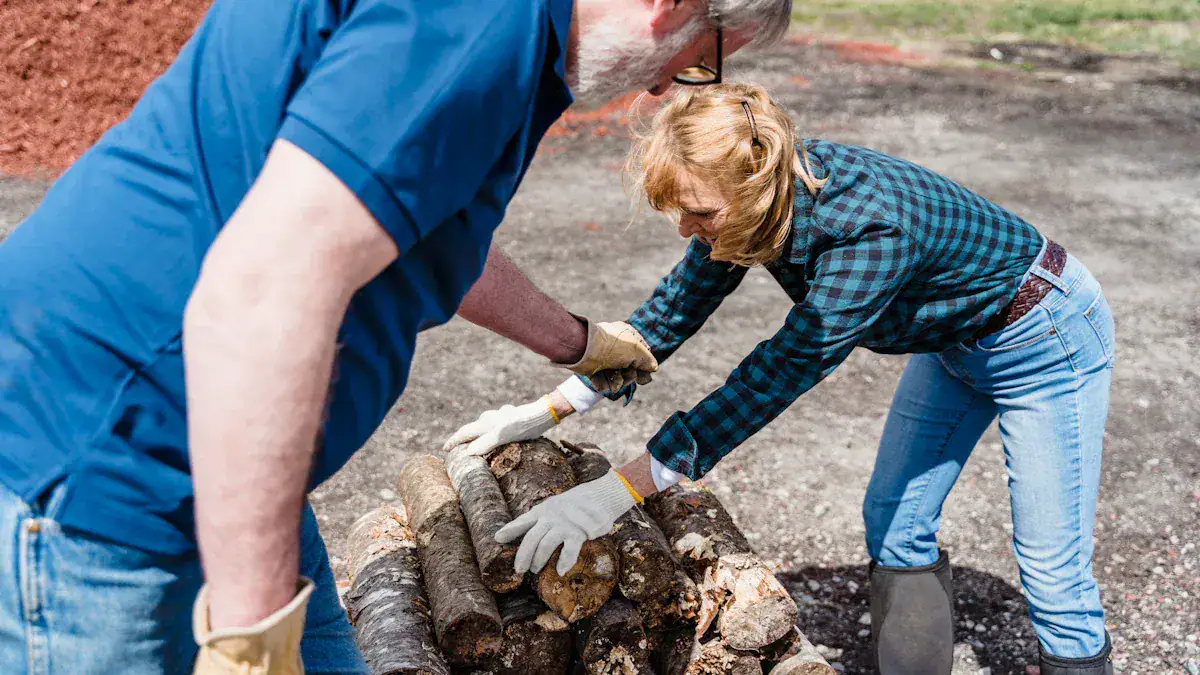
You need to start with clean wood before you reseal your raised garden beds. Dust off the surface with a brush. Remove dirt and dust from every corner of your garden bed. If you see any glaze on the wood, sand it down. Sanding helps remove rough spots and lets the sealer stick better. After sanding, wipe away all dust with a cloth or brush. Make sure the wood is completely dry before you move to the next step. Dry wood helps the sealer soak in and form a strong moisture barrier. This step supports eco-friendly gardening and keeps your garden safe.
Safe cleaning agents for wood garden beds include:
Garden Seal, a non-toxic sealer that prevents rot.
Hope’s Natural Tung Oil, which works well for annual sealing.
Clear silicone, which seals the seams and is waterproof and non-toxic after drying.
Tip: Cleaning and drying the wood before sealing helps reduce wood-to-earth contact and promotes good drainage.
Inspect and Repair
Check your wood garden beds for damage before you apply any sealer. Look for cracks, splinters, and dark spots. These signs may show rot or mold. If you find wood rot, you need to fix it right away to extend the life of garden beds. Lift and check the retaining wall for leaning. Remove the top cap plate and inspect the angle. Reattach the cap plate closer to the post to minimize gaps. If the post is crooked, remove soil and timber beams to straighten it. Use oils to treat aged hardwood and revamp the timber. Clean surfaces with a wire brush to remove loose wood and dirt.
Note: Inspecting and repairing damage helps create a strong barrier against moisture and pests.
Apply Sealer
You need to prepare the wood before you apply the sealer. Make sure the wood is clean, dry, and free from dust. Sand rough ends for better adhesion. Choose your application method. Use a brush for small areas, a roller for large boards, or a sprayer for big projects. Work in small sections to ensure thorough coverage and avoid missing spots. Apply a thick, even coat of sealer to saturate the end grain. You may need a second coat for long-lasting protection. Seal the seams with clear silicone to block water and mold. Use a non-toxic sealer for food-safe results. For extra protection, add a UV-resistant plastic lining inside the bed. This lining acts as a barrier and helps reduce wood-to-earth contact. Around drainage holes, use water sealing to promote good drainage and prevent leaks.
We ended up applying 3 coats of Garden Seal to the inside of our beds (where rot is most likely to occur) and had enough left over to do just one coat on the exterior. However, the third coat inside the beds did leave a bit of a visible residue, so one or two coats for the exterior would be best.
You can also try shou sugi ban, a charring technique, for extra resistance to rot and insects. This method creates a natural moisture barrier and gives your garden beds a unique look.
Dry and Cure
Let the sealer dry undisturbed for at least 24 hours. Avoid direct sunlight or rain during this time. Drying helps the sealer bond with the wood and form a strong barrier. If you use multiple coats, allow each coat to dry before adding the next. After curing, check the surface for missed spots and touch up if needed. Proper drying and curing ensure long-lasting protection for your raised garden beds. Maintain and reapply sealer as needed to keep your garden healthy and your soil safe.
Maintain Wood Garden Beds
Reseal Frequency
You want your raised garden beds to last as long as possible. Resealing wood garden beds creates a strong barrier against moisture and mold. The frequency of resealing depends on several factors:
The thickness of your boards matters. Thicker boards, such as 2-inch or 4-inch, extend the life of garden beds and offer better protection.
Cedar and redwood resist rot, so you may reseal less often if you use these woods.
Eco-friendly treatments applied before assembly help seal the wood and reduce wood-to-earth contact.
Climate plays a role. Wet or humid regions require more frequent resealing to maintain a barrier.
Most gardeners reseal every one to three years. You should check your garden beds each season to decide if resealing is needed. Using food-safe options keeps your garden safe for growing food.
Signs to Watch For
You need to watch for changes in your wood garden beds. These signs show when resealing or repairs are needed:
Sign | What It Means |
|---|---|
Soft or spongy wood | Possible rot or moisture damage |
Dark spots | Mold or fungal growth |
Cracks or splits | Loss of barrier and protection |
Warping | Water absorption and poor drainage |
Soil erosion | Weak barrier and reduced stability |
If you see any of these signs, you should act quickly. Prompt attention helps promote good drainage and keeps your garden safe for growing food. Well-draining soil also reduces wood-to-earth contact and prevents rot.
Tip: Regular inspection helps you catch problems early and extend the life of garden beds.
Mistakes to Avoid
You want to avoid common mistakes that reduce the effectiveness of your barrier. These mistakes can harm your garden and soil:
Using sealers that are not non-toxic or food-safe options. Unsafe products may leach chemicals into the soil and make your garden unsafe for growing food.
Ignoring seams and gaps. Water can enter through these areas and break down the barrier.
Forgetting to seal around drainage holes. This mistake can lead to poor drainage and mold.
Skipping eco-friendly treatments before assembly. Early sealing helps reduce wood-to-earth contact and protects your garden.
Overlooking regular maintenance. Neglecting inspection and resealing shortens the life of wood garden beds.
Note: Choosing safe for growing food products and maintaining a strong barrier keeps your garden healthy and productive.
You can protect and reseal wood garden beds by sealing gaps with clear silicone, installing beds on gravel, and applying non-toxic sealers like Garden Seal. Non-toxic, food-safe sealers keep moisture, mold, and decay away from your wood and prevent chemicals from reaching your plants. Regular inspection and maintenance help you spot problems early and keep your garden healthy.
Inspection Practice | Purpose |
|---|---|
Check plants for damage | Early pest or disease detection |
Inspect undersides of leaves | Find pests like aphids or spider mites |
Look for fungal signs | Manage diseases like powdery mildew |
Well-maintained beds support healthy soil, strong plants, and bigger harvests. Enjoy a thriving, productive garden season after season! 🌱
FAQ
What is the safest wood sealer for raised garden beds?
You should choose a non-toxic, food-safe sealer. Linseed oil, beeswax, and PolyWhey work well. These products protect your wood and keep your soil safe for growing vegetables.
What signs show that wood needs resealing?
You may see cracks, dark spots, or soft areas on the wood. Warping and mold growth also mean you need to reseal your garden beds soon.
What tools do you need to reseal wood garden beds?
You need a brush, roller, or sprayer for applying sealer. Sandpaper helps smooth rough spots. A clean cloth removes dust. Silicone seals gaps and seams.
What mistakes should you avoid when sealing wood?
You should not use sealers with chemicals. Avoid missing seams or drainage holes. Skipping regular inspections can lead to rot and mold.
What is shou sugi ban and how does it help?
Shou sugi ban is a wood-charring method. You burn the wood surface to create a protective layer. This technique increases resistance to water, insects, and decay.