

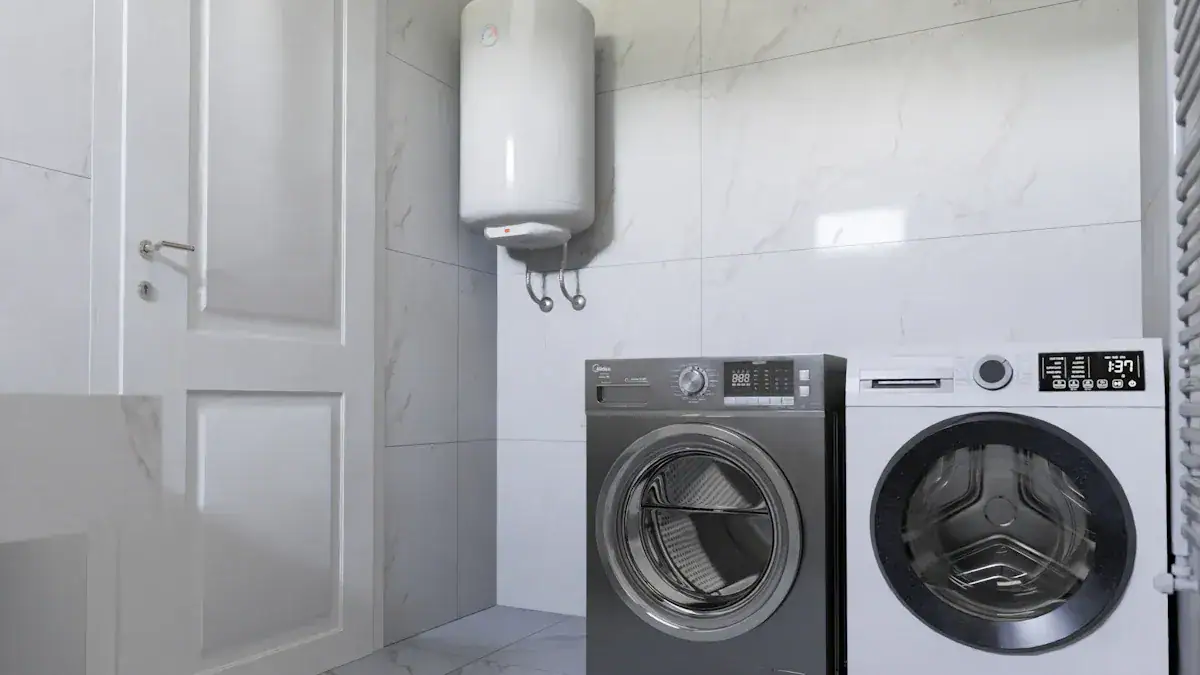
A heat pump dryer works by recirculating air. It uses a refrigerant system to heat and dehumidify the air, eliminating the need for external venting. This makes a heat pump dryer an incredibly energy efficient appliance. These machines can reduce energy consumption by up to 70 percent compared to conventional dryers, often using between 500 to 2500 watts per cycle. This article will explore the advantages and disadvantages of heat pump dryers, helping you decide if this innovative appliance suits your household needs.
Key Takeaways
Heat pump dryers save a lot of energy. They reuse warm air to dry clothes. This means lower electricity bills for you.
These dryers are gentle on clothes. They use lower heat. This helps your clothes last longer and prevents damage.
You can install a heat pump dryer almost anywhere. They do not need a vent to the outside. This gives you more choices for placement.
Heat pump dryers cost more to buy at first. They also take longer to dry clothes. You should think about these points before buying one.
What is a Heat Pump Dryer?
How They Work
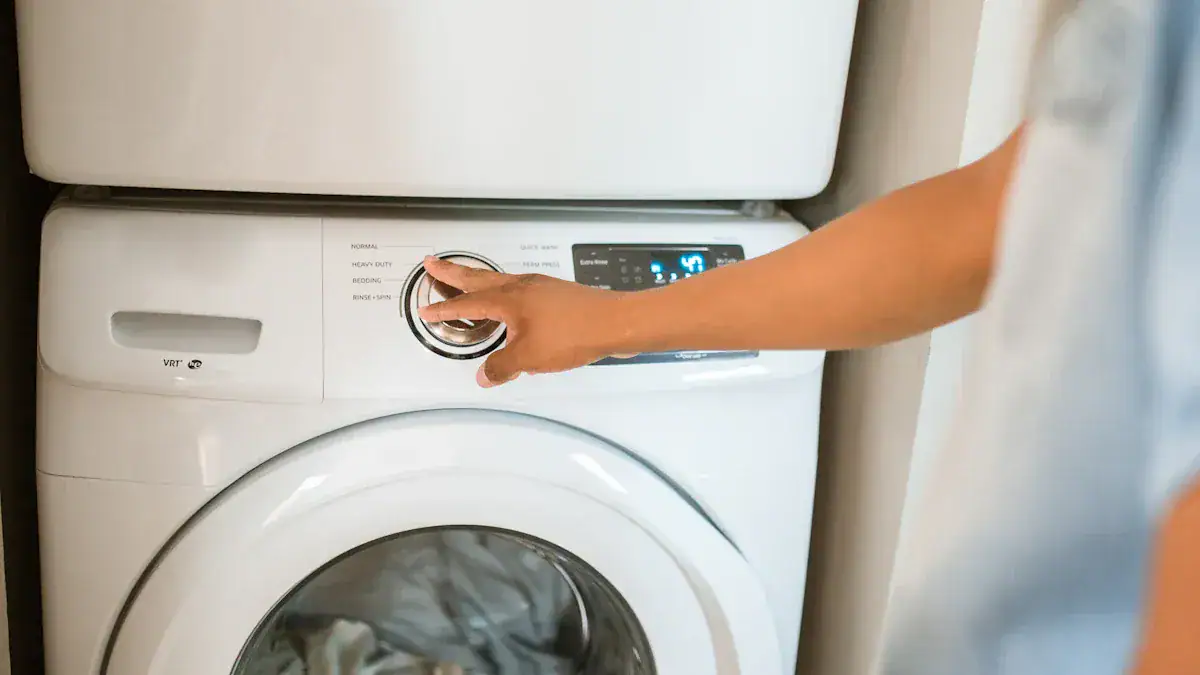
A heat pump dryer operates as a closed system. It works much like a dehumidifier. This appliance uses a refrigerant system to manage air temperature and moisture. First, it dehumidifies air by passing it over a cold coil. This action condenses moisture from the air. Next, the air moves over a hot coil, returning it to its original temperature. Both the evaporator and condenser are inside the unit. This design keeps heat within the system. Only a small amount of extra heat comes from the compressor’s work. The condenser cools high-pressure refrigerant vapor into a liquid. This allows continuous refrigeration. A thermal expansion valve or capillary tube then regulates the refrigerant flow into the evaporator. This mechanism ensures efficient heat transfer. This advanced heat pump technology makes your clothes dry effectively.
Key Differences
You will notice several key differences with a heat pump dryer compared to traditional models. One major distinction is its ventless operation. This means you do not need an external vent to exhaust moist air. This simplifies installation significantly. Another important difference involves power supply. Many heat pump dryers, like those from LG and Miele, use a standard 120-volt outlet. This is a common household outlet. However, some models, such as Whirlpool’s heat pump dryer, require 240-volt power. Traditional electric dryers typically need a 30A receptacle and circuit, often consuming 5000 watts. The National Electrical Code (NEC) does not yet recognize heat pump dryers as a distinct category. This can lead to inconsistencies in how their power needs are assessed.
Pros of Heat Pump Dryers
Energy Efficiency
You will find that a heat pump dryer offers significant energy savings. These appliances use a closed-loop system. This design allows them to reuse heated air. This is different from traditional dryers that vent warm, moist air outside. Heat pump dryers can reduce energy consumption by at least 28% compared to standard vented dryers. Some models even achieve reductions of 40% to 70%. You can expect a heat pump dryer to typically consume between 700 and 900 watts per cycle. This makes them incredibly energy efficient. This heat pump efficiency translates directly into lower energy costs for your household. You will see a noticeable difference in your utility bills. This can lead to a fast return on your initial investment.
Gentle on Clothes
Heat pump dryers treat your clothes with care. They operate at much lower temperatures than conventional dryers. This gentle drying process helps to protect your fabrics. You will notice less wear and tear on your garments over time. This means your favorite clothes will last longer. The reduced heat also prevents shrinkage and fading. This makes a heat pump dryer an excellent choice for delicate items.
Installation Flexibility
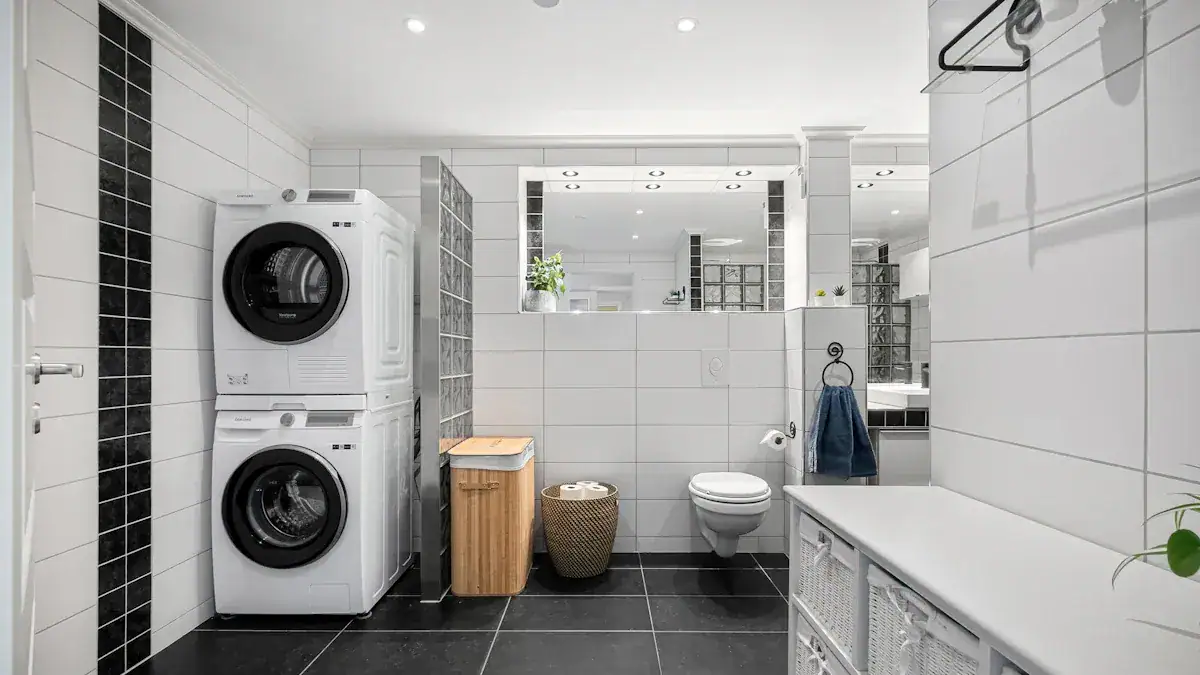
You will appreciate the installation flexibility a heat pump dryer provides. These appliances do not require external venting. This means you do not need to cut a hole in your wall for a vent. This ventless operation simplifies installation greatly.
You can install these dryers in any room. You are not limited to a dedicated laundry area.
They are often compact. You do not need to place them near an exterior wall.
Installation is straightforward. You typically only need a standard 110-volt power outlet and good airflow around the unit.
This flexibility allows you to place your dryer almost anywhere in your home or apartment. You can choose a stacked or side-by-side configuration. This removes the risk of lint buildup in dryer vents, which can cause fires.
Environmental Benefits
Choosing a heat pump dryer also benefits the environment. The reduced energy consumption directly leads to a smaller carbon footprint. This is because these appliances use less electricity. Heat pump technology reuses heated air in a closed-loop system. This method significantly cuts down on the energy needed for drying clothes. Compared to conventional gas and electric-resistance models, heat pump dryers can reduce electricity consumption by up to 65%. This substantial energy reduction helps to decrease overall carbon emissions. Using modern energy-saving appliances like heat pump dryers can save more than 4 tons of CO2. This shows a clear link between your appliance choice and a healthier planet.
Cons of Heat Pump Dryers
Higher Initial Cost
You will notice a significant upfront investment with a heat pump dryer. These appliances generally cost more than traditional vented dryers. The average price difference between a heat pump dryer and a standard vented dryer is about $650. A typical vented dryer costs around $949. A standard heat pump dryer, however, costs roughly $1,799. This higher initial price can be a barrier for some buyers. You must consider this cost when making your decision.
Slower Drying Cycles
While heat pump dryers are energy efficient, they often take longer to dry your clothes. Earlier models had much longer drying times. Today’s heat pump dryers offer faster drying. They are still gentler on clothes. The heating phase in these machines is naturally longer than in traditional dryers. If you use the ‘Eco’ option for more energy savings, your drying times will extend even further. You might find that heat pump dryers take 50% to 100% longer to dry clothes compared to standard vented electric clothes dryers. This means you might need to plan your laundry days differently.
Load Capacity
You might find that heat pump dryers often have a smaller load capacity. Standard vented dryers typically offer more space for your laundry. This means you may need to do more loads to dry the same amount of clothes. A smaller capacity can be inconvenient for larger families or when you have bulky items like blankets. You should check the drum size before you buy.
Performance in Cold
Heat pump dryers can show poor performance in cold ambient temperatures. Their efficiency drops when the surrounding air is too cold. For example, at temperatures below 5–15 °C, the evaporator works at a much lower temperature. This leads to less efficiency. The system also experiences greater irreversibility below 10 °C. This happens because of the low evaporator operating temperature and a high temperature lift. You will see the system’s performance improve when ambient temperatures go above 20 °C. The evaporator’s heat exchange with the ambient air becomes more helpful then. This means if you plan to install your heat pump dryer in a cold garage or unheated basement, you might face higher energy costs and longer drying times.
Heat Pump Dryers Compared
You might wonder how heat pump dryers stack up against other common dryer types. Each type offers different benefits. Understanding these differences helps you choose the best appliance for your home.
Versus Condenser Dryers
You can compare heat pump dryers to condenser dryers. Both are ventless. However, they work differently. Here is a quick look at their main features:
Feature | Heat Pump Dryers | Condenser Dryers |
|---|---|---|
Drying Principle | Circulates warm air, reuses heat through a heat exchange process. | Uses a condensing system; heated air evaporates water, then cooled to condense moisture into a container/drainage. |
Energy Efficiency | More energy-efficient, consumes up to 50% less energy. | Less energy-efficient, consumes more power, but recent improvements exist. |
Operating Temperature | Operate at lower temperatures, preventing damage to delicate fabrics. | Tend to be faster and more effective for large loads. |
Drying Time | Typically have longer drying times. | Generally faster drying times. |
Environmental Impact | More environmentally friendly due to reduced greenhouse gas emissions. | Less eco-friendly, though recent models have improved. |
Initial Cost | Higher initial cost. | More affordable upfront. |
Maintenance | Requires more maintenance for filters and condenser coils. | Easier to maintain. |
You can see that heat pump technology offers better energy savings. Condenser dryers are often faster.
Versus Vented Electric
You will find a big difference in energy use when you compare heat pump dryers to vented electric models. A heat pump dryer uses a closed system. It recycles warm air. Traditional vented dryers push hot air outside. This recycling process greatly cuts down on energy use. This means lower electricity bills for you. ENERGY STAR certified heat pump dryers use almost 30% less energy than standard clothes dryers. This efficiency comes from the closed-loop system. It heats and reuses air to remove moisture. It does not vent hot, moist air outside.
Versus Gas Dryers
Gas dryers use natural gas to create heat. They need a gas line and an external vent. They often dry clothes faster than electric models. A heat pump dryer uses electricity. It does not need a gas line. It also does not need a vent. Gas dryers can be cheaper to run in areas with low natural gas prices. However, heat pump dryers offer superior electrical energy efficiency. They also provide more installation flexibility.
Is a Heat Pump Dryer for You?
Ideal User Scenarios
You might find a heat pump dryer perfect for your home if you prioritize efficiency and flexibility. These appliances use up to 50% less energy than traditional vented dryers. This means you will see significantly lower energy costs on your utility bills. Their ventless design allows for installation in compact areas. You can place them in closets or basements without needing an external vent. This offers great flexibility for your laundry setup. Heat pump dryers also operate at lower temperatures. This gentle fabric care helps extend the lifespan of your clothes. Many models include advanced features. These include customizable settings, fabric care options, and moisture sensors. These features ensure optimal drying for all your garments.
When to Consider Alternatives
You should consider other dryer types if certain factors are important to you. If you need to dry clothes very quickly, a heat pump dryer might not be your best choice. They generally have longer drying cycles. If you have a large family and do many loads, a smaller load capacity could be inconvenient. You might also want to consider alternatives if your budget for the initial purchase is very strict. Heat pump dryers have a higher upfront cost. Finally, if you plan to install your dryer in a very cold garage or unheated basement, its performance might suffer. Cold ambient temperatures reduce their efficiency.
You now understand the main points about a heat pump dryer. You gain significant energy savings and gentle fabric care. However, you face a higher initial cost and longer drying times. If you prioritize energy efficiency, delicate fabric care, or need ventless installation, this appliance is a great choice. Make your decision based on your household’s unique needs and priorities.
FAQ
What is the main benefit of a heat pump dryer?
You save a lot of energy. These dryers reuse warm air. This makes them very efficient. You will see lower electricity bills. They also protect your clothes with lower drying temperatures.
Do heat pump dryers take longer to dry clothes?
Yes, they often take more time. Their gentle, lower-temperature drying cycles are longer. You might need to adjust your laundry schedule. This is a trade-off for energy savings and fabric care.
Can I install a heat pump dryer anywhere?
You have great flexibility. Heat pump dryers do not need an outside vent. You can place them in many rooms. They usually only need a standard 110-volt outlet.
Are heat pump dryers expensive?
They cost more upfront than traditional dryers. You will pay a higher initial price. However, you save money on energy bills over time. This can offset the higher purchase cost.

