

Like swapping a manual gearbox for smooth cruise control, upgrading your thermostat makes home comfort effortless. You’ll get choices that work with Siri, Matter, and HomeKit so setup and voice control are predictable and reliable. Some learn your patterns, others pair with remote sensors or give clear energy reports. Keep an eye on wiring and compatibility—and stick around to see which model fits your system best.
| Google Nest Learning Thermostat (4th Gen) – Polished Gold |

| Best Overall | HomeKit Compatibility: Works with Siri / Google Assistant / Alexa (Matter compatible; integrates with Apple Home via Matter) | Wi‑Fi / Smart Connectivity: Wi‑Fi / Matter (remote control via Google Home app) | Voice Control Support: Works with Google Assistant, Alexa, Siri | VIEW LATEST PRICE | Read Our Analysis |
| meross Smart Wi‑Fi Thermostat (Matter Alexa HomeKit) |

| Best Value | HomeKit Compatibility: Apple Home (Matter support listed) | Wi‑Fi / Smart Connectivity: Wi‑Fi / Matter | Voice Control Support: Works with Alexa, Google Assistant, Siri/HomeKit (via Matter) | VIEW LATEST PRICE | Read Our Analysis |
| Google Nest Learning Thermostat (4th Gen) + Sensor |

| Best for Zoned Comfort | HomeKit Compatibility: Works with Siri / Google Assistant / Alexa (Matter compatible; integrates with Apple Home via Matter) | Wi‑Fi / Smart Connectivity: Wi‑Fi / Matter (control via Google Home app) | Voice Control Support: Works with Google Assistant, Alexa, Siri | VIEW LATEST PRICE | Read Our Analysis |
| Honeywell Home Smart WiFi Thermostat X2S (Gray) |

| Most Customizable | HomeKit Compatibility: Apple HomeKit compatible (Matter certified) | Wi‑Fi / Smart Connectivity: Wi‑Fi / Matter | Voice Control Support: Works with Alexa, Google Assistant, Apple HomeKit (voice) | VIEW LATEST PRICE | Read Our Analysis |
| meross Smart Wi‑Fi Thermostat (Matter Alexa HomeKit) |
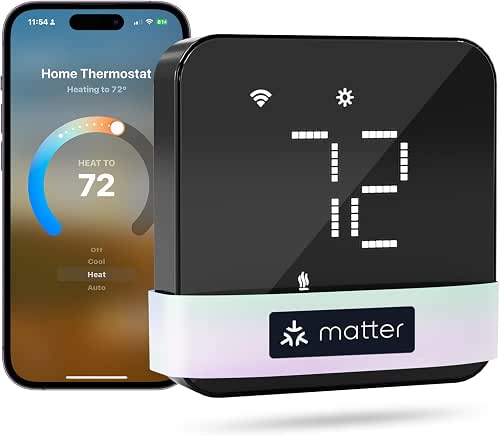
| Budget-Friendly Pick | HomeKit Compatibility: Apple Home (Matter support listed) | Wi‑Fi / Smart Connectivity: Wi‑Fi / Matter | Voice Control Support: Works with Alexa, Google Assistant, Siri/HomeKit (via Matter) | VIEW LATEST PRICE | Read Our Analysis |
| Emerson Sensi Wi‑Fi Smart Thermostat (HomeKit Alexa) |

| Easiest Setup | HomeKit Compatibility: Apple HomeKit compatible | Wi‑Fi / Smart Connectivity: Wi‑Fi (2.4 GHz) with smart platform integrations | Voice Control Support: Works with Alexa, Apple HomeKit, Google Assistant | VIEW LATEST PRICE | Read Our Analysis |
More Details on Our Top Picks
Google Nest Learning Thermostat (4th Gen) – Polished Gold
Provided that you want a stylish smart thermostat that learns your habits and cuts energy use, the Google Nest Learning Thermostat (4th Gen) in Polished Gold is a standout pick — its larger, kinetic Farsight display and built‑in learning algorithms make it easy to glance at key info from across the room and let the thermostat adapt so your home stays comfortable without constant tinkering. You’ll install it easily on most 24V systems, often without a C wire, and integrate it via Matter and Google Home. Use the Nest Temperature Sensor to prioritize rooms, get adaptive Eco savings, remote control, voice access, and energy notifications.
- HomeKit Compatibility:Works with Siri / Google Assistant / Alexa (Matter compatible; integrates with Apple Home via Matter)
- Wi‑Fi / Smart Connectivity:Wi‑Fi / Matter (remote control via Google Home app)
- Voice Control Support:Works with Google Assistant, Alexa, Siri
- 24V HVAC System Support:Compatible with most 24V systems (gas, electric, oil, heat pump, radiant, forced air)
- App Control / Scheduling:Remote control and scheduling via Google Home app; learning schedules
- Energy/Usage Savings & Alerts:Energy‑saving learning features; estimated up to 31% savings; app notifications
- Additional Feature:Dynamic Farsight display
- Additional Feature:Learns sun/outdoor effects
- Additional Feature:Includes Nest Temperature Sensor
meross Smart Wi‑Fi Thermostat (Matter Alexa HomeKit)
Should you want a HomeKit‑friendly, Matter‑capable thermostat that covers almost every 24V HVAC setup, the meross Smart Wi‑Fi Thermostat (MTS300) is a strong pick—its Matter support lets it work locally with Apple Home and other platforms for faster, more reliable control. You’ll get Wi‑Fi connectivity, voice and app control, and compatibility with heat pumps, furnaces, boilers, dehumidifiers and humidifiers (about 95% of systems). It offers 7x24h scheduling, energy modes, filters and malfunction alerts, remote monitoring, and a lockable LED display. Keep in mind the C‑wire requirement for some installs; it’s not for line‑voltage or two‑wire systems.
- HomeKit Compatibility:Apple Home (Matter support listed)
- Wi‑Fi / Smart Connectivity:Wi‑Fi / Matter
- Voice Control Support:Works with Alexa, Google Assistant, Siri/HomeKit (via Matter)
- 24V HVAC System Support:For 24V HVAC systems (not for high‑voltage baseboard)
- App Control / Scheduling:App control with 24/7 flexible scheduling via meross app
- Energy/Usage Savings & Alerts:Energy‑saving modes; HVAC usage tracking; smart alerts (filter, malfunctions)
- Additional Feature:7x24h flexible scheduling
- Additional Feature:Filter/system smart alerts
- Additional Feature:3‑year warranty
Google Nest Learning Thermostat (4th Gen) + Sensor
In case you want a smart thermostat that learns your habits and can target problem rooms, the Google Nest Learning Thermostat (4th Gen) with the Nest Temperature Sensor is a strong pick — it learns how sunlight and outdoor temps affect your home and lets you prioritize a specific room’s temperature on a schedule. You’ll get a 60% larger display with Responsive Farsight, easy self-installation on most 24V systems without a C wire, and Matter support for smart-home integration. The included Nest Sensor lets you zone rooms, Adaptive Eco trims energy use, and the system can cut heating and cooling bills substantially.
- HomeKit Compatibility:Works with Siri / Google Assistant / Alexa (Matter compatible; integrates with Apple Home via Matter)
- Wi‑Fi / Smart Connectivity:Wi‑Fi / Matter (control via Google Home app)
- Voice Control Support:Works with Google Assistant, Alexa, Siri
- 24V HVAC System Support:Compatible with most 24V systems (gas, electric, oil, heat pump, radiant, forced air)
- App Control / Scheduling:Remote control and scheduling via Google Home app; adaptive scheduling features
- Energy/Usage Savings & Alerts:Energy‑saving learning features; estimated up to 31% savings; app notifications
- Additional Feature:Adaptive Eco mode
- Additional Feature:Pause HVAC for savings
- Additional Feature:Includes one Nest Sensor
Honeywell Home Smart WiFi Thermostat X2S (Gray)
In case you want a HomeKit-ready thermostat that also plays well with Alexa and Google, the Honeywell Home X2S (RTH2CWF) is a solid pick—Matter certification lets you mix and match platforms while keeping reliable Wi‑Fi control, scheduling options, and energy-saving features. You’ll get ENERGY STAR efficiency, 5-1-1/5-2/7-day scheduling or non-programmable use, auto-away, filter alerts, humidity readout, and demand-response capability. It supports up to 2 heat/2 cool conventional systems or heat pumps (2 heat/1 cool). C‑wire power is required; a power adapter could be necessary. The gray unit includes interchangeable accents and a two-year warranty.
- HomeKit Compatibility:Apple HomeKit compatible (Matter certified)
- Wi‑Fi / Smart Connectivity:Wi‑Fi / Matter
- Voice Control Support:Works with Alexa, Google Assistant, Apple HomeKit (voice)
- 24V HVAC System Support:Optimized for conventional and heat pump systems (24V typical)
- App Control / Scheduling:App control and multiple scheduling options via First Alert/Resideo app
- Energy/Usage Savings & Alerts:ENERGY STAR certified; auto‑away, filter reminders, demand response capable
- Additional Feature:Interchangeable accent pieces
- Additional Feature:ENERGY STAR certified
- Additional Feature:Extended low‑heat 32°F
meross Smart Wi‑Fi Thermostat (Matter Alexa HomeKit)
Perfect for budget‑minded homeowners who want broad smart‑home compatibility, the meross Smart Thermostat (MTS300) pairs Matter support with native HomeKit, Alexa, and Google control so you can manage HVAC locally or via voice. You’ll get a sleek, square glass‑panel thermostat (0.9″D x 3.6″W x 3.6″H) that supports about 95% of HVAC systems—heat pump, furnace, boiler, A/C, dehumidifier—though not high‑voltage baseboard or millivolt setups. It needs a C‑wire for some installs. Features include 24/7 scheduling, energy routines, filter and malfunction alerts, a dimmable lockable display, and a three‑year warranty; setup uses the meross app.
- HomeKit Compatibility:Apple Home (Matter support listed)
- Wi‑Fi / Smart Connectivity:Wi‑Fi / Matter
- Voice Control Support:Works with Alexa, Google Assistant, Siri/HomeKit (via Matter)
- 24V HVAC System Support:24 Volts; suitable for ~95% of HVAC systems (heat pump, AC, furnace, boiler)
- App Control / Scheduling:App control with 24/7 flexible scheduling via meross app
- Energy/Usage Savings & Alerts:Energy‑saving routines; HVAC usage tracking; filter and system alerts
- Additional Feature:Dimmable lockable display
- Additional Feature:Sleek glass panel design
- Additional Feature:3‑year warranty
Emerson Sensi Wi‑Fi Smart Thermostat (HomeKit Alexa)
Choose the Emerson Sensi Wi‑Fi Smart Thermostat should you want an ENERGY STAR‑certified, Apple HomeKit‑compatible thermostat that’s easy to install and doesn’t usually require a C‑wire. You’ll get HomeKit, Alexa, Google Assistant and SmartThings control via 2.4 GHz Wi‑Fi, plus app, voice and button operation. It offers flexible scheduling, remote access, usage reports, maintenance alerts and equipment alerts to help cut HVAC energy—about 23% advertised savings. DIY setup is guided through an in‑app level and step‑by‑step instructions, and HVAC experts are available for support. Sensi also states it won’t sell your personal information.
- HomeKit Compatibility:Apple HomeKit compatible
- Wi‑Fi / Smart Connectivity:Wi‑Fi (2.4 GHz) with smart platform integrations
- Voice Control Support:Works with Alexa, Apple HomeKit, Google Assistant
- 24V HVAC System Support:24 VAC
- App Control / Scheduling:App control with flexible scheduling and remote access via Sensi app
- Energy/Usage Savings & Alerts:ENERGY STAR certified; usage reports, maintenance reminders, equipment alerts
- Additional Feature:ENERGY STAR certified
- Additional Feature:Built‑in level guidance
- Additional Feature:HVAC expert support available
Factors to Consider When Choosing an Apple HomeKit Thermostat
Upon picking a HomeKit thermostat, you’ll want to check how fully it supports HomeKit features and whether it’ll work with your existing wiring and power setup. Consider whether it supports Matter or local control, how flexible its scheduling and automations are, and how accurate its temperature sensing is. These factors determine reliability, compatibility, and the convenience you’ll actually get day to day.
HomeKit Compatibility Level
Start via confirming your thermostat supports Apple HomeKit natively (MFi/HomeKit certified) so you can add it securely to the Home app and control it with Siri without relying on third‑party bridges. Next, check whether integration is local (Thread/Home hub/device‑to‑device) or cloud‑dependent — local keeps controls and automations responsive during internet outages. Verify supported HomeKit features like Scenes, Automations, Home/Away status, multiuser access, and remote control via an Apple TV, HomePod, or iPad. Make sure the thermostat exposes needed HomeKit characteristics: current and target temperature, heating/cooling mode, fan control, humidity, and external sensor inputs so your automations work. Finally, confirm OTA firmware update policies and HomeKit‑signed updates to maintain compatibility with future iOS/HomeKit changes.
Wiring And Power Needs
Because smart thermostats need continuous power to run their radios and maintain HomeKit connections, you’ll want to verify your HVAC wiring and power type before buying. Check your thermostat bundle for labeled terminals (G, Y, W, R, C) and confirm whether a 24 VAC common (C‑wire) is present—many HomeKit models require it. Should you have an older two‑wire or millivolt system, or electric line‑voltage baseboard heaters (110–240 V), a standard 24 VAC thermostat won’t work without a compatible model, relay, or line‑voltage adapter. Installing a C‑wire means running a conductor from the furnace/air handler or using a power‑sharing device or adapter that emulates C. Decide based on wiring access, control board terminals, and whether you’ll DIY or hire a pro.
Matter And Local Control
In case you want snappy, dependable HomeKit control that keeps working during internet outages, pick a thermostat and hub that both support Matter and sit on the same local network and IP range. Matter lets HomeKit talk directly to the thermostat over LAN, cutting latency and avoiding cloud dependence. For true local control, confirm both devices implement the proper Matter thermostat device types and traits—target temperature, HVAC modes, fan control—so HomeKit gets accurate state and control. Recall some vendor-specific features or firmware updates might still need cloud access. Also verify your Home hub and router firmware support the Matter versions and required network protocols (IPv4/IPv6, mDNS/UDP multicast) to guarantee reliable detection and stable local operation.
Scheduling And Automation Options
Once you’ve got reliable local control via Matter, look next at how a thermostat handles schedules and automations, since that’s where daily comfort and energy savings are made or lost. Check for multi‑period scheduling (7‑day, 5‑2, 24/7) so you can set distinct routines for weekdays, weekends, or single days. Verify multiple mode presets (home/away/sleep) and quick switching so automations apply appropriate targets. Guarantee tight HomeKit scene and automation integration to trigger changes from time, location, motion, or door/window sensors. Prefer adaptive or learning schedules and geofencing to adjust setpoints automatically based on patterns or your phone’s location. Confirm fine‑grained controls—hourly setpoints, temporary holds—and options to lock or restrict schedule edits for household management.
Temperature Sensing Accuracy
Usually, accurate temperature sensing makes the biggest difference between a thermostat that just controls HVAC and one that actually keeps your home comfortable and efficient. Check the sensor accuracy spec (±°F/°C); aim for about ±0.5°F (±0.3°C) — avoid units at ±1–2°F. Mind sensor placement: keep it away from direct sun, drafts, appliances, and other heat sources so readings reflect whole‑home conditions. Prefer models that support multiple or remote sensors and let you average or prioritize rooms through time to handle hot/cold spots. Compare sampling rate and response time—faster sensors catch changes sooner yet can increase cycles should setpoints be tight. Finally, choose thermostats that report calibration status, allow manual recalibration, and keep temperature logs to spot drift.
Energy Reporting And Savings
Often, you’ll want a HomeKit thermostat that does more than set temperatures—it should give clear, actionable energy reporting so you can see what’s driving your bills and where to cut runtime. Look for devices that log historical HVAC runtime, setpoint changes, and temperature trends so you can quantify consumption patterns and seasonal shifts. Prefer thermostats that estimate energy use and projected savings (percentages or kWh) tied to schedules or eco modes, letting you evaluate automation impacts. Check integration of outdoor temperature and occupancy into reports, since adaptive pauses during favorable conditions reduce runtime. Favor systems that issue actionable alerts—high runtime, filter replacements, equipment issues—to stop efficiency losses. Finally, confirm reporting granularity and CSV export so you can reconcile data with utility bills.
Installation And Support Options
Good energy reports won’t help provided your thermostat isn’t installed correctly, so before you buy check how the device gets power and what support you’ll have during setup. Verify whether your HVAC wiring includes a common (C) wire or whether the thermostat needs an adapter; missing a C‑wire can cause instability. Confirm whether the device is designed for DIY with step‑by‑step app guidance or requires professional wiring and commissioning to protect warranty and performance. Review documented compatibility, wiring diagrams, and any built‑in compatibility checker to avoid returns or electrician costs. Check support channels— in‑app help, phone, live chat, email—plus remote troubleshooting, firmware updates, warranty details, and availability and fees for in‑home technician service.
Frequently Asked Questions
Can These Thermostats Control Multiple HVAC Zones?
Yes — many HomeKit-compatible thermostats can control multiple HVAC zones whenever paired with a zoned system or smart dampers; you’ll need compatible hardware, proper wiring or smart vents, and HomeKit scenes or automations to manage each zone.
Do Any Models Support Heat Pump Systems Without Adapters?
Yes — some HomeKit thermostats natively support heat pumps, so you won’t need adapters. Check each model’s specs for heat pump compatibility, staging, and reversing valve support to make certain it handles your specific system without extra hardware.
How Long Is Typical Warranty Coverage for Each Brand?
Warranty lengths vary: Nest gives you one year, ecobee usually offers two years, Honeywell Home typically provides one year, and Emerson often supplies one year. You’ll want to check specifics, since terms can change.
Can I Integrate Thermostats Into Homekit Automations Remotely?
Yes — you can integrate HomeKit-compatible thermostats into automations remotely provided the thermostat and your home hub (HomePod, Apple TV, or iPad) stay online; you’ll set scenes, triggers, and conditions from the Home app or Shortcuts.
Are Professional Installation Services Recommended or Required?
Coincidentally, you don’t always need pro installation, but you may want it. You’ll handle many HomeKit thermostats solo when you’re comfortable with wiring and HVAC basics, yet experts guarantee safety, compatibility, and warranty compliance.
Final Thoughts
You want a smart thermostat that just works with HomeKit, but of course you’ll agonize over finishes, sensors, and C‑wire myths until winter. Pick a model that actually connects, keeps temp where you like, and gives energy findings—then let Siri handle the rest. It’s funny: you bought “smart” to stop fiddling, yet now you’ll feel oddly triumphant watching schedules and eco reports save money while you sip coffee and pretend it was all very intentional.
