

Most routers with Wi‑Fi 7 can offload VPN crypto to dedicated hardware, so you can get near line‑rate encrypted speeds without maxing out your CPU. You’ll want to compare multi‑gig WAN/LAN ports, wide 160–320 MHz channels, and MLO/MU‑MIMO support to see which models will actually enhance ExpressVPN performance in real-world use. Keep going to see which specific routers and features matter most for different setups.
| TP-Link Tri-Band WiFi 7 Router BE9700 (Archer BE600) |

| Best for Multi‑Gig Performance | Wi‑Fi Standard: Wi‑Fi 7 | Built‑in VPN Support: VPN client & server support (vendor software) | Parental / Content Controls: Parental controls via TP‑Link HomeShield | VIEW LATEST PRICE | Our Analysis |
| Aircove Go Portable Wi-Fi 6 VPN Router |
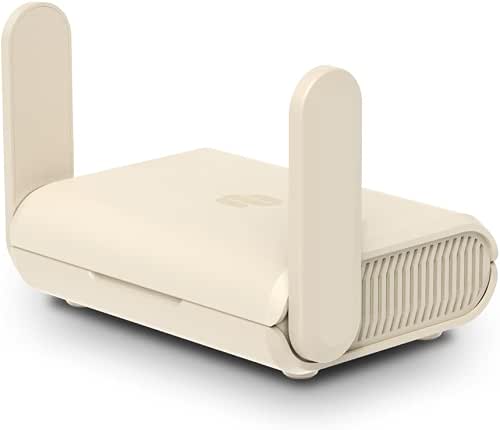
| Best Portable VPN Hub | Wi‑Fi Standard: Wi‑Fi 6 | Built‑in VPN Support: Built‑in ExpressVPN integration (subscription required) | Parental / Content Controls: Parental controls included (block explicit content) | VIEW LATEST PRICE | Our Analysis |
| NETGEAR Nighthawk WiFi 7 Dual-Band Router (RS90) |

| Best Compact Wi‑Fi 7 | Wi‑Fi Standard: Wi‑Fi 7 | Built‑in VPN Support: VPN support implied (security/firmware features) — router supports VPN use | Parental / Content Controls: Parental/control features via Nighthawk app / security suite | VIEW LATEST PRICE | Our Analysis |
| Aircove Wi‑Fi 6 VPN Router for Home |

| Best Whole‑Home VPN | Wi‑Fi Standard: Wi‑Fi 6 | Built‑in VPN Support: Built‑in ExpressVPN integration (subscription required) | Parental / Content Controls: Parental controls included | VIEW LATEST PRICE | Our Analysis |
| Aircove Go Portable Wi‑Fi 6 VPN Router |

| Best Travel VPN Router | Wi‑Fi Standard: Wi‑Fi 6 | Built‑in VPN Support: Built‑in ExpressVPN integration (subscription required) | Parental / Content Controls: Content filtering / parental controls included | VIEW LATEST PRICE | Our Analysis |
More Details on Our Top Picks
TP-Link Tri-Band WiFi 7 Router BE9700 (Archer BE600)
Provided you want top-tier wireless throughput and multi‑gig wired ports to fully employ ExpressVPN without bottlenecks, the TP‑Link BE9700 (Archer BE600) is a strong choice—its Wi‑Fi 7 tri‑band design with MLO and a 7‑stream framework pushes huge bandwidth to multiple devices while the 10 Gbps and 2.5 Gbps ports handle high‑speed VPN traffic for wired clients. You’ll get up to 5,765/2,882/1,032 Mbps across 6/5/2.4 GHz, MLO, Multi‑RUs, and 4K‑QAM with 320 MHz channels. Coverage reaches ~2,600 sq. ft. and 120 devices. HomeShield and router VPN support secure, centralized client routing. Setup’s simple via Tether or web UI.
- Wi‑Fi Standard:Wi‑Fi 7
- Built‑in VPN Support:VPN client & server support (vendor software)
- Parental / Content Controls:Parental controls via TP‑Link HomeShield
- Multi‑device Protection / Capacity:Supports up to 120 devices; designed for many simultaneous clients
- Mobile App / Easy Setup:Tether app (Android/iOS) and web interface
- Security / Ad & Tracker Blocking:HomeShield real‑time IoT security and secure‑by‑design commitment
- Additional Feature:10 Gbps WAN/LAN port
- Additional Feature:7‑stream Wi‑Fi 7 architecture
- Additional Feature:Coverage up to 2,600 sq. ft.
Aircove Go Portable Wi-Fi 6 VPN Router
Should you want a truly portable way to protect every device without signing into individual apps, the Aircove Go is built for travelers, remote workers, and anyone who moves between networks. You get a palm-sized Wi‑Fi 6 router that powers via USB‑C, connects over another Wi‑Fi or Ethernet, and delivers dual‑band speeds up to 1,200 Mbps. It includes built-in ExpressVPN support (U.S. & Canada model), a free 30‑day trial for new users, and access to servers in 105 countries with simultaneous VPN locations. It blocks ads and trackers, offers parental controls, and keeps devices protected as they rejoin networks.
- Wi‑Fi Standard:Wi‑Fi 6
- Built‑in VPN Support:Built‑in ExpressVPN integration (subscription required)
- Parental / Content Controls:Parental controls included (block explicit content)
- Multi‑device Protection / Capacity:Protects all connected devices simultaneously (no per‑device sign‑in)
- Mobile App / Easy Setup:ExpressVPN/Aircove app support for setup and management (implied)
- Security / Ad & Tracker Blocking:Blocks ads and trackers; VPN privacy protection
- Additional Feature:Palm‑sized portable design
- Additional Feature:USB‑C powered
- Additional Feature:ExpressVPN 30‑day trial
NETGEAR Nighthawk WiFi 7 Dual-Band Router (RS90)
Provided that you want a compact, future‑proof router that handles multi‑gig plans and lots of devices, the NETGEAR Nighthawk WiFi 7 RS90 is an excellent choice for ExpressVPN users who stream, game, or run home offices. You’ll get WiFi 7 speeds up to 3.6 Gbps—about 1.2× faster than WiFi 6—and coverage for roughly 2,000 sq. ft. with support for up to 50 devices. The RS90 includes a 2.5 Gig WAN port for multi‑gig service, high‑performance antennas in a small footprint, and the Nighthawk app for setup. Built‑in security and NETGEAR Armor trials add protection. It’s router‑only and U.S.‑specific.
- Wi‑Fi Standard:Wi‑Fi 7
- Built‑in VPN Support:VPN support implied (security/firmware features) — router supports VPN use
- Parental / Content Controls:Parental/control features via Nighthawk app / security suite
- Multi‑device Protection / Capacity:Supports up to 50 devices concurrently
- Mobile App / Easy Setup:Nighthawk app for easy setup and management
- Security / Ad & Tracker Blocking:NETGEAR Armor (malware/hacker/identity protection; trial)
- Additional Feature:Dual‑band Wi‑Fi 7
- Additional Feature:Covers up to 2,000 sq. ft.
- Additional Feature:2.5 Gig internet port
Aircove Wi‑Fi 6 VPN Router for Home
Should you want whole‑home VPN protection that covers smart devices and streaming gadgets without installing apps on each one, the Aircove‑AX1800 is a strong choice—its built‑in ExpressVPN makes it easy to protect unlimited devices and assign different VPN locations to device groups. You get Wi‑Fi 6 speeds (up to 600 Mbps on 2.4 GHz and 1,200 Mbps combined), coverage for about 1,600 sq. ft., and a free 30‑day ExpressVPN trial for new users. Always‑on VPN, per‑group/no‑VPN options, parental controls, ad‑blocking, and tracker/malicious‑site protection add practical security for mixed home setups.
- Wi‑Fi Standard:Wi‑Fi 6
- Built‑in VPN Support:Built‑in ExpressVPN integration (subscription required)
- Parental / Content Controls:Parental controls included
- Multi‑device Protection / Capacity:Protects unlimited devices connected to router
- Mobile App / Easy Setup:ExpressVPN/Aircove app ecosystem for setup and management (implied)
- Security / Ad & Tracker Blocking:Built‑in ad blocking, tracker & malicious‑site protection
- Additional Feature:Device grouping per VPN
- Additional Feature:Coverage up to 1,600 sq. ft.
- Additional Feature:Model AX1800 performance
Aircove Go Portable Wi‑Fi 6 VPN Router
Should you want simple, portable VPN protection for every device without installing apps, the Aircove Go is ideal — it’s a palm‑sized Wi‑Fi 6 router that runs ExpressVPN natively, plugs in over USB‑C, and lets your whole household connect securely whether you’re at home or on the move. You’ll get VPN coverage for all devices simultaneously, avoid per‑device app setup, and enjoy devices that recall and rejoin networks as you travel. It supports Wi‑Fi or Ethernet uplinks, blocks ads and trackers, offers content filtering, and can connect to multiple VPN locations. An ExpressVPN subscription’s required; new users get a 30‑day trial.
- Wi‑Fi Standard:Wi‑Fi 6
- Built‑in VPN Support:Built‑in ExpressVPN integration (subscription required)
- Parental / Content Controls:Content filtering / parental controls included
- Multi‑device Protection / Capacity:Protects all household devices simultaneously
- Mobile App / Easy Setup:ExpressVPN/Aircove app ecosystem for setup and management (implied)
- Security / Ad & Tracker Blocking:Blocks ads and trackers; security features for privacy
- Additional Feature:USB‑C power input
- Additional Feature:Multi‑location VPN connections
- Additional Feature:Versioned for UK/EU/AU markets
Factors to Consider When Choosing a Router for ExpressVPN
Upon selecting a router for ExpressVPN, you’ll want to check VPN compatibility and whether the device offers built‑in VPN support so setup isn’t a headache. Pay attention to performance and throughput, plus available WAN/port options to handle your internet speeds and connected devices. Also consider ease of setup and ongoing management so you can update settings and troubleshoot without fuss.
VPN Compatibility With Router
Choosing the right router for ExpressVPN starts with verifying that it actually supports a built‑in VPN client (OpenVPN, WireGuard, or SSL VPN), because that lets your whole network use the VPN without installing apps on every device. Beyond that, confirm the router supports the VPN protocol you plan to use and lets you import provider configuration files and credentials. Check CPU and RAM—multi‑core chips and more than 256 MB RAM maintain higher encrypted throughput. Look for split‑tunneling or per‑device/per‑group routing so you can send some devices over ExpressVPN and leave others on your ISP. Finally, choose a router with straightforward firmware management and regular security updates, whether official or via stable third‑party builds like OpenWrt, to keep VPN libraries compatible and patched.
Built‑In VPN Support
Should you want every device on your LAN to use ExpressVPN without installing apps one at a time, pick a router that natively runs a VPN client (OpenVPN, WireGuard, or the vendor’s supported protocol) and lets you import provider configs and credentials. Verify simultaneous multi‑server or multi‑location support should you plan different endpoints per device group or LAN segment for split‑tunneling. Check CPU, RAM, and firmware optimization because encryption (AES/GCM, ChaCha20) adds overhead and will lower VPN speeds versus native WAN rates. Prefer routers that simplify credential management, auto‑renew sessions, and let you exempt specific devices or subnets from the VPN. Finally, confirm compatibility with ExpressVPN’s recommended protocols, automated firmware updates, and secure key storage for long‑term reliability and security.
Performance And Throughput
Aim for real‑world throughput, not just flashy specs: VPN encryption adds CPU and I/O overhead, so pick a router with multi‑gig WAN/LAN ports, a high‑performance CPU (or hardware crypto acceleration), and modern Wi‑Fi (6/6E/7 with wide channels and 4K‑QAM) to keep encrypted traffic near line rate. You should prioritize routers with AES‑NI or dedicated crypto engines because VPN speeds often hit the CPU initially. Check for wide channels (160–320 MHz), MU‑MIMO, and high spatial‑stream counts to preserve wireless bandwidth under encryption. Also evaluate concurrent‑stream capacity and Multi‑Link/ Multi‑RU features whenever many devices use ExpressVPN simultaneously. Finally, rely on LAN‑to‑WAN and LAN‑to‑LAN encrypted throughput benchmarks rather than manufacturer peak speeds.
Port And WAN Options
After you’ve matched CPU, Wi‑Fi and throughput to your VPN needs, check the router’s ports and WAN features so ExpressVPN can actually use that performance. Make sure the WAN port matches your modem speed (1 Gbps or multi‑gig 2.5/10 Gbps) so VPN traffic doesn’t get throttled. Prefer models with dual‑WAN or configurable WAN failover to keep ExpressVPN online should the primary link fail. In case you’ll route LAN traffic through the VPN and also need fast local transfers, pick multiple LAN ports at the same or higher speed class or support link aggregation to avoid bottlenecks. Confirm multi‑gig ports can be reassigned as WAN or LAN, and leave an extra Ethernet port for a dedicated VPN device or secondary router for traffic segregation.
Ease Of Setup Management
While a high‑performance router matters, how easy it is to set up and manage ExpressVPN on that device will determine how quickly you start protecting your network and how simple ongoing tweaks are. You’ll want routers with both mobile apps and web interfaces that offer step‑by‑step VPN setup wizards and clear status indicators so initial connection is straightforward. Pick models with built‑in VPN client support (OpenVPN, WireGuard, or a proprietary client) to run whole‑home VPN without configuring each device. Verify firmware supports per‑device or per‑group routing and split‑tunneling so you can assign VPN use without firewall scripting. Prefer routers that let you export/import configs, schedule tasks, and manage remotely, and that provide clear logging and real‑time connection stats for quick troubleshooting.
Security And Privacy Features
Setup and ongoing management are only part of the story—security and privacy features determine how well your router actually protects traffic once ExpressVPN is running. You should pick routers that support whole‑home VPN routing so every device, including IoT gear, benefits without per‑device apps. Prefer hardware that can run simultaneous VPN and regular ISP connections or router‑level split‑tunneling so you route only chosen devices or traffic through ExpressVPN. Look for DNS leak protection, a router‑level kill switch, and support for strong protocols like WireGuard or OpenVPN to prevent leaks. Choose vendors that provide signed firmware, secure boot/TPM, and regular security updates. Finally, verify per‑device or per‑group VPN controls, easy toggles, and logging options to minimize metadata exposure.
Coverage And Device Capacity
Because your VPN only protects devices it can reach, pick a router whose Wi‑Fi range comfortably covers your home (think 1,600–2,600 sq ft for larger houses) and that handles the total number of devices you actually use—look for support in the 50–120+ concurrent connection range. You’ll want multi‑band or mesh capability so VPN traffic spreads across 2.4, 5, and 6 GHz or nodes, keeping streaming and gaming responsive. Check high throughput specs (multi‑gig WAN/LAN or aggregated LAN ports and strong aggregate Wi‑Fi link rates) to avoid encrypted‑traffic bottlenecks. Finally, verify CPU/RAM and VPN‑offload or hardware acceleration support; stronger processors and VPN acceleration sustain more simultaneous tunnels and higher per‑device VPN speeds without lag.
