

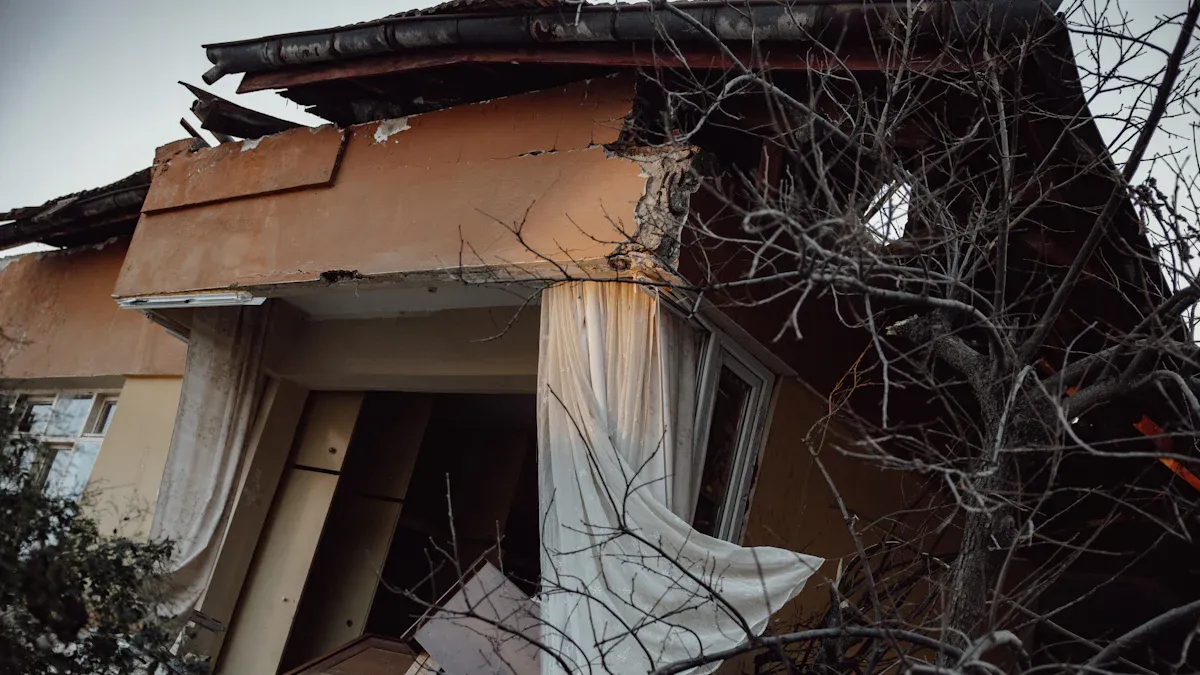
Extreme weather events are on the rise, causing significant damage to your home’s exterior. Therefore, protecting home exterior from these conditions is crucial for your property’s longevity. Taking proactive steps helps prevent extensive weather damage. You can weatherproof your home against severe weather, including strong winds and storms. This guide offers practical steps for protecting home exterior and safeguarding your property from various extreme weather conditions.
Assess Home Vulnerabilities
You must first understand your home’s weak points. This helps you protect your property effectively. Knowing where your home is vulnerable allows you to take targeted action.
Identify Weak Points
Walk around your home’s exterior. Look closely at all surfaces. Siding, for example, is a common area for problems. Wood siding can suffer from moisture damage, rot, and insect attacks. Vinyl siding might crack, fade, or warp, especially with temperature changes. Fiber cement siding can crack or get water damage if installers do not do the job correctly. Aluminum siding dents easily and may corrode or fade over time. Engineered wood siding can delaminate, warp, and rot if it gets too wet. Regardless of the material, siding is vulnerable to harsh weather conditions, poor installation, and too much moisture. Unaddressed damage can lead to mold growth, structural damage, and costly repairs. You might see cracks, warping, or discoloration. Some issues, however, stay hidden.
Also, check your foundation for cracks. Inspect masonry for crumbling mortar. Look at concrete surfaces for spalling or deep fissures. Your chimney needs attention too. Ensure its cap is secure and its mortar is intact. A damaged roof can also let water into your home. Inspect your roofing materials for missing or broken shingles. These areas are critical for your home’s defense against extreme weather.
Evaluate Local Climate Risks
Understanding your local climate risks is also vital. Different regions face different weather challenges. For example, the South and Southeastern U.S. have high vulnerability to temperature-related health impacts. The Gulf of Mexico and Eastern Seaboard face high risks from floods and increased hurricane frequency. The Mountain West and Southwest experience more drought, extreme heat, wildfires, and storms.
You should research the specific climate hazards in your area.
Sea Level Rise: Affects military posts, the Mid-Atlantic, South Florida, and the Gulf of Mexico.
Hurricanes: Impact all states along the Eastern Seaboard and Gulf of Mexico.
Extreme Rainfall: Common in the Midwest, South, and Northeast.
Water Stress (Drought): Affects much of America’s interior and the Southwest.
Heat Stress: Prevalent in the Midwest, South, and Florida.
Knowing these risks helps you prepare your home. You can then choose the right materials and strategies for your home’s exterior. This proactive approach minimizes potential damage from severe weather.
Strategies To Weatherproof Your Home Exterior
You can take proactive steps to weatherproof your home exterior. These strategies offer top-to-bottom protection. They help your home withstand various extreme weather conditions.
Exterior Material Choices
Choosing the right materials for your home’s exterior is a critical first step. You want materials that can endure the specific weather challenges in your area. For your roof, consider heavy slate and tile or metal roofing. These options perform well in windy areas. If your region experiences regular hail, impact-resistant asphalt shingles are a better choice. However, these shingles are more prone to wind damage. When you select roofing materials, look for specific ratings. ASTM D 3161 and UL 2390 indicate wind resistance. Higher classes, like Class H, can withstand winds up to 150 MPH. UL 2218 rates impact resistance.
For siding, brick, stone, and wood offer excellent durability against both wind and hail. These materials are often more expensive. Wood siding resists wind and hail well, but it is not very water-resistant. It might mold or rot in humid climates and needs more maintenance. Vinyl siding is inexpensive and requires little maintenance. However, large hailstones can damage it. Its lightweight nature also makes it vulnerable to wind damage. Other options include stucco, aluminum, and pressed cement. You should evaluate their wind and impact resistance ratings.
Windows and doors also need attention. Impact-resistant glass is crucial for protection against hail or blown debris. This glass features a clear film pressed between two pieces of glass. If you live in areas with frequent dangerous wind events, like hurricanes or tornadoes, look for specific product standards. Miami-Dade Protocols PA 201, 202, and 203, SBCCI SSTD 12-97, or ASTM E 1886 and 1996 are good indicators. These products can withstand hurricane-force winds with less damage.
Sealing Gaps And Cracks
Even the most robust materials need proper sealing. Gaps and cracks allow moisture and air to penetrate your home. This compromises your home’s energy efficiency and structural integrity. You need to seal these openings effectively.
Different sealant types offer various benefits for preventing moisture intrusion:
Sealant Type | Key Properties & Effectiveness for Moisture Intrusion Prevention |
|---|---|
Silicone Caulks | Excellent water resistance and flexibility; ideal for exterior joints and areas with significant movement; superior UV resistance. |
Polyurethane Caulks | Outstanding durability and adhesion, particularly in high-traffic areas with mechanical stress; exceptional durability and adhesion for high-movement joints. |
Hybrid Caulks | Combines properties of different materials (e.g., flexibility and paintability); offers excellent adhesion and paintability, combining best properties of silicone and polyurethane. |
Acrylic Sealants | Ideal for interior applications where minimal joint movement occurs. |
Fire-Rated Sealants | Provides vital protection against flame spread, preventing moisture intrusion in specific certified areas. |
Elastomeric Sealants | Delivers outstanding flexibility for expansion joints and areas with significant thermal movement. |
Low VOC Sealants | Meets stringent air quality requirements, while still providing moisture protection. |
Waterproof Sealants | Essential for below-grade applications and areas with constant water exposure. |
When you choose a sealant, consider its joint movement capability. Commercial-grade caulks typically offer 25-50% joint movement capability. Residential products usually provide 7-15%. This higher capability is crucial for preventing cracks and moisture entry due to building movement. Also, think about cure time. This affects how quickly the sealant forms a waterproof barrier. UV resistance is essential for exterior applications. It prevents degradation from sunlight, maintaining the sealant’s integrity against weather. Chemical compatibility ensures the sealant adheres properly. It also prevents degradation of adjacent materials. This stops gaps from forming for water intrusion. Sealants formulated for commercial settings offer enhanced durability. They resist harsh cleaning chemicals, environmental pollutants, and extreme temperature fluctuations. This ensures long-term moisture protection under varied conditions.
Reinforce Key Structures
Reinforcing key structures provides an extra layer of defense for your home. Your roof is particularly vulnerable to high winds and storms. You can strengthen it against these forces. Choose wind-resistant roofing materials. Architectural shingles, metal roofing, or impact-resistant options with high wind-resistance ratings are good choices. Look for ratings of 130 mph or more.
Proper installation techniques are also vital. Ensure secure fastening with corrosion-resistant nails or screws. Follow manufacturer specifications. Reinforce the roof deck with thicker materials and additional fasteners. Properly seal edges, eaves, and flashing. Regular inspections and maintenance are necessary. Routinely check for and repair loose or missing shingles. Inspect and seal flashing around penetrations. Trim nearby trees to prevent damage from falling branches. Consider your roof’s shape and design. Aerodynamic designs, like hip roofs, generally perform better under high wind stress than gable roofs. In extremely high-wind areas, enhance roof anchoring. Use hurricane straps or clips to secure the roof structure to your home’s walls. This reduces the risk of uplift. These steps help weatherproof your home exterior and provide robust protection against extreme weather.
Protecting Against Extreme Heat
You can protect your home from intense heat. This helps keep your living spaces comfortable. It also reduces energy costs.
Roof And Siding Solutions
Reflective surfaces are key. Lighter-colored metal roofing and siding materials reflect solar radiation well. They minimize heat buildup. White residential metal siding can reflect up to 90% of sunlight heat. Stone White metal panels have a high Solar Reflectance Index (SRI). They reflect much of the sun’s heat. Patina Green and Slate Blue metal panels also reflect more light. This helps with energy efficiency.
Consider these cool roof options:
Clay tiles: Choose natural terra cotta or light/cool-colored glazed tiles. You can also retrofit them with light/cool-colored polymer coatings.
Concrete tiles: Look for factory-applied light or cool-colored coatings. Field-applied coatings also work.
Metal shingles or tiles: Select those with factory-coated light or cool-colored paint. Reflective mineral granules also help. Unpainted metals reflect sun well but emit heat poorly.
Single-ply membranes (for low-sloped roofs): Pick membranes with light or cool-colored pigments or light-colored ballast.
Built-up roofs (for low-sloped roofs): Make them cool with a cap sheet. This cap sheet should have a reflective mineral surface or coating. You can also use reflective marble chips or gray slag instead of dark gravel. Field-applied reflective coatings are another option.
Modified bitumen sheet membranes: Cool options include cap sheets with a factory-applied reflective mineral surface or reflective coating.
Spray polyurethane foam roofs: Their protective coatings are usually reflective. They offer cool roof performance.
Standing-seam metal roofs: Cool options are similar to metal shingles or tiles.
Many products help create a cool roof and walls:
Low-slope Cool Roof Products | Steep-slope Cool Roof Products | Cool Walls |
|---|---|---|
– Asphaltic membranes surfaced with reflective granules | – Asphalt shingles surfaced with light- or cool-colored granules | – Exterior walls made more reflective through white or light-colored paints |
– Liquid-applied roof coatings with light or cool colors | – Roofing tiles (e.g., terra cotta, or tiles with light/cool-color glaze or reflective polymer coatings) | – Cladding or products using special pigments |
– Fluid-applied membranes with light or cool colors | – Directionally reflective materials | |
– Light- or cool-colored roofing aggregate (e.g., gravel) | – Metal shingles or tiles coated with reflective paint or surfaced with reflective granules | |
– Single-ply membranes with light- or cool-colored pigments | – Polymer or composite shingles coated with light or cool-colored pigments | |
– Wood shingles or shakes (naturally cool) |
These materials help weatherproof your roof and facade. They offer excellent protection against heat. Consider deep overhanging roofs. They shade walls and windows. This reduces direct sun exposure. Fire-resistant cladding also adds safety in hot, dry climates.
Window And Door Treatments
Windows and doors are major entry points for heat. You can reduce heat gain through them. Install door awnings and window awnings. Awnings block direct sunlight. They keep your interior cooler. Retractable awnings offer flexibility. You can extend them during hot parts of the day. You can retract awnings when you want more light. Fixed awnings provide constant shade. Choose awnings made from UV-resistant fabrics. This ensures their durability. Consider reflective films for windows. These films bounce solar radiation away. They reduce heat transfer into your living space. Low-emissivity (Low-E) coatings on windows also help. They reflect heat while allowing light in.
Landscaping For Cooling
Strategic landscaping can significantly cool your property. Trees and shrubs provide natural shade. Plant deciduous trees on the south and west sides of your structure. They block summer sun. They allow winter sun to warm your building. Vines on trellises can shade walls. This reduces heat absorption by the exterior. Ground cover plants also help. They reduce heat reflection from the ground. This lowers the ambient temperature around your dwelling. Consider a green roof if possible. A green roof adds insulation. It reduces the heat island effect. This helps your roof stay cooler. Proper landscaping is a natural way to weatherproof your property. It offers defense against extreme weather conditions. It makes your living space more comfortable in hot weather. This strategy complements your roofing choices.
Weatherproof Against Cold And Freezing
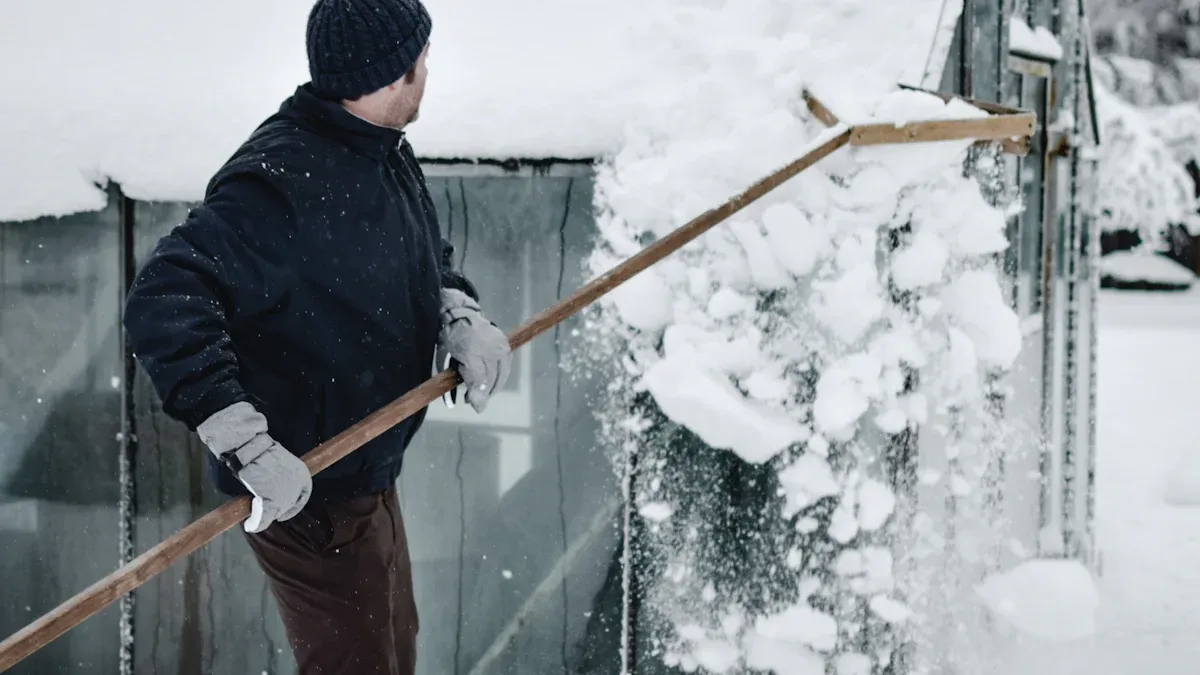
You must prepare your home for cold and freezing weather. This ensures its longevity and protects against costly damage. Taking proactive steps helps you weatherproof your home exterior.
Insulation And Air Sealing
Proper insulation is crucial for cold weather protection. It keeps heat inside your home. The 2021 IRC codes have increased requirements for overall R-values in colder climates. For Zone 4 and above, homes must have R-30 insulation within the wall cavity or install continuous insulation. If you cannot achieve R-30 in the cavity, use continuous insulation at a minimum thickness of 1 inch. For higher efficiency, R-21 to R-25 might be required or recommended in colder climates. In Northern States, homes commonly use R-21 in walls to prevent heat loss during long, cold winters. You should also seal any cracks and openings. This prevents drafts and keeps warm air from escaping.
Pipe Protection
Freezing pipes can cause significant damage. You can take several steps to protect them. First, disconnect any hoses from outdoor spigots. Turn off the exterior water connection by locating the shutoff valve in your basement or crawlspace and turning it clockwise. Drain your outdoor faucets after shutting off the water supply. Cover the spigot with an outdoor faucet cover, or use fabric like an old towel to block out cold and wind. Consider replacing regular spigots with frost-free outdoor faucets. These have valves extending further inside the exterior wall for warmth. Insulate the supply lines to your outdoor taps to prevent freezing. Inside, keep garage doors closed, especially if water supply lines are present. Open kitchen and bathroom cabinet doors to allow warm air to circulate around plumbing. Allow cold water to drip from faucets served by exposed pipes; a trickle helps prevent freezing. Maintain a consistent thermostat temperature day and night.
Winterize Outdoor Elements
Beyond pipes, you need to winterize other outdoor elements. Store garden hoses indoors. Drain and cover outdoor fountains or birdbaths. Bring in potted plants or cover them. Check your gutters and downspouts. Clear them of debris to ensure proper drainage when snow melts. This prevents ice dams and water damage to your home’s exterior. Consider investing in preventive services like professional gutter cleaning or roof inspections before winter. This helps you identify potential issues early. These actions provide comprehensive protection against extreme weather.
Defending Against High Winds And Storms
You must prepare your home for high winds and severe storms. This protects your property from significant damage. Taking proactive steps helps your home withstand extreme weather.
Secure Roof And Siding
Your roof is the first line of defense against strong winds. You should focus on the roof to prevent major issues. Ensure your roofing materials are wind-resistant. Consider impact resistant roofing like metal or heavy architectural shingles. These materials offer better protection during a storm. Check your roof regularly for loose or damaged shingles. Repair them immediately. Proper fastening of your roofing is crucial. Use strong fasteners that can withstand uplift from high winds. Your siding also needs attention. Make sure it is securely attached. Loose siding can peel away during a storm, causing further damage to your home exterior. Reinforce any weak spots to prevent wind damage.
Reinforce Windows And Doors
Windows and doors are vulnerable during storms. You need to reinforce them for better protection. Install hurricane impact glazing on your windows. This glass resists shattering from flying debris. You can also use storm shutters. Plywood shutters offer a basic solution. Permanent storm shutters provide quick deployment. Roll-down shutters are convenient. Accordion shutters fold away neatly. Colonial shutters add aesthetic appeal. Bahama shutters offer shade and storm protection. These shutters prevent glass breakage. They stop high winds from entering your home. Secure your doors with strong locks and reinforced frames. Consider adding storm shutters to all vulnerable openings. These shutters are essential for weathering storms.
Manage Outdoor Objects
Flying objects cause much of the damage during storms. You must secure or remove anything that could become a projectile. Bring lightweight furniture indoors. Store garden tools and toys in a shed or garage. For heavier outdoor items, you have several options.
Invest in Heavy Furniture: Choose furniture made from wood, wrought iron, or steel. Their weight makes them less likely to move in strong winds.
Plant a Windbreak: Use thick plants or trees to block wind force.
Get a Weighted Umbrella Base: Fill bases with water or sand to anchor umbrellas.
Stack Your Chairs: Stack lightweight chairs to consolidate their weight. Store them in a corner.
Use Earthquake Gel: Apply this compound to furniture legs to keep them in place.
Stake & Anchor It: Use stakes for grassy areas. Consider anchors for hard surfaces.
Secure With Bungee Cords: Wrap cords around multiple pieces to bind them. Connect cords to permanent objects for extreme weather.
Bring the Furniture Indoors: This is the most effective way to protect furniture.
Also, secure outdoor heating and cooling units. Move all outdoor equipment and materials inside. Park vehicles in a garage. Secure all openings with shutters or plywood. These steps help weatherproof your home against severe storms.
Managing Moisture And Water Damage
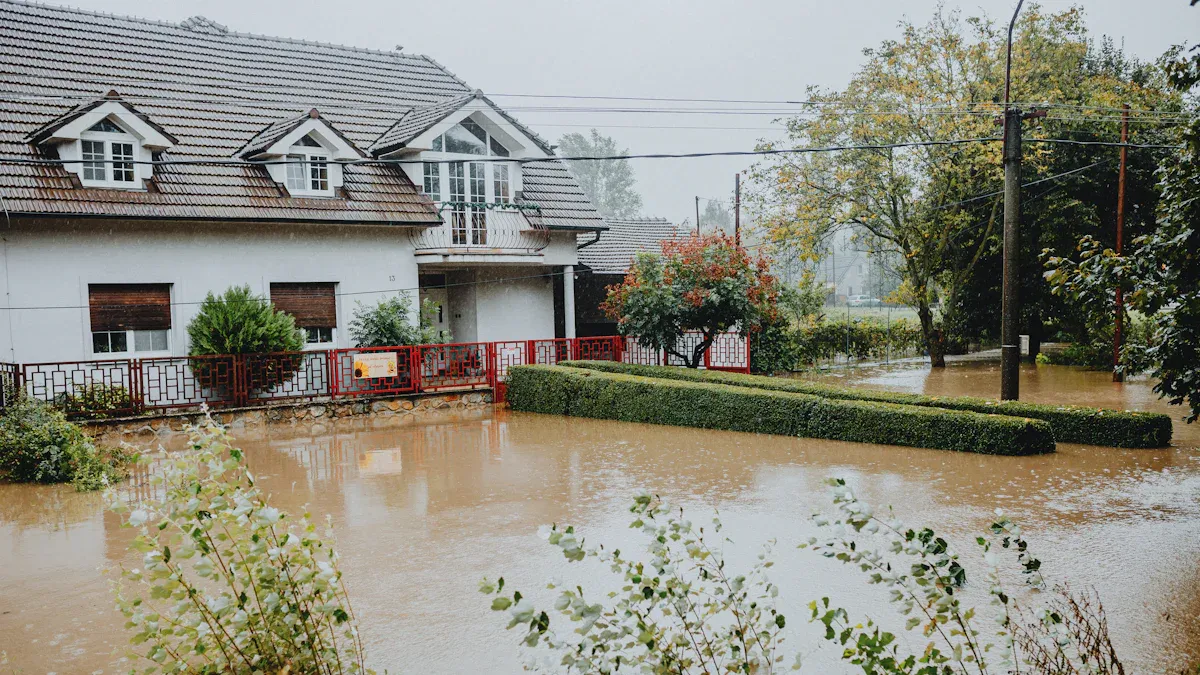
You must manage moisture and water to protect your home. Water can cause significant damage to your property. You can prevent water damage with effective strategies.
Gutter And Drainage Maintenance
Properly maintained gutters are essential. They direct rain away from your home’s foundation. You should regularly clean your gutters. This prevents clogs and ensures proper drainage. For most homes, a 5-inch K-style gutter with 3×4-inch downspouts works well. Larger gutters, like 6-inch ones, need at least 3×4-inch downspouts. You might need larger or more frequent downspouts for increased water flow. A general guideline is one downspout for every 20-30 feet of gutter. However, you can use one downspout every 40 feet as a standard. Factors like roof pitch and local rain volume influence downspout spacing. Steep roofs shed water faster. This can overwhelm smaller gutters. Adding extra downspouts helps handle heavy rain. This reduces overflow risk and prevents clogs. Go for gutters that fit your home’s needs.
Foundation Water Management
You must keep water away from your foundation. This prevents flooding and structural damage. Proper yard grading is crucial. Create a positive slope of at least 5% away from the foundation. This guides water safely away. You can also install a French drain. This gravel-filled trench with a perforated pipe redirects surface and groundwater. Swales or dry creeks are linear depressions. They capture and filter stormwater. Rain gardens are shallow depressions with native plants. They absorb and filter rain runoff. These landscaping techniques prevent water from pooling near your home.
Water-Resistant Materials
Choosing water-resistant materials helps weatherproof your home exterior. These materials repel moisture. They reduce the risk of water damage. Look for effective weather barrier systems. These systems protect your home from the elements. They keep your home dry and secure against harsh weather.
Year-Round Home Exterior Maintenance
Maintaining your home’s exterior throughout the year is essential. This ongoing care ensures long-term protection. It helps your home withstand various weather conditions.
Seasonal Inspection Checklists
You should perform seasonal inspections. These checks help you catch small problems before they become major issues. Inspect your roof and gutters regularly. Remove debris. Check for missing shingles or leaks. Consider a drone inspection for hard-to-reach areas. Examine your home’s exterior. Look for cracks or damage to siding and foundation. Clean and repair gutters and downspouts. Check windows and doors for gaps or seal damage. You should also inspect your attic and insulation. Ensure proper ventilation. Check insulation for wear or damage. Look for pests or water damage. Inspect your plumbing. Check pipes for leaks or corrosion. Test water pressure and temperature. Maintain your yard and landscaping. Clear debris. Check for pest infestations. Trim overgrown trees and shrubs.
Regular Cleaning And Repairs
Regular cleaning and prompt repairs are vital for your home’s longevity. Clean your gutters and downspouts often. This ensures proper drainage. It prevents water damage to your foundation. For your roof, manually remove debris. Use your hands or a soft-bristle broom. Gently sweep leaves and twigs. Avoid damaging shingles. You can also use specialized roof vacuums. These tools efficiently collect debris. They minimize slip risks. If you see moss, carefully pull it off your roof. Apply a moss killer to prevent regrowth. Address any small cracks or loose siding immediately. Timely repairs prevent further deterioration.
Professional Assessments
Professional assessments offer expert insights into your home’s condition. These inspections provide crucial protection. For buildings over five years old, initial facade inspections are required within two years of legislation. For newer buildings, initial facade inspections are required within five years after construction. Subsequent facade inspections should not exceed five years. Structure inspections follow a similar schedule. For older buildings, initial structure inspections are required within two years. For newer buildings, initial structure inspections are required within five years after construction. Subsequent structure inspections should not exceed ten years for the first twenty years. After that, they are required every five years. These regular professional checks ensure the structural integrity of your home exterior. They provide comprehensive protection.
You must take a comprehensive, proactive approach to protecting home exterior from extreme weather. We covered vulnerabilities, specific protection against heat, cold, wind, and moisture, and ongoing maintenance for your home. Implement these strategies. You enhance resilience, reduce repair costs from damage, and preserve your property’s value against storm and storms. This proactive stance for protecting home exterior against extreme weather and future storms brings peace of mind.

