You crave a fresh look for your home, but a full renovation seems overwhelming. High costs and significant disruption often deter big changes. This blog helps you refresh home décor with practical, budget-friendly ideas. You can transform your living room without breaking your budget. Discover impactful ways to update your home design. Simple adjustments create a renewed living room, enhancing your home’s overall decor and design. Achieve a stunning new living room with smart, budget-friendly choices, all within your budget.
Paint and Wall Updates
You can dramatically change your home’s feel with simple wall updates. A fresh coat of paint or a new wall treatment offers significant impact. These changes are often budget-friendly. They transform your living room without major construction.
Fresh Paint and Accent Walls
A fresh coat of paint instantly revitalizes any space. Consider a bold accent wall to add personality to your living room. Colors influence your mood and perception of space. For example, blue promotes calm, while yellow uplifts moods. Green promotes relaxation and balance.
Color | Psychological Effect | Perception of Space | Recommended Application |
|---|---|---|---|
Green | Promotes relaxation, healing, balance, renewal | Versatile | Almost any room |
Blue | Calming, tranquility, reduces stress, lowers blood pressure and heart rate, aids concentration, reduces anxiety | N/A | Bedrooms, home offices |
Yellow | Uplifts moods, encourages social interaction, stimulates appetite | N/A | Kitchens, dining areas |
Orange | Inviting, energetic, stimulates activity and warmth | N/A | Living rooms, kitchens, dining areas |
Popular choices for your home design this year include:
Benjamin Moore: Silhouette AF-655 (rich blend of espresso and charcoal)
Sherwin-Williams: Universal Khaki (sophisticated beige-khaki hybrid)
Behr: Hidden Gem (smoky jade, blue-green hybrid)
Valspar: Warm Eucalyptus (grounded green with warm undertones)
Wallpaper and Decals
Temporary wall treatments offer flexibility. They are perfect for renters or those who love to change their living room design often. Peel-and-stick options like vinyl decals and temporary wallpaper are easy to apply and remove. They leave no residue or damage. Brands like Walls By Me offer washable, non-toxic options. Paperbird features bold patterns with durable, phthalate-free material. You can also use fabric or even wrapping paper for a unique, low-budget look.
Repainting Ceilings, Doors, and Trim
Do not overlook these details. Repainting ceilings, doors, and trim can unify your living room. It adds a polished finish to your home. Consider painting trim in classic navy or romantic lavender. You can even paint ceilings, walls, and trim the same color for a cohesive look. For interior doors, popular white shades include Benjamin Moore Cloud Cover or White Dove. Gray options like Benjamin Moore Kendall Charcoal add warmth and contrast. This small change makes a big difference in your overall design.
Gallery Walls and Artwork
Create a captivating gallery wall to personalize your living room. Mix different media like photos, prints, and small 3D objects. Maintain a consistent color palette or use similar frame styles for a unified look. You can use small floating shelves to display sculptures or collectibles. The ’60-30-10 rule’ suggests 60% dominant medium, 30% complementary, and 10% a ‘wild card’ piece. This strategy helps you achieve a balanced and visually appealing design.
Textile and Soft Furnishing Refresh
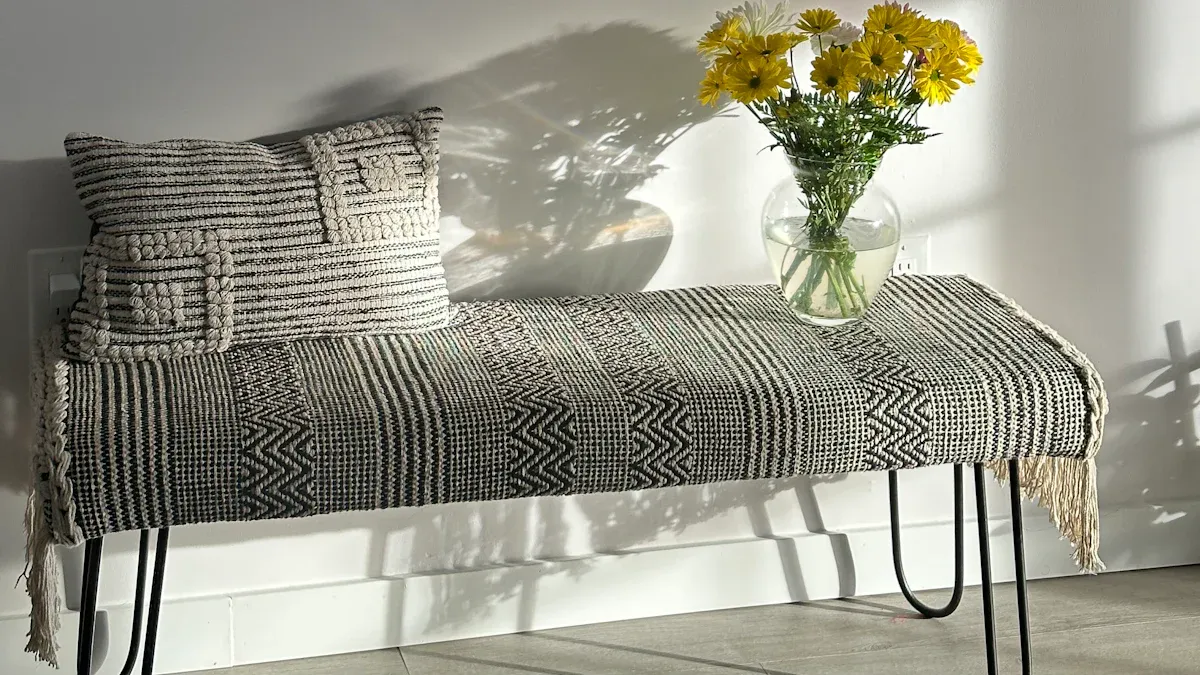
Changing fabrics instantly updates your living room or bedroom. These simple swaps offer a significant impact on your home’s overall design and feel. You can achieve a fresh look without a large budget.
Pillows and Throws
Pillows and throws add color, texture, and comfort. You can easily refresh home décor with new fabrics. Consider materials like Linen Cotton Canvas for a natural feel or Celosia Velvet™ for a luxurious touch. Performance Velvet offers durability with softness, perfect for a busy living room. Other popular choices include breathable Cotton, soft Linen, and plush Velvet. Faux fur also provides a trendy, soft, and luxurious option. These choices allow you to update your home’s design with ease.
Curtains and Blinds
New curtains or blinds transform your windows and control light. They enhance your living room’s ambiance. Blackout curtains offer significant benefits. They block up to 99% of light, creating a dark environment for better sleep quality. This helps maintain your body’s natural sleep-wake cycle. Blackout drapes also improve energy efficiency. They keep your home warm in winter and cool in summer, reducing heating and cooling costs. This helps you save on your budget.
Rugs for Defining Spaces
Rugs define areas and add warmth and style to your living room. For high-traffic areas, choose durable materials. Wool offers resilience and stain resistance. Cotton or flat-weave rugs are easy to clean and affordable. Natural options like Jute, Sisal, Seagrass, and Hemp are strong and withstand heavy foot traffic. Synthetic rugs, such as Nylon or Polypropylene, are also excellent for busy spaces. They are easy to clean and stain-resistant. A low pile height (0.5″ or less) also makes maintenance easier.
Bedding for Elevated Aesthetics
New bedding instantly elevates your bedroom’s aesthetic. You can choose new sheets, duvet covers, or decorative pillows. Focus on colors and textures that complement your existing furniture and overall design. A fresh bedding set creates a serene and inviting atmosphere, making your bedroom feel like a new retreat.
Furniture and Layout Adjustments
You can transform your living space without buying new items. Adjusting your existing furniture and layout offers a fresh perspective. These changes are often simple and impactful.
Rearranging Existing Furniture
Give your living room a new feel by simply moving your existing furniture. You can rearrange pieces to improve flow and define different zones. Consider floating your furniture slightly away from walls. This improves flow and makes the room feel more open. Match furniture scale to your room size. Oversized pieces can overwhelm a small living room. Choose items like a loveseat with thin arms instead of a large sectional. Employ visual weight furnishings. Select furniture with light colors or slim builds. This makes them appear less bulky. You can also divide your room with furniture. An L-shaped sofa, for example, can separate areas in an open-concept design.
Upcycling and Repurposing Pieces
Give old items new life. Upcycling and repurposing existing pieces are excellent budget-friendly options. Paint an old dresser a vibrant color. Turn a vintage suitcase into a unique side table. These diy project ideas add character to your home. You save money and create something truly unique.
Small Furniture Swaps
Strategic small furniture swaps make a big difference. You do not need to replace everything. Incorporate multifunctional furniture. Pieces like storage ottomans or nesting tables reduce clutter. They maximize space. Consider versatile items for your living room. A Murphy sofa bed seamlessly disappears into a three-seat sofa. A coffee table can expand to become a dining table for 6 to 8 people. These smart choices maximize utility in limited areas. They offer flexibility in your home design.
Restyling Open Shelving
Open shelving provides an opportunity for creative display. Declutter these areas first. Then, curate your decor. Mix books with decorative objects. Add small plants for a touch of greenery. Arrange items in varying heights and textures. This creates visual interest. You can easily refresh your design with this simple adjustment.
Lighting for Ambiance and Impact
You can dramatically change your home’s atmosphere with thoughtful lighting. It creates mood, highlights features, and improves functionality. Refresh your living room by focusing on these key lighting elements.
Swapping Light Fixtures
Changing your light fixtures offers a significant visual upgrade. You can choose modern, energy-efficient options. LED lighting fixtures are the most energy-efficient choice for general room illumination. They use up to 90% less energy and last up to 25 times longer than traditional incandescent bulbs. This makes them a rapidly developing and highly efficient lighting technology. Look for ENERGY STAR certified light fixtures. These products use at least 90% less energy than traditional models. This helps protect the environment and saves you money. You have many fixture types available for your home design:
Flush mount lighting: Sits directly against the ceiling. It suits rooms with low ceilings. You can equip it with LED technology.
Recessed lighting: Installed directly inside a surface. It enhances room aesthetics. LED options are available.
Pendant lights: Suspended from the ceiling. You can customize them. They integrate with smart lighting systems.
Chandeliers: Ornate fixtures that hang from the ceiling. You can power them with LED bulbs.
Wall sconces: Mounted directly onto a wall. They offer versatile lighting effects for general, accent, or task lighting. Modern versions are typically electric.
Adding Task and Accent Lighting
Task and accent lighting serve specific purposes. Task lighting helps you perform activities. Accent lighting highlights features in your living room. For a home office, consider these lumen levels for task lighting:
General Computer Work: 450 to 700 lumens are recommended. This provides sufficient light without screen glare for tasks like typing or virtual meetings.
Reading and Writing: Aim for 700 to 1000 lumens. This ensures clear visibility and prevents eye strain when working with printed materials.
Detailed Tasks: For precision-intensive tasks like drawing or crafting, 1000 lumens or more may be necessary.
You can also refer to this chart for various activity illuminance levels:
Activity | Illuminance (lux) |
|---|---|
Easy office work | 250 |
Normal office work, PC work | 500 |
Mechanical workshops, office landscapes | 750 |
Normal drawing work, detailed mechanical workshops, operation theaters | 1000 |
Detailed drawing work, very detailed mechanical works, electronic workshops, testing and adjustments | 1500 |
Performance of visual tasks of low contrast and minimal size for prolonged periods of time | 2000 |
Performance of very prolonged and exacting visual tasks | 5000 |
Performance of exceptional visual tasks of extremely low contrast and small size | 10000 |
Utilizing Dimmers and Smart Lighting
Dimmers give you control over your lighting. You can adjust brightness to suit any mood or activity. Smart lighting systems offer even more benefits. They adjust to match natural daylight cycles. This regulates your sleep patterns and energy levels. You get warmer, dimmer light in the evenings for relaxation. Brighter, cooler light in the morning increases alertness and focus. Automated adjustments optimize brightness levels. This reduces eye strain and improves concentration.
Smart lighting also enhances security for your home. You can control lights from anywhere. This creates the illusion of occupancy. Motion-activated lights deter intruders. They illuminate areas upon movement. Timed lighting schedules ensure lights are on when needed. They turn off otherwise, reducing risk. Integration with security systems triggers lights when motion is detected or an alarm sounds. This enhances security protocols. Simulating human presence when your house is vacant reduces the risk of break-ins.
Accessorizing and Decluttering for a Fresh Look
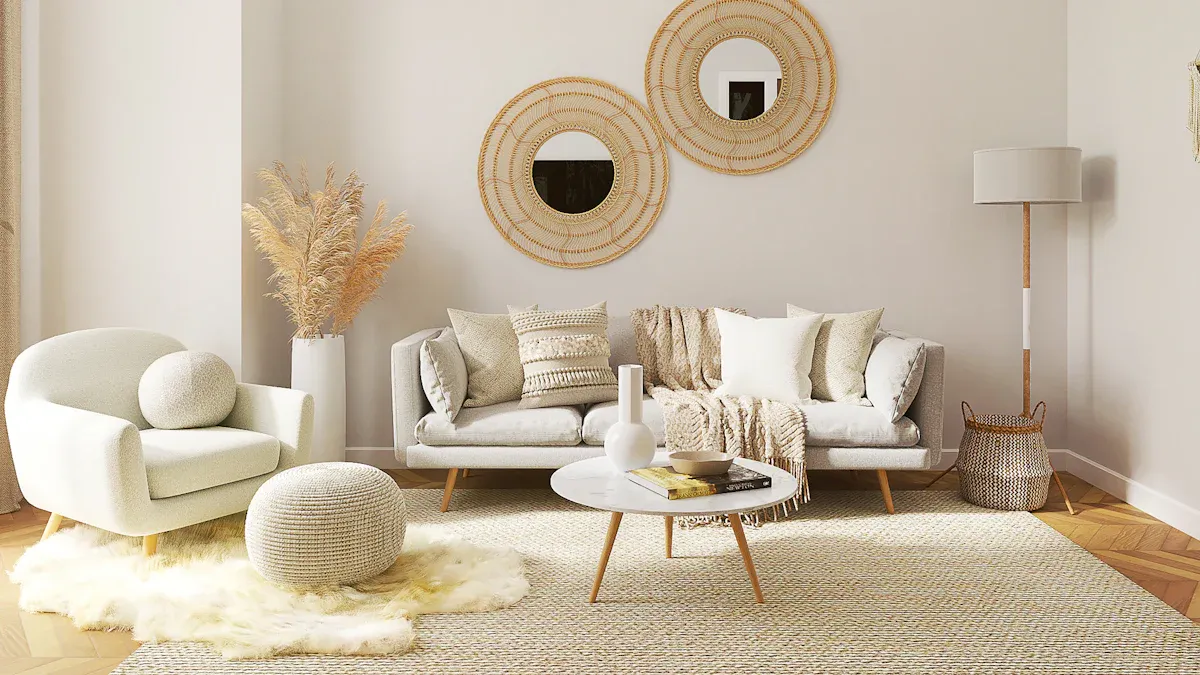
You can truly transform your space with thoughtful accessorizing and a clear-out. This approach lays the groundwork for any successful refresh home décor project.
Decluttering and Organizing
Start by decluttering. This foundational step makes a huge difference. You can use several effective methods to maintain an organized home:
Five Second Rule: If you cannot immediately decide to keep an item, you should likely let it go.
10-10 Method: Dedicate 10 minutes to remove 10 items from a specific area. Adjust this to your available time.
12-12-12 Method: Select 12 items to keep, 12 to donate, and 12 to discard. You can adapt this to the day of the month.
KonMari Method: Focus on categories like clothes or books. Keep only items that ‘spark joy’.
First, assess your room’s purpose and layout. Prioritize what stays or goes. This ensures functional and visually appealing spaces. Next, sort items into ‘keep,’ ‘donate,’ and ‘discard’ piles. Organize kept items by season and function. Store off-season items. Dispose of broken or unusable items. Finally, assign a designated place for every item. This includes clothes, tools, and decor.
Curated Decor and Decorative Objects
After decluttering, you can curate your decor. Select pieces that reflect your personal style. Minimalist home design embraces an open, uncluttered look. Details like textured vases and neutral sculptures become crucial for a cohesive and comfortable design. Consider sculptural ceramics, glass, and concrete forms. Quietly expressive woods and metals also work well. A palette that opens space, rather than dictates it, is key. For example, COOEE Design Eve II Sculptures, with their organic shapes and earthy colors, bring life into a space.
Greenery and Plants
Bring life into your living room with greenery. Houseplants improve air quality and add a natural touch. Many options require minimal care.
Plant Name | Low-Maintenance Aspect | Air Quality Benefit |
|---|---|---|
Snake Plant (Sansevieria) | Thrives on neglect, needs very little water, survives in low-light conditions, produces oxygen at night. | Removes toxins like benzene, formaldehyde, and carbon monoxide. |
Aloe Vera | Thrives in bright, indirect sunlight, requires minimal watering. | Effective at removing airborne toxins like formaldehyde and benzene. |
Golden Pothos (Epipremnum aureum) | Very easy to care for, tolerates low light, and infrequent watering. | Removes formaldehyde, benzene, xylene, and toluene. |
Mirrors for Light and Space
Mirrors are powerful tools for enhancing your living room. They create an illusion of larger space. They reflect light and images, making walls appear farther apart. This doubles visual input. This psychological effect reduces feelings of confinement. It promotes a sense of freedom and tranquility. Mirrors also amplify both natural and artificial light. They reflect light into darker corners. They distribute it more evenly. Strategic placement, such as opposite windows, maximizes these effects. This enhances ambiance and visual clarity.
Hardware Swaps for Living Room Updates
Small changes can make a big impact. Swapping out hardware on furniture can instantly update your living room. Consider new knobs or pulls on cabinets or dressers. Popular finishes include matte black, brushed gold, and antique brass. Cool nickel handles also offer a modern touch. These small furniture adjustments contribute significantly to your home’s overall design.
You can refresh home décor without a full renovation. We explored paint, textiles, furniture, lighting, and accessories. These changes transform your living room. Start with small, budget-friendly steps. You will see big changes in your living room. Create a personalized living room you love. You can do this on a budget. Your home will feel new. Enjoy your refreshed living room design.