

A home safety checklist is a systematic tool. You use it to identify and reduce potential hazards inside and around your property. Its main purpose is to prevent accidents, injuries, and emergencies. This ensures the well-being of everyone living in your home. This proactive approach secures your living environment. It offers you peace of mind. Different age groups face varied risks, from falls for older adults to choking hazards for young children. A comprehensive home safety checklist helps you address these diverse concerns. This blog guides you in understanding and using this essential safety tool.
Why a Home Safety Checklist is Essential
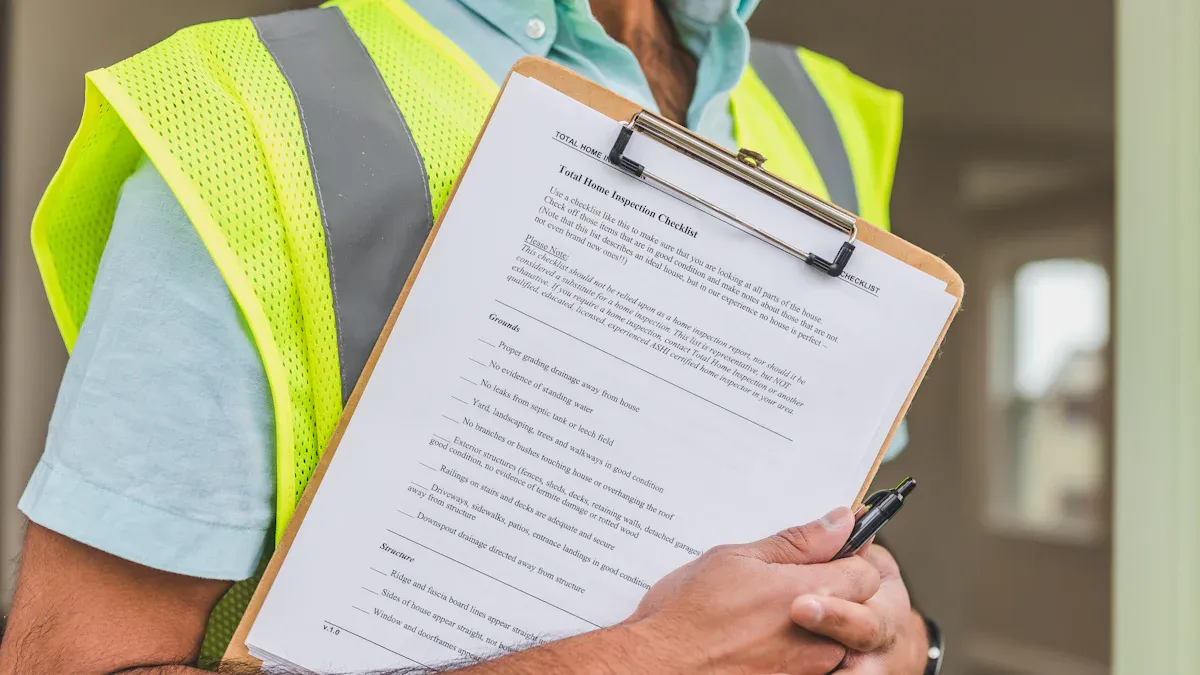
A home safety checklist helps you prevent serious injuries or even deaths. It addresses many risks in your living space. This tool reduces common household accidents. These include falls, fires, and poisoning. It also prepares you for unforeseen emergencies.
Proactive Hazard Identification
You use a home safety checklist to find dangers before they cause harm. This proactive approach helps you identify potential issues. For example, you can spot loose rugs or faulty smoke detectors. A study showed that using a home safety educational application improved accident risk management scores for caregivers. This means you become better at managing risks in your home.
Accident Prevention and Risk Reduction
This checklist actively prevents accidents. It reduces risks in your home. You can make your home safer by checking for specific items.
Outcome | Group | 24 Months |
|---|---|---|
Working smoke alarm, poisons out of reach, stairgate/no stairs | Intervention vs. Control (Odds Ratio) | 1.75 (95% CI 1.12 to 2.73, p=0.014) |
Storing household poisons out of reach | Intervention vs. Control (Significance) | Significantly more intervention families |
Fire escape plans | Intervention vs. Control (Odds Ratio) | 1.81 (1.06 to 3.08, p=0.030) |
These numbers show that families using safety interventions had better outcomes. Installing modern safety systems, like burglar alarms and smart smoke detectors, makes your home less vulnerable. This often leads to insurance discounts. Regular maintenance, like checking your roof and plumbing, prevents water damage. These actions reduce property damage and insurance claims.
Enhancing Family Peace of Mind
A home safety checklist gives you peace of mind. You know you have taken steps to protect your loved ones. Maintaining a tidy home helps lower stress. It creates a sense of control. A clean and safe home reduces mental fatigue. It promotes calmness. Organizing your space helps you feel more responsible. It reduces visual distractions. This supports relaxation and improves sleep. People who keep their spaces clean often experience lower anxiety.
Emergency Preparedness
The checklist also prepares you for emergencies. You can gather essential items for a “Go Bag.” This bag helps you during unexpected events.
Water: Three bottles per person.
Food: A three-day supply.
Warmth/Shelter: Emergency blanket, body warmers.
Medical Supplies: First aid kit, pain reliever, any life-saving medications.
Lighting: Flashlight with batteries.
Radio: AM/FM emergency radio.
Important Documents: Copies of identification, insurance cards.
Cash: Emergency money.
Having these items ready helps you face emergencies with confidence. This comprehensive approach to home safety ensures your family stays safe and sound.
Key Areas of Your Home Safety Checklist
You create a comprehensive home safety checklist by detailing specific items and areas to check. This systematic approach helps you cover all potential risks.
Fire and Carbon Monoxide Safety
You must prioritize fire and carbon monoxide safety. These are critical for protecting your family.
Smoke Detectors: Install smoke detectors in all sleeping rooms. Place them outside each separate sleeping area. Put them on every level of your home, including basements. In new construction, these alarms must be AC powered and interconnected. This means all alarms sound when one activates.
Carbon Monoxide Detectors: Install carbon monoxide detectors near sleeping areas and on every level. These devices alarm before CO levels become life-threatening. They typically sound an 85 dB alarm at 10 feet.
Fire Extinguishers: Keep fire extinguishers on each floor, especially in the kitchen and garage. You should know how to use them.
Fire Escape Plan: Develop and practice a fire escape plan. Ensure everyone knows two ways out of each room. Establish a safe meeting point outside.
Electrical Safety: Check electrical cords for fraying. Do not overload outlets. Common causes of residential fire include space heaters, electrical issues, cooking, and candles. Carbon monoxide releases when carbon-based fuels burn. Dangerous levels occur if an appliance malfunctions or lacks ventilation. Heating equipment contributes significantly to CO poisoning deaths.
Childproofing and Pet Safety
You need to adapt your home for children and pets. This ensures their safety as they grow.
Newborns and Infants: Ensure a safe sleeping environment. Cribs must meet safety standards. Use a firm mattress without loose bedding. Keep baby supplies accessible but out of the crib.
Crawlers: Install safety gates at stairs. Use outlet covers. Secure furniture to walls to prevent tipping. Keep small objects and choking hazards off the floor.
Toddlers: Lock cabinets with cleaning supplies or sharp objects. Use corner protectors on furniture. Secure windows with guards. Keep blind and curtain cords out of reach to prevent strangulation.
Preschoolers: Teach safety rules, like not touching hot surfaces. Secure outdoor play areas with fences. Store tools in locked sheds. Ensure pools have secure fencing and safety covers.
School-Age Children: Create a safe learning and play space. Provide proper lighting and ergonomic furniture. Emphasize safe internet practices with parental controls. Teach emergency procedures.
Many common household items are toxic to pets. You must keep them out of reach.
Toxic Items: Chocolate, xylitol, medications, cleaning items, pest preventives, essential oils, and certain houseplants (like lilies for cats) are dangerous. Batteries and string-along items also pose risks.
Safe Alternatives: Keep xylitol-containing items securely stored. Store all medications out of reach. Use pet-safe cleaning products. Opt for pet-safe pest control methods. Research plants before bringing them home. Provide safe chew toys.
Fall Prevention
You can prevent falls by addressing common hazards. An unsafe environment increases fall risk, especially for older adults.
Clear Pathways: Keep all pathways clear of clutter.
Secure Rugs: Use non-slip backing on rugs. Remove throw rugs if they pose a tripping hazard.
Adequate Lighting: Ensure all areas have bright, even lighting. Use night lights in hallways and bathrooms. Poor vision is a notable risk factor for falls.
Handrails: Install handrails on both sides of stairs. Add grab bars in bathrooms around toilets and in showers.
Non-Slip Surfaces: Use non-slip mats in showers and bathtubs.
Home Modifications: Remove clutter. Install improved lighting. Add supports like handrails. Install safety features like grab bars. Bathroom modifications, grab bars, and stair railings are very effective.
Home Security Measures
You protect your home from intruders with effective safety measures.
Door and Window Locks: Install deadbolts on all exterior doors. Use secondary locking systems. Lock all windows, including the garage.
Alarm Systems: Consider installing a home alarm system. Brands like ADT, SimpliSafe, and Vivint offer good protection. Research different brands and types. Get quotes from at least three security companies.
Exterior Lighting: Install security lighting on all sides of your home. Place lights high and make them vandal-resistant. Use motion detector lights, especially in backyards.
Emergency Contacts: Keep a list of emergency numbers near phones.
Deterrents: Place large gravel near windows. Plant spiny plants along fences. Ensure street numbers are visible. Store ladders and tools in locked sheds. When you are out, leave lights on and a radio playing. This creates the impression someone is home.
General Home Safety Checks
You perform general checks to maintain overall home safety.
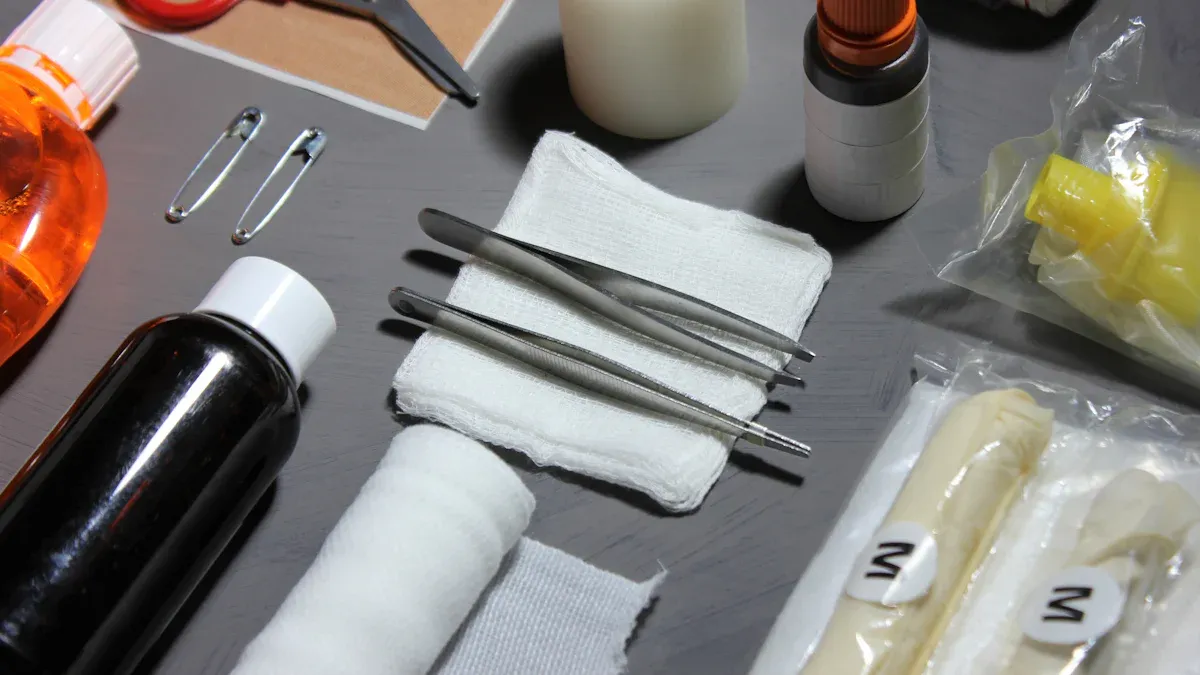
First-Aid Kits: Assemble a comprehensive first-aid kit. Include bandages, antiseptics, pain relievers, and medical gloves. A digital thermometer and an emergency Mylar blanket are also essential.
Water Heater Temperature: Set your water heater temperature below 120°F (49°C). This prevents scalding.
Mold Prevention: Control moisture levels. Fix leaks promptly. Use exhaust fans in bathrooms and kitchens. Maintain indoor humidity between 30% and 50%.
Pest Control: Address pest issues promptly. Use safe pest control methods.
Air Quality: Increase ventilation by opening windows. Change HVAC filters regularly. Test for radon. Prohibit smoking indoors.
Room-by-Room Assessment: Regularly assess each room for potential hazards. This home safety checklist helps you identify and fix problems.
Outdoor and Exterior Safety
You extend your safety checks to the outdoor areas of your home.
Yard Maintenance: Keep your yard tidy. Remove debris and tripping hazards. Trim bushes and trees around entry points. This eliminates hiding spots for intruders.
Pool Safety: Ensure active adult supervision for children in a pool. Install climb-resistant fences at least 4 feet high. Pool gates must be self-closing and self-latching.
Secure Fences: Maintain secure fences around your property. Lock gates to prevent easy access.
Proper Tool Storage: Store all tools and equipment in locked sheds or garages.
Visible House Numbers: Ensure your house numbers are clearly visible from the street. This helps emergency services find your home quickly.
How to Use Your Home Safety Checklist
You need to apply your home safety checklist practically. This ensures your family’s well-being.
Tailoring Your Checklist to Your Household
You must customize your checklist. It needs to fit the specific needs of your household. Consider who lives in your home. Do you have young children, older adults, or pets? Each group has unique safety requirements. For example, a home with children needs extensive childproofing. You might focus on outlet covers and securing furniture. If older adults live with you, you will prioritize fall prevention. This includes clear pathways and grab bars.
You can create and use customized checklists. These checklists tailor to the specific needs of each individual. They also consider their home environment. For older adults, you can enhance home safety by making accessibility changes. Install ramps for easier access. Widen doorways for navigation with mobility aids. Adjust furniture layout to create clear pathways. Use adjustable-height furniture to adapt to individual needs. You can also leverage technology. Monitoring systems enhance safety. Personalized in-home support addresses unique client needs. This also alleviates family concerns.
Regular Review and Updates
You should not create a checklist and forget it. Regular review and updates are crucial. You need to schedule periodic checks every few months. Involve family members to enhance inspection efficiency. Document your findings to track improvements. This also serves as a future reference. Update protection measures as needs evolve. This ensures your residence remains safe.
Review tasks based on their frequency. Some items need checking monthly, others seasonally, or annually. High-use items, like safety alarms, may require more frequent attention. This is especially true in homes with children or pets. You should review and update your checklist at least once a year. Update it whenever there are significant changes. This includes changes in health or living situations.
Involving All Family Members
You should involve everyone in your home in the safety process. This promotes shared responsibility. It also increases awareness. Teach children about fire escape routes. Show older family members how to use emergency contacts. When everyone understands the safety measures, your home becomes safer. This collective effort strengthens your overall safety plan.
Taking Action on Identified Issues
Identifying issues is only the first step. You must take action to fix them promptly. Do not just identify problems. Fix them. For example, if you find a loose handrail, repair it immediately. If a smoke detector battery is low, replace it.
You have several resources for addressing identified issues. In-home care services can help. Live-in caregivers can identify safety risks. They assist with high-risk activities. They also help with mobility. You can engage professionals for repairs. They maintain and replace faulty appliances and fixtures. For DIY solutions, install sturdy handrails on both sides of staircases. Ensure they are securely fastened. Check them regularly. Enhance home safety by installing robust locks on all doors and windows. Consider a security system with motion detectors, cameras, and alarms. Maintain adequate outdoor lighting. This is especially important around entry points. It deters intruders. Keep a readily accessible list of emergency numbers. Include local emergency services, family, neighbors, and healthcare providers. Keep this list in multiple locations. Program it into phones.
A home safety checklist is an indispensable tool. It maintains a secure living environment for you. You proactively protect your loved ones and property through consistent vigilance and action. This fosters peace of mind and a healthier home. You ensure overall safety. Implement these home safety practices. Keep your family safe and sound.

