Knowing your plumbing basics is essential. You save money. You prevent emergencies. You also maintain your home’s value. This guide will demystify home plumbing. It provides practical insights. You will learn about common plumbing issues. You will also learn about preventative plumbing care. Understanding your residential plumbing system brings peace of mind. You feel confident about your home’s plumbing.
H2: Your Home Plumbing System Explained
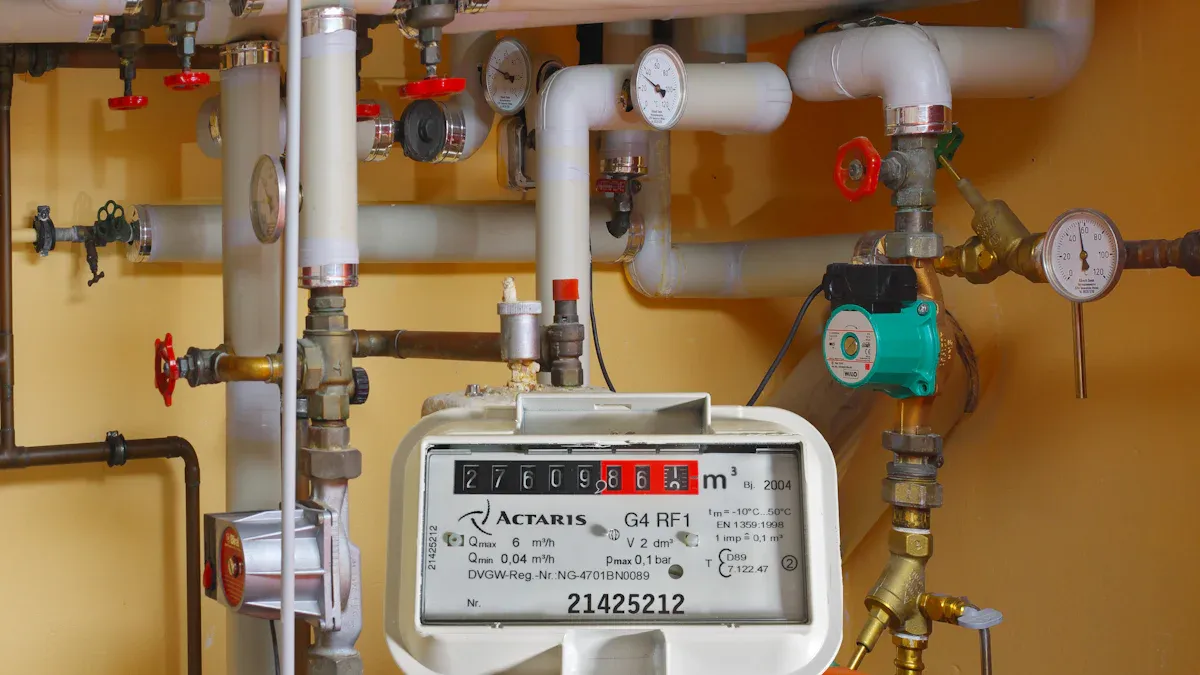
Your home’s plumbing system works like a circulatory system. It has two main parts. One part brings fresh water in. The other part takes wastewater out. Natural laws like gravity and pressure make it all work. Pressure pushes fresh water through your pipes. Gravity pulls wastewater away. Understanding these plumbing basics helps you manage your home.
H3: Water Supply Inflow
Fresh water enters your home under pressure. This pressurized water comes from a municipal supply or a well. A water meter sits outside your home. It measures how much water you use. Main shutoff valves control the entire water supply. Individual valves are also present at each fixture. These valves let you stop water flow for repairs. Your main water supply connects to a water heater. This creates separate hot and cold water lines. Faucets in sinks, tubs, and showers control water flow. They have knobs. These knobs draw water from hot or cold lines. You control the temperature.
H3: Wastewater Drainage (DWV)
Your home plumbing system also removes wastewater. This is the Drainage, Waste, and Vent (DWV) system. Gravity moves wastewater through this system. Traps are at each fixture. They prevent sewer gases from entering your home. Drain lines carry waste from these traps. They lead to the soil stack. The soil stack is a central vertical pipe. It collects all waste. It directs waste to the sewer or septic system. Vent lines connect to the drain lines and soil stack. They ensure proper air pressure. They also allow gases to escape through your roof. This residential plumbing system prevents a vacuum. It ensures fixtures drain freely.
H3: Fixtures and Appliances
Fixtures and appliances connect to both parts of your plumbing system. Toilets, sinks, showers, and dishwashers all use fresh water. They also send wastewater into the DWV system. Each connection is important. It ensures your home runs smoothly.
H2: Essential Plumbing Tools
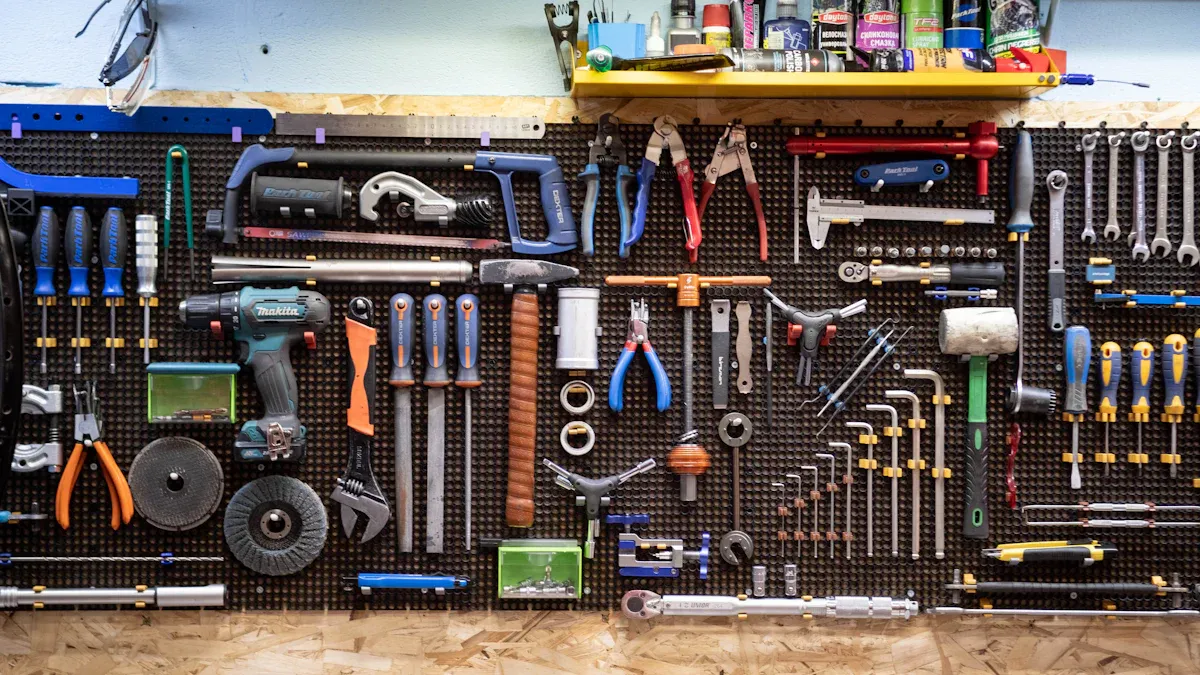
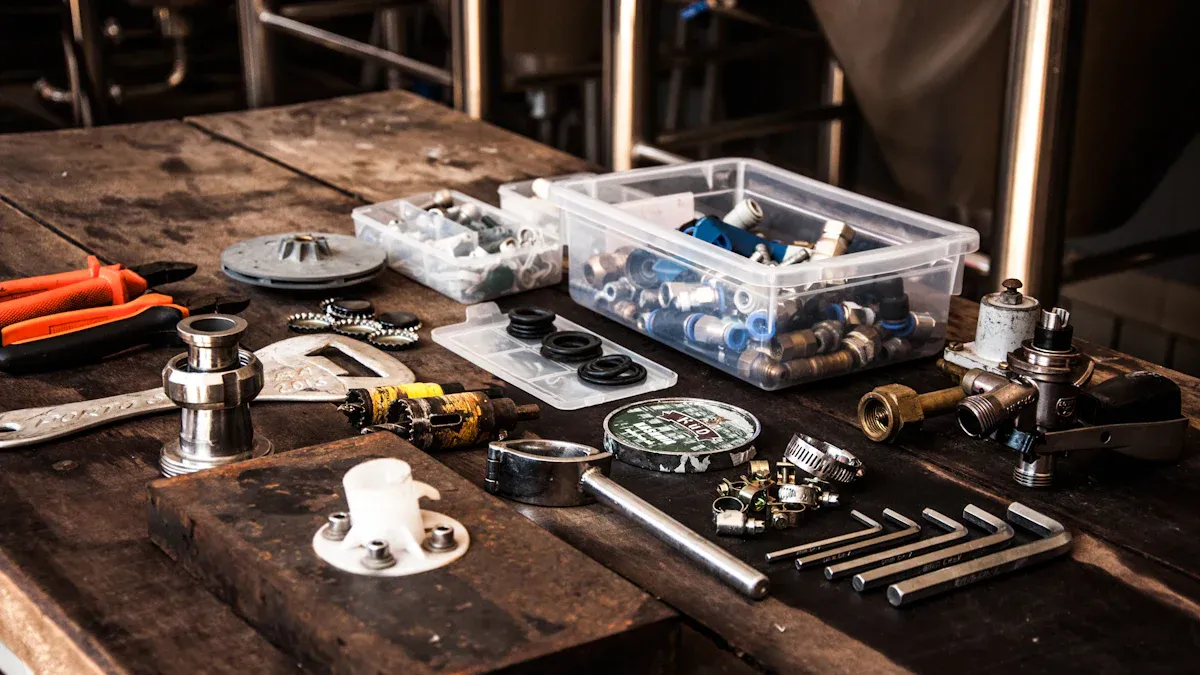
You need the right tools for basic home plumbing tasks. Having these tools saves you time and money. You can fix small issues yourself. This section helps you build your essential toolkit.
H3: Basic Hand Tools
Start your plumbing toolkit with these fundamental items. They help you tackle many common problems.
Wrenches and Pliers:
Adjustable wrenches (4-inch for toilet bolts, 8-inch for general use, 12-inch for leverage) help you tighten or loosen nuts.
Pipe wrenches (10-inch or 12-inch pair) are good for threaded metal joints.
Strap wrenches grip polished pipes without causing damage.
Basin wrenches reach water-supply nuts under sinks.
Locking pliers clamp fittings, freeing your hands.
Cutting and Reaming Tools:
Pipe cutters make clean, square cuts on copper pipes. A close-quarters cutter works in tight spots.
A reaming tool cleans metal burrs after you cut copper.
Plastic-pipe saws cut ABS and PVC pipe cleanly.
Miscellaneous Tools:
A hacksaw cuts various materials.
A screwdriver with interchangeable magnetic bits is very useful.
You will also need a utility knife, a hammer, and a tape measure.
A torpedo level helps you level fixtures.
H3: Safety Gear
Always protect yourself when working on plumbing. Safety gear prevents injuries.
Wear gloves to protect your hands.
Use safety goggles to shield your eyes from debris or splashes.
Sturdy footwear with non-slip soles keeps you safe from slips and falling objects.
Consider respiratory protection like a dust mask if you work with chemicals or in poorly ventilated areas.
Ear protection is wise for loud power tools.
Heat-resistant gloves and face shields are necessary for tasks like soldering.
H3: When to Buy Specialized Tools
Some plumbing jobs require more than basic tools. You should buy specialized tools for specific, tougher tasks.
Stubborn Clogs: A motorized drain snake clears tough or long blockages that hand augers cannot handle. A toilet auger clears deeper toilet clogs without damaging the bowl.
Diagnosing Drain Problems: A plumbing inspection camera helps you find blockages, cracks, or tree roots in drain lines. You can see the problem without tearing walls apart.
Specific Pipe Work: PEX pipe expanders and crimping tools are essential for installing PEX systems. Power threaders cut precise threads on steel pipes.
Precision and Power: A reciprocating saw cuts various pipe materials. A hammer drill makes holes in concrete. A torch kit is vital for soldering copper pipes.
H2: Master Your Water Shut-Offs
Knowing how to turn off your home’s water supply is crucial. This skill can prevent major water damage during a leak or repair. You gain control over your home’s plumbing system.
H3: Main Water Shut-Off
Your main water shut-off valve controls all water entering your home. You must know its location. This valve is often in your basement or crawlspace. Look along interior foundation walls where the main water pipe enters your house. In newer homes or those with slab foundations, you might find it in a mechanical room. This room is usually near your water heater or furnace. In warm climates, check for a metal or plastic cover labeled ‘water shut-off’ on an exterior wall. Some homes have the valve outside near the curb. It sits within a marked panel or meter box. If you have a private well, the valve is typically near the pressure tank or well pump. Knowing this location is vital for any major plumbing issue.
H3: Fixture Shut-Offs
You also have smaller shut-off valves for individual fixtures. These are called fixture shut-offs. They let you turn off water to one specific area. You can work on a sink or toilet without affecting the rest of your home’s water supply. In kitchens, you will often find the shut-off valve under the kitchen sink. For bathrooms, look under sinks and behind toilets. These valves are typically close to the fixture. They are very useful for small repairs or emergencies.
H3: Safe Water Shut-Off
You should follow a procedure to safely shut off your main water supply. First, locate and turn off the main water valve. You might need a wrench for leverage. After you turn off the water, drain the pipes. Open all faucets, including outdoor spigots. Flush toilets until their tanks are empty. This prevents freezing or damage. Insulate exposed pipes, especially in unheated areas. Use insulation sleeves or heat tape. Disconnect and store garden hoses. Turn off the water supply to outdoor faucets. Adjust your water heater to the “vacation” or “low” setting. You can also turn it off completely. Inspect for leaks around faucets and exposed pipes. Address any minor leaks quickly. Finally, do a walkthrough. Make sure faucets are open and water appliances are off. This confirms your plumbing system is protected.
H2: Common Plumbing Issues & DIY Plumbing Fixes
You will encounter common plumbing issues in your home. Signs of plumbing leaks include increased water bills or sounds of running water when faucets are off. You might also notice damp spots. This section helps you tackle these common plumbing issues with confidence. You can perform many diy plumbing fixes yourself.
H3: Fixing a Clogged Drain
A clogged drain is a frequent problem. You can often clear a clogged drain yourself.
Pour boiling water slowly down the drain for minor clogs. Avoid this on PVC pipes.
Mix ½ cup of baking soda with ½ cup of white vinegar. Pour it down, wait 30 minutes, then flush with hot water. This method is safe for all pipes.
Use a plunger. Fill the basin with water to cover it. Create a seal. Use 15-20 quick, forceful plunges.
Insert a drain snake or auger. Turn it clockwise while pushing to break up clogs. Pull it out slowly, removing debris. Flush with hot water.
Clean the P-trap. This curved pipe under the sink often collects debris. You can remove and clean it.
H3: Running Toilet Troubleshooting
A running toilet wastes water and money. You can fix a running toilet.
Leaking Flapper: The flapper seals the drain hole. It can become old or cracked. This prevents proper sealing. Water continuously leaks from the tank into the bowl. Check the flapper chain length. Too short, it will not seal. Too long, it can get trapped.
Float Too High: The toilet float controls the water level. If it is too high, the tank overfills. Excess water leaks into the overflow tube. Adjust the float to a lower level. This resolves the running toilet issue.
H3: Leaky Faucet Repair
You can repair a leaky faucet. This saves water and prevents damage.
Inspect the faucet. Identify the leak source. Shut off the water supply. Protect the sink area. Cover drains. Gather tools and parts.
Disassemble the faucet carefully. Remove screws, caps, and cartridges. Set aside damaged washers or seals.
Install new replacement parts. Use new washers, O-rings, or cartridges. Ensure new parts are the correct size.
Reassemble the faucet. Tighten each screw and cap. Add sealant or plumber’s tape. Ensure handles move smoothly.
Test your work. Turn the water supply back on. Test the faucet for leaks. Run both hot and cold water. This confirms your plumbing repairs are successful.
H3: Low Water Pressure Solutions
Low water pressure can be frustrating. Many factors cause it in your residential plumbing system.
Clogged or corroded pipes reduce water pressure.
Shared pipelines or leaking pipes divert water.
Faulty fixtures, like clogged aerators, affect pressure locally.
Your main house shut-off valve might not be fully open.
A failing pressure regulator can cause low pressure.
Hidden plumbing system leaks reduce water pressure. Look for increased water bills.
Mineral deposits and debris accumulate in pipes. This creates blockages. Understanding these plumbing basics helps you diagnose the problem.
H2: Preventative Plumbing Care
You can avoid many costly repairs with regular preventative plumbing maintenance. Proactive steps keep your plumbing system running smoothly. You save money and prevent emergencies.
H3: Regular Drain Maintenance
Preventing a clogged drain is easier than fixing one.
For garbage disposals, run cold water for 15 seconds before and after each use. This flushes oils and food debris. Periodically grind ice cubes and citrus peels. This sharpens blades and neutralizes odors.
For bathroom drains, use hair catchers. They trap hair before it enters pipes.
Flush bathroom drains weekly with hot water. This dissolves light soap residue and mineral deposits.
Use a natural cleaner mixture. Pour ½ cup of baking soda, then ½ cup of white vinegar. Let it sit for 15 minutes. Flush with hot water. This breaks down organic material.
Consider enzyme cleaners. They use beneficial bacteria to digest organic matter. This preserves pipe integrity.
Schedule professional drain inspections. Video camera scopes and hydro-jetting identify hidden blockages. These methods address issues DIY cannot.
H3: Water Heater Care
Your water heater needs regular attention. This ensures its efficiency and extends its life. You perform important plumbing maintenance tasks annually.
Drain and flush the tank. This removes sediment buildup.
Test the pressure relief valve. This ensures it works correctly.
Replace the anode rod. This prevents corrosion inside the tank. You should also perform monthly visual inspections. Look for leaks or unusual noises.
H3: Protecting Pipes from Freezing
Protecting your pipes from freezing is crucial in cold weather. This prevents burst pipes and water damage. Understanding these plumbing basics helps you prepare.
Insulate your pipes. Add insulation to pipes in unheated areas. This stabilizes pipe temperature.
Seal cracks and gaps. Use expanding foam or caulk. This prevents cold air from reaching pipes.
Keep your home warm. Maintain a consistent temperature. Open cabinet doors under sinks. This helps warm air circulate.
Maintain water flow. Allow a small trickle of water to run. This prevents ice formation.
Disconnect outdoor hoses. Remove them from outdoor spigots. Drain the water lines.
Monitor the temperature. Use smart thermostats in unheated spaces. Consider scheduling a professional
plumbinginspection before winter. A plumber identifies vulnerable pipes. They recommend targeted solutions for yourresidential plumbing.
H3: Leak Detection and Inspection
Early leak detection saves you from major damage. You can find leaks in your plumbing system.
Perform a water meter test. Turn off all water sources. Record your water meter reading. Wait 30-60 minutes without using water. Recheck the meter. A change indicates a hidden leak.
Do a food coloring toilet leak test. Add a few drops of food coloring to the toilet tank. Wait 10-15 minutes. Check the bowl. If the water changes color, you have a leak.
Inspect visible pipes and appliances. Look under sinks and around appliances. Check for water stains or mold.
Listen for running water. Continuous dripping or running water when no fixtures are in use can mean a leak.
Monitor your water bill. A sudden, unexplained increase often signals a hidden
plumbingleak.Check outdoor fixtures. Inspect outdoor faucets and irrigation systems.
H2: When to Call a Pro Plumber
You can handle many minor plumbing issues yourself. However, some problems require a professional. Knowing when to call a plumber saves you time, money, and prevents further damage.
H3: Serious Plumbing Problem Signs
You must recognize critical signs. These signs indicate a serious plumbing problem. You need professional assistance for these issues.
Persistent Dripping Faucets: These waste water. They also indicate underlying plumbing issues.
Slow Draining Sinks: This suggests a deeper blockage. It is beyond minor clogs.
Low Water Pressure: This can come from pipe leaks or mineral buildup. It might also signal main water line problems.
Unpleasant Odors: Foul smells from drains or fixtures can mean a sewer line problem. This is unpleasant and hazardous.
Discolored Water: Water that is brown, yellow, or tinted points to issues. These include rusting pipes, sediment, or contamination.
Gurgling Sounds: Unusual gurgling from drains or toilets signals a blocked or damaged vent pipe. It traps air.
Frequent Toilet Clogs: This indicates a deeper problem within your plumbing system. It could be a sewer line blockage or vent issue.
Leaking Pipes: Even minor leaks cause significant property damage. They lead to mold growth and increased utility bills.
Increased Water Bills: A sudden, unexplained spike often points to a hidden leak. It also signals other plumbing inefficiencies.
H3: Beyond DIY Capabilities
Some plumbing repairs are beyond typical DIY capabilities. You should call a professional for these.
Repairing Sewer Lines: This is a complex task. It requires specialized equipment and expertise.
Installing Water Heaters: Proper installation ensures safety and efficiency.
Fixing Complex Leaks: Persistent leaks, especially if your DIY attempts failed, need a professional.
Burst Pipes: These cause considerable leaks. They require immediate professional intervention.
Severely Clogged Drains: If a hand auger does not work, you need a plumber.
Gas Line Repairs: These are extremely dangerous. You must never attempt them yourself.
Major Installations and Renovations: Installing a new bathtub or renovating a bathroom involves significant changes to your residential plumbing.
H3: Finding a Reputable Plumber
You need a trustworthy professional. Finding a reputable plumber ensures quality work.
Check Credentials and Insurance: Verify plumbers have necessary licenses. They also need adequate insurance coverage.
Get Multiple Quotes: Obtain detailed quotes from several plumbers. Compare pricing.
Evaluate Customer Service: Assess their responsiveness. They should explain processes.
Read the Contract Carefully: Review the contract thoroughly. Look for details on work, costs, and warranty.
Trust Your Instincts: If something feels off, seek other options. Your comfort level is crucial.
Look for Transparent Pricing: Reliable plumbers provide clear, upfront quotes. They avoid hidden fees.
Seek Quality Warranty and Guarantee: A strong warranty shows the company stands behind its work.
H2: Avoiding Common Plumbing Mistakes
You can prevent many issues by avoiding common plumbing mistakes. These errors often lead to costly repairs. You save time and money when you understand these pitfalls.
H3: What Not to Flush
Protect your plumbing system. Never flush certain items down your toilet. These items do not break down like toilet paper. They cause severe blockages. For example, paper towels and tissue paper create clogs. Cotton products, like swabs and pads, clump together in pipes. Dental floss acts like a net, catching debris. Feminine products absorb water and expand. Hair also forms a net and never dissolves. Fats, oils, or grease solidify and stick to pipe linings. Medication contributes to water pollution. Diapers absorb water and do not break down. These items lead to expensive damage.
H3: Over-Tightening Errors
You might think tighter is better. However, over-tightening plumbing fittings causes significant damage. Excessive force can crush or deform pipes. This weakens them and leads to leaks. You can also distort the fitting itself. This compromises its ability to create a proper seal. Threads on the fitting can strip, making future disassembly difficult. The compression ring can deform, preventing a tight seal. This causes leaks and requires costly repairs. Over-tightening creates stress on the entire piping system. This leads to premature failure or leaks elsewhere.
H3: Ignoring Small Leaks
You might dismiss a small drip. However, ignoring small leaks causes major long-term damage. Persistent leaks weaken walls, ceilings, and floors. This causes wood rot, drywall swelling, and metal rust. Your home’s structural integrity becomes compromised. Even slow leaks create perfect conditions for mold and mildew. Mold poses serious health risks. It also requires expensive remediation. Water seeping into living spaces ruins carpets, furniture, and electronics. Leaks near electrical wiring create safety hazards. They cause electrical shock or fire. Small leaks often signal bigger problems. Addressing them quickly prevents major water damage. This is a crucial part of effective diy plumbing.
You now understand essential plumbing basics. This knowledge empowers you. You can maintain a healthy plumbing system. Apply these tips to prevent costly repairs. Your residential plumbing system will thank you. Feel confident tackling common plumbing challenges. You are prepared for anything your home’s plumbing system throws your way.