

For 2026, pick a film that fits your glass, privacy needs, and light goals: Haton and HIDBEA give frosted diffusion with strong UV protection and soft light; Artscape offers textured, day‑and‑night privacy and durable, phthalate‑free performance; Dwersty delivers daytime one‑way mirror privacy and solar reflection; CRASPIRE adds decorative partial privacy and easy reuse. They’re largely static‑cling for renters and seasonal use. Keep scrolling to see specs, installation tips, and compatibility remarks.
| Haton Frosted Stained Glass Window Privacy Film (17.5″x78.7″) |
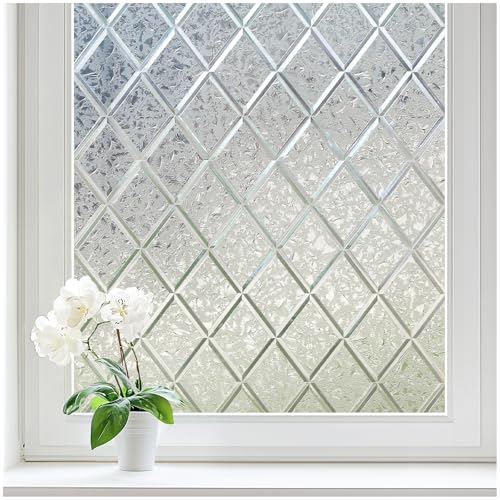
| Best Decorative Privacy | Installation type: Static-cling (non-adhesive, water-installed) | Privacy level / purpose: Semi-privacy (blocks outside views while letting light) | UV protection: Blocks 99% of UV rays | VIEW LATEST PRICE | Read Our Analysis |
| Artscape Old English 36×72 Window Privacy Film |
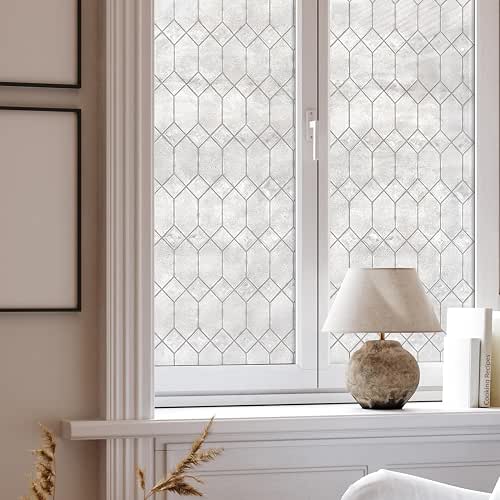
| Classic Style Pick | Installation type: Static-cling (soap-and-water DIY) | Privacy level / purpose: Day and night privacy (textured leaded glass pattern) | UV protection: Filters 98% UV | VIEW LATEST PRICE | Read Our Analysis |
| CRASPIRE Green Leaf Window Clings (16 x 39.3″) |

| Best for DIY Decor | Installation type: Static-cling (electrostatic adhesion, adhesive-free) | Privacy level / purpose: Partial privacy protection (softens light, decorative) | UV protection: Sun-blocking film (softens sunlight; UV blocking implied) | VIEW LATEST PRICE | Read Our Analysis |
| HIDBEA Frosted Static-Cling Privacy Window Film |
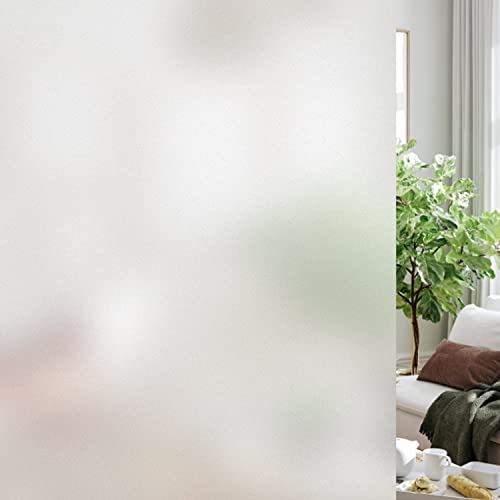
| Energy-Saving Privacy | Installation type: Static-cling (no-glue, super static cling) | Privacy level / purpose: Two-way privacy (up to ~95% at 4″ distance) | UV protection: Blocks 90% UV rays | VIEW LATEST PRICE | Read Our Analysis |
| Dwersty One-Way Daytime Privacy Window Film |

| Best One-Way Tint | Installation type: Static-cling (adhesive-free; remove protective film first) | Privacy level / purpose: One-way daytime privacy (reflective mirror effect when outside light > inside light) | UV protection: Blocks 93% UV rays | VIEW LATEST PRICE | Read Our Analysis |
More Details on Our Top Picks
Haton Frosted Stained Glass Window Privacy Film (17.5″x78.7″)
Should you want semi-privacy with a decorative, stained-glass look that’s easy to install and remove, the Haton Frosted Stained Glass Window Privacy Film is a smart pick—its static-cling vinyl and reusable design make it ideal for renters, home-office windows, or street-facing rooms where you want light without full visibility. You’ll get a delicate lattice and floral pattern that mimics leaded glass, installable horizontally or vertically. It blocks 99% of UV rays, reduces glare and fading, and softens sunlight. The non-adhesive application uses water, won’t leave residue, and is repositionable—spray plenty of water for a seamless finish.
- Installation type:Static-cling (non-adhesive, water-installed)
- Privacy level / purpose:Semi-privacy (blocks outside views while letting light)
- UV protection:Blocks 99% of UV rays
- Reusable / removable:Reusable and removable without residue
- Material:Vinyl
- Recommended surfaces / applications:Doors, windows, home decor (flat glass surfaces)
- Additional Feature:Lattice + floral design
- Additional Feature:Stained-glass appearance
- Additional Feature:Repositionable for orientation
Artscape Old English 36×72 Window Privacy Film
Should you want classic privacy with a decorative touch, the Artscape Old English 36×72 film delivers a textured leaded-glass look that gives day-and-night privacy without blocking natural light. You’ll get a refined, seamless pattern that fits any window size and filters 98% of UV to protect furnishings. Installation’s simple: soap and water application, static-cling design, no adhesive or residue, and removal’s just as easy. The film stands up to heat, cold, and humidity, and it’s phthalate-free for a safer home. Made in the USA, this Artscape option blends style and performance for durable, low-maintenance privacy.
- Installation type:Static-cling (soap-and-water DIY)
- Privacy level / purpose:Day and night privacy (textured leaded glass pattern)
- UV protection:Filters 98% UV
- Reusable / removable:Removable (static cling) without residue
- Material:(Window film material; static cling vinyl-style) — made in USA textured film
- Recommended surfaces / applications:Any window size (seamless pattern for windows)
- Additional Feature:Textured leaded pattern
- Additional Feature:Made in USA
- Additional Feature:Phthalate-free composition
CRASPIRE Green Leaf Window Clings (16 x 39.3″)
Should you want an easy, reusable way to add privacy and soften sunlight without tools or adhesive, the CRASPIRE Green Leaf Window Clings are a great choice for DIYers and renters—each 15.98″ x 39.37″ PVC roll peels on via static cling, can be trimmed to fit, and repositions without leaving residue. You’ll get sturdy, lightweight PVC with bright, clear leaf patterns that soften glare and provide partial privacy. Apply to smooth glass, mirrors, or furniture in homes, offices, cars, or classrooms. No adhesive means effortless removal and reuse; just clean the surface first, press on, and adjust as needed.
- Installation type:Static-cling (electrostatic adhesion, adhesive-free)
- Privacy level / purpose:Partial privacy protection (softens light, decorative)
- UV protection:Sun-blocking film (softens sunlight; UV blocking implied)
- Reusable / removable:Reusable, repositionable, easily peeled off
- Material:PVC
- Recommended surfaces / applications:Smooth surfaces: windows, mirrors, furniture, glass (home, office, car)
- Additional Feature:Bright colored design
- Additional Feature:Cut-to-fit customizable
- Additional Feature:Multi-surface compatibility
HIDBEA Frosted Static-Cling Privacy Window Film
Should you want a reusable, no-glue solution that usually suits renters and seasonal redecorators, the HIDBEA Frosted Static-Cling Privacy Window Film is a smart pick: its 17.5″ × 6.5′ static-cling vinyl installs without adhesive, delivers up to 95% privacy at a 4″ viewing distance while still letting natural light through, and peels off cleanly for repositioning or reuse. You’ll block 86% of infrared and 90% of UV rays to reduce glare, fading, and skin exposure, plus improve seasonal insulation to cut energy costs. Apply with soap and water; it won’t stick to double-paned or processed glass.
- Installation type:Static-cling (no-glue, super static cling)
- Privacy level / purpose:Two-way privacy (up to ~95% at 4″ distance)
- UV protection:Blocks 90% UV rays
- Reusable / removable:Removable and reusable without residue
- Material:Vinyl (static-cling)
- Recommended surfaces / applications:Flat, clean, smooth glass (bathroom, balcony, living room, bedroom, kitchen, cabinets)
- Additional Feature:Two-way privacy claim
- Additional Feature:Infrared heat reduction
- Additional Feature:Not for double-paned glass
Dwersty One-Way Daytime Privacy Window Film
Looking for daytime privacy without losing your view? You’ll like Dwersty’s One-Way Daytime Privacy Film: a black-silver, reflective mirror finish that lets you see out while blocking others’ view whenever outside light exceeds interior light. It reflects much of the sun’s heat, blocking 93% UV and 85% IR, cutting glare, protecting furnishings, and easing A/C load to lower bills. The 17.5″ x 78.7″ static-cling film is adhesive-free, removable without residue, and comes with installation tools; remove its protective layer initially and use soapy water to apply. Mirror effect fades as interior light grows stronger—draw curtains at night.
- Installation type:Static-cling (adhesive-free; remove protective film first)
- Privacy level / purpose:One-way daytime privacy (reflective mirror effect when outside light > inside light)
- UV protection:Blocks 93% UV rays
- Reusable / removable:Removable without residue (static-cling)
- Material:(Reflective window film — metallic film; typical PET/PVC reflective laminate)
- Recommended surfaces / applications:Smooth, non-frosted/process-free glass (standard windows; not for frosted/cut glass)
- Additional Feature:Reflective mirror effect
- Additional Feature:Includes installation tools
- Additional Feature:3-month warranty
Factors to Consider When Choosing Window Films
Upon choosing window film, you’ll want to match the privacy level to your room’s use and decide how much visible light you need to keep. Check the UV protection rating and heat gain reduction to protect interiors and improve comfort. Also confirm the film’s compatibility with your glass type and any coatings to avoid damage or installation issues.
Privacy Level Needed
Because privacy needs vary per room, time of day, and viewing distance, you should decide whether you want one-way (daytime reflective) privacy or true two-way privacy that hides views irrespective of lighting. Next, assess the privacy distance: films list percent privacy (often up to ~95% at several feet) or labels like “partial” vs “full” to show whether silhouettes or details are obscured. Consider whether you need nighttime privacy—if so, avoid films relying on light differentials. Match desired privacy with acceptable visible light loss: higher privacy generally reduces daylight and softens view clarity. Finally, verify compatibility with your glass type and window orientation; some reflective or high-privacy films perform poorly on frosted, processed, or certain double‑paned windows.
Light Transmission Control
Privacy choices affect how much light you’ll want to manage, so next decide how much visible light transmission (VLT) best fits each room and its use. Higher VLT (70–90%) keeps spaces bright; lower VLT (1–30%) darkens rooms for glare reduction and privacy. For many rooms, moderate VLT (30–60%) balances daylight and glare control, preserving views and reducing eye strain. Reflective or one-way films can mimic low VLT during daylight by using high exterior reflectance, but recall they lose effectiveness when interior lighting outshines outdoors. Frosted or diffusing films scatter light, maintaining brightness while obscuring detail and creating uniform ambient lighting. Match VLT choices to window orientation and your daily lighting schedule—sun-facing rooms often need darker films, while communal areas benefit from higher or diffusing VLT.
UV Protection Rating
Though you could enjoy sunlight for its warmth and mood lift, you’ll want film that blocks UV to protect skin, fabrics, and artwork. UV protection rating shows the percentage of UVA/UVB rays a film stops—typically about 70% up to over 99%. Check the specific UV-blocking percent rather than assuming aggregate sun protection from VLT or IR specs. Higher UV-blocking percentages (for example, 99%) sharply reduce fading and lower skin exposure; lower numbers give proportionally less defense. Some manufacturers list percent blocked, others use UPF equivalents—higher UPF means stronger protection. Whenever comparing options, insist on independent lab data or ASTM-standard test results for UV blockage instead of trusting marketing claims alone.
Heat Gain Reduction
Reducing heat gain starts with the film’s solar performance ratings—look for a high solar energy rejection or low SHGC so less heat passes through the glass. You should aim for films that reject 50–80%+ of solar energy; that range noticeably cuts cooling loads. Check IR rejection too—films that block 70–90% of infrared wavelengths stop the most heat-producing rays. Keep visible light transmission in mind: highest heat rejection often reduces VLT, so balance daylight needs against cooling. Low-e coatings and multi-layer metalized constructions improve both daytime heat rejection and nighttime insulation, offering year-round gains. Finally, match film choice to orientation and climate—south/west exposures usually need stronger rejection, while cold climates might favor moderate rejection to avoid raising heating demand.
Glass Compatibility Requirements
Because window film sits directly on the glass, you’ll need to verify substrate compatibility before buying or installing: films bond best to smooth, non-processed panes (single‑pane and most tempered glass), while frosted, textured, laminated, or specially coated surfaces can prevent proper adhesion or alter appearance. Check whether the film is rated for double‑pane or insulated (IGU) units—some films trap heat or moisture between panes, risking delamination or seal failure. Confirm the glass can tolerate added thermal or reflective stress; high-reflectance and heat‑rejecting films might crack older or thin glass. Follow manufacturer surface‑prep guidance: glass must be clean, flat, and free of oils and residues for adhesive or static‑cling films. Finally, verify film type meets any safety, tempered, or fire‑rating code for doors and high‑traffic areas.
Installation And Removal
Whenever you pick a window film, consider about how you’ll install and later remove it: most decorative and privacy films use static-cling vinyl or PVC and go on with a soapy-water spray so you can reposition panels and squeegee out bubbles, but that ease depends on proper surface prep, correct sizing, and the film’s intended reusability. Clean, flat, smooth glass free of dust, grease, or residue is essential to avoid trapped debris that causes bubbles or peeling. Pick a film slightly larger than the glass so you can trim to fit; align patterns by installing panels horizontally or vertically as needed. Removal is usually peel-and-peel—lift a corner and pull slowly. Should residue remain, use warm soapy water or a suitable cleaner; avoid scraping.
Durability And Maintenance
Usually you’ll want a film that’s built to last: choose PVC or thick vinyl (about 0.1 mm or more), confirm whether it’s static-cling or adhesive, and check the maker’s guidance on compatible glass types to avoid bubbling or delamination. You’ll prefer static-cling provided you want reuse and clean removal; pick adhesive whenever you need long-term attachment but be prepared for potential residue. Follow the manufacturer’s surface restrictions—don’t apply to textured, frosted, or laminated panes. Clean gently with mild soap, water, and a soft squeegee or microfiber cloth; skip abrasive cleaners and razor blades to prevent scratches and loss of adhesion. Finally, weigh warranty length and documented UV/IR blocking percentages—greater protection reduces fading and extends usable life.
Aesthetic And Style
Having picked a durable film that fits your maintenance needs, you’ll next want to ponder about how it looks—opacity, pattern, texture, and finish all shape the room’s light and mood. Decide opacity (clear, frosted, semi-privacy, opaque) to balance daylight with privacy—frosted and semi options soften light while blocking direct views. Pick patterns, textures, or colors that complement your décor; subtle lattices or leaded-glass effects add interest without overwhelming. Check pattern orientation and repeatability so multi-panel or large windows read continuously and avoid awkward seams. Choose reflective/metallic finishes for a modern mirrored day look, or translucent/matte for diffused, gentle light. Finally, weigh removable, reusable films should you want seasonal changes or rental flexibility without long-term commitment.
