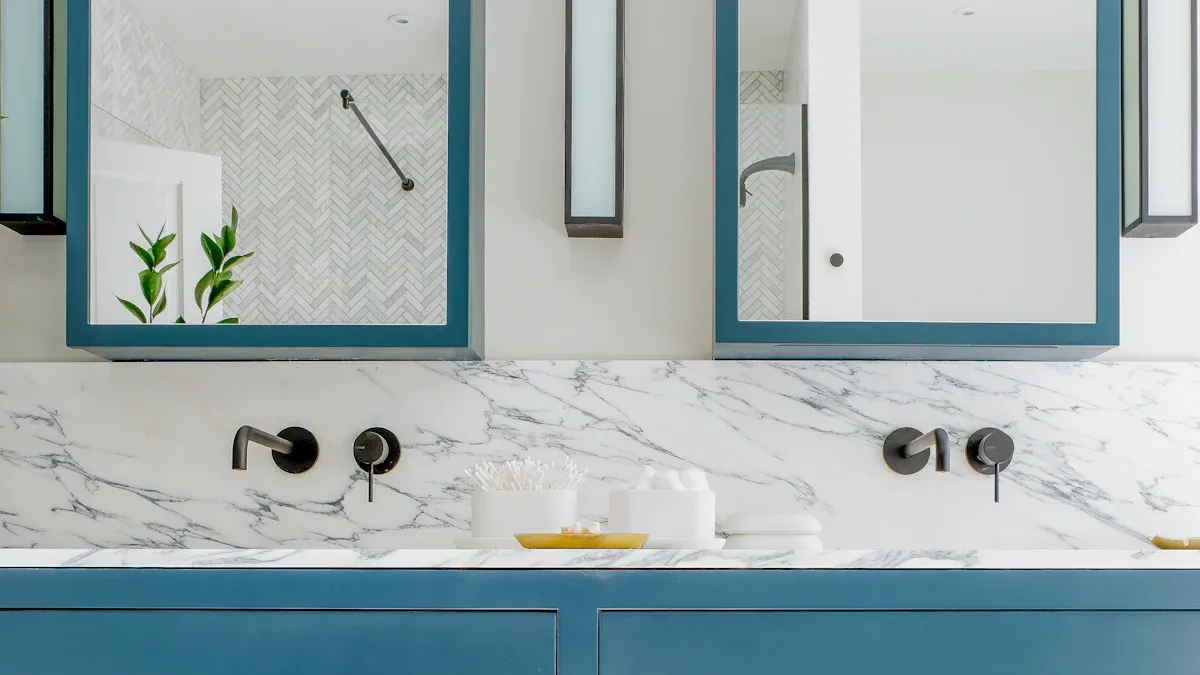
You want a fresh bathroom without a huge renovation budget. A simple diy bathroom vanity makeover is your perfect solution! You can dramatically refresh your space. This project is incredibly affordable. New paint and hardware make a big impact. Even if you’re new to diy, you can transform an outdated vanity into a stylish one. Just grab some paint and get ready to update your bathroom. A fresh coat of paint works wonders!
Prep Your Bathroom Vanity Makeover
Before you even think about applying paint, you must prepare your vanity. This crucial first step ensures your new finish lasts and looks professional. Proper preparation is the secret to a durable and beautiful result when you paint a bathroom vanity.
Clear and Clean Your Vanity
First, clear everything off your vanity. Remove all drawers, doors, and existing hardware like knobs and pulls. Label them if you need to, especially if you plan to reuse them. Now, inspect the vanity for any imperfections. Fill any old hardware holes or small dents with wood filler. Let it dry completely, then sand it smooth.
Next, give your vanity a thorough cleaning. You want to remove all grime, soap scum, and grease. This step is vital for paint adhesion.
Tip for Cleaning:
Use mild detergents or cleaners made for your vanity’s material.
Soapy water is a gentle option.
A mix of equal parts white vinegar and tap water cleans and zaps germs.
For stubborn rings or stains, gently apply baking soda with a damp cloth.
A mix of vinegar and dish soap (2:1 ratio) works wonders for deep cleaning and tough soap scum.
Sanding and Priming Essentials
After cleaning, it’s time to sand. Sanding creates a surface the paint can grip onto. This is key for a smooth finish. Start by sanding all surfaces with 150-grit sandpaper. This removes any clear coat or uneven paint. Then, switch to 220-grit sandpaper. Continue sanding until the surface looks smooth and dull, not glossy. Wipe away all dust with a tack cloth or a damp cloth. This step is essential for painting a bathroom vanity successfully.
Now, apply a high-quality primer. Primer helps the paint stick and blocks stains. It also creates a uniform base for your chosen paint color. The right primer is one of the most important tools and materials for painting a bathroom vanity.
Primer Types for Your Vanity:
Primer Type
Best Suited For
Key Characteristics
Oil-based
Unfinished/bare wood, painted wood, steel, existing paint.
Versatile, good stain killer, prevents peeling.
Latex-based
Unfinished drywall, soft wood (pine), brick, concrete, galvanized metals.
Flexible, fast-drying, easy to clean.
Shellac-based
Wood, metal, plaster, plastic, water/smoke damage, strong odors.
Excellent stain-blocking, seals smells, fast-drying.
Choose a primer that matches your vanity’s material. For previously finished cabinets, a good primer-sealer like Bins or Kilz is often recommended. This prepares the surface for new paint.
Protect Your Work Area
Before you start painting, protect your surroundings. Lay down drop cloths or old sheets on the floor. Use painter’s tape to mask off any areas you don’t want to get paint on, like walls or adjacent fixtures. This simple step saves you a lot of cleanup later. Having the right tools and materials for painting a bathroom vanity includes protecting your space. This diy project will be much smoother with proper protection.
How to Paint a Bathroom Vanity

Now you have prepped your vanity. It is time for the fun part: painting! This section guides you through the process. You will learn how to choose the right paint. You will also discover techniques for a smooth finish. Finally, you will find solutions for common paint problems. You are ready to transform your space.
Choose the Right Paint
Selecting the right paint is crucial. It ensures your bathroom vanity makeover lasts. You need paint that stands up to moisture and daily use. For durability, you should consider semi-gloss paint or high-gloss paint. These paint types offer a pleasing shine. They also hold up well over time. This indicates their durability. They are excellent choices for wood finishes like vanities.
You have many great options for the best paint for a bathroom vanity. Here are some top brands:
Benjamin Moore Advance: This waterborne alkyd paint gives you a smooth, durable finish. It resists moisture, stains, and mildew.
Sherwin-Williams Emerald Urethane Trim Enamel: This water-based enamel paint offers excellent durability. It has great adhesion in high-traffic areas. It is also easy to clean.
Behr Premium Cabinet and Trim: This paint resists moisture, mildew, dirt, and grime.
Valspar Cabinet Enamel: This self-leveling paint provides a smooth, durable finish. It resists scratches, scuffs, and moisture.
General Finishes Milk Paint: This water-based paint gives you a durable, long-lasting finish. It resists moisture and stains.
Dixie Belle or Annie Sloan Chalk Paint: These versatile chalk paints provide a durable, matte finish. You will need a topcoat with these.
Farrow & Ball Modern Eggshell: This water-based paint provides a durable, washable finish. It resists moisture and stains.
Think about your desired look. Do you want a bright, airy feel? Or are you aiming for a moody paint update? A fresh color can completely refresh the color of your bathroom. Consider your bathroom vanity color inspiration. A bold color can make a statement. A neutral shade offers timeless elegance. The best paint for a bathroom vanity depends on your style and needs.
Techniques for a Smooth Finish
Achieving a smooth finish makes your diy project look professional. You want to apply thin coats of paint. This prevents drips and ensures even coverage. You will need the right tools for how to paint a bathroom vanity.
Here are some recommended tools for a smooth finish:
Sanding Sponge: Use this for light sanding of primed surfaces.
Tack Cloth: This removes sanding dust.
Paint: Sherwin-Williams Emerald Urethane Trim Enamel (Semi-gloss) is great for durability.
Brush: A Purdy 1.5″ Nylox Glide brush works well for detailed areas.
Mini Roller: A ¼″ nap mini roller (like the Purdy White Dove Mini Roller) gives you a smoother finish. Use it with a Jumbo Mini Roller Frame.
Sandpaper: 220 grit sandpaper is for initial sanding.
Microfiber Cloth: This is for wiping surfaces after sanding.
Liquid Deglosser: This cleans surfaces and helps primer and paint stick.
Primer: Sherwin-Williams Extreme Bond Primer (or STIX primer) helps paint adhere to difficult surfaces.
Plastic Painter’s Tripods: These elevate doors and drawers during painting.
Mini Roller Tray: This is convenient for your mini roller.
Start by painting the recessed areas and edges with your brush. Then, use your mini roller for the larger, flat surfaces. Roll in one direction. Overlap each pass slightly. This helps you avoid roller marks. Let each coat dry completely before applying the next. You might need two or three coats to paint a bathroom vanity. This ensures full coverage and a rich color. This is a key step in painting a bathroom vanity.
Troubleshooting Paint Issues
Even with careful preparation, you might encounter some issues when painting a bathroom vanity. Do not worry! You can fix most problems.
A common cause of paint streaks in bathrooms is surfactant leaching. This happens because surfactants, which are water-soluble ingredients in latex paint, rise to the surface too quickly. This occurs when they are exposed to moisture or humidity during drying. This results in stains or streaks on painted surfaces. While unsightly, surfactant leaching is not a paint failure. The paint is designed to act this way. Darker paint colors tend to make these streaks more noticeable. To prevent surfactant leaching, ensure your paint dries in dry, well-ventilated conditions. Control humidity during the drying and curing process. You can clean off the streaks. They may also disappear on their own within about six weeks.
What about paint drips? Paint drips, also known as sagging paint, happen for a few reasons. You might apply too much paint. The paint might be too thin. Or you might be painting in conditions that are too humid or too cool. Maintain a constant room temperature between 65 and 85 degrees Fahrenheit. Keep moderate humidity. This helps prevent these issues.
Here is how you can correct paint drips effectively:
If you notice paint drips while the paint is still wet, immediately brush or roll out the excess paint. Blend it with the rest of the coat.
If the paint has already dried, apply another coat of paint to cover the drips.
For dried drips with glossy areas, lightly sand them with fine-grit sandpaper. Do this before applying the new coat. This ensures optimal adhesion.
Following these painted bathroom vanity steps helps you achieve a beautiful finish. You will be proud of your diy work.
Upgrade with New Hardware
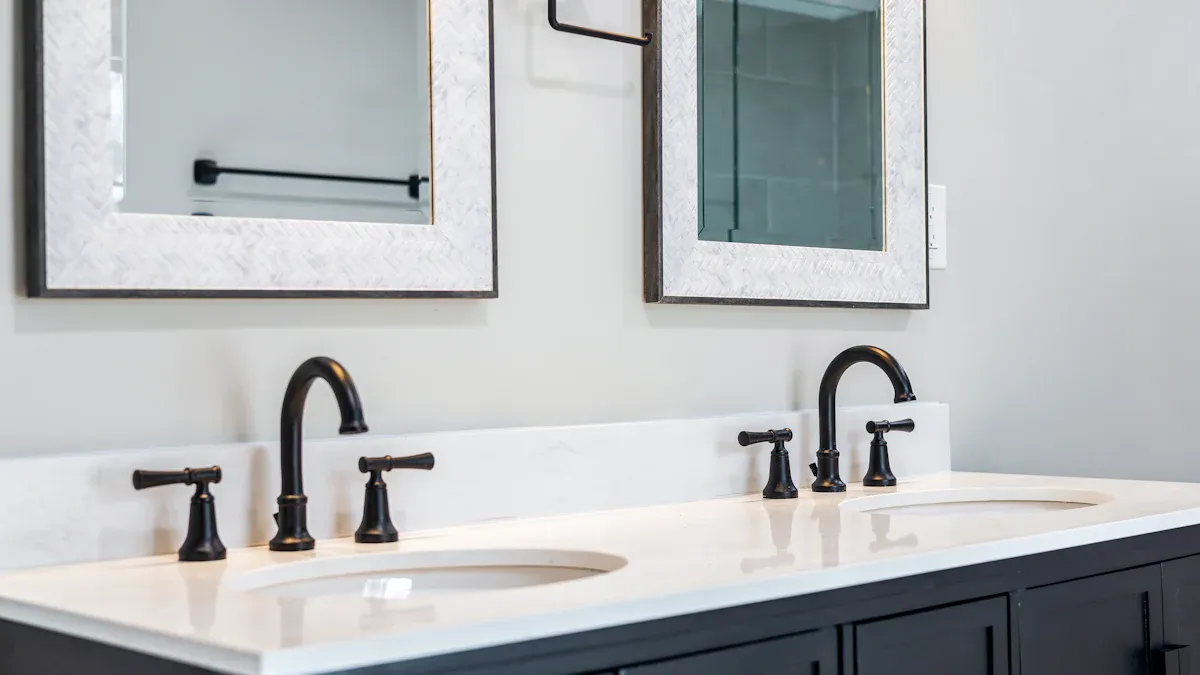
You have finished painting your vanity. Now, you can truly transform its look. You can add new hardware. This simple change makes a huge difference. Think of new knobs and pulls as jewelry for your bathroom vanity. They can completely change the style of your bathroom.
Selecting Knobs and Pulls
Choosing the right knobs and pulls is exciting. You want hardware that complements your new paint color. Consider the overall style of your bathroom. Do you want a modern, traditional, or eclectic look?
Current trends offer many beautiful options. You might like to mix metal finishes. This means you combine different metals. For example, you can pair antique brass with black cabinet pulls. Or you can use polished nickel with brushed bronze. This creates a layered and sophisticated space. Another popular choice is artisan-made hardware. These are handcrafted pieces. They include hand-formed knobs and sculptural drawer pulls. They add a unique touch. Organic shapes are also trending. These feature fluid forms inspired by nature. Think of river pebbles or seashells. They break away from rigid designs.
Many materials and finishes are available for your hardware. You can choose from:
Acrylic Hardware
Aged Brass
Matte Black
Polished Chrome
Polished Nickel
Two-Tone
Satin Brass
Satin Nickel
Venetian Bronze
Weathered Nickel
Your choice of hardware can enhance your bathroom vanity color inspiration. A bold color on the vanity might look great with sleek matte black pulls. A soft, neutral paint color could shine with elegant satin brass knobs.
Easy Hardware Installation
Installing new hardware is a straightforward diy task. You need a few essential tools. Gather these items before you start:
Pencil
Stud Finder (though less critical for vanity hardware, good to have for other wall-mounted items)
Tape Measure
Drill
Screwdriver
Level
Silicone Sealant (for moisture protection around holes)
Wooden Shims (useful for leveling or spacing if needed)
First, decide where you want to place your new hardware. If you are replacing old hardware, you might use the existing holes. If you want a different placement, you will need to fill the old holes with wood filler. Let it dry. Then, sand it smooth and touch up the paint.
For cabinet doors, you typically mount pulls vertically. Place them 2.5 to 3 inches up from the bottom (for upper doors). Or place them 2.5 to 3 inches down from the top (for base doors). Position them 1 to 1.5 inches in from the edge of the door. For knobs on cabinet doors, place them 2.5 to 3 inches from the bottom corner of an upper door. Or place them from the top corner of a lower door. Keep them 1 to 1.5 inches in from the edge.
For drawers, you almost always mount pulls horizontally. Center them on the drawer front. For shallow drawers (under 6 inches), you might place pulls slightly above the center for an easier grip. For deep drawers (8 inches or more), use center placement. Or place them slightly above center for comfort. If your drawer is wider than 30 inches, you can use two pulls. Space them about 1/6th of the drawer width in from each side edge. For knobs on drawers under 24 inches wide, place a single knob centered horizontally and vertically. For wider drawers, you can use one large knob or two smaller ones.
Use a template to mark your drill points. This ensures consistent placement. Drill pilot holes. Then, attach your new hardware with a screwdriver. Do not overtighten the screws. This can damage the wood or the hardware.
Mixing Styles and Metals
You do not need to match every metal finish in your bathroom. Mixing styles and metals creates a more interesting space. It avoids a “matchy-matchy” feel. This is a great way to add new hardware with personality.
Consider a color palette. Select a primary and a secondary finish. For example, brushed nickel and black matte often complement each other. You can combine brass and black. Or you can use nickel and black. Brass light fixtures and hardware can pair with black mirrors. This works well regardless of your vanity color. You can also mix shiny and brushed finishes. A shiny finish, like chrome or nickel faucets, can look great with brushed brass sconces or hardware. Copper and black is another fabulous combination.
To avoid a crowded look, limit your choices to two or three finishes. Make sure your chosen finishes complement your existing decor. Think about wall colors, light fixtures, and furniture. For example, black hardware looks great on light or white cabinets. For black or dark vanities, metallic tones will pop. You can add a black sconce to play off the dark cabinetry.
To ensure cohesion, make sure each chosen finish appears more than once in the space. This creates a sense of intention. For instance, you could have nickel faucets, square brass mirrors, and brass hardware with black sconces. Or you could use black hardware with brass sconces. This diy approach lets you personalize your bathroom.
Finish and Maintain Your Vanity
You have painted your vanity and added new hardware. Now, you need to protect your hard work. These final steps ensure your makeover lasts. They keep your vanity looking great for years.
Seal for Durability
Sealing your newly painted vanity is very important. It protects the paint from moisture and daily wear. Bathrooms are humid places. A good sealer prevents water damage and chipping. You can use a clear topcoat or a polyurethane sealer. Apply thin, even coats. Follow the product instructions for drying times. This step makes your paint a bathroom vanity project truly durable.
Simple Maintenance Tips
Keeping your vanity clean is easy. Regular care helps maintain its fresh look. You should use only mild cleaners and soft cloths. Avoid abrasive pads. Blot spills instead of scrubbing harshly.
Here are some safe cleaning supplies:
Cleaning Supply | Purpose |
|---|---|
Mild dish soap | For cleaning vanity surfaces and removing light stains. |
All-purpose cleaner | For cleaning vanity surfaces and removing light stains. |
Warm water | To dilute cleaning products and rinse areas thoroughly. |
Mild soap solution | For cleaning inside surfaces, shelves, drawers, and vanity doors. |
You can keep your vanity looking new with a simple routine:
Daily: Wipe down with a damp cloth. Remove toothpaste, hair products, and water spots.
Weekly: Use a gentle, non-abrasive cleaner for the sink. Address soap scum and water spots. Clean, rinse, and dry with a soft cloth. Clean cabinet doors and drawers with a damp cloth. Use a mild all-purpose cleaner for tougher stains.
Monthly: Follow cleaning recommendations for your countertop material. This prevents etching and staining.
Always wipe the sink dry after each use. This prevents spots. Gentle cleaning with mild cleaners and soft cloths avoids damaging the vanity’s finish.
Add Decorative Touches
Your diy vanity makeover is almost complete. Now, add decorative touches. These elements tie your bathroom together. They reflect your personal style. Think about your bathroom’s overall style and color.
You can incorporate elements that complement your existing decor. Add a touch of freshness. Consider details like lighting, mirrors, and storage. These enhance both looks and function. A pop of color can add personality. Choose a vibrant hue like teal or navy. You can use these colors in towels or artwork.
Here are some ideas to enhance your space:
Metal fixtures bounce light around the room.
Warm wood elements balance cool tones.
Sage green accessories offer a natural, fresh look.
Textured elements through tiles or wallcoverings add depth.
LED-lighted mirrors provide modern sophistication.
For a modern feel, consider:
Sleek, contemporary sink designs.
Modern faucets in matte black or brushed nickel.
Under-vanity lighting.
Minimalist hardware.
Mirrors and accessories with simple, geometric forms.
Your newly painted vanity is a perfect backdrop. It lets you express your creativity. Enjoy your refreshed space!
You just saw the amazing power of a DIY bathroom vanity makeover! With just some paint and new hardware, you can totally transform your space. This diy project is easy and affordable. Embrace your creativity and start your own diy bathroom vanity makeover. You will love the satisfaction of a personalized bathroom. A fresh coat of paint makes a huge difference. Share your amazing makeovers with us!
FAQ
What kind of paint should you use for a bathroom vanity?
You need durable paint for your bathroom vanity. Choose semi-gloss or high-gloss paint. These types resist moisture and daily wear. Brands like Benjamin Moore Advance or Sherwin-Williams Emerald Urethane Trim Enamel work great. They give you a smooth, lasting finish.
What is the most important step before painting?
Thorough preparation is key! You must clean, sand, and prime your vanity well. This removes grime and creates a surface paint can grip. Proper prep ensures your new finish lasts and looks professional. Do not skip this part.
What if you have existing holes for hardware?
You have options for existing hardware holes. You can reuse them if your new hardware fits. If not, fill the old holes with wood filler. Let it dry completely. Then, sand it smooth and touch up the paint. This makes your vanity look fresh.
What helps your painted vanity last longer?
Sealing your vanity helps it last longer. Apply a clear topcoat or polyurethane sealer after painting. This protects the paint from moisture and daily wear. It prevents chipping and water damage. Regular, gentle cleaning also keeps it looking new.