Old houses have a unique charm that draws many people in. Their character and history can be captivating. However, before you dive into buying an old house, consider some significant downsides. For instance, you might face higher maintenance costs, outdated systems, and unexpected repairs. These factors can turn your dream home into a financial burden.
Key Takeaways
Be prepared for higher maintenance costs when buying an old house. Older homes often require more upkeep, leading to unexpected expenses.
Expect outdated systems in older homes. Plumbing and HVAC systems may need costly updates, impacting your budget significantly.
Hidden costs can arise from undisclosed damage. Always conduct thorough inspections to uncover potential issues before purchasing.
Higher Maintenance Costs

When you consider buying an old house, be prepared for higher maintenance costs. Older homes often require more upkeep than newer ones. This can lead to frequent repairs that can quickly add up.
Frequent Repairs
You might find yourself dealing with a variety of repairs more often than you would in a newer home. Here are some common issues you may encounter:
Foundation Problems: Cracks and settling can occur due to deteriorating materials.
Outdated Electrical Systems: Old wiring can pose fire hazards and may not meet current safety codes.
Plumbing Issues: Corroded pipes can lead to leaks and health risks, especially if they contain lead.
In fact, homeowners of older homes spend a median of $1,800 annually on upkeep. If you’re a new owner, that number can jump to $3,900 in the first couple of years. Longtime owners, however, tend to spend about $1,500 each year. These figures highlight how costlier to operate older homes can be compared to newer ones.
Costly Renovations
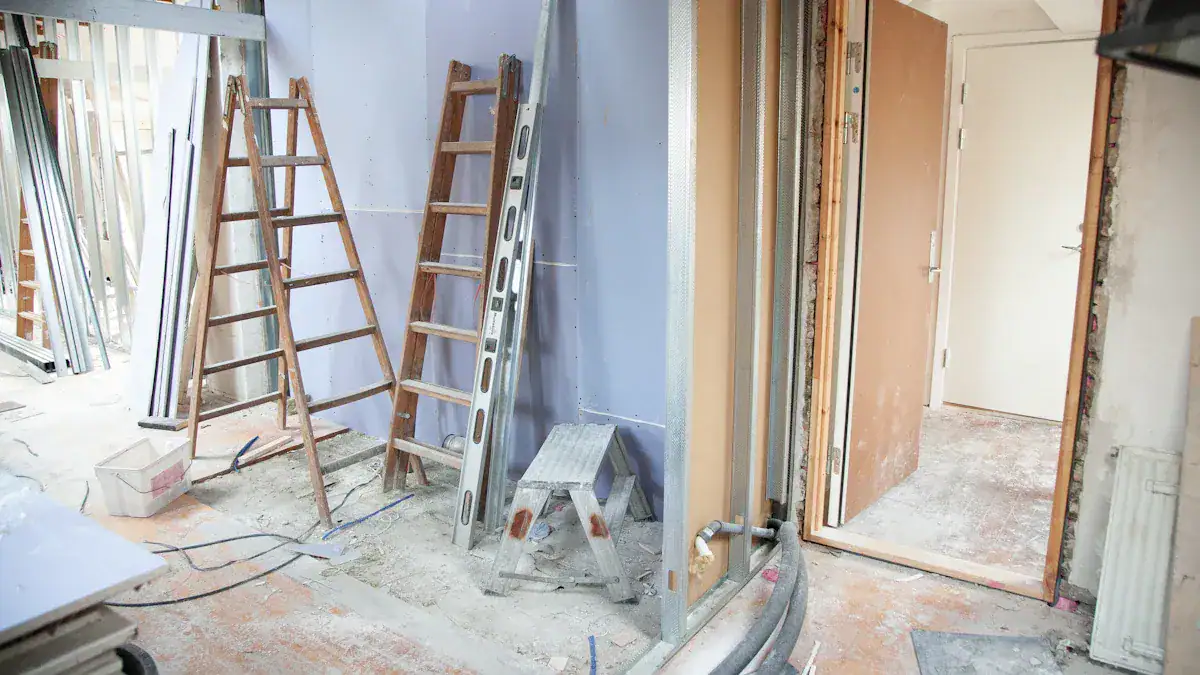
You may also face significant expenses when it comes to renovations. If you want to update a dated design, be prepared for some hefty bills. For example, typical bathroom renovations can range from $6,600 to $28,000, while kitchen remodels often fall between $14,550 and $40,400. These costs can escalate quickly, especially if you encounter plumbing challenges or need to upgrade electrical systems due to insufficient outlets.
Older homes often require more extensive renovations than newer ones. About 48% of owner-occupied homes date back to the 1980s or earlier, which means many homeowners are choosing to renovate rather than relocate. This trend can lead to unexpected expenses, especially if you uncover hidden issues during the renovation process.
Outdated Systems in Older Homes
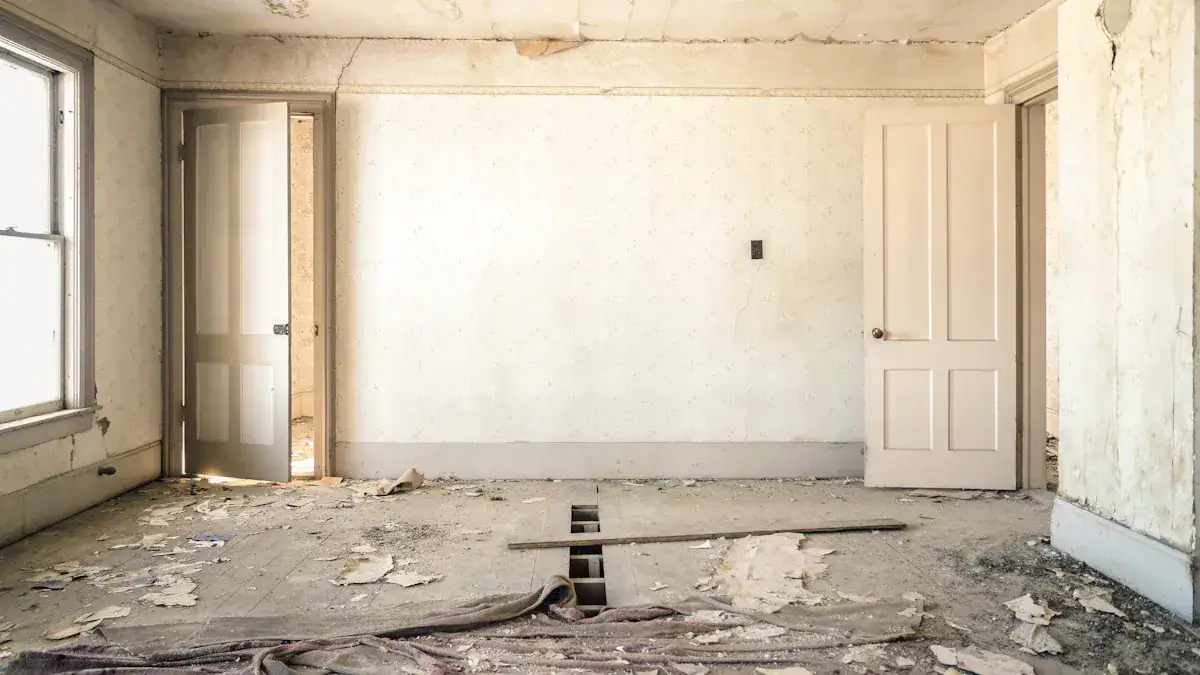
When you buy an old house, you often inherit outdated systems that can lead to significant headaches. One of the most pressing concerns is plumbing.
Plumbing Issues
Older homes frequently have plumbing systems that can cause a range of issues. Here are some common plumbing problems you might face:
Plumbing Issue | Description |
|---|---|
Old, corroded piping | Older pipes are prone to corrosion and rust, often requiring replacement to ensure safe water supply. |
Slow drains | Caused by ‘pipe bellies’ due to settling, leading to negative slopes that restrict water flow. |
Frequent clogging | Resulting from pipe bellies, sediment buildup, or root growth, necessitating drain inspections. |
Damaged or failing sewer lines | Foundational shifts and tree roots can damage sewer lines, especially with modern appliance upgrades. |
Worn or outdated fixtures | Internal wear can lead to leaks and other plumbing issues, requiring regular inspections. |
You may find that repairing or replacing these systems can be costly. For instance, replacing old pipes can range from $3,500 to $15,000, depending on the material used.
HVAC Updates
Another area where older homes often fall short is in their heating and cooling systems. Many of these systems are nearing the end of their lifespan, which means you might need to update them sooner than expected.
Aspect | Older Homes | Newer Homes |
|---|---|---|
HVAC System Age | Often nearing end of lifespan, requiring updates | Typically newer, less frequent updates |
Maintenance Costs | Higher due to outdated systems | Generally lower maintenance costs |
Energy Efficiency | Less efficient, may require upgrades | More efficient, modern systems |
The average cost for a new HVAC system is around $7,500, but it can range from $5,000 to $12,500. If you also need to replace ductwork, that can add even more to your expenses.
Safety and Structural Concerns
When you consider buying an old house, you must pay close attention to safety and structural concerns. These issues can lead to significant costs and potential hazards for you and your family.
Foundation Problems
Foundation problems are common in older homes. In fact, about 7% of homeowners report dealing with these issues. This percentage likely applies to many older houses. Here are some common causes of foundation problems:
Cause | Description |
|---|---|
Water Damage | Water is the most common cause of foundation damage. It leads to erosion, settlement, and structural damage over time. Look for signs like visible moisture, mold growth, and musty odors. |
Foundation Cracks | Larger or severe cracks can indicate serious problems. Cracks wider than 1/4 inch or those with horizontal displacement may suggest structural issues. |
Settling and Shifting | Excessive or uneven settling can lead to structural problems. You might notice sticking doors, visible cracks, and uneven floors. |
Repairing foundation issues can be costly. The average cost of foundation repair is around $5,017, with typical costs ranging from $2,180 to $7,854. Here are some specific repair costs you might encounter:
Foundation crack repair: $250–$800
Foundation jacking: $600–$1,600
Settling or sinking foundation repair: $500–$3,000
Basement underpinning or piering: $1,000–$3,000 per pier
Foundation sealing: $2,000–$7,000
Foundation wall stabilization: $4,000–$12,000
Bowing wall repair: $4,000–$15,000
Hazardous Materials
Older homes often contain hazardous materials like lead paint and asbestos. If your potential home was built before 1980, you might face these risks. Approximately 38 million housing units in the U.S. are estimated to contain lead-based paint, with 24 million of those units presenting significant hazards. The likelihood of encountering these hazards increases with the age of the home.
Exposure to lead paint can lead to serious health issues, especially for young children. Here are some risks associated with lead exposure:
Lead poisoning can cause developmental issues and cognitive impairments.
Lead is toxic to humans and animals, leading to serious health effects. No amount of lead is considered safe for children.
Adults may experience headaches, stomach cramps, and fatigue due to lead exposure.
As for asbestos, inhaling its fibers can increase the risk of developing lung disease. Here are some health risks associated with asbestos exposure:
Asbestos is a known carcinogen, which means it can lead to lung cancer.
It can also cause asbestosis, a serious lung disease.
Removing hazardous materials can also be expensive. Typical costs for asbestos removal range from $1,000 to $3,000+, with an average around $2,000+. Depending on the location of the asbestos material, costs can vary between $5 and $20 per square foot. Complete removal in average homes can reach up to $15,000+.
Hidden Costs of Buying an Old House
When you decide on buying an old house, you might think you’ve found a gem. However, hidden costs can quickly turn that gem into a money pit. One of the biggest surprises for many new homeowners is undisclosed damage.
Undisclosed Damage
Older homes often come with a history that isn’t always clear. You might find yourself facing issues that the previous owner didn’t disclose. Here are some common types of undisclosed damage you should watch out for:
Material defects: This includes structural damage, water intrusion, and pest infestations.
Environmental hazards: Lead-based paint, radon gas, and asbestos can lurk in the walls.
Non-permitted work: You might discover that some renovations were done without proper permits, leading to future headaches.
Easement and boundary issues: These can complicate your property rights and future plans.
Misrepresentation of property history: You may find out about past flood or fire damage only after moving in.
These hidden issues can lead to significant costs. For instance, if you discover mold or termite damage, you could be looking at thousands of dollars in repairs. In fact, many homeowners report unexpected expenses within the first year of ownership. About 44% of them experience their first surprise repair shortly after closing, with 12% facing one in the first month!
Inspection Limitations
Now, let’s talk about inspections. While you might think a home inspection will catch all potential problems, that’s not always the case. Here are some limitations you should be aware of:
Crawl spaces: These areas may be too narrow for inspectors to access, hiding critical issues.
Obstructions: Personal belongings and clutter can prevent a thorough assessment of the property.
Seasonal factors: Snow or rain can limit the inspector’s ability to evaluate the roof and exterior.
Older homes often have outdated systems that pose safety risks. For example, electrical wiring may be ungrounded or outdated, and plumbing issues are common. Many pipes are hidden from view, making them difficult to assess without specialized tools. Additionally, pests can compromise structural integrity, and inspectors may not always identify these issues without specific certifications.
The costs of unexpected repairs due to these inspection limitations can add up quickly. Here’s a quick look at potential repair costs:
Type of Repair | Potential Cost Impact |
|---|---|
Electrical rewiring | Significant if built before 1970 |
Plumbing replacements | High if original pipes are galvanized steel |
Roof repairs or replacements | Costly if roof is over 20 years old |
Foundation repairs | Can be very expensive depending on severity |
Long-term maintenance | Ongoing costs that can accumulate over time |
Being aware of these hidden costs and inspection limitations can save you from a longer and costlier closing process. So, before you sign on the dotted line, make sure you do your homework!
Buying an old house can be tempting, but you should weigh the disadvantages carefully. Higher maintenance costs, outdated systems, and safety concerns can add up quickly. Remember to conduct thorough research before making a decision. Consider exploring local records and hiring a home inspector to uncover any hidden issues. This way, you can avoid surprises and make a more informed choice about existing homes.
FAQ
What should I look for during a home inspection?
Look for signs of water damage, outdated systems, and structural issues. Inspectors can help identify potential problems.
How can I estimate renovation costs for an old house?
Research local contractors and get quotes for specific projects. Online calculators can also help you estimate costs.
Are there any financial assistance programs for buying old homes?
Yes! Many local and federal programs offer assistance for renovations and repairs. Check with your local housing authority for options.