Lustron homes represent a unique chapter in American housing history. These prefabricated houses emerged after World War II, addressing a significant housing shortage. You might find it interesting that a total of 2,498 Lustron homes were manufactured across the United States. The need for affordable housing for returning veterans and the innovative vision of Carl Strandlund fueled their development. Lustron homes feature distinctive steel construction, which sets them apart from traditional homes, making them a fascinating subject of study.
Key Takeaways
Lustron homes are prefabricated houses made of durable enameled steel, offering low maintenance and high durability.
These homes feature modern designs with open floor plans and built-in storage, appealing to families seeking efficient living spaces.
Despite initial excitement, Lustron homes faced market challenges, producing only a fraction of the expected units due to financial and logistical issues.
Preservation efforts are ongoing, highlighting the historical significance and growing market value of Lustron homes as collectible properties.
Living in a Lustron home provides benefits like energy efficiency and resistance to pests, making them a practical choice for families.
What Are Lustron Homes?
Materials Used
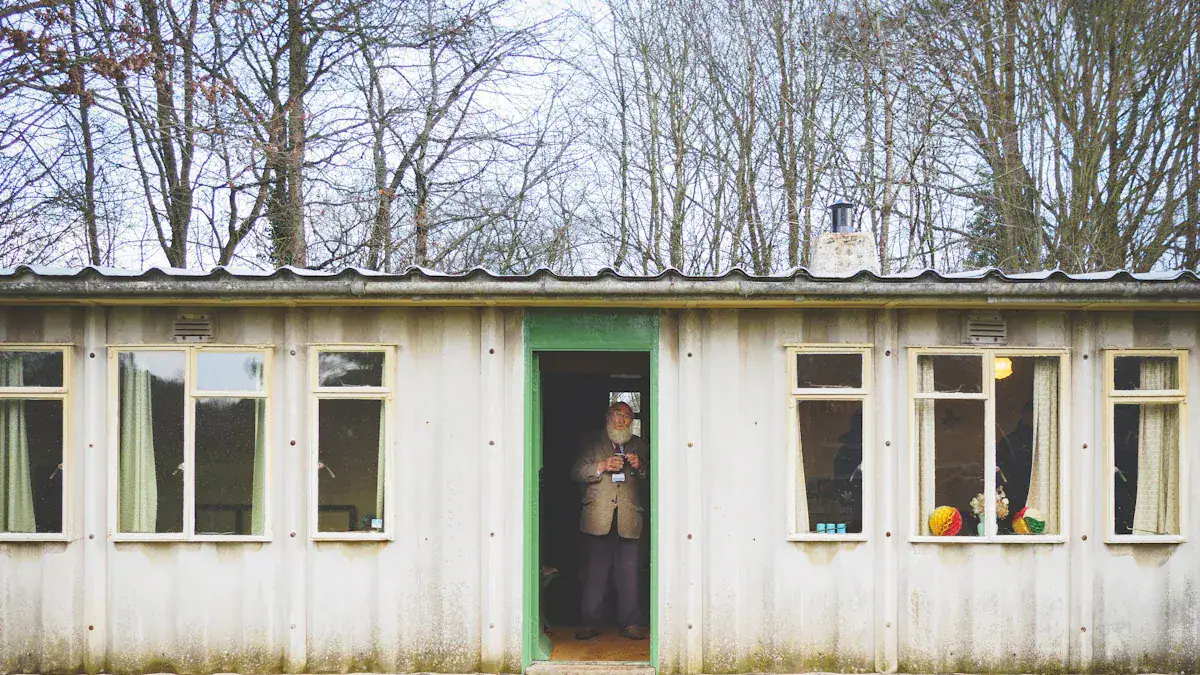
Lustron homes stand out due to their unique construction materials. These homes utilize prefabricated enameled steel, which differs significantly from traditional wood and plaster materials. This choice of material offers several advantages:
Material Type | Lustron Homes | Traditional Housing |
|---|---|---|
Primary Material | Prefabricated enameled steel | Wood and plaster |
Durability | High | Variable |
Maintenance | Low | High |
Construction Method | Prefabricated | Conventional framing |
The use of steel not only enhances durability but also reduces maintenance needs. You will find that Lustron homes are virtually maintenance-free, requiring only occasional cleaning. This feature appeals to busy families, especially those among the returning World War II veterans who sought quick and efficient housing solutions.
Design Features
The design of Lustron homes reflects the needs and preferences of post-World War II families. Each model Lustron home is compact, averaging about 1,000 square feet. This size was intentional, as it met the mortgage requirements of the time. The homes consist of over 3,300 parts, including a steel structure and enameled porcelain-coated steel wall panels. These components are mass-produced and assembled on-site, allowing for rapid construction.
Here are some key design features that set Lustron homes apart:
Feature | Description |
|---|---|
Construction Material | All-steel construction with porcelain enamel baked onto steel for durability and aesthetics. |
Interior Design | Open floor plans with no walls separating living, dining, and kitchen areas. |
Space-Saving Features | Includes sliding and pocket doors, built-in bookcases, vanities, and floor-to-ceiling storage. |
Heating System | Radiant ceiling heat instead of traditional floor heating. |
Color Options | Available in pastel colors like dove gray, maize yellow, surf blue, and desert tan. |
The Lustron homes integrated modern conveniences with traditional home concepts. They featured fully equipped kitchens with modern appliances, which added to their attractiveness as a family home. The homes could be assembled in as little as two weeks, addressing the urgent housing demand of the time.
Additionally, Lustron homes offered built-in storage solutions, making them practical for families. However, the all-steel construction limited renovation options, which could be a drawback for some homeowners. Despite this, the appeal of low maintenance and modern design made Lustron homes a popular choice during their time.
History of Lustron Homes
Origin and Development
Lustron homes originated in the aftermath of World War II. The housing crisis during this period created a huge wave of demand for affordable homes. Carl Strandlund founded the Lustron Corporation with a vision to create prefabricated homes that would meet this need. His goal was to provide middle-class families with durable, low-maintenance housing options.
Here’s a brief overview of the key milestones in the development of Lustron homes:
Date | Milestone Description |
|---|---|
1946 | Carl Strandlund meets with Wilson Wyatt to discuss the Lustron house concept. |
1947-10-31 | Lustron Corporation is established at the Curtiss-Wright plant in Columbus, Ohio. |
1948-04 | The first model home is displayed in New York City. |
1948 | Strandlund claims 20,000 firm orders and sets a production goal of 45,000 houses for 1949. |
1949-02-25 | Mass production of Lustron houses begins. |
1950-02-22 | A foreclosure suit is filed against Lustron’s mortgage. |
1950-06-06 | The last Lustron house is shipped from the factory. |
Despite the initial excitement, Lustron faced significant challenges in the market. The company aimed to produce 85 homes daily, but production fell short of expectations. They struggled to establish a dealer network, leading to financial losses of $1.5 million per month.
Steel allocation issues persisted even after the war, complicating material acquisition for Lustron.
The cost of steel was higher than anticipated, impacting production costs.
Slow production rates led to daily financial losses, exacerbating their financial difficulties.
Ultimately, the federal government intervened, resulting in the company’s foreclosure in 1950. Only 2,680 homes were produced against 8,000 pending orders.
The decline of Lustron homes was influenced by various political and economic factors. Local building inspectors resisted the new construction methods, and unions opposed Lustron due to job security concerns. Additionally, financial difficulties arose from government loans being recalled after a Senate investigation, which ultimately led to the company’s bankruptcy.
Market Response
The market response to Lustron homes was mixed. While many viewed them as innovative solutions to the postwar housing crisis, others were hesitant. The homes offered a modern alternative to traditional construction, but they faced competition from conventionally built houses, which were often more affordable.
Significance of Lustron Homes
Impact on Architecture
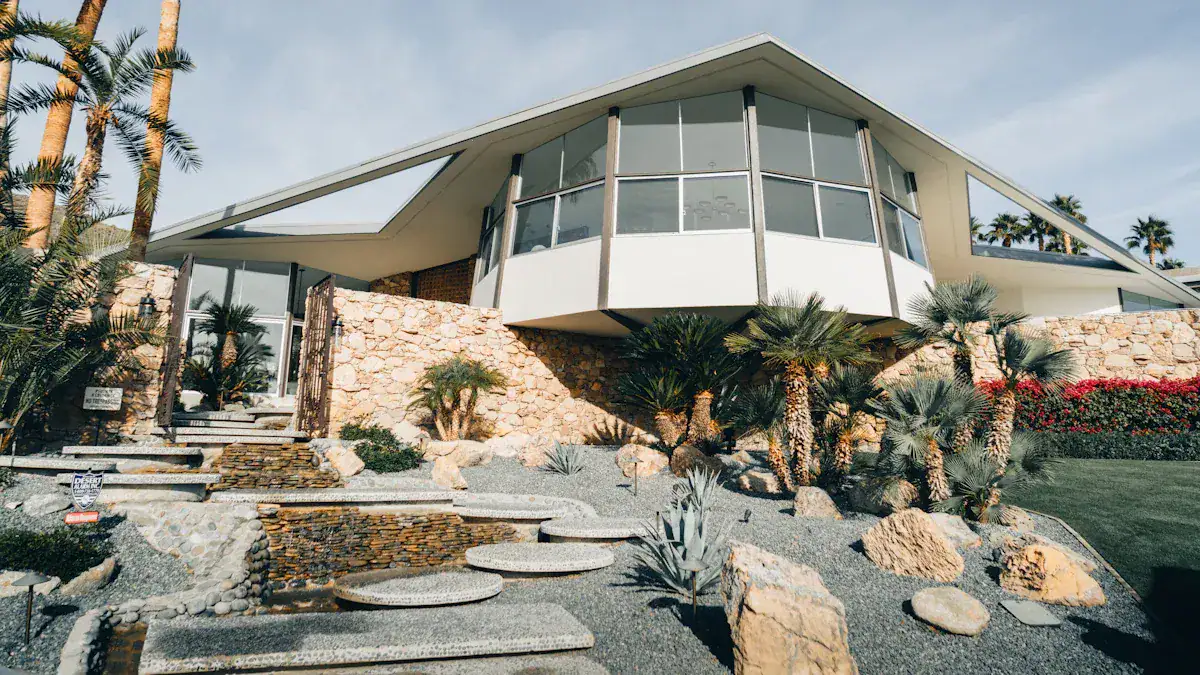
Lustron homes significantly influenced mid-century modern architecture in the United States. They emerged during a time when the country faced a housing crisis after World War II. You can see how these homes addressed this issue through innovative design and mass production techniques. Here are some key points about their architectural impact:
Lustron homes utilized industrial materials and prefabrication, aligning with modernist design principles.
The engineering methods adapted from military structures during the war showcased a new approach to suburban home building.
Over 1,500 of the 2,600 Lustron homes produced still stand today, demonstrating their durability and successful design.
These homes represented a shift in how people viewed residential architecture. They combined functionality with modern aesthetics, making them appealing to families looking for affordable housing options.
Innovations in Housing
Lustron homes introduced several engineering innovations that set them apart from traditional housing. The following table highlights some of these features:
Feature | Lustron Homes | Traditional Homes |
|---|---|---|
Construction Method | Prefabricated steel construction | Individually built on-site |
Building Materials | Steel frame, porcelain enamel baked onto steel | Wood, brick, and other traditional materials |
Assembly Time | 200-400 man hours for assembly | 4-6 months for completion |
Maintenance | Low-maintenance, no painting or re-roofing needed | Regular maintenance required |
Interior Design | Open layout with built-in features | Separate rooms with traditional layouts |
Durability | Rat-proof, decay-proof, termite and rodent-proof | Subject to wear and tear |
Visual Aesthetic | Mid-century modern style | Varies widely, often traditional styles |
Lustron homes featured a steel frame and porcelain enamel finishes, which made them nearly maintenance-free. This design significantly improved their durability compared to conventional homes. The specially designed panel joints and vinyl gaskets created a robust building envelope that effectively prevented water intrusion and heat loss. However, the unique construction posed challenges for repairs and remodeling due to the scarcity of replacement parts.
These innovations exemplify how industrial design principles can be applied to residential architecture. Lustron homes aimed to make quality housing more affordable and accessible, showcasing the potential of industrialization in the housing market.
Current Status of Lustron Homes
Preservation Efforts
Many organizations work tirelessly to preserve Lustron homes. Their efforts ensure that these unique structures remain part of American history. Here are some key organizations involved in preservation:
Organization | Strategy |
|---|---|
Cincinnati Preservation Association | Advocacy, Preservation Easements, Preservation Loan Fund, Presentations & Trainings |
Louisiana SHPO and cultural resources partners | Surveying historic buildings for documentation and identifying potential historic districts for National Register eligibility |
These organizations conduct surveys to identify Lustron houses, especially in areas like Lake Charles. They document these homes to capture vital information for future recovery efforts. Their projects help identify buildings eligible for the National Register of Historic Places, ensuring that Lustron homes receive the recognition they deserve.
Market Value
The market value of Lustron homes has changed significantly over the past decade. Once considered niche properties, they are now seen as collectible items from the 1950s. Recent sales indicate a remarkable appreciation in value. For example, one Lustron home sold for $300,000 after being purchased for only $141,000.
Here’s a snapshot of a recent sale:
Property Address | Purchase Price | Sale Price | Years Owned |
|---|---|---|---|
214 Arden Road | $141,000 | $300,000 | 11 |
You may find it interesting that some Lustron homes are now listed for even higher prices. For instance, the Hudsons are selling their Lustron home for $389,000, highlighting the growing demand for these unique properties.
Communities like Arlington increasingly value Lustron homes for their charm, durability, and modern design. The continued interest among collectors and preservationists reflects a dedication to maintaining these homes. This dedication requires passion, technical skills, and financial resources, but the rewards of preserving such a unique piece of history are well worth the effort.
Lustron homes hold a unique place in American architectural history. They emerged during a critical time, addressing post-war housing shortages with innovative designs. Here are some key takeaways:
Lustron homes featured a streamlined, futuristic design that contrasted sharply with traditional homes.
Their durable, maintenance-free porcelain-enameled steel exterior appealed to many families.
Despite facing market resistance—only 16% of Americans wanted to live in a prefab house—they reflected a vision for a prosperous future.
Diane Dias De Fazio, a housing expert, noted that these homes maximized space while minimizing maintenance. Their legacy continues to influence modern architectural trends. As you explore the significance of Lustron homes, consider their role in shaping the landscape of American housing.
FAQ
What are the benefits of living in a Lustron home?
Living in a Lustron home offers low maintenance, durability, and unique design. The steel construction resists pests and weather damage, making it a practical choice for families seeking a long-lasting residence.
Can I renovate a Lustron home?
Renovating a Lustron home can be challenging due to its steel construction. You may need specialized materials and techniques. Consult with professionals experienced in Lustron homes for the best results.
Are Lustron homes energy-efficient?
Yes, Lustron homes are energy-efficient. Their steel construction and design minimize heat loss. Many owners report lower energy bills compared to traditional homes, making them a smart choice for eco-conscious families.
Where can I find Lustron homes for sale?
You can find Lustron homes for sale through real estate listings, preservation organizations, and online marketplaces. Local historical societies may also have information on available properties.
What is urban exploration in relation to Lustron homes?
Urban exploration involves exploring abandoned or historic sites, including Lustron homes. Enthusiasts appreciate these homes for their unique architecture and historical significance, often documenting their findings through photography and writing.