


A window sill is the horizontal ledge you see at the bottom of every window frame. You might think of this part of your window as purely decorative, but it serves many crucial purposes for your home. Understanding the function of your window sill is essential for proper home maintenance and energy efficiency. For instance, poorly sealed windows, including their sills, can account for 25% to 30% of a home’s heating and cooling energy loss. This makes your window sill a key component for protecting your window and managing your energy bills. A well-maintained window structure helps keep your home comfortable.
Key Takeaways
A window sill is more than just a shelf. It supports your window and protects your home.
Window sills keep water out and help save energy. They also make your home look nice.
There are two types of sills: inside and outside. Outside sills slope down to push water away.
Check your window sills often for cracks or soft spots. Fix problems early to protect your home.
Window Sill Definition and Structure
What is a Window Sill
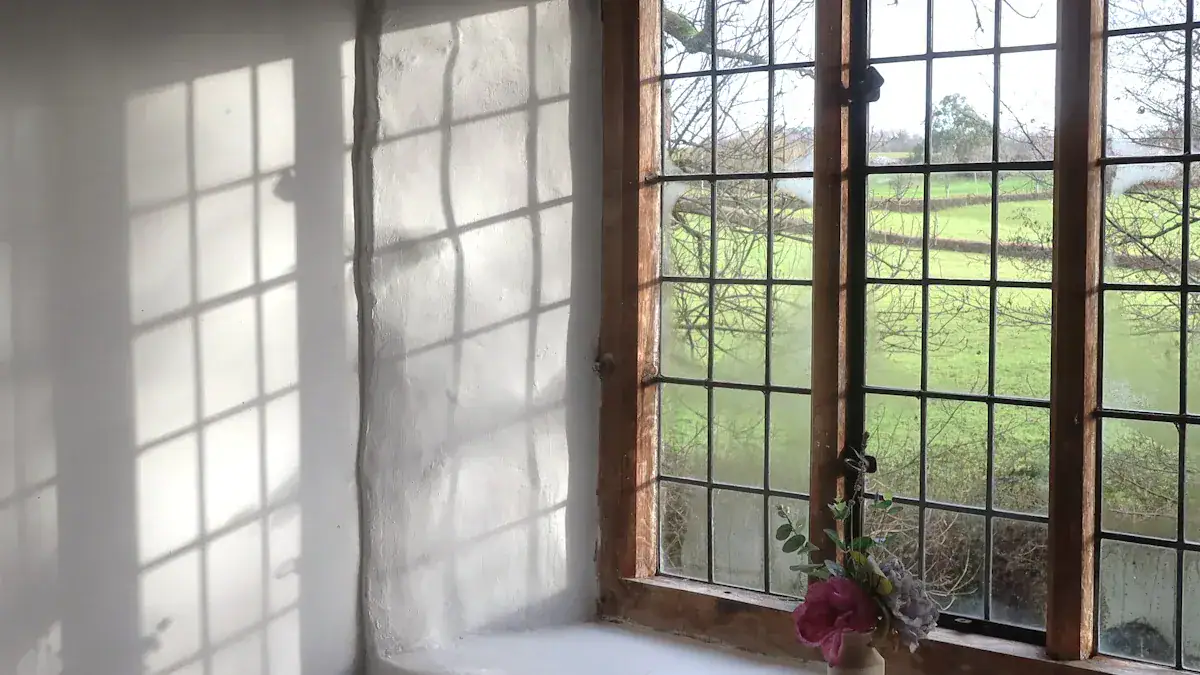
A window sill is the horizontal piece you find at the very bottom of a window opening. You might also hear people call it a “window ledge” or a “window bottom.” Architecturally, a window sill is a key part of the window frame. It sits directly beneath the window unit, whether your home has brick walls or framed walls. This horizontal component offers both support and protection. It also adds to the look of your home, both inside and out. Modern window sills come in many materials, each with its own strengths and style.
Interior and Exterior Sills
You have two main types of window sills: interior and exterior. Each type has a different job.
Interior Window Sills: These are the flat ledges you see inside your home. They support the window structure and help keep your house safe and dry. You can use them as a shelf for plants or decorations. Interior sills are not angled. They sit flat. Common materials for interior sills include wood, granite, marble, PVC, and laminated MDF.
Exterior Window Sills: These sills are on the outside of your home. Their main job is to shed water away from the window and protect the opening from weather. They also add to your home’s appearance. Exterior sills should angle downward, usually around 15 degrees. This angle helps rainwater drip away from your wall, a feature called a drip edge. This prevents water from pooling and causing damage. Materials for exterior sills need to be very durable. You often see stone, metal, concrete, brick, or uPVC used for these.
Here is a quick look at how they differ:
Feature | Interior Window Sills | Exterior Window Sills |
|---|---|---|
Thickness | 20mm (¾ inch) to 30mm (1 ¼ inches) | 20mm to 30mm (2-3 cm), up to 4 cm or more for larger windows |
Overhang | 2-3 cm (¾ to 1 ¼ inch) beyond the wall surface | At least 3-4 cm (1 ¼ to 1 ½ inch) beyond the facade, with a drip edge |
Purpose of Overhang | Creates a neat edge and usable ledge | Ensures rainwater drips clear of the wall, preventing staining and moisture damage |
Key Structural Elements
A window sill does more than just look good. It plays a vital role in the strength and stability of your window and your home.
Structural Reinforcement: A sill beam sits at the base of your window. It makes the wall stronger and more stable. This helps reduce cracks in your masonry and makes your walls last longer. It prevents the walls from slowly breaking down over time.
Load Distribution: Without a sill beam, the weight above the window spreads unevenly. This can cause structural problems and even wall failures. The window sill helps spread small loads evenly, especially in places with strong winds or earthquakes.
Water Protection: The sill protects against water getting into your home. It stops water from seeping in and weakening your walls. A well-designed window sill extends out with a sub-sill angled downward, typically around 18 degrees. This design ensures water flows away from the window sash and casing.
Sealing and Protection: The window sill seals the wall cavity at the bottom of the window. Its overhang also protects the glass from potential damage. Good window design means the window sash sits recessed inside the casing, not flush with it. This creates shadow lines that add character and help protect the window.
Integrating these sill elements greatly improves your building’s durability, safety, and lifespan. They help your home handle daily stress and extreme weather.
Key Window Sill Functions
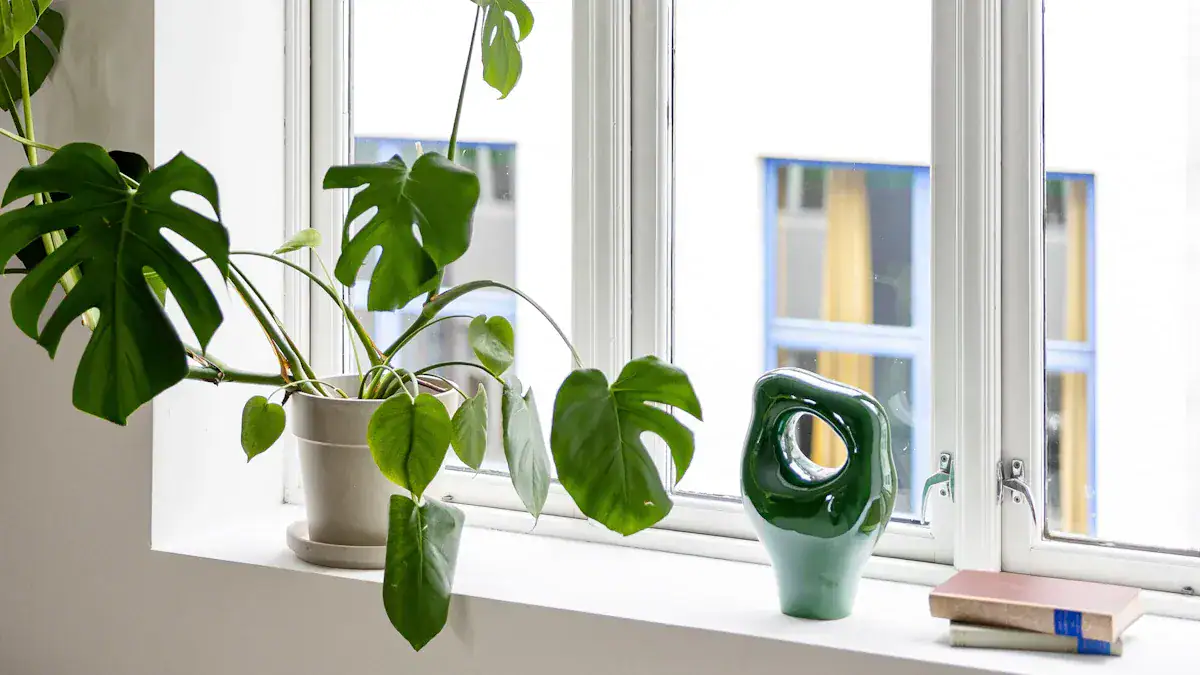
A window sill does much more than just hold your potted plants. It plays several critical roles in your home’s structure, protection, and comfort. Understanding these functions helps you appreciate its importance.
Structural Support
Your window sill provides essential structural support for the entire window unit. It acts as a rigid base, preventing the window frame from flexing or shifting. This support helps maintain the overall structural integrity of your home. A strong sill beam at the bottom of your window makes the wall stronger and more stable. This reduces cracks in masonry walls by absorbing and evenly distributing stress. It also helps your building withstand lateral forces, like strong winds or even earthquakes, enhancing seismic resistance. The window sill also provides a crucial stopping point for the lower rail of the window, securely holding the sash in place when you close the window. This contributes to the overall durability, safety, and longevity of your structure.
Water Diversion
One of the most vital functions of a window sill is to protect your home from water damage. Sills are crucial for directing rainwater away from the building, preventing it from entering your home. Exterior sills have a slight slope, typically around 1/4 inch per foot, or 2%. This shedding design ensures water flows away from the wall. Many sills also include “drips,” which are small grooves on the underside. These drips break the surface tension of water, forcing it to fall clear of the wall rather than clinging to the sill and seeping into the wall assembly. Aluminum window sills, for example, are specifically designed to block rainwater and snow from seeping through the window. They ensure proper water drainage, which protects your building’s foundation and reduces long-term maintenance costs. Without proper water diversion, you risk water infiltration, which can lead to rotted sheathing, framing, moldy insulation, and damaged drywall. This trapped moisture can cause substantial rot in a short amount of time.
Energy Efficiency
Your window sill significantly impacts your home’s energy efficiency. It acts as a barrier, allowing for the installation of thermal insulation to enhance energy performance. Window sills are common areas for thermal bridging and air leakage. If you lack proper insulation and sealing in these areas, you can experience significant heat loss in winter and heat gain in summer. This heat transfer undermines your building’s overall energy efficiency. The connection of window sills with the wall significantly affects the thermal performance of window-to-wall connections.
Proper sealing, using materials like airtight plasterboard tape and Siga airtight membrane, is crucial around windows and sills. This meticulously seals potential weak points in your building’s envelope. The position of the window, including the sill, also substantially impacts minimizing thermal bridging effects in window openings, helping you save on heating and cooling costs.
Aesthetic Contribution
Beyond its practical functions, a window sill adds significant aesthetic appeal to both the interior and exterior of your home. You can use interior window sills for decorative plants, photographs, or other items that add personality to a room. Window sills can artfully accentuate your home’s architectural style, from sleek, clean lines in a minimalist modern design to ornate, detailed moldings in a traditional home. Materials like marble, granite, engineered stone, and Travertine offer lasting qualities and increase property value. For example, you can choose sills cropped tight to the window for a minimalist look, using a contrasting color like Absolute Black Granite to make them “pop.”
Large window sills, especially natural stone resting on the floor, can enhance interior design and create a unique visual element. Stone window sills can match your wall, floor, or cabinet colors, or provide a striking contrast. They beautify interiors for decades, do not fade, and require minimal polishing, making them a timeless addition to your home.
Window Sill Materials
You have many choices for window sill materials. Each material offers different benefits for your home’s look and function. Knowing these differences helps you pick the best option for your window.
Wood Sills
Wood is a classic choice for window sills, especially for interior spaces. You can find woods like oak, maple, mahogany, and beech. These wooden window sills offer a traditional look. You can stain or paint them to match your room’s decor. Wood sills vary in toughness and grain. They add warmth and character to any window. However, wooden window sills need regular maintenance. They can rot or warp if exposed to too much moisture.
Vinyl Sills
Vinyl window sills are a popular and practical option. They are often more budget-friendly than wood or stone. Vinyl is a low-maintenance material. It resists rotting, warping, and corrosion. This makes vinyl sills a good choice for any window.
They also offer good insulation, helping keep heat in during winter and out in summer. This can lower your energy costs. However, vinyl usually has limited color options. Lower-end vinyl might warp in direct sunlight. If a vinyl window sill gets damaged, you often need to replace the whole piece.
Stone and Composite Sills
Stone and composite window sills offer great durability. Natural stones like granite, marble, and slate are very tough. Granite resists scratches well. Marble offers a luxurious look but needs more care. Concrete sills are very durable and resist cracking. Composite sills mix materials like wood fibers or minerals with polymers. This makes them very resistant to moisture and harsh weather. They will not rot or warp. Stone and composite sills have a higher upfront cost. However, they last a long time and need little maintenance. They are excellent for both interior and exterior window applications.
Metal Sills
Metal window sills, often made from aluminum or steel, give a modern look. Aluminum is light and does not rust. Steel is very strong. Manufacturers often powder-coat metal sills for color and to prevent corrosion. Metal sills are very durable.
They are great for exterior window applications where you need strong weather resistance. To keep metal sills looking good, you should clean them regularly. Inspect them for any signs of rust or damage. Address any issues quickly to keep your window protected.
Maintaining and Replacing a Window Sill
Your window sills work hard to protect your home. Knowing how to care for them and when to replace them saves you time and money. You prevent bigger problems by addressing issues early.
Common Sill Problems
You might notice several common issues with your window sills. Mold growth is a significant problem. It can cause damage if you do not address it. Mold often appears as black flecks along the exterior window frame. You might also find visible cracks or chips. These can form from weather or impacts. Cracks allow moisture to get in, leading to wood rot in wooden sills. Marble or vinyl sills might warp or erode. Soft or spongy wood is another clear sign of trouble. This often happens in wooden window sills due to constant moisture. You might also see discolored patches. Peeling paint is more than just a cosmetic issue. It often means moisture has gotten under the surface. This affects the material underneath, especially in wooden and vinyl sills. Gaps in the corners of the frame also indicate a problem.
Essential Maintenance Tips
You can keep your window sills in good shape with regular care. Inspect your sills annually for wear or moisture. Reapply sealant or caulk as needed. Repaint or varnish wooden sills every few years. This prolongs their life. Dust your sills weekly with a microfiber cloth. Deep clean them seasonally using mild detergent and water.
You can prevent mold by wiping away moisture. Ensure your window seals are good. Ventilate rooms well. Regularly inspect for cracks, peeling paint, water damage, and soft spots. A sill that feels soft, cracked, or uneven is an early warning sign that you need repairs. Do not rush preparation when you perform maintenance. Do not neglect proper sealing. Do not skimp on material quality. These are common mistakes to avoid.
When to Consider Replacing a Window Sill
You need to know when to replace a window sill. Look for visible cracks or chips. Water infiltration around the frame, leading to stains or mold, is a clear sign. Loose mortar joints beneath the sill also indicate a problem.
Discoloration or erosion suggests waterproofing has failed. Soft or crumbling edges, especially in old concrete sills, mean you need to act. If the wood gives easily when you press it, it indicates rot. Deeper holes often mean damage beyond surface cracks. Peeling paint or a bubbling finish are visual cues that moisture is trapped. Mold or mildew smells near the window indicate moisture behind the wall. Visible rot or discoloration, like black, gray, or green spots, suggests water damage. If your window does not sit properly in its frame, a sagging or deteriorating window sill is likely the cause. This can make the window shift or tilt.
A deteriorating window sill can cause serious issues. It can misalign your window, making it hard to open or close. This creates gaps, allowing air and moisture to seep in. This weakens the surrounding framing and drywall.
Water can travel into wall cavities, damaging insulation and growing mold. A weakened sill is a load-bearing surface. It can compromise the entire window structure. This poses a risk of bigger structural damage to your home. Moisture-damaged sills are also breeding grounds for mold. This is a health hazard and costly to fix. Replacing a window sill promptly protects your home. It is a crucial diy project for home health.
You now understand that a window sill is more than just a ledge. It is a vital component of your window, providing structural support and protecting your home from water. This part of your window also boosts energy efficiency and adds to your home’s look. Every window benefits from a well-maintained sill. Regularly inspect and maintain your window sill. This ensures the long-term health of your window and your entire home.