

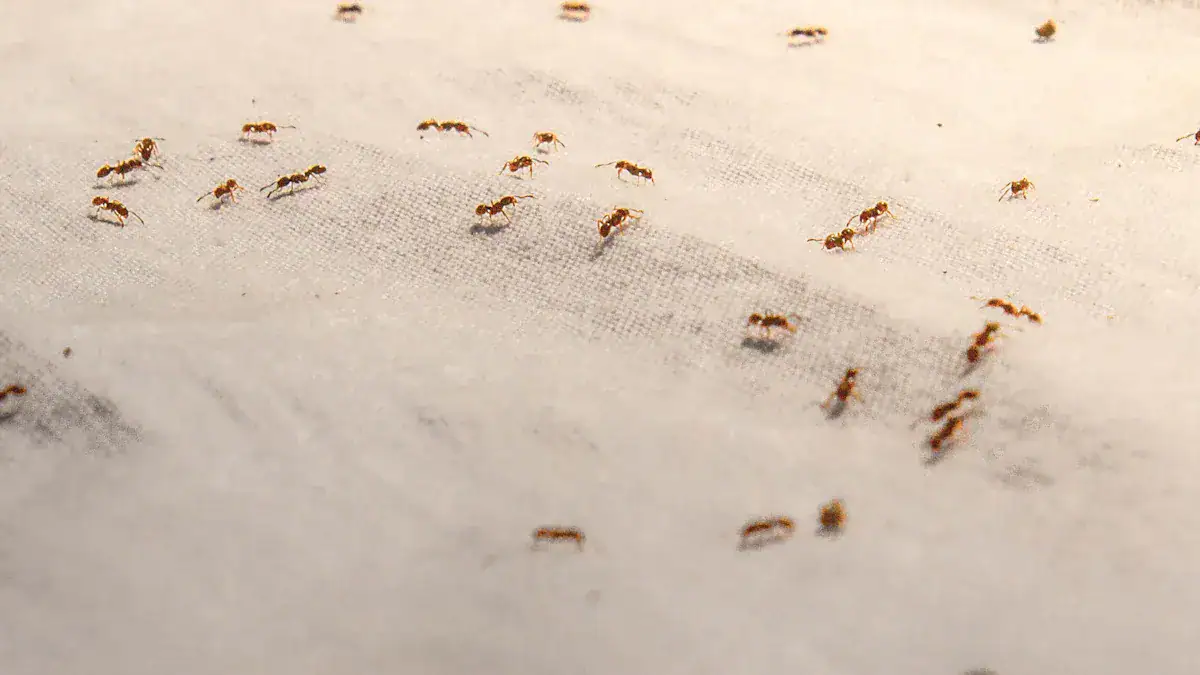
Finding ants marching across your kitchen counter is a common household problem. It is frustrating to see these tiny invaders in your home. These ants are simply looking for basic necessities: food, water, and shelter. Approximately 50% of American households encounter an ant problem each year. This makes ants the most prevalent pest in the United States. This blog will explain why ants invade your home. You will learn effective pest control tips for removal and prevention of these ants. You can keep your home free from this annoying pest.
Key Takeaways
Ants enter your home for food, water, and shelter. They find these through small cracks and openings.
Look for ant trails, consistent sightings, or sounds in walls. These signs help you find ant nests.
You can use DIY methods like boric acid, vinegar, or diatomaceous earth to remove ants. Terro liquid ant bait is also very effective.
Seal all entry points with caulk or foam. This stops ants from coming inside your home.
Keep your home clean and store food in sealed containers. This prevents future ant problems.
Why Ants Invade Your Home

Food, Water, and Shelter
Ants are not invading your home to annoy you. They are simply looking for basic necessities. You will find ants in your home because they need food, water, and shelter. Ants have a strong sense of smell. This helps them find food sources from far away. They are attracted to many different foods. You might leave crumbs, spills, or sugary foods like candy, juice, cakes, and fruits. Ants also love honey, maple syrup, and spilled soda. Some ants, like grease ants, prefer proteins. They will eat meat, dairy products, and grease. Pet food, both kibble and wet, also attracts them. Other ants, such as the smelly house ant, like fruits and vegetables. Ants are opportunistic. They will eat almost anything you leave out, including leftovers and trash. This includes food residue in containers, greasy wrappers, and even organic waste.
Water is also vital for ants to survive. You will often see them seeking moisture, especially when the weather is dry. Leaky pipes, dripping faucets, and condensation are common attractants. You might find them in your kitchen sink basins or dish racks. Bathrooms are also popular spots due to high humidity. Look near showers, toilets, and under sinks. Laundry rooms, basements, and crawl spaces with poor drainage also provide moisture and water sources. Even your pet’s water bowl can attract ants.
Ants also seek shelter from harsh weather. They need protection from heavy rain or hot, dry conditions. They find refuge inside your home through small cracks and gaps. They can hide under floors, in insulation, or within wooden structures. Carpenter ants, for example, nest in damp and decaying wood. Wall voids, electrical lines, and unsealed gaps around pipes and vents also offer shelter. Once an ant finds these resources, it leaves a pheromone trail. This trail guides other ants to the location. A few ants can quickly become a full infestation.
Common Entry Points
Ants use many ways to get inside your home. You might wonder how they find these paths. They use tiny openings you might not even notice. Common entry points include spaces around doors and windows. Cracks in your foundation or siding also provide easy access. Ants can follow cable wires, water lines, and gas lines directly into your house. Broken tiles at the base of shaker-type siding also create openings.
Drafts and openings in your walls and foundation also attract ants. These openings allow hot air to escape your home. Ants, like other pests, detect this warm air moving outdoors. They follow it right into your house. They are always looking for opportunities to enter. They use any crack, gap, or opening that leads inside. You must be aware of these entry points to keep ants from invading your home.
Identifying Ant Infestations
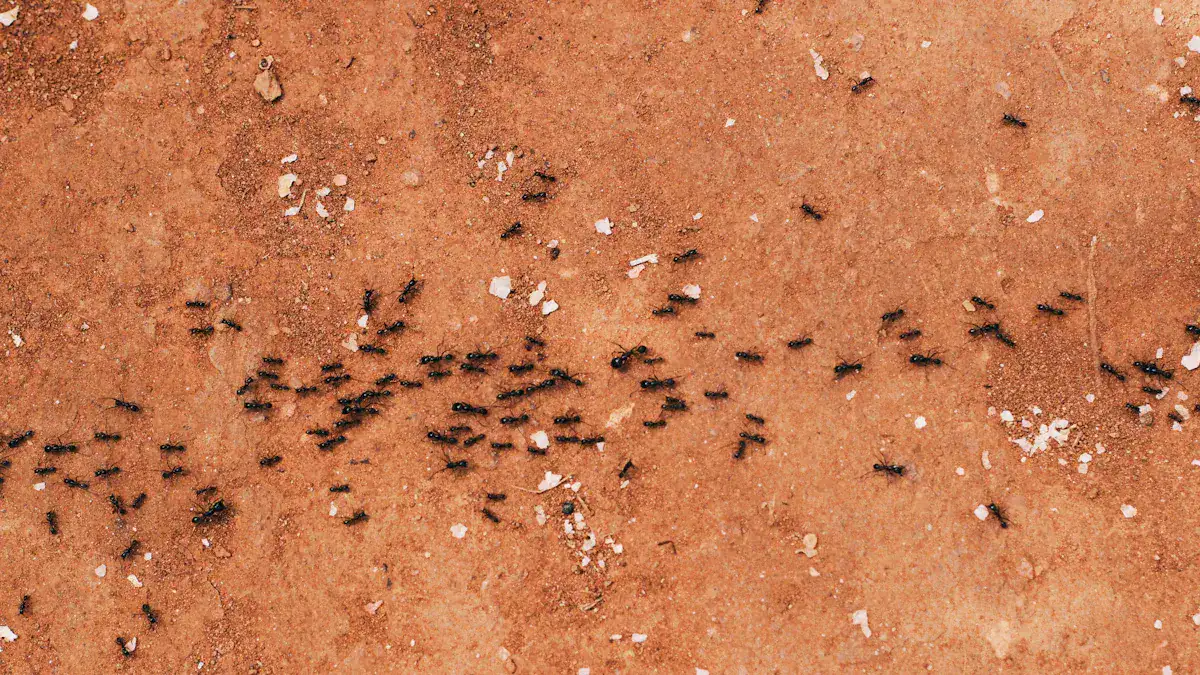
You need to know how to recognize an ant problem. Catching an ant infestation early helps you solve it faster. Look for specific clues around your home.
Signs of Ant Activity
You will see several common signs of ant problems if ants have invaded your home.
Consistent Sightings: You see ants every day. Many ants form trails to food sources. They appear in many areas. This means you have an ant infestation, not just a few scout ants.
Ant Pathways: You will see steady trails of ants. They often follow pheromone trails. These trails lead into or out of your home. They also lead to food sources. This shows an active colony.
Sounds in Walls: Listen closely to your walls or floors. You might hear insect activity. This means a colony lives inside.
Signs in Walls: You may hear rustling sounds. You might see small piles of dirt or wood shavings. Ants enter or exit through tiny gaps. These are signs of ants nesting inside walls. Look for activity near electrical outlets and baseboards. This can point to an internal colony.
Carpenter Ants: These ants hollow out wood for nesting. They do not eat the wood. You will see piles of sawdust or wood shavings. Carpenter ants often nest in wall voids, window sills, or wooden parts of your home.
Here are some common household ant species and their characteristics:
Ant Species | Size (inches) | Color | Nesting Habits | Unique Behaviors |
|---|---|---|---|---|
Odorous House Ant | 1/16 | Dark brown to black | Wall voids | Emits rotten coconut smell when crushed |
Carpenter Ant | Up to 1/2 | Black or red-black | Damp wood | Can damage structures |
Pavement Ant | 1/8 | Dark brown to black | Soil under sidewalks and foundations | N/A |
Pharaoh Ant | 1/16 | Yellow to light brown | Wall voids, appliances, furniture joints | Forms multiple nests, hundreds in a single building |
Red Imported Fire Ant | 1/16 – 3/16 | Reddish-brown | Outdoor mounds with no visible entrance holes | Aggressive, painful sting |
Locating Nests and Trails
You can find where ants live. This helps you get rid of the pest.
Follow Ant Trails: Watch where the ants go. They move to and from their nest. This helps you find their entry point into your home. Then, trace their path back to the nest. Nests are usually in warm, moist places.
Use Bait to Track Ants: Place ant bait where you see ants. Watch the direction they carry the bait. This helps you follow them directly back to their colony.
Look for Excavated Soil: Ground-nesting ants leave small piles of soil. These piles look like tiny volcanoes outside nest entrances. This shows an active nest.
Identify Indoor Nest Evidence: Ants nesting inside walls or damaged wood leave small piles of drywall or sawdust. Look for these near nest entrances.
How to Get Rid of Ants: Effective Pest Control Tips
You can take several steps to remove ants from your home. These pest control tips range from simple DIY remedies to more targeted solutions. You can effectively manage an ant problem with the right approach.
DIY Ant Removal Methods
You have many options for how to get rid of ants using items you might already have. These DIY remedies can be very effective.
Boric Acid: This is a powerful ant killer. You can mix boric acid with sugar and water. Soak cotton pads in this mixture. Place these pads near ant entry points. Ants will carry the bait back to their colony. This can eliminate worker ants and the queen within three weeks. Always use caution with boric acid around children and pets.
Vinegar Solutions: White vinegar is a great natural deterrent. Mix one part white vinegar with one part water. Pour this solution over ant trails. The strong smell repels ants. This offers a long-term solution. You can also make a spray. Add a few drops of essential oils like neem, tea tree, or cayenne pepper to the vinegar mixture. Spray this on window ledges, countertops, and doorways daily. This helps keep ants away.
Diatomaceous Earth (DE): This natural, non-toxic powder comes from fossilized algae. Sprinkle it around ant-infested areas. You can also put it near entry points like baseboards and window sills. DE kills ants by dehydrating them.
Borax and Sugar Mix: Many people find success with a borax and sugar mix. A user named @BugBuster88 created a paste with equal parts borax and sugar and a bit of water. This mixture attracts and kills ants. Another user, @AntQueen22, found honey more appealing to ants than sugar in a similar borax mixture. She said it “worked wonders.” This mixture acts as a slow-acting poison. Ants carry it back to the colony. This eventually kills the queen. Kristi shared that this method takes a couple of weeks but “really works.”
Lemon Juice: Mix one part lemon juice with three parts water. Spray this around entry points. The lemon scent masks ant trails. This deters them from entering. A commenter named Teresa confirmed its effectiveness.
Cinnamon: Ground cinnamon or cinnamon essential oil can suffocate ants. It also acts as an effective repellent. Users Shayla, Peggy, Letia, and Patricia shared positive experiences. They used ground cinnamon or cinnamon oil to deter ants.
Peppermint Essential Oil: Mix 20 drops of peppermint essential oil with 2 cups of water. Spray this around windows and doors. This acts as a deterrent. Heather noted her mother-in-law’s success with this method. Julie suggested using Dr. Bonner’s liquid soap with a mint aroma mixed with water as a spray.
For a highly effective solution, consider using ant bait. Terro liquid ant bait is a popular choice. Many users praise its effectiveness. Eric T stated, “This shit kills ants better than anything i’ve tried. Ants eat it like candy and die like a mufaga.” Another user, Sandied, described hundreds of ants swarming the traps. Then they were “GONE!” the next morning. She concluded, “Could it be this easy and this effective? I don’t think I’ve ever been so happy with a product!!!”
TERRO® Liquid Ant Baits attract foraging ants. These ants take the bait back to the nest. The active ingredient, Borax, slowly interferes with the ant’s digestive system. This kills the ant. It also allows time for the ant to share the dose with the rest of the colony. This slow kill and the communal nature of ant colonies allow the bait to spread. It reaches hundreds, if not thousands, of individual ants. This ultimately kills both visible and unseen ants. Complete control may take up to two weeks. Wirecutter’s own tests found Terro Liquid Ant Baits to be the most effective option. Doug Mahoney’s observations clearly showed its superiority. Texas A&M’s Puckett also hears about Terro “all the time.” He states, “From what I understand, it’s excellent and people really rely on it.”
Sealing Entry Points
Sealing entry points is a crucial step in any effective pest control tips strategy. You must block the ways ants enter your home.
Caulk: This is ideal for small gaps and cracks. Use it around windows, doors, and baseboards. Caulk creates a tight seal against ants and other insects. Waterproof caulk works best in areas with moisture. Silicone caulk is durable for both indoor and outdoor use. It forms a tight seal. This keeps out pests like ants, spiders, and beetles. It is useful for sealing gaps around window frames, door thresholds, baseboards, utility line entry points, and foundation cracks.
Foam Sealants: These work best for larger gaps. They expand to fill voids. This creates an effective barrier. Foam sealants are especially useful around pipes entering your home.
Weatherstripping: Use weatherstripping for movable parts. This includes doors and windows. It ensures a tight fit. This prevents ant entry. Choose durable, weather-resistant types.
Sealing entry points offers many long-term benefits. It prevents infestations. This stops pests before they can enter and establish colonies. This makes your living environment more pleasant. It also reduces the stress of large infestations. You will also reduce the need for ongoing treatments. Blocking entry points significantly lowers the need for continuous pest control treatments. This means fewer chemical treatments or emergency pest control visits. This leads to cost savings over time. Fewer infestations mean fewer emergency visits or repeat treatments. This saves you money in the long run. A sealed building establishes a primary defense line. This is part of an integrated pest management (IPM) strategy. Sealing gaps and cracks also improves energy efficiency. It prevents cool air from escaping in summer and warm air in winter. This lowers your heating and cooling bills.
Preventing Future Ant Infestations
You can keep your home free from ant infestations. Focus on long-term prevention strategies. These methods combine cleanliness, sealing entry points, and maintaining your yard. This multi-pronged approach helps prevent future ant problems.
Home Maintenance for Prevention
Maintaining a clean home is your first defense against ants. Regularly clean your kitchen and dining areas. Wipe counters and sweep floors daily. This removes food debris. Store all food in airtight containers. Keep ripe fruits in the refrigerator. Promptly clean up spills. Ensure your trash cans have tight-fitting lids. Empty them often. This cuts off the ants’ food supply. Ants are highly organized. One ant finding food can lead the entire colony to it. Airtight containers are crucial. This is especially true for open pet food containers. These can attract many ants. Proper food storage is a critical defense. It prevents pests from accessing food. It also minimizes odors that attract them.
Inspect and seal cracks, crevices, and gaps around your home. Use caulk, weatherstripping, or expanding foam. Check around windows, doors, pipes, vents, and electrical outlets. Regularly maintain window screens and door sweeps. Conduct ongoing inspections and repairs. This identifies and addresses potential entry points and nesting sites. Perform seasonal checks for cracks and gaps. Clean your gutters. Educate everyone in your home. They need to understand the importance of clean food areas. They also need to know about proper food storage.
Outdoor Ant Deterrents
Outdoor conditions often attract ants to your property. Ants need water to survive. Eliminate all sources of standing water. Fix leaky faucets and dripping pipes. Ensure proper drainage around your property. This avoids water accumulation. Organic debris like fallen leaves provides nesting materials. Mulch beds offer shelter and moisture. Sap and nectar from trees and flowers are sugar sources. Leaky spigots and irrigation provide water. Compost bins and food scraps also attract ants.
Trim trees and shrubs away from your house. This prevents ants from using them as bridges. Keep mulch and garden beds at least one foot from your foundation. Inspect and maintain outdoor structures. Consider applying granular insecticide around your home’s perimeter. Store firewood away from the house. This removes potential nesting sites. Keep potted plants clean. Ensure they are free of sap-sucking aphids. Aphids produce honeydew, which ants harvest. You can use ant sprays for spot treatment. Ant baits trick worker ants. They carry poisoned treats back to the colony. This eliminates the queen and other ants. Diatomaceous earth (DE) is a non-toxic powder. It dehydrates ants on contact. Sprinkle it along trails and around mounds. These preventative measures are effective ways to keep ants away.
Ants invade your home seeking food, water, and shelter. Effective ant control requires a multi-faceted approach. You can use DIY pest control tips for minor issues. For severe infestations, consider professional ant control. They identify the specific ants and assess the pest problem. Professionals apply tailored treatments and offer follow-up. Ongoing vigilance and preventative measures are key. These steps ensure a long-term ant-free home. You can successfully manage these pests.
FAQ
How do I know if my ant problem is serious?
You have a serious problem if you see ants daily. Large trails of ants indicate an active colony. Hearing rustling sounds in your walls also suggests a significant infestation. These signs mean you need to act quickly.
Are natural ant repellents safe for my family and pets?
Many natural repellents are safe. For example, vinegar, lemon juice, and peppermint oil are generally harmless. Always use caution with boric acid or diatomaceous earth. Keep these away from direct contact with children and pets.
When should I contact a professional pest control service?
You should call a professional if DIY methods fail. If you see many ants or suspect a large colony, professionals can help. They identify specific ant species. They also apply targeted treatments. This ensures effective removal.
Can ants damage my home’s structure?
Most common ants do not damage your home’s structure. However, carpenter ants are different. They tunnel through wood to build nests. This can weaken wooden structures over time. You should address carpenter ant infestations immediately.