

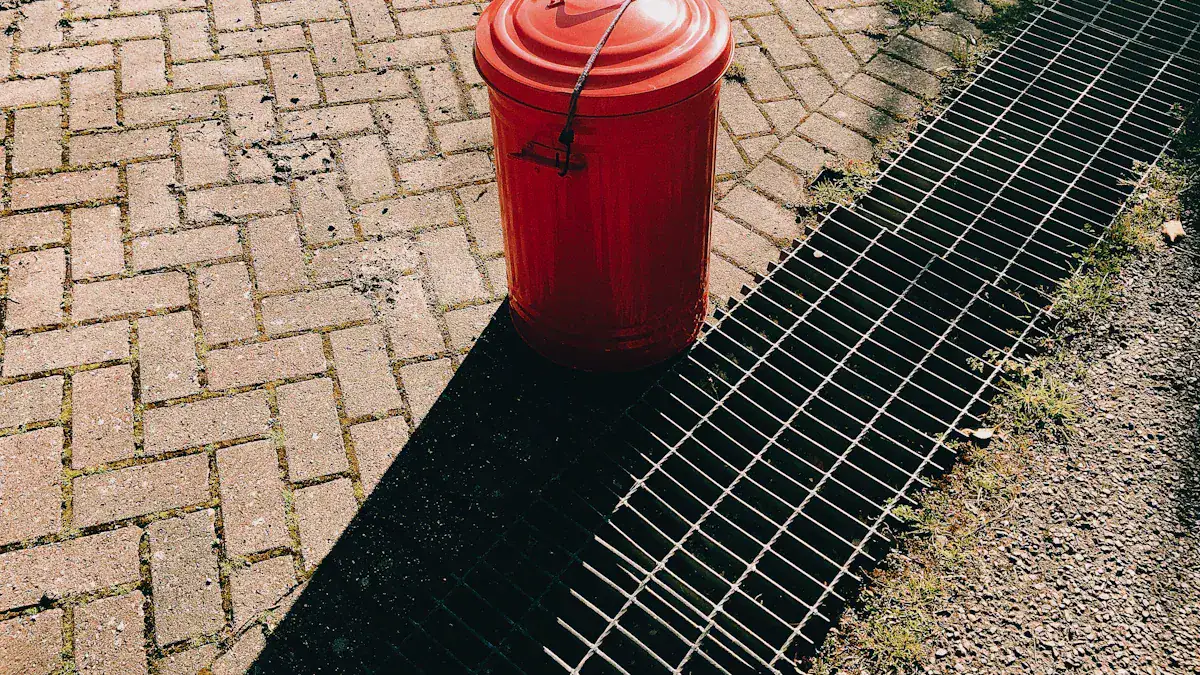
Standing water in your yard causes significant problems. It leads to mold growth and attracts pests like mosquitoes, which carry diseases. This water also damages your landscape and threatens your home’s structural integrity, compromising foundation protection. You need effective drainage. Yard drains provide the effective removal of water. They are essential components of a robust drainage system. This blog explores three main types of drainage systems: Surface, French, and Trench drains. You will understand these types of yard drains better.
Key Takeaways
Surface drains collect water from the ground’s top layer, preventing puddles on patios and driveways.
French drains remove water from wet soil using an underground pipe and gravel, keeping basements dry.
Trench drains are long channels with grates that quickly move large amounts of surface water away from areas like pools.
Choosing the right drain depends on your yard’s specific water problem, like surface pooling or soggy soil.
Proper yard drainage protects your home’s foundation and reduces mosquito problems by removing standing water.
Understanding Surface Drains
What is a Surface Drain
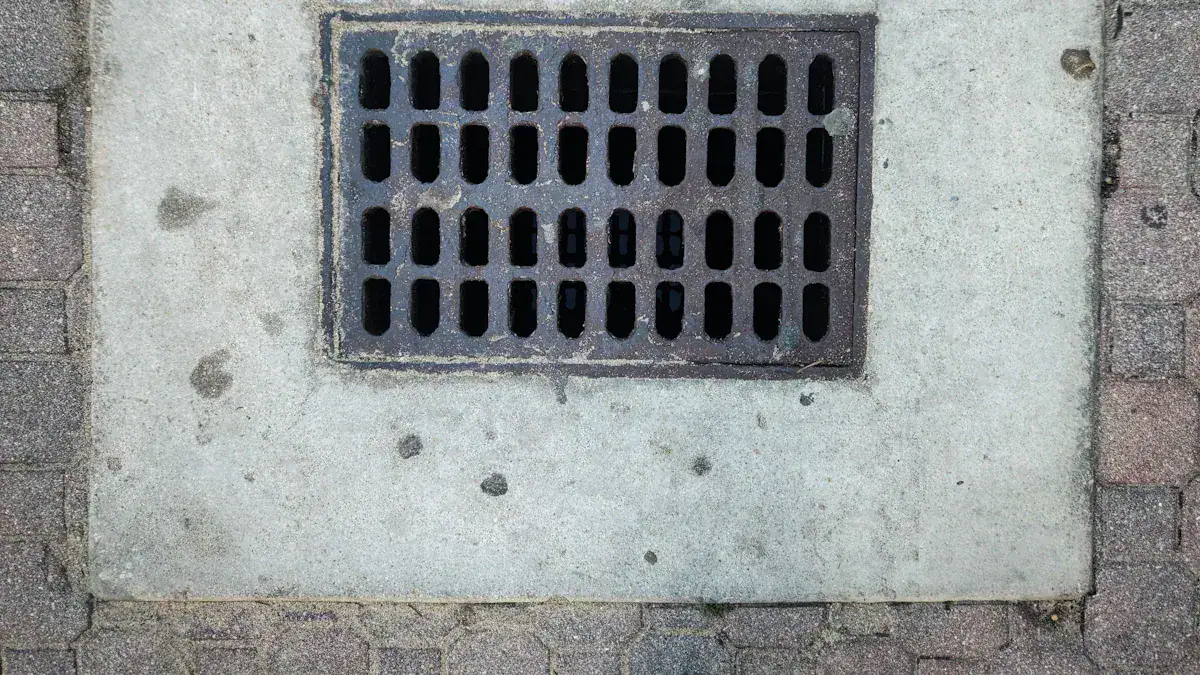
A surface drain is a crucial part of your property’s drainage system. You use surface drains to collect and remove excess water from the ground’s surface. These drainage systems often include catch basins with grates. They are typically buried. However, their grates remain visible at ground level. They effectively manage surface water drains buildup. These surface water drains prevent pooling. Key components include drainage channels and grates. Drainage channels move water. They come in materials like concrete, polymer concrete, steel, and plastic. Grates cover these channels. They protect the system from blockages.
How Surface Drains Work
Surface drains work by capturing water directly where it pools. Water flows into the visible grates. It then enters a catch basin or a channel. From there, the water moves through pipes. These pipes direct the water away from your yard. This process quickly removes standing water. It prevents water from soaking into the ground where you do not want it.
Appearance of Surface Drains
You will primarily see the grates and catch basin covers of surface drains. These grates come in various designs. They can blend with your outdoor decor. Common materials for catch basins include styrene, polypropylene, and HDPE. Grates are often made from cast iron, galvanized steel, or plastic. These materials ensure durability. They also allow for aesthetic integration into your landscape.
Applications for Surface Drains
You can install surface drains in many areas. They are ideal for patios, driveways, and walkways. You also use them in any area where water tends to collect. They are excellent for quickly clearing large areas of water. This makes them perfect for preventing puddles after heavy rain. They are a practical drainage solution for many outdoor spaces.
Benefits of Surface Drains
Surface drains offer many advantages. They prevent flooding in your yard. This protects your home’s foundation from water damage. A good drainage system reduces maintenance for your yard. You will spend less time dealing with soggy spots. Installation of surface drains is often easy. It causes minimal disruption to your landscape. They also offer aesthetic options. You can choose designs that match your outdoor style.
Exploring French Drains
What is a French Drain
A French drain is a simple, effective solution for managing subsurface water. You use this low-cost option to redirect water away from areas where it collects. A traditional French drain consists of a trench housing a perforated pipe. You then fill the trench with gravel or rock. This design allows water to seep into the pipe and flow away. This is one of the most common types of french drains.
Essential components of a French drain system include:
Perforated Pipe: This pipe, often PVC or corrugated plastic, collects and transports water.
Gravel or Aggregate: This layer surrounds the pipe, filtering water and preventing clogging.
Geotextile Fabric (Optional): This fabric lines the trench. It prevents soil particles from entering the drainage system.
You will find different types of perforated pipes. Corrugated pipes are flexible. PVC pipes are rigid. Slotted pipes have elongated slots. Dual-wall pipes offer protection. These are all common types of french drains.
How French Drains Work
French drains work by creating a path for water. Groundwater seeps into the gravel-filled trench. Water then enters the perforated pipe. The pipe carries the water downhill. It directs the water to a suitable discharge point. This efficient drainage system helps protect your property.
Appearance of French Drains
You will find French drains blend seamlessly into your landscape. Once installed, you typically see only a strip of gravel or decorative rock. You can choose gravel colors. Some people even plant ground cover. This makes the drainage system virtually invisible.
Applications for French Drains
French drains are highly versatile. You can use them in many situations. They are excellent for eliminating pooling water. They also keep basements and crawlspaces dry. These are crucial applications for these types of french drains.
Consider these key applications for your drainage needs:
Yard Drainage Issues: Fix soggy patches and prevent soil erosion.
Basement Waterproofing: Prevent water seepage around your foundation.
Sloped Landscapes: Intercept water runoff, preventing erosion.
Along Foundation Perimeters: Prevent water from entering basements.
These are just some of the many types of french drains you can implement. They form effective drainage systems.
Benefits of French Drains
French drains offer many benefits. They prevent standing water. This stops puddles and associated problems like foundation damage. You can often install a traditional French drain yourself. Installation is relatively fast. French drains are also aesthetically pleasing. They blend seamlessly into your landscape. They provide excellent erosion control. This protects topsoil. This drainage system effectively manages water. It prevents damage to foundations or landscaping. They are adaptable and affordable. Once installed, they are virtually invisible. They offer a durable, long-term drainage solution. These are effective types of french drains for many homes. A well-planned traditional French drain provides lasting relief from water issues. These are among the most reliable drainage systems available.
Delving into Trench Drains
What is a Trench Drain
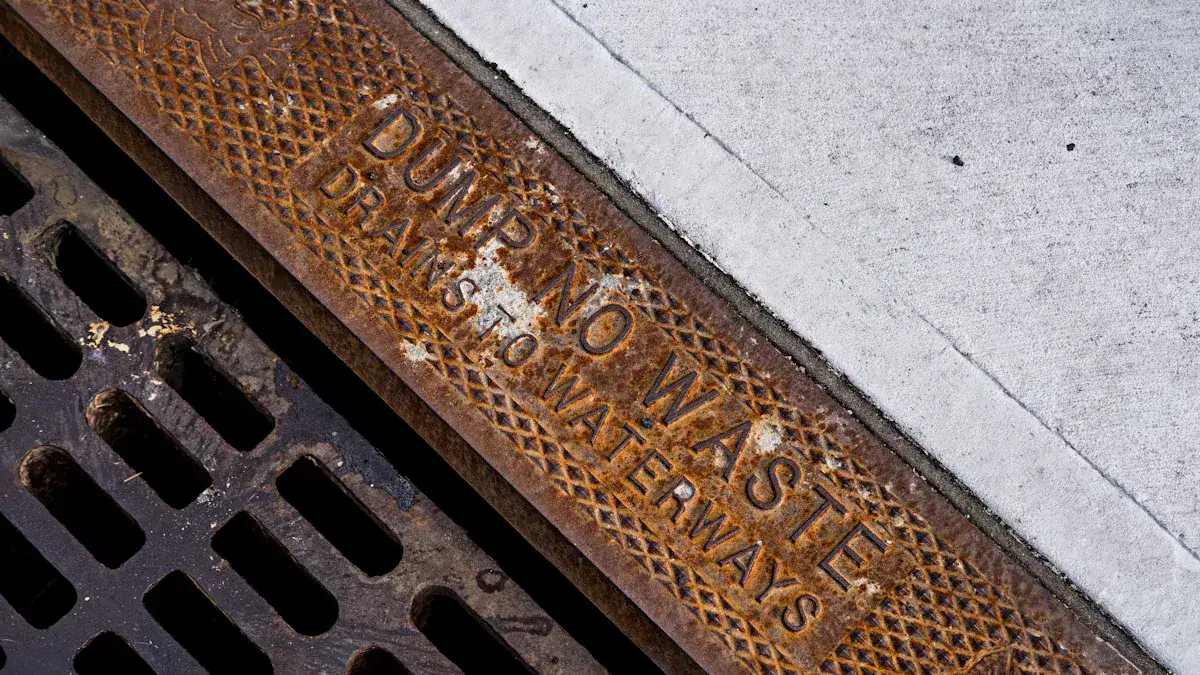
A trench drain is a linear surface drainage system. It removes excess water from an area. Its main job is to quickly get rid of surface water. This prevents water from becoming a safety problem. It also stops damage to structures like building foundations, driveways, or even plants. You see these trench drains on the surface. They have an above-ground grate.
How Trench Drains Work
Trench drains work by capturing water directly. Water flows into the long, narrow channel. The channel then directs the water away. This quick removal prevents pooling. It keeps large areas dry. This drainage system is very efficient.
Appearance of Trench Drains
You will notice the grates of trench drains. They are long and narrow. These grates cover the channel below. Common materials for trench drain channels include fiberglass, polymer concrete, and High Density Polyethylene (HDPE). For grates, you often see galvanized steel, ductile iron, or stainless steel. Other grate materials include brass, chrome, and PVC. Reinforced nylon and cast iron are also used. High-performance concrete (FILCOTEN) and HDPE are additional channel materials.
Applications for Trench Drains
You can use trench drains in many places. They are great for preventing water pooling on surfaces. Think about areas near inground pools, fountains, or ponds. They are also good where a garage is lower than a water-collecting area. Channel drains are cost-effective and discrete. You often install them in paved spots or at the edge of walkways. Traditional trench drains are common for yards. They handle high runoff and control debris. Radius trench drains work well for curved areas. These include around pools or curved walkways. Utility trenches protect underground cables.
Benefits of Trench Drains
Trench drains offer many benefits. They reduce swamping. They quickly collect and move large amounts of water. This stops muddy conditions in yards and driveways. They also prevent soil erosion. By moving runoff, trench drains slow water flow. This keeps soil in place. These drainage systems maintain structural integrity. They stop water from building up around foundations. This keeps soil dry and stable. It prevents shifting or cracking of structures. Trench drains also help prevent chemical spillage. They capture spills and send them to containment systems.
Comparing Types of Yard Drains
You have learned about surface, French, and trench drains. Now, you will see how they compare. You will understand when to use each one. This helps you pick the best solution for your yard.
Surface vs. French Drains
You might wonder about the differences between surface drains and French drains. They both manage water, but they do it in very different ways. Surface drains handle water that sits on top of the ground. French drains deal with water that soaks into the soil.
Consider these key differences:
Feature | Surface Drains (e.g., Trench Drains) | French Drains |
|---|---|---|
Water Type | Rainwater, heavy rain | Groundwater, water saturating the soil |
Purpose | Drain large volumes of water quickly | Deal with subsurface water issues |
Visibility | Often visible (grates) | Subsurface, discreetly below ground level |
Mechanism | Convey water over surfaces | Collects water through gravel and perforated pipes underground |
A French drain is a subsurface drainage strategy. It works below ground. It handles groundwater and hydrostatic pressure. It features a gravel-filled trench. A perforated pipe wrapped in fabric sits inside this trench. This setup filters water underground.
On the other hand, a surface drain, like a trench drain, involves open ditches or pipes. These remove surface water directly. They are above-ground configurations. You often see them with grates. They divert surface water away from harmful areas. These are distinct types of drainage systems. You choose them based on where your water problem lies.
French vs. Trench Drains
French drains and trench drains both help with water. However, they serve different purposes and have different maintenance needs. You use a French drain to remove water from soil that is too wet. It is an optimal solution for oversaturated soil.
French drains require regular cleaning. You need to prevent clogging from leaves, dirt, and roots. The gravel and fabric can become saturated. They become less effective over time. You might need to replace or rejuvenate them. You must inspect them for proper water flow and blockages.
Trench drains are generally easier to maintain. They have an open grate system. You can easily remove debris from the surface. You can also lift the grates to clean them. Regular flushing with water helps clear out sediment. The smooth channel design means fewer internal blockages compared to French drains. These different types of drainage systems offer varied maintenance experiences.
Surface vs. Trench Drains
Surface drains and trench drains are both excellent for removing water from the ground’s surface. They are crucial for managing water runoff. They prevent standing water, especially during heavy rainfall.
Trench drains are a vital part of surface drainage systems. They are long, narrow channels. You install them flush with the ground. They collect water over a larger area. They are very effective along driveways, patios, and walkways. They capture runoff and channel it away. This prevents water accumulation.
Trench drains are designed for rapid water collection. They redirect water quickly. They act as the first line of defense against surface water. They efficiently capture surface water with grated coverings. This prevents buildup and potential flooding. They excel at managing large volumes of water quickly. They direct stormwater swiftly to catch basins or storm sewers. Their robust design helps them withstand demanding environments. They effectively handle water flow in commercial areas, parking lots, and city streets. Trench drains are engineered for the rapid diversion of surface water. This is crucial for preventing flooding and maintaining safety.
When you think about aesthetics, trench drains offer flexibility. You can design them to complement your existing landscape. Various grate designs and materials are available. They fit different styles. You can choose subtle, barely noticeable drains. Or, you can pick ones that serve as visual design elements. Modern trench drains integrate seamlessly into landscape designs. The diverse grate styles and materials ensure your drainage solution enhances your outdoor aesthetic. These types of drainage systems offer both function and form.
Choosing the Right Drainage Solution
Choosing the right drainage solution depends on your specific yard conditions. You need to assess your unique landscape characteristics. Every yard has specific needs. Factors like soil type, property slope, and local climate influence the design of your drainage system.
The ground’s ability to absorb water depends on the soil type. Sandy soils handle more water. Clay soils lead to puddling and runoff. This means you need different watering approaches. Sloped terrain also causes drainage problems. You can address this by creating barriers. Or, you can adjust watering schedules based on the slope’s steepness and the soil’s absorption rate.
French drains are ideal for managing groundwater. They prevent issues with foundations. They are particularly well-suited for properties with poor soil drainage. This is especially true in areas with clay soil. Clay soil expands and contracts with moisture. This movement can put pressure on foundations. French drains work beneath the ground. They draw away excess water. This helps mitigate damage. They are the optimal solution for removing water from oversaturated soil.
For minor surface problems, you might handle it yourself. For complex issues, like French drains or extensive regrading, professional expertise is required. Modern drainage systems should also consider environmental factors. Think about sustainable practices and water conservation. Rainwater harvesting and native plants can help manage water effectively. This supports ecological health. You must carefully consider these types of yard drains to find the best fit.
You now understand the distinct functions of surface, French, and trench drains. Each type addresses specific water issues. Selecting the right drainage solution is crucial for your yard. Carefully assess your unique needs. For complex problems, professional consultation is wise. A new drainage system typically costs $1,500 to $8,000. French drains range from $10–$50 per linear foot. Trench drains cost $30–$100 per linear foot. These types of drainage systems are an important investment in effective drainage. Consider these types of yard drains carefully.
FAQ
Can I install a yard drain myself?
You can install some simple surface drains yourself. However, French drains and complex trench drain systems often need professional help. They require careful planning and proper installation to work correctly. Consider your skill level and the project’s complexity.
How often should I clean my yard drains?
You should clean your yard drains at least once a year. Clean them more often if you notice slow drainage or heavy debris. Regular cleaning prevents clogs. It keeps your drainage system working well. This protects your property from water damage.
Which drain is best for a soggy lawn?
A French drain is often best for a soggy lawn. It targets subsurface water. This drain removes excess moisture from the soil. It helps dry out your lawn. This prevents standing water and improves soil health.
Do yard drains help with mosquito problems?
Yes, yard drains help reduce mosquito problems. Mosquitoes breed in standing water. By removing puddles and soggy areas, drains eliminate their breeding grounds. This significantly reduces the mosquito population in your yard. 🦟