

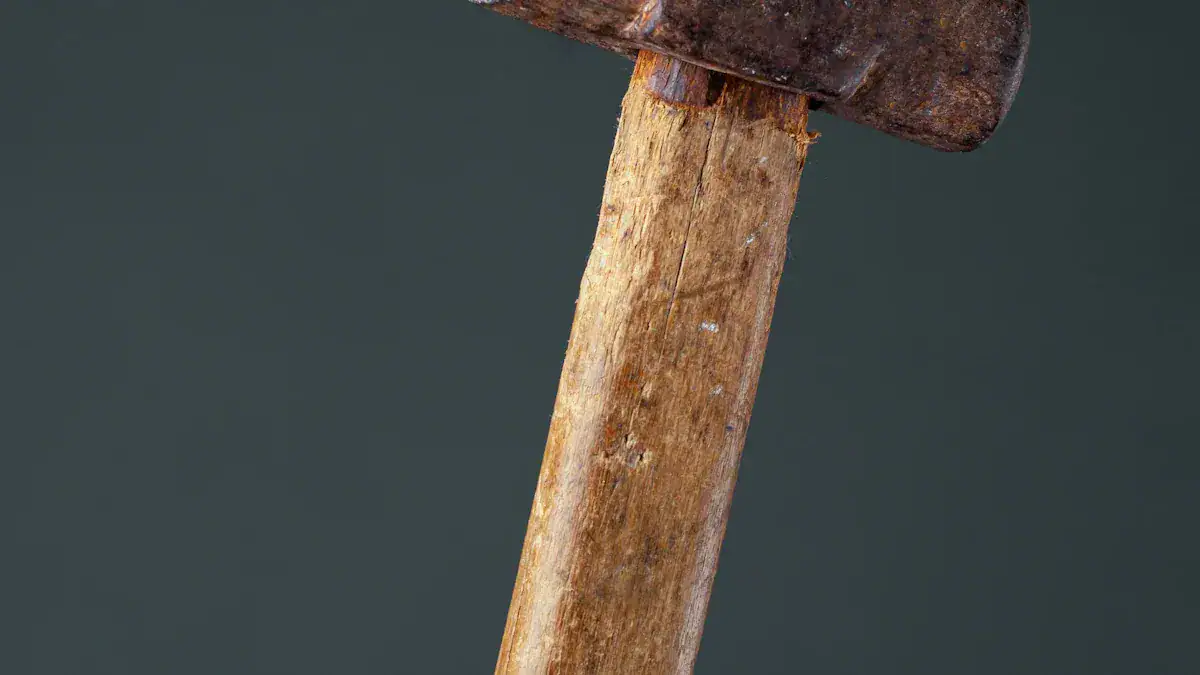
A hammer is a fundamental tool. It delivers impact force for tasks. Selecting the correct hammer ensures efficiency, safety, and optimal results. Many different types of hammers exist, each with specific uses. This guide explores three basic hammers. Claw hammers are common tools for driving and removing nails. A sledge hammer provides power for demolition. Sledgehammers are crucial for heavy work; a sledgehammer often breaks tough materials. Ball peen hammers are best for metalworking, with a ball peen hammer being a prime example. Understanding these different types of hammers and their uses is key. Knowing each type of hammer helps users choose the right tool.
Key Takeaways
Claw hammers drive and remove nails. They are good for general carpentry and home repairs.
Sledgehammers deliver strong blows. They are best for demolition and breaking hard materials.
Ball-peen hammers shape metal. They are useful for metalworking and riveting.
Always choose the right hammer for your task. This makes work safer and easier.
Wear safety glasses and gloves when using any hammer. This protects your eyes and hands.
Claw Hammer Essentials
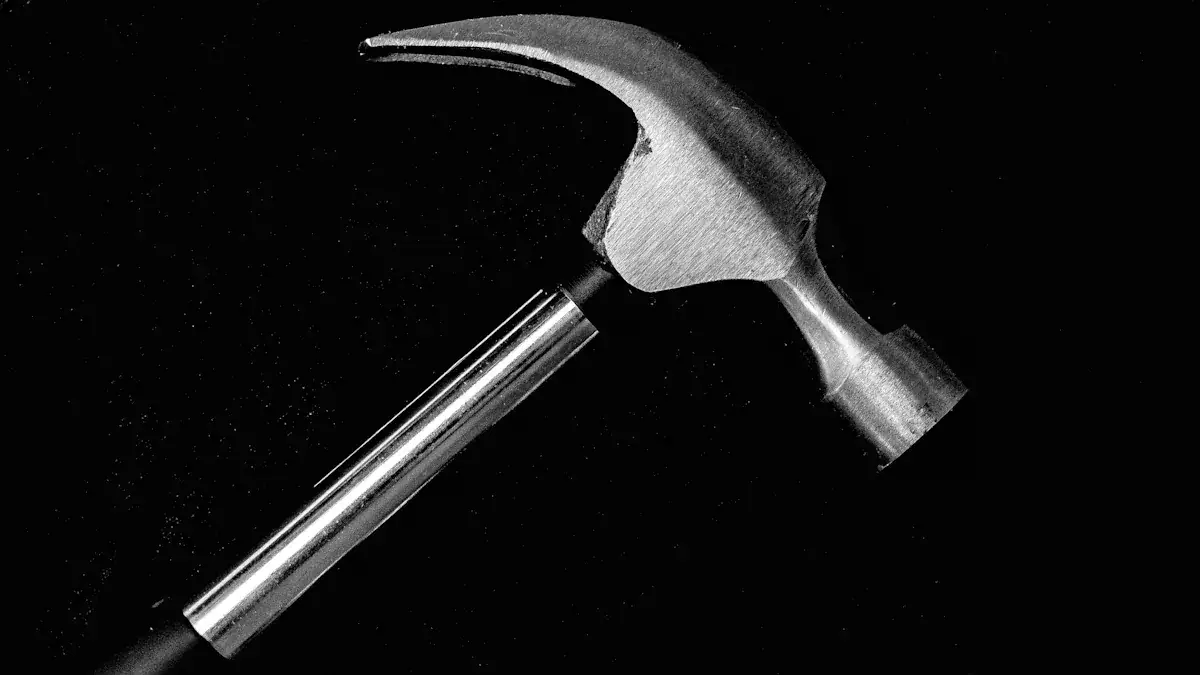
Claw Hammer: Description
A claw hammer serves as a general-purpose tool. People use it for many common tasks. It drives nails into wood with its flat face. It also pulls nails out of surfaces using its claw. A standard claw hammer often weighs about 16 ounces. However, the head weight of these hammers can range from 7 to 32 ounces (200–910 grams). This wide range makes it a versatile tool for various projects, from light household repairs to more demanding carpentry.
Key Features
Claw hammers have a distinct design. The head features a flat striking face on one side. This face delivers the impact to drive nails. The opposite side has a curved claw. This curved claw is specifically designed for prying and removing nails from materials. Handles come in different materials. Wood, such as hickory, offers a natural feel and absorbs vibrations. Fiberglass handles are lightweight and also absorb shock effectively. Steel handles provide extreme durability, suitable for heavy-duty tasks. Hammer heads are typically made from steel. Some advanced claw hammers even feature titanium heads. Titanium offers advantages like being lighter and better at damping vibration compared to high-carbon steel.
Primary Uses
Claw hammers are essential for many jobs. They efficiently drive nails into wood and other materials. They also effectively pull nails from various surfaces. People use them for light-duty demolition tasks. This includes prying apart materials, removing drywall, or dismantling wooden structures. Carpenters rely on them for assembling projects, adjusting fits, and correcting mistakes by removing nails. DIY enthusiasts find these hammers indispensable for general handyman tasks and home repairs.
Claw Hammer Variations
Many types of claw hammers exist, each with specific design differences. The utility hammer is a common household tool. It typically weighs around 16 ounces or less and has very curved claws for optimal nail-pulling leverage. Framing hammers, also known as rip claw hammers, are heavier, often weighing 20-24 ounces. They feature larger faces, which can be smooth or serrated, and usually have straight claws for prying boards apart. Electrician’s hammers are lighter, around 18 ounces, and have a long neck, making them useful in confined areas. Other specialized claw hammers include flat-top hammers, which have a smooth, straight top surface for tight spaces, and long-neck hammers, designed for specific digging and extracting tasks.
Sledge Hammer Power
Sledge Hammer: Description
A sledgehammer is a heavy-duty hammer. It delivers powerful blows. People use it for tasks needing great force. A normal “full length” sledgehammer often weighs 8 pounds. A “hand sledge” has a shorter handle. It typically weighs 4 pounds. For home use, an 8-pound sledgehammer is a good choice. Some homeowners might prefer a 5 to 6-pound option. Heavier sledgehammers, like 20-pound ones, are for industrial jobs. They break asphalt or drive posts into tough ground.
Key Features
Sledgehammers have distinct features. They feature a large, heavy head. They also have a long handle. The head material is usually forged steel. This ensures maximum durability. Handles come in different materials. Solid-core fiberglass is a common choice. It offers strength, light weight, and good balance. Fiberglass handles resist weather and wear. They also dampen vibrations. This reduces user fatigue. Hickory handles are a classic option. They provide a natural feel and absorb shock. However, they can split. Wooden handles are often cheaper. They are generally less durable than fiberglass or hickory.
Heavy-Duty Uses
Sledgehammers perform many heavy-duty tasks. They break down walls and concrete slabs. They also demolish other structures. People use them to drive large stakes. This includes stakes for concrete forms or scaffolding. They break up asphalt. They also compact materials. Farmers and landscapers use these hammers. They drive wooden fence posts. They also break up tough soil. In emergencies, they dislodge obstacles. They create openings. Historically, miners used sledgehammers. They drove drills into rock faces.
Sledge Hammer Safety
Safety is important when using sledgehammers. Always wear safety glasses. This protects eyes from flying debris and dust. Ensure glasses fit well. They should have hard plastic or polycarbonate lenses. Choose the right hammer for the job. A sledge hammer is best for heavy demolition. Using the correct hammer makes work safer. It also prevents tool damage. This reduces accident risks.
Ball-Peen Hammer Precision
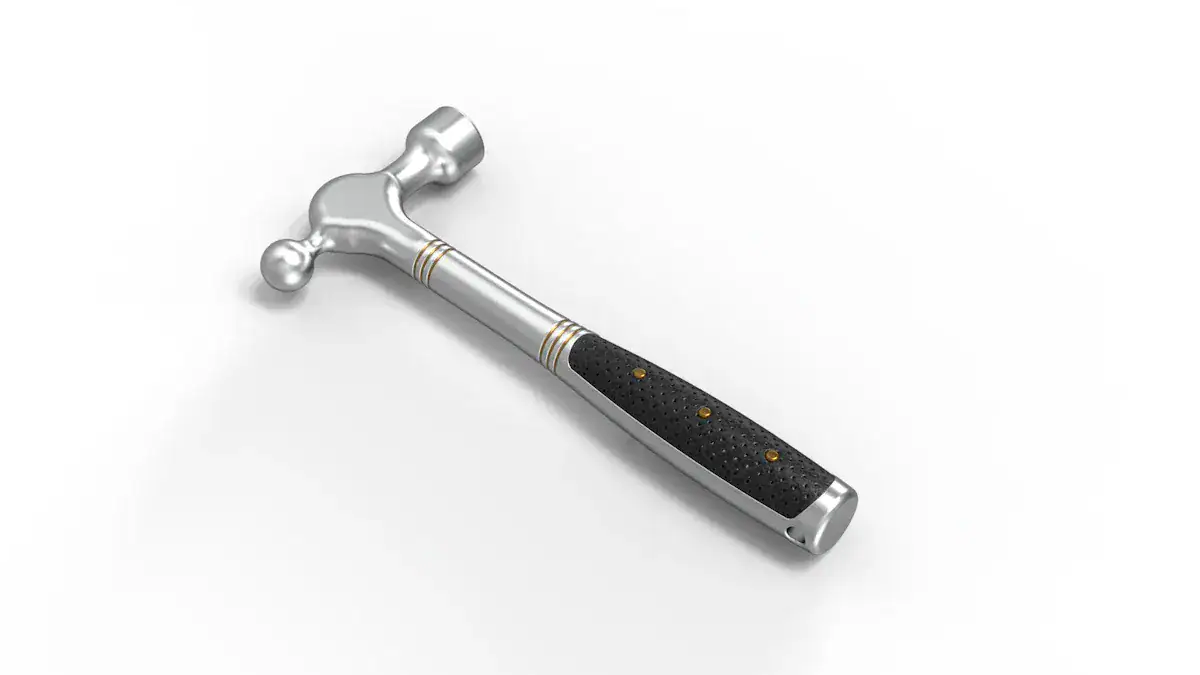
Ball-Peen Hammer: Description
A ball peen hammer is best suited for metalworking. It helps shape and work with metal. This hammer has a unique design. One end features a flat striking face. The other end has a rounded peen. People use the flat face for general striking. They use the rounded peen for specific tasks. Ball peen hammers come in many sizes. Weights range from about 8 ounces to over 50 ounces. A 24-ounce ball peen hammer is a good starting point. It balances power and control for many jobs. Lighter hammers offer more precision. Heavier hammers provide greater force.
Key Features
Ball peen hammers have a dual-head design. The flat face strikes punches or chisels. It also flattens small metal pieces. The rounded peen is for working with metal. It helps round off rivets. It also creates texture on metal surfaces. Both faces are typically made from hardened steel. This ensures durability and effectiveness for shaping metal. Hammer heads are often crafted from heat-treated forged high-carbon steel or alloy steel. These materials make the heads harder than a claw hammer’s face. Handles are often fiberglass. Fiberglass absorbs shock and withstands tough weather.
Metalworking Uses
This hammer excels in many metalworking tasks. It shapes metal without cutting. It spreads and thins material to create curves. Riveting is a key use. The hammer forms a second head on a rivet, securing parts together. It is useful in aircraft and metal door construction. People use it to strike punches and chisels. Its hardened head prevents chipping, making it safe for striking other tools. Machinists use it to form or adjust metal parts. They peen edges to lock washers and align parts. Blacksmiths use ball peen hammers for forging hot metal. Jewelers use them for texturing precious metals.
Material Considerations
Ball peen hammers work well with various metals. They are effective on sheets of metal and hardened steel. The rounded peen stretches and deforms sheet metal, creating curves or dome shapes. It also work-hardens metal surfaces, increasing wear resistance. The hammer can relieve stress in welds, preventing cracking. It sets rivets by forming a second head. The flat face drives punches. It also uses chisels to cut rusted bolts, score metal, or shear thin thin sheet metal.
Comparing Hammer Types
Head and Material Differences
Hammers show clear differences in their heads and materials. These differences make each hammer type suitable for specific jobs.
Hammer Type | Head Shape | Weight Range (approx.) | Material Composition |
|---|---|---|---|
Claw Hammer | Flat head with a claw (curved or straight design) | N/A | Softer steel alloys, high-quality fiberglass, forged steel |
Ball-Peen | Two distinct heads: one round (ball-shaped) and one flat | 4 to 32 ounces | Steel |
Sledgehammer | Large, symmetrical head with broad faces on both ends | Over 10 pounds | Heavy, double-sided steel heads |
Claw hammers have a flat striking face and a claw for pulling nails. Their heads often use softer steel alloys or forged steel. Ball-peen hammers feature two distinct heads. One side is flat, and the other is round or ball-shaped. These heads are typically made from steel. Sledgehammers have a large, heavy head. This head is usually double-sided and made of heavy steel. Sledgehammers are designed to handle extreme impact force. They break rocks and drive fence posts.
Handle Design
Handle designs also vary greatly among different hammers. These designs affect how a user holds and swings the tool.
Hammer Type | Length | Grip | Material |
|---|---|---|---|
Claw Hammer | Standard | Rubber grip | Fiberglass |
Framing Hammer | Longer | Easy-grip | (Not specified, but often fiberglass or steel) |
Ball-Peen Hammer | (Not specified) | Cushion-grip | (Not specified, but often steel or fiberglass) |
Sledgehammer | Long | (Not specified) | (Not specified, but often wood, fiberglass, or steel) |
Claw hammers often have standard-length handles. Many feature a rubber grip for comfort. Fiberglass is a common material for these handles. Framing hammers, a type of claw hammer, have longer handles. They often include an easy-grip design. Ball-peen hammers can have various handle lengths. Many come with a cushion-grip for better control. Their handles are often steel or fiberglass. Sledgehammers have long handles. These long handles provide leverage for powerful swings. Sledgehammer handles can be wood, fiberglass, or steel.
Ideal Scenarios
Each hammer type excels in specific tasks. Choosing the right hammer makes work easier and safer.
Type | Primary Use |
|---|---|
Claw Hammer | Driving and removing nails, general carpentry |
Ball Peen Hammer | Metalworking, riveting, shaping metal |
Sledgehammer | Demolition, driving stakes, breaking concrete |
A claw hammer is optimal for general carpentry and DIY tasks. It drives and pries nails. Its dual-purpose head makes it excellent for these jobs. For metalworking, the ball peen hammer is the preferred tool. It hammers out dents, shapes metals, and rivets. When heavy-duty applications are necessary, the sledgehammer is the go-to tool. This includes demolition, driving stakes, or breaking concrete. Its long handle and heavy head provide brute force. Ball peen hammers traditionally work in metalworking. They strike punches and chisels. They also round off edges on rivets. Claw hammers primarily drive or pull nails from objects. They are not for heavy hammering. Sledgehammers are ideal for driving stakes or demolition work. They have a long handle and heavy head.
When Not to Use
Knowing when not to use a specific hammer is as important as knowing when to use it. Using the wrong hammer can be unsafe or ineffective.
Steel hammer heads include claw hammers, sledgehammers, and ball peen hammers. Using these hammers is unsafe in environments with flammable or explosive gases. The impact can create sparks. These sparks could ignite gases like methane. This risk exists in underground coal mining or in petroleum refineries and chemical plants.
For tasks needing movement or adjustment without causing damage, these hammers are not suitable. This includes machinery or vehicle framing. A dead blow hammer is more appropriate for such jobs. Sledgehammers and ball peen hammers are less suitable for tasks where preventing dents and controlling bounce-back are crucial. Dead blow hammers stop energy upon impact. They prevent these issues.
Exploring Other Types of Hammers and Their Uses
Many different types of hammers exist. In fact, over 50 distinct types of hammer serve various purposes. Each design offers unique features for specific tasks. Understanding these types of hammers and their uses helps users select the correct tool.
Mallets
Mallets deliver soft strikes. They prevent damage to work surfaces. Woodworking mallets strike chisels or gently adjust wooden pieces. Rubber mallets are ideal for assembling furniture. They also strike materials needing a softer impact. Rawhide mallets provide a softer impact on metals. This prevents surface damage. Plastic mallets are versatile. They work well in carpentry and flooring. A dead blow hammer is a type of mallet. It has a hollow head filled with sand. It drives nails without damaging surfaces. It also breaks apart wood without leaving marks. A soft face hammer protects delicate materials.
Tack Hammers
Tack hammers are lightweight. They typically weigh 4 to 8 ounces. This allows for better control. They prevent overdriving nails. They also avoid damaging delicate materials. These hammers have short handles, around 5 to 7 inches. This provides precision. Their small, often rounded face drives small nails and tacks. Some have a magnetic face. This holds nails for easy placement. Tack hammers excel in upholstery. They secure fabric for furniture frames. They also work well for crafts and DIY projects. These tasks require precision.
Framing Hammers
Framing hammers are heavier. They deliver more force. They often weigh between 16 and 22 ounces. These hammers have different face types. A smooth face provides a clean finish. A milled or textured face offers extra grip. It prevents slipping. Long handles provide leverage. They allow powerful strikes. Ergonomic handles absorb shock. They reduce strain. Many framing hammers have straight claws. These pry materials apart. Some include side nail pull features. Magnetic nail holders also exist. They allow one-handed nail starting. These features increase speed and efficiency in construction.
Specialized Hammers
Many specialized hammers exist for specific jobs. Club hammers are small sledgehammers. They deliver heavy blows in tight spaces. A cross pein hammer has a flat face and a wedge-shaped pein. It shapes metal directionally. Roofing hammers have a hatchet-like blade. They cut shingles. They also have a gauge for spacing. Drywall hammers feature a flat striking face. They also have a hatchet-style blade. This scores and cuts drywall. They include a nail puller notch. Brick hammers have a chisel-like blade. They score and cut bricks. They also have a square striking face. This breaks masonry materials. An electrician’s hammer has a long, slender neck. It reaches tight spaces. It often has an insulated handle. This protects against electric shocks. A blacksmiths hammer shapes hot metal. A blocking hammer helps set blocks or forms. Another electrician’s hammer might have a rubberized handle. This provides extra safety.
Choosing the Right Hammer
Selecting the correct hammer is important for any task. The right tool makes work easier and safer. It also helps achieve better results. Many factors influence this choice. Consider the material, the force needed, and user comfort.
Material and Surface
The material you work with guides your hammer choice. Different materials require different hammer types. For example, wood needs a hammer that drives nails without splitting. Metalworking requires a hammer that shapes and hardens metal. Concrete demolition needs a hammer that delivers powerful blows. A soft face hammer protects delicate materials. It prevents dents or scratches. Using the wrong hammer can damage the material or the tool.
Force and Precision
Tasks demand different levels of force and precision. A hammer’s design helps meet these needs. Lighter hammers offer greater accuracy. They are good for delicate tasks. A longer handle increases the force of each swing. This helps drive nails or work with rigid materials. However, a long handle can reduce maneuverability. The hammer’s head type also specializes it for specific jobs. These include framing, finish work, or demolition.
For precision carpentry, a lightweight hammer is ideal. It has a smooth, well-balanced head. This minimizes damage to delicate wood. It also ensures controlled strikes. You can test a hammer’s balance by holding it near the head. This helps assess its accuracy for precise impacts.
Consider these hammer types for different needs:
Feature | Framing Hammer | Trim Hammer | Sledge Hammer | Rubber Mallet | Ball Peen Hammer |
|---|---|---|---|---|---|
Primary Use | Heavy construction, framing | Delicate trim, finish work | Demolition, heavy | Non-damaging impact | Metal shaping |
Head Weight | 20-32 oz | 7-16 oz | 2-20 lbs | 8-32 oz | 4-48 oz |
Face Type | Often milled | Smooth, sometimes bell-face | Large, flat | Rubber/Plastic | Flat & ball peen |
Key Feature | Power, speed | Precision, control | Brute force | Soft impact | Metalworking peen |
Heavy Construction (Framing): Framing hammers drive large nails into lumber quickly. They emphasize force and speed.
Delicate Trimming (Finish Work): Trim hammers work better for smaller finish nails. Precision is very important here.
Metalworking: A ball peen hammer shapes metal. It needs specific head types and controlled impact.
Demolition Work: Sledgehammers provide brute force for demolition.
General Use: A heavier hammer delivers more force. It can also cause fatigue. A lightweight hammer offers more control for precision work.
Framing hammers are for heavy-duty construction. They have heavy heads, up to 28 ounces. Long handles increase leverage and power. They often have waffle-faced heads for better grip on nails. These hammers drive large nails quickly and efficiently. Speed and power are most important. General-purpose hammers suit many household tasks and light carpentry. They typically weigh 16 ounces. They balance weight and design for comfortable use. These hammers work for tasks needing moderate force and precision.
Hammer Weight
A hammer’s weight affects its performance and your comfort. Consider how you use the hammer. Lighter hammers work better for overhead or straight-on hammering. Heavier hammers are acceptable for downward swings, like mason work. Think about how often you use the hammer. If you carry it often but use it rarely, a lighter hammer is better. This avoids unnecessary weight.
Your strength also matters. Heavier hammers deliver more force. This is true only if you can swing them fast enough. A lighter hammer swung faster might achieve greater force. This happens if a heavy hammer is too cumbersome. Balance is also a personal preference. Some people prefer a heavy head and light handle. Others like a lower center of gravity. Try different hammers before buying one.
Hammer Weight Category | Weight Range (ounces) | Typical Tasks | Considerations |
|---|---|---|---|
Lightweight | 10-16 | Finish work, delicate trim, softer woods | Precision, control, reduces overdriving, suitable for less upper body strength |
Mediumweight | 16-20 | Framing, rough carpentry, general-purpose jobs | Balance of control and driving power, versatile |
Heavyweight | 20-32 | Framing large structures, driving into dense hardwoods | Significant force, more power per strike, requires more strength and control |
Factors to Consider:
Task at Hand: Match hammer weight to the specific job. This means delicate work versus heavy-duty work.
Personal Preference: Your comfort and physical abilities influence your choice.
Experience and Skill Level: Beginners may prefer lighter hammers for control. They can progress to heavier ones with more skill.
Ergonomics and Comfort
Choosing a hammer also involves ergonomics and comfort. These features reduce fatigue and improve control.
Handle Material:
Fiberglass handles: They absorb impact. This reduces strain during repetitive motions. They offer excellent shock absorption. This improves comfort and control over long periods.
Wood handles: They provide a traditional feel. They also offer natural vibration dampening.
Steel handles: They maximize strength. However, they offer less shock absorption.
Composite handles: These offer durability and good shock absorption.
Balance and Grip:
A well-balanced hammer improves control. It also reduces wrist and arm strain.
The grip should feel comfortable and secure. Textured or cushioned options enhance ergonomics. They also reduce slippage.
Look for textured grips and balanced designs. These reduce fatigue and improve control.
Personal Preference and Intended Use:
Prioritize comfort and ergonomics. This is especially true for frequent or extended use.
Handle Length and Grip:
Longer handles offer more power. They can be harder to maneuver.
Shorter handles are better for precision. They also work well in confined spaces.
Ergonomic grips reduce hand strain. They provide a secure hold.
Task-Specific Features:
Anti-vibration technology reduces shock. This makes long-term use comfortable.
Nail starters help start nails with one hand.
Understanding these factors helps you pick the best tool. This ensures efficiency and safety for all your projects. There are many types of hammers available. Knowing the differences helps you choose wisely.
Hammer Safety and Maintenance
Understanding hammer safety and maintenance is crucial for any user. Proper practices ensure tool longevity and user protection. Following guidelines helps prevent accidents and keeps tools in good working order.
Proper Use
Users must know how to use a hammer safely. They hold the end of the handle firmly. This grip utilizes wrist and arm motion for control. Avoiding excessive brute force prevents slippage. Users initiate striking with a light tap. This positions the tool or nail. Once stable, they apply stronger force. The hammer face remains parallel to the workpiece. This prevents glancing blows and slippage. Some users prefer to let the hammer pivot. This avoids straining the wrist. The ‘milking’ technique is recommended for lighter hammers. This technique uses finger snap to pull the handle. The ‘Hofi style’ of working is highly efficient. It also helps avoid blisters. Custom hammer handles can provide better control. They often have a larger diameter and textured wood. Avoiding a too-tight grip helps prevent tennis elbow. Using a lighter hammer or adjusting technique can aid recovery. Utilizing the rebound of impact assists the hammer lift. Keeping the elbow tucked in helps swing heavier hammers. This also reduces fatigue.
Personal Protective Equipment
Wearing the correct personal protective equipment (PPE) is essential. This protects users from potential hazards. Safety glasses are crucial. They protect eyes from flying particles and debris. Heavy-duty work gloves protect hands. They prevent blisters, cuts, and impacts. Gloves also ensure a good grip on the tool. Hearing protection is recommended for loud tasks. This includes using a sledgehammer on metal or concrete. It prevents hearing damage. Steel-toed boots protect feet. They guard against accidental drops or impacts.
Pre-Use Inspection
Users inspect their hammers before each use. This ensures safety. They check the handle for sturdiness. The handle must be tightly attached to the head. This prevents the head from flying off. Users do not use very old or rusty hammers. The handle wood could be rotting. The steelhead might be corroded. This leads to breakage or head detachment. If a loose hammerhead cannot be secured, users choose a different hammer. A complete inspection of the hammer is important. This includes all associated equipment. Users pay attention to pins, bolts, and hose couplings. They inspect the valve mechanism. They also check the ram point and pile cap. This prevents fragmentation from metal fatigue.
Care and Storage
Knowing how to maintain a hammer extends its lifespan. Users clean hammers after every use. They remove debris, dust, and material buildup. For pneumatic or electric hammers, they use a dry brush or air compressor. Periodically, users deep clean by disassembling the tool. They use a solvent if recommended. A light coat of machine oil on metal surfaces prevents rust. Users store hammers in a dry, moisture-free environment. This prevents rust. They avoid placing hammers where they might fall or suffer damage. Protective covers or cases shield hammers from dust and debris. Users regularly inspect hammers for wear, damage, or malfunction. They lubricate pneumatic hammers with air tool oil. For electric models, they follow manufacturer guidance. Users replace worn parts like chisels and springs. They also check and replace damaged handles. This is how to maintain a hammer effectively.
Understanding the various types of hammers is crucial for successful and safe project completion. Claw hammers handle general carpentry, driving and removing nails. Sledgehammers deliver powerful blows for demolition tasks. Ball-peen hammers offer precision for metalworking. Knowing these distinct roles helps users choose the correct tool. Apply this knowledge to your projects. Explore more types of hammers and their uses, or share your own experiences with these essential tools.
FAQ
What is the primary function of a claw hammer?
A claw hammer primarily drives nails into wood. It also pulls nails out of surfaces. Its dual-purpose head makes it a versatile tool for general carpentry and household repairs. People use it for light prying tasks too.
What distinguishes a sledgehammer from other hammer types?
A sledgehammer has a large, heavy head and a long handle. This design allows it to deliver powerful blows. It is ideal for heavy-duty tasks. These tasks include demolition, breaking concrete, and driving large stakes.
What is the specific use for the rounded peen on a ball-peen hammer?
The rounded peen on a ball-peen hammer shapes metal. It helps spread and thin material. It also forms a second head on rivets. Metalworkers use it for peening, texturing, and hardening metal surfaces.
What safety equipment is essential when using a hammer?
Users should always wear safety glasses. This protects eyes from flying debris. Heavy-duty gloves protect hands from blisters and impacts. Hearing protection is advisable for loud tasks. Steel-toed boots guard feet against accidental drops.