

Can termites eat pressure treated wood? While this type of wood offers resistance, it’s not entirely impervious. Termites can still present a significant threat to your home. Effective prevention requires more than just pressure-treated wood. Approximately 1 in 5 American homes will experience termite damage, highlighting the widespread risk. Annually, termites cause billions in property damage.
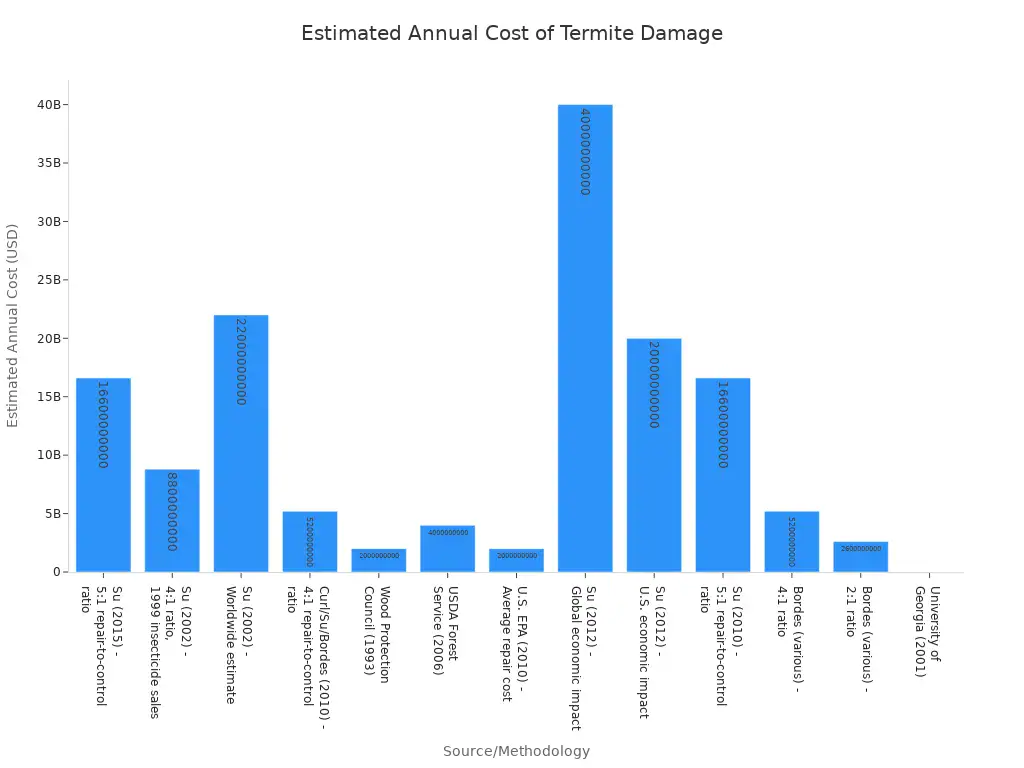
You must implement comprehensive prevention strategies to safeguard your property from these destructive pests.
Key Takeaways
Pressure-treated wood resists termites because it has special chemicals, but it is not fully termite-proof.
Termites can still eat pressure-treated wood if the treatment wears off, if the wood gets cut, or if it becomes damp and starts to rot.
Keep wood away from soil, control moisture around your home, and check your home often to stop termites.
Consider using naturally resistant woods, composite materials, or physical barriers to protect your home.
If you see signs of termites, call a professional exterminator right away for help.
Understanding Pressure Treated Wood
What is Pressure Treatment
You might wonder what makes pressure-treated wood different. This wood undergoes a specialized industrial process. Manufacturers force chemical preservatives deep into the wood fibers. This process makes the wood durable. It protects the wood from decay and pests.
Before treatment, workers prepare the wood. For roundwood, they debark the logs. Incising is another preparation step. Sharp steel teeth press into the timber.
This increases how well chemicals penetrate the wood. Most lumber is kiln-dried before treatment. This reduces its moisture content. Larger timbers often air-dry to reduce moisture. Then, a lumber incisor cuts hundreds of small holes into the surface. This prepares the wood for treatment. You can see these characteristic marks on pressure-treated wood.
The actual treatment involves placing lumber into a large steel cylinder. This is a vacuum pressure vessel. An industrial vacuum pump removes air from the cylinder and the wood. Then, the cylinder fills with a preservative solution. Pressure is applied. This forces the preservatives deep into the wood cells. Cycle times and pressure settings adjust based on the wood species and required protection. After the cycle, the cylinder drains. A vacuum removes excess solution. The wood then sits on a drip-pad for 24 to 48 hours.
Common preservatives include Micronized Copper Azole (MCA). MCA contains copper and tebuconazole. These ingredients work in a water-based solution. Copper naphthenate, creosote, and oil-borne treatments are also used. The Environmental Protection Agency (EPA) approves these treatments. They protect wood from rot and termites.
How Treated Wood Resists Termites
Pressure-treated wood resists termites because it contains chemicals toxic to them. These preservatives create a chemical barrier. Termites find this barrier unappealing. They typically will not attack it. The chemicals are poisonous to termites and carpenter ants.
For example, borates are common preservatives. When termites eat wood treated with borates, the borates disrupt their metabolic functions. This leads to starvation. This action is slow. Termites can spread the borates to other colony members before they die. This makes the control method more effective.
Termites may try to feed on treated wood. However, they quickly recognize its harmful effects. They avoid tunneling deep into it. They will look for other food sources. Borate wood preservatives create a barrier. Termites cannot cross this barrier. This removes the wood as a food source. It defends against termite attacks and other wood-decomposing organisms.
Other compounds also contribute to resistance. Tannin deters termites. It makes the wood unpalatable or indigestible. Paulownin and Sesamin are lignans found in some woods. They have antimicrobial and insect-repellent properties. These properties make the wood naturally termite-resistant.
Expected Protection Levels
You can expect significant protection from pressure-treated wood. This wood is designed to resist termite damage effectively. Many refer to it as termite-proof. However, it is not entirely invulnerable. Pressure-treated lumber often lasts for 20 to 40 years. Some pieces can last even longer. This durability includes resistance to insects like termites.
Over time, exposure to moisture and environmental elements can degrade the protective chemicals. This can diminish the wood’s resistance. The effectiveness of the treatment can decline with age and wear. This leads to vulnerabilities. Many state building codes require the use of pressure-treated wood for termite mitigation. This shows its importance in construction.
Why Termites Eat Pressure Treated Wood (Sometimes)
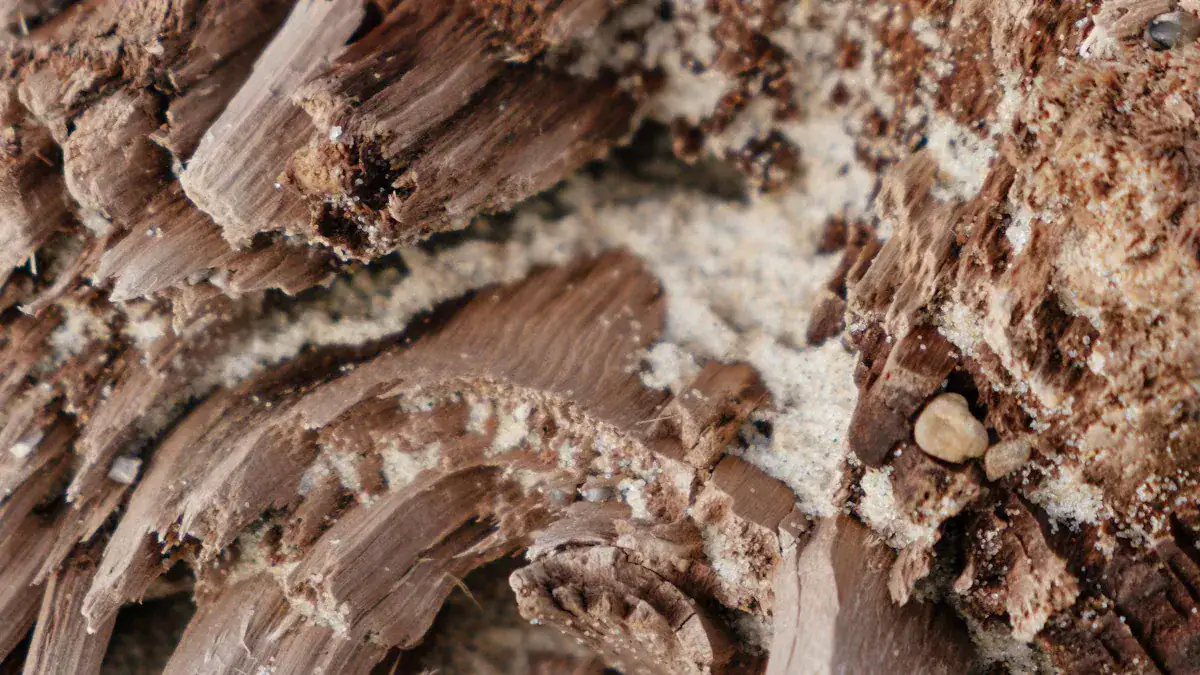
You might think pressure-treated wood is a complete shield against termites. However, these persistent pests can sometimes overcome its defenses. Understanding these vulnerabilities helps you protect your home better.
When Treatment Fails
The chemicals in pressure-treated wood are not permanent. Over time, these protective treatments can break down. Exposure to harsh weather, constant moisture, and UV rays can degrade the chemicals. This degradation reduces the wood’s effectiveness. As the treatment weakens, the wood becomes less toxic to termites. This makes it more appealing as a food source. You might find that older pressure-treated structures are more susceptible to infestation. The protective barrier simply does not last forever.
Untreated Areas and Vulnerabilities
Even new pressure-treated wood can have weak spots. When you cut or drill into pressure-treated wood after it leaves the factory, you expose its untreated core. This creates vulnerable areas. Termites can exploit these spots. They include new cut wood ends, notches, and drill holes. These areas lack the chemical protection of the outer layers.
You must protect these exposed areas. Many experts recommend re-treating cut ends. For example, a deck builder might spray cut ends of pressure-treated lumber with a preservative. They might also soak posts in a preservative to make them last longer. Manufacturers often advise re-treating cut ends of CCA pressure-treated wood to keep its warranty valid. You can find brush-on products at hardware stores for this purpose. Copper napthenate solutions, like Jasco’s Termin-8, effectively protect against termites. You can use these to soak end grain. Sealing all cuts with a .9 grade sealer is crucial, especially for ground contact lumber. This prevents rot within a few years. Resealing cuts and drill holes helps your pressure-treated wood last its advertised lifespan. Products like Copper green, copper brown, and clear sealers are available in various forms for this task.
The Risk of Damp or Rotting Wood
Termites, especially subterranean species, need moisture to survive. They also need it to digest cellulose, their main food source. Damp wood is softer and easier for them to chew. This makes it a preferred target. If pressure-treated wood stays damp and starts to rot, termites can feed on it.
Wood infected with certain fungi becomes even more attractive to termites. These fungi increase nutrient availability. They make the wood easier for termites to metabolize. This stimulates their foraging and feeding behaviors. It also promotes their survival.
Termites prefer decayed wood sources over sound wood. White-rot fungi are particularly effective at promoting survivorship, aggregation, and consumption. They break down both cellulose and lignin, making nutrients more available. Brown-rot fungi also attract termites, but white-rot has a greater influence.
Look at how fungal exposure impacts termite behavior:
Factor | Impact on Termite Behavior |
|---|---|
Wood infected with certain fungi | Increases nutrient availability, makes wood more readily metabolized, stimulates foraging and feeding behaviors, promotes survival. |
Decayed wood sources (vs. sound wood) | Preferred by subterranean termites. |
White-rot fungi | Best for promoting survivorship, aggregation, and consumption; degrades cellulose and lignin, making nutrients more available. |
Brown-rot fungi | Termites respond positively, but white-rot has a greater influence. |
Consumption (after fungal exposure) | Increased by 120%. |
Aggregation behavior | Increased by 81%. |
Trail-following behaviors | Increased by 200%. |
Overall survival | Increased by 136%. |
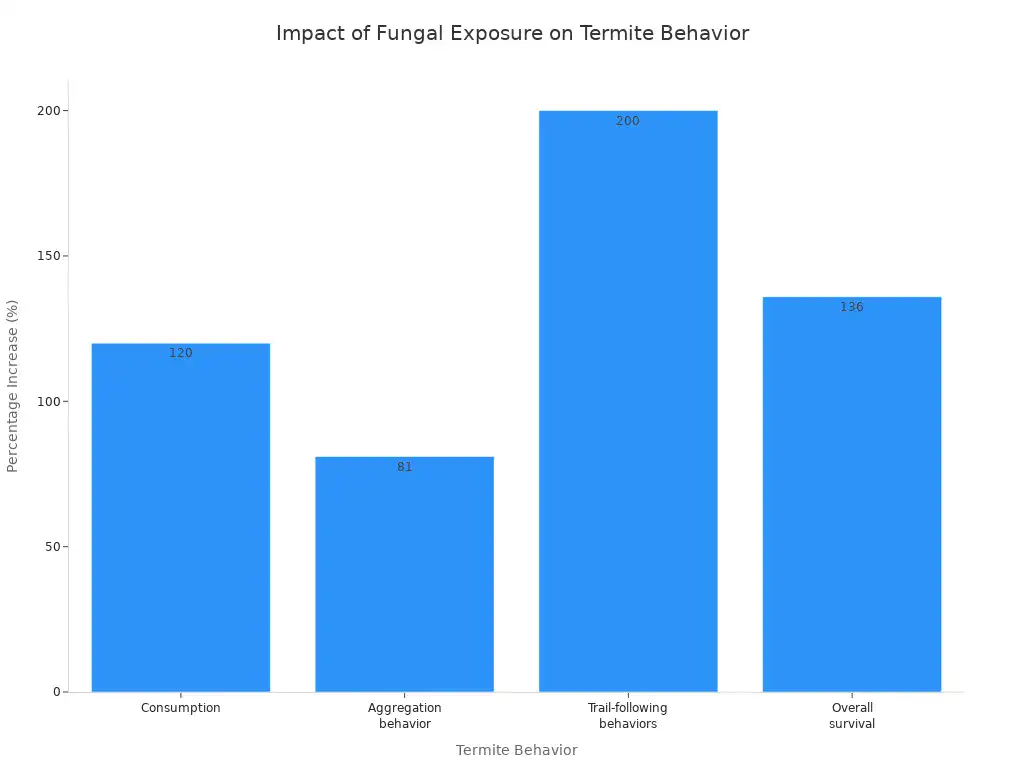
You can see a significant increase in termite activity when wood is damp and decaying. This means that even if the wood is treated, moisture and rot can make it vulnerable to wood-eating insects. This is a common reason why termites eat pressure treated wood in some situations.
Termites Tubing Over Treated Surfaces
Termites are clever. Even if they do not eat the pressure-treated wood itself, they will readily tube over it. They build mud tubes to access untreated wood. These tubes protect them from predators and dry air. They allow termites to travel safely from the soil to untreated wood above. Termites construct these tubes using materials like soil, wood particles, termite saliva, and other organic materials. You might see these mud tubes on the surface of your pressure-treated wood. This indicates termites are bypassing the treated barrier to reach more appealing food sources. This can lead to significant termite damage in other parts of your home.
Essential Prevention Beyond Pressure-Treated Wood
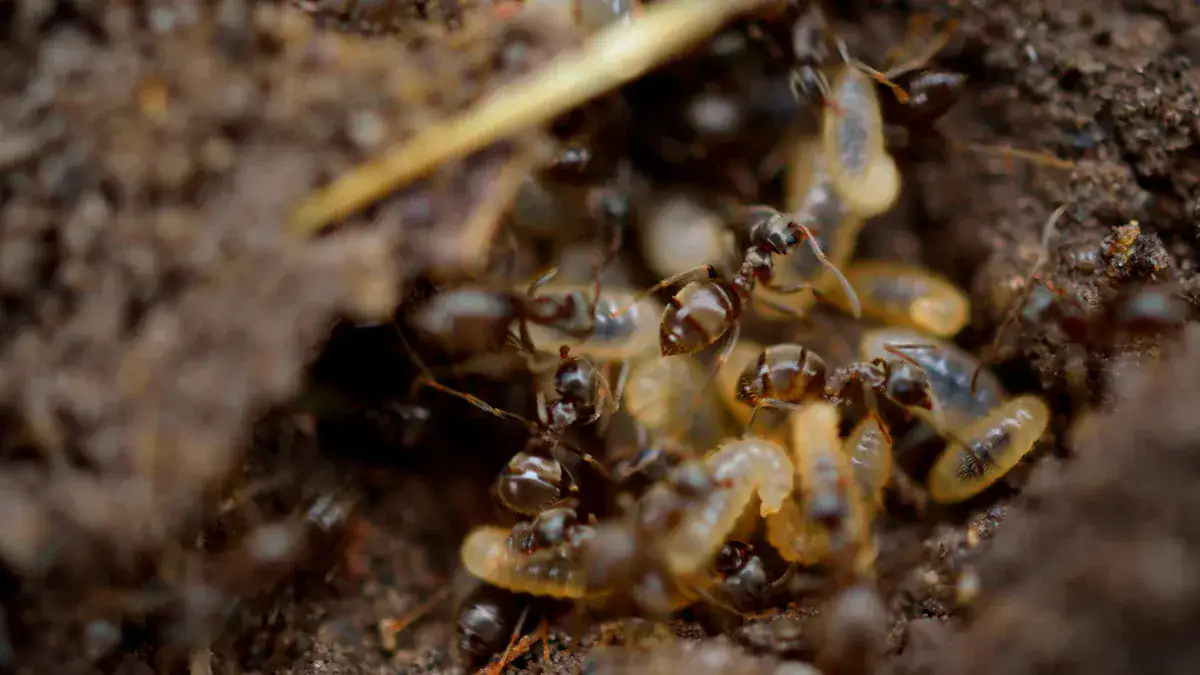
You must go beyond just using pressure-treated wood to protect your home from termites. A comprehensive approach helps prevent costly damage. You need to combine several strategies for the best defense against these pests.
Avoiding Wood-to-Soil Contact
You must keep wood away from the soil. Termites live in the soil. They can easily move from soil to wood. For untreated wooden members exposed to the outside soil line, you need a minimum clearance of six inches. If you have wood and soil in a crawl space, the minimum clearance is eighteen inches. These clearance requirements do not apply to sill plates or other wooden members. These are enclosed and insulated from the earth by materials like brick or stucco.
Moisture Control and Drainage
Termites love moisture. You must control water around your home. Inadequate grading can direct water towards your foundation. Defective or missing gutters and downspouts also cause rainwater to flow towards the foundation perimeter. Leaky pipes in your crawl space can introduce excess moisture. You can fix these issues. Adjust the ground around your house to slope away. This is called grading drainage. Extend your downspouts at least four to six feet away from the foundation. This reduces pooling. You can also install exterior foundation drains. These systems use perforated pipes buried underground. They collect and divert water before it reaches your foundation walls.
Regular Home Inspections
You should check your home often for termites. Look for specific signs. You might see mud tubes on foundation walls, pipes, or wooden structures. These are pencil-thick tunnels termites build. Tap on wood. If it sounds hollow, termites might be eating it from the inside out. You could also find small, translucent wings around windows or doors.
These indicate termite swarmers. Professional inspections are also important. Most homeowners should get an annual professional termite inspection. If you have a history of previous termite infestations, more frequent checks every six months are advisable.
Sealing Entry Points
Termites can enter your home through tiny openings. You must seal these gaps. They can squeeze through cracks in foundations. These cracks can be as small as 1/32 inch. Small gaps also occur around plumbing and electrical penetrations.
Termites can exploit expansion joints where concrete sections meet. Cracks in mortar and brick also provide entry points. Seal these small openings to keep termites out.
Alternative and Complementary Materials
You can choose other materials to protect your home from termites. These options work with or instead of pressure-treated wood. They offer different levels of defense.
Naturally Resistant Wood Options
You can select woods that naturally fight off termites. These woods contain compounds that deter or even harm termites. Teak is very durable. It actively kills termites. Termites consuming teak have a higher death rate than those without any wood access. Redwood heartwood contains tannins.
These acidic compounds naturally repel termites. Cedar, a softwood, also has natural compounds that deter termites. Genuine Honduran or Brazilian Mahogany is dense and durable. It naturally resists termites and decay. Cypress, including Australian cypress, contains compounds toxic to termites.
It also has a tight grain structure that resists penetration. Other naturally termite-resistant woods include Brazilian jatoba, Peruvian walnut, and Alaska yellow cedar.
Benefits of Composite Materials
You can also consider composite materials, especially for decking. Composite decking mixes wood fibers with plastic. This makes it much less appealing to termites than regular wood. The plastic component creates a barrier. Termites find this barrier difficult to penetrate. Many composite products also have chemicals. Manufacturers add these during production to boost resistance. You will need less maintenance with composites. This eliminates the need for frequent termite treatments. It saves you time and money. While the initial cost might be higher, composites offer long-term savings. Research shows termites are less likely to infest composite materials. This is because of their synthetic parts.
Physical Barriers for Protection
You can install physical barriers during construction. These barriers block termite entry through foundations. They do not harm termites. They simply prevent access. You can use materials like metal, crushed rock, or other substances. Termites cannot chew through these.
You can install metal shields and mesh. Place them between the foundation wall and the sill plate. You can also use them around pipes. Stainless steel mesh is a physical termite barrier. It makes it impossible for termites to access your home.
This fine mesh is termite-proof. It offers long-term protection. It does not rely on chemicals. You can place it under concrete slabs, around pipes, or in wall cavities. This acts as a preventative solution. It stops termites from entering your home.
Professional Termite Management
When to Seek Expert Help
You should call professional termite exterminators when you see clear signs of an infestation. Discarded wings near windows, doorways, or floors mean termite swarmers have shed them. They want to start a new colony. Mud tubes on exterior walls, foundations, or crawl spaces are a clear sign of subterranean termite activity.
These pencil-sized tunnels protect termites as they travel. You might see bubbling or peeling paint. This happens when termites bring moisture into walls. It can look like water damage. Small, sand-like pellets, called frass, near wooden structures are waste from drywood termites. This shows an infestation.
If doors and windows become hard to open or close, termite damage might be warping the wood. Sagging floors and ceilings are a serious sign. This means termites have weakened your home’s structure.
Types of Professional Approach
Professionals use different methods for termite control. One common approach is liquid termiticides. These create a chemical barrier in the soil around your home’s foundation. They protect against subterranean termites. These liquids can repel termites or be non-repellent. Non-repellent ones are undetectable.
Termites carry the chemical back to their colony. Application involves trenching, drilling, and injecting the solution. Another method uses termite baiting systems. Exterminators place bait stations in the soil around your home’s perimeter. Each station has a cellulose-based material with a slow-acting termiticide. Termites eat this material.
They carry the poisoned bait back to their colony. They share it with other members through social feeding. This gradual spread of the toxin eliminates the entire colony. The queen dies, and the colony cannot survive.
Importance of Ongoing Monitoring
Regular monitoring is crucial for termite control. It helps with early detection and continuous prevention. This involves scheduled inspections and surveillance. You can identify potential infestations quickly. This ensures ongoing protection.
Professionals install monitoring systems, like bait stations, around your property. These systems act as early warnings. They attract termites for early detection. Routine checks of these bait stations identify any termite activity. This helps catch termites before they cause big damage. After each inspection, you get detailed reports.
These reports give you insights into your property’s condition. They guide your decisions on necessary preventative measures.
You now understand that pressure-treated wood offers significant resistance. However, termites eat pressure treated wood in specific situations. It is not a complete solution. You need a multi-faceted approach.
Combine treated wood with other prevention methods for long-term protection. Stay vigilant. Perform regular maintenance. Seek professional assistance. These steps safeguard your home from termite infestations. Remember, termites eat pressure treated wood if conditions are right. Implement these strategies today to protect your property.