You want a more sustainable residence. Many believe sustainable living is always expensive or difficult. This is a common misconception. Nearly half of homeowners expressed interest in sustainable practices in 2024. Approximately 48% of homeowners also showed interest in sustainability in 2023. Many sustainable options are practical and affordable. They improve your daily life. This blog highlights 15 actionable, sensible ways to make your home more sustainable. You save money, enhance comfort, and reduce your impact on the environment. See these sustainable home choices as an investment in your future.
Energy-Efficient Home Solutions

You can make your home more sustainable by focusing on energy-efficient solutions. These practical choices reduce your energy consumption and lower your utility bills. They also decrease your carbon footprint and improve your indoor comfort. Implementing these energy saving techniques helps create a more sustainable environment.
LED Lighting Upgrades
Switching to LED lighting is one of the easiest and most impactful sustainable home choices you can make. LEDs use much less energy than old incandescent bulbs. They also last longer.
LED lighting can reduce your energy consumption by 50% or more.
With smart lighting management, your energy savings can reach up to 80% compared to traditional technology.
LEDs consume 75–90% less energy than traditional incandescent bulbs.
You will notice lower electricity bills. You will also replace bulbs less often. This makes LED upgrades a smart and eco-friendly decision for any home.
Smart Thermostat Benefits
A smart thermostat gives you precise control over your home’s heating and cooling. This device learns your habits and adjusts temperatures automatically. You save energy without sacrificing comfort.
Smart thermostats reduce your energy and utility bills. They optimize your HVAC system’s operation. Features like smart scheduling, remote access, and learning capabilities help you save energy. You do not need constant manual adjustments. Even small changes, like setting a daily schedule, lead to significant energy savings.
Scenario | Estimated Savings |
|---|---|
Lowering temperature 6 degrees for 8 hours (day) | 12% |
Lowering temperature 4 degrees for 6 hours (night) | 6% |
Combined savings (day and night temperature adjustments) | 18% |
Cutting heating costs during colder months with smart scheduling | Up to 26% |
Saving per degree Celsius (1.8 F) lowered for 8 hours | 2% |
You can see how much you might save:
Your total savings depend on your specific situation. Homes with separate thermostats for different heating zones can achieve higher energy savings. Colder climates offer greater potential for energy savings. Higher energy rates mean every percentage saved translates to more money in your pocket. Smart thermostats are especially useful for vacation homes. You can minimize heating when no one is there and pre-heat before you arrive. This makes them excellent climate solutions.
Seal Air Leaks Effectively
Air leaks are hidden energy drains in your home. They let conditioned air escape and outside air enter. This forces your heating and cooling systems to work harder. You can find leaks around windows, doors, and electrical outlets. You can also find them in attics and basements. Sealing these leaks is a simple yet powerful way to boost your home’s energy efficiency.
When you combine air sealing with insulation, you can reduce your home’s heating and cooling costs by 15 percent. Proper insulation and air sealing measures can lead to savings of up to 20 percent on heating and cooling costs. This can be up to 10 percent of your total energy costs. This is a crucial step in any home renovations or deep energy retrofit project. It helps you move towards net-zero energy homes.
Energy-Star Appliances
When you buy new appliances, look for the Energy Star label. This label means the appliance meets strict energy efficiency guidelines set by the U.S. Environmental Protection Agency. Energy Star appliances use less energy than standard models. This saves you money on utility bills over time.
Choosing Energy Star appliances for your home is an eco-friendly decision. It reduces your overall energy consumption. This contributes to a healthier environment. These appliances are a key part of creating net-zero homes. They help you manage your energy use effectively. You are making smart choices for your home and the planet. Consider these appliances as part of your overall climate solutions. They help you achieve net-zero goals. You are investing in a sustainable future.
Water-Wise Practical Habits
You can adopt many sustainable practices to conserve water in and around your home. Water is a precious resource. These habits save you money and protect the environment. They offer practical climate solutions for your household.
Low-Flow Fixtures
Installing low-flow fixtures is a simple yet effective way to reduce your water consumption. These fixtures use less water than older models while maintaining good performance. You will find them in faucets, showerheads, and toilets.
Low-flow faucets reduce water consumption by approximately 30%.
Low-flow toilets save an average household about 25 gallons of water daily. This amounts to over 9,000 gallons annually.
Installing a low-flow showerhead can lead to a reduction in water consumption by up to 50%. Modern low-flow fixtures can decrease water consumption by up to 50% when compared to traditional fixtures. You save water with every flush, every wash, and every shower. This makes your home more sustainable and your utility bills lower.
Rainwater Harvesting Systems
Rainwater harvesting systems collect and store rainwater for later use. You can use this water for gardening, flushing toilets, or even laundry. This reduces your reliance on municipal water supplies.
These systems typically involve a collection surface, like your roof, gutters, and a storage tank. You can choose a simple rain barrel for garden use or a more complex system for indoor non-potable uses. Rainwater is naturally soft and free of chlorine. Your plants will love it. This eco-friendly practice helps manage stormwater runoff. It also provides a free water source.
Drought-Tolerant Landscaping
Drought-tolerant landscaping involves choosing plants that require minimal water. This is also known as xeriscaping. You replace thirsty lawns with native plants, succulents, and other low-water options. This significantly reduces your outdoor water use.
Replacing traditional lawns with drought-tolerant plants can result in annual water savings of hundreds or even thousands of gallons. Switching to drought-tolerant landscaping can lead to significant water savings, ranging from 30% to 80% of outdoor water use. This happens because drought-tolerant plants need less water. You also reduce water-intensive lawn areas through xeriscaping. Studies have shown that woody plants and other non-turf plants generally require up to 55% less water compared to an average tall fescue lawn. This eco-friendly choice creates a beautiful, low-maintenance yard. It also helps your local climate by conserving water. This is a practical solution for any home.
Healthy Living & Waste Reduction

You can make your home a healthier place. You can also reduce the waste you produce. This section explores sustainable home choices that promote a healthier indoor environment. These choices also minimize waste. They offer benefits for your personal well-being and the health of the environment.
Composting Kitchen Scraps
Composting kitchen scraps is a simple way to reduce household waste. You turn food waste into nutrient-rich soil. This process keeps organic materials out of landfills. It also creates valuable compost for your garden.
Composting offers many environmental benefits. It reduces the volume of materials that might otherwise go into landfills or trash incinerators. Composting helps build healthy soil. It sequesters carbon by storing it in the soil. This prevents carbon release into the atmosphere. Composting also improves flood and drought resilience. It enables soil to better absorb and hold water. The compost enriches soil and enhances plant growth. It slowly releases and retains nutrients. This reduces nutrient runoff and protects water quality. You contribute to a healthier planet with this sustainable practice.
Reusable Household Products
You can significantly reduce waste by choosing reusable household products. These items replace single-use disposables. They cut down on what you throw away. Many of these products are also biodegradable at the end of their life.
Consider these common examples of reusable household products:
Laundry detergent sheets and refillable cleaning products: These dissolve in water. They eliminate plastic packaging. Refillable cleaning systems use concentrated solutions or tablets with reusable bottles.
Reusable cloth produce bags: These replace single-use plastic bags for fruits and vegetables. Plastic produce bags are rarely recycled. They contribute significantly to ocean litter.
Reusable travel-sized toiletry bottles: You can refill these with your favorite products. This reduces waste from single-use hotel toiletries and mini bottles.
Refillable dental floss and silk floss alternatives: These replace plastic floss containers. They also replace non-biodegradable nylon or Teflon floss. You can use refillable dispensers and compostable silk or plant-based floss.
Refillable deodorant and makeup containers: These address massive waste from the beauty industry’s packaging. You replace only the product insert.
Fabric gift wrap (Furoshiki Wrapping Cloths): This is a reusable alternative to traditional wrapping paper. Much traditional wrapping paper is non-recyclable due to plastic or foil coatings.
Reusable lint rollers: These are made from silicone or fabric. They replace disposable lint roller sheets. You discard disposable sheets after single use.
Reusable candle holders with wax refills: You buy wax refills instead of discarding entire candle containers. This reduces packaging waste.
Reusable silicone zip bags: These are durable and washable. They are an alternative to single-use plastic sandwich bags for food storage and meal prep.
Beeswax and vegan wraps: These are reusable and washable alternatives to plastic wrap. They can last up to a year. They keep food fresh.
Silicone baking mats and muffin cups: These replace parchment paper and paper cupcake liners. Liners often have non-recyclable coatings. They contribute to waste.
Stainless steel tea infusers and reusable coffee filters: These address plastic content in tea bags. They also address waste from disposable paper coffee filters. They offer a cleaner and more sustainable option.
Reusable ear swabs: Medical-grade silicone swabs replace disposable cotton swabs. Many cotton swabs have plastic stems. These end up in oceans.
Compostable Swedish dishcloths: These are made from cellulose and cotton. They are ultra-absorbent and long-lasting. They are also biodegradable alternatives to paper towels and synthetic sponges.
Collapsible and insulated cups: These replace disposable coffee cups and single-use plastic water bottles. Collapsible versions offer portability. Insulated cups maintain drink temperature.
Choosing reusable items is a key part of reducing your environmental footprint. Many of these items are also biodegradable. This makes them even better for the environment.
Eco-Friendly Cleaning
Using eco-friendly cleaning products creates a healthier home environment. These products are better for you and your family. They are also better for the environment.
Eco-friendly cleaning solutions positively impact your health. They avoid toxic chemicals found in traditional products. These include ammonia, phthalates, and triclosan. These chemicals can cause respiratory issues, skin irritation, allergies, asthma, and long-term health problems. Green products create a safer environment. They eliminate harsh fumes and toxic residues. These can lead to headaches, dizziness, or respiratory distress. Traditional cleaners release volatile organic compounds (VOCs). These contribute to poor indoor air quality. They irritate eyes, nose, and throat. Eco-friendly products use natural, non-toxic ingredients. They do not emit harmful fumes. This results in improved air quality. This is especially beneficial for individuals with asthma, allergies, or other respiratory concerns.
Using green cleaning products ensures your family is not exposed to harsh chemicals. Exposure can happen through breathing or skin contact. The Environmental Protection Agency (EPA) notes that chemical cleaning products can cause headaches, eye, nose, and throat irritation, and asthma. A 2018 study in the American Journal of Respiratory and Critical Care Medicine indicated that regular use of harsh cleaning chemicals can be as damaging to the lungs as smoking 20 cigarettes daily. These products are also safer for children and pets. Children and pets are more vulnerable to chemicals. This is due to their smaller size and closer proximity to cleaned surfaces. Green cleaning products also lead to better air quality. They avoid strong, lingering chemical smells. These smells can trigger asthma, allergies, or skin side effects.
Indoor Air-Purifying Plants
You can improve your indoor air quality with plants. Certain plants naturally filter pollutants from the air. This makes your home a healthier place to live. These plants are a simple and beautiful addition to your sustainable home choices.
Many common houseplants effectively remove specific indoor air pollutants.
Plant Name | Pollutants Removed |
|---|---|
Snake Plant | Benzene, Formaldehyde, Trichloroethylene, Xylene, Toluene |
Peace Lily | Ammonia, Formaldehyde, Trichlorobenzene, Benzene |
English Ivy | Benzene, Formaldehyde, Xylene, Toluene |
Money Plant | Benzene, Formaldehyde, Xylene, Toluene |
Chinese Evergreen | Benzene, Formaldehyde |
Spider Plant | Carbon Monoxide, Xylene |
Here is a more comprehensive list of plants and the pollutants they target:
Plant Name | Pollutants Removed |
|---|---|
Spider Plant | Formaldehyde, Xylene, Toluene |
Snake Plant | Formaldehyde, Benzene, Xylene, Toluene, Nitrogen Oxides |
Peace Lily | Formaldehyde, Benzene, Trichloroethylene, Xylene, Ammonia |
Aloe Vera | Formaldehyde, Benzene |
Boston Fern | Formaldehyde, Xylene |
English Ivy | Formaldehyde, Benzene, Xylene, Toluene |
Rubber Plant | Formaldehyde |
Golden Pothos | Formaldehyde, Benzene, Xylene, Toluene |
Bamboo Palm | Formaldehyde, Benzene, Trichloroethylene, Xylene |
Dracaena | Formaldehyde, Benzene, Trichloroethylene, Xylene, Toluene |
Areca Palm | Formaldehyde, Xylene, Toluene |
Gerbera Daisy | Benzene, Trichloroethylene |
Philodendron | Formaldehyde |
Weeping Fig | Formaldehyde, Xylene, Toluene |
Chinese Evergreen | Formaldehyde, Benzene |
These plants not only clean your air. They also add natural beauty to your home. They are a great eco-friendly choice for a healthier living space.
Long-Term Sustainable Home Investments
You can make significant, long-term sustainable home choices. These investments offer lasting value. They also contribute to a sustainable future. You will find these choices benefit your home, your finances, and the environment. These are practical climate solutions for a better tomorrow.
Sustainable Building Materials
You can choose sustainable building materials when you build or renovate your home. These materials reduce your environmental impact. They also create a healthier living space. Consider options like zero-VOC paints, which improve indoor air quality. Natural fiber carpets, made from wool or jute, offer durability and biodegradability.
Bamboo is a remarkable eco-friendly material. It grows quickly, reaching maturity in as little as three years. This makes it a highly renewable resource. Bamboo is also durable. It can last up to 30 years with proper maintenance. It is also biodegradable. Using bamboo contributes to innovative eco-friendly solutions. It enhances indoor air quality. It also reduces reliance on less sustainable hardwoods.
Reclaimed wood offers another excellent choice. Using salvaged lumber prevents old wood from occupying valuable landfill space. This reduces the environmental impact of waste. Reclaimed wood is less processed than new wood. This avoids chemical preservatives that can lead to air and water pollution. Reclaimed wood also has a smaller carbon footprint. It often comes from local sources. This reduces travel distances and associated emissions. It requires less energy for processing and manufacturing compared to new wood.
The environmental impact of wood depends on its sourcing. Sustainable wood comes from responsibly managed forests. These forests prioritize regeneration, biodiversity, and long-term ecological balance. This prevents deforestation and habitat destruction. Recycled wood, reclaimed from old buildings, conserves resources. It gives new life to materials that would otherwise be discarded. This adds unique character to your home.
You can also explore cork flooring. It is renewable and provides excellent insulation. Green roofs, covered with vegetation, reduce stormwater runoff. They also insulate your home. Passive solar design principles use your home’s orientation and windows. This maximizes natural heating and cooling. These choices make your home more energy-efficient and sustainable.
Solar Panel Installation
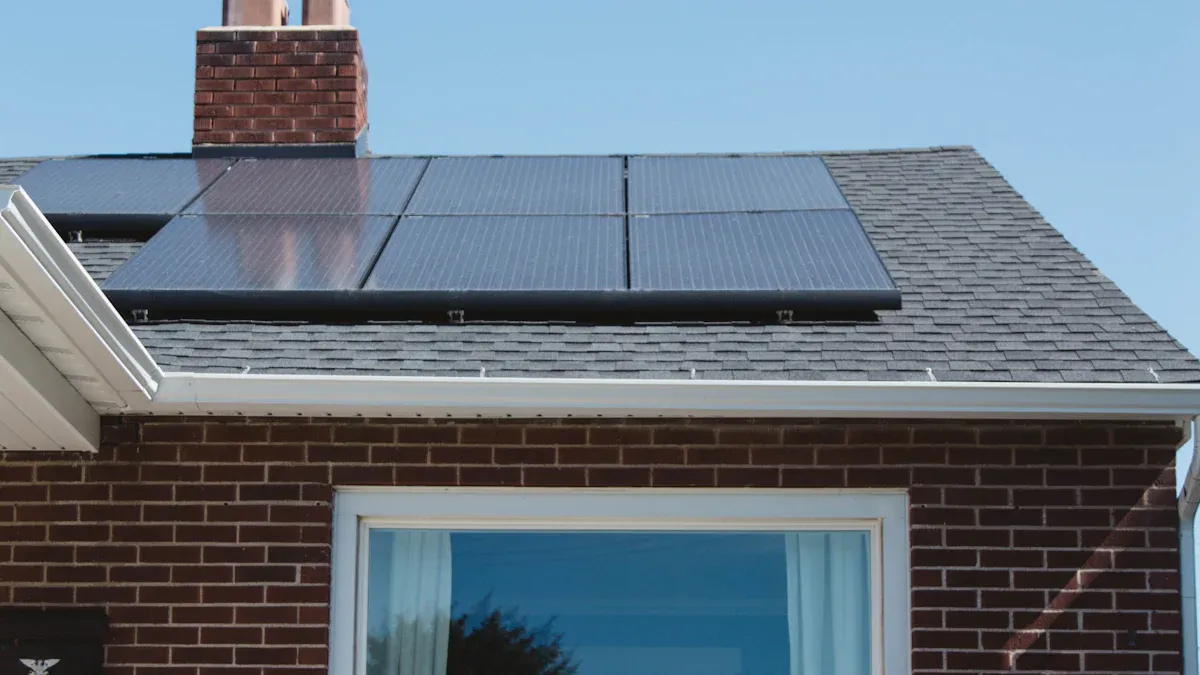
Installing solar panels is a powerful way to generate your own clean energy. This reduces your reliance on fossil fuels. It also significantly lowers your electricity bills. Solar panels convert sunlight into electricity. This provides a renewable energy source for your home.
Investing in solar panels offers a strong financial return. The average return on investment for residential solar panel installations typically ranges from 8-20% annually. The average ROI in the United States is 10-15% annually. Homeowners in California can see returns exceeding 20% annually. Even in less sunny states like Minnesota, annual returns typically range from 8-12%. The federal tax credit, covering 30% of installation costs, can improve ROI by 3-5 percentage points. This makes solar an attractive financial decision.
Solar energy helps you move towards a net-zero home. A net-zero home produces as much energy as it consumes. This significantly reduces your carbon footprint. Solar panels are a key component of net-zero energy homes. They provide a consistent source of clean energy. This makes your home more resilient and less dependent on the grid. You contribute to broader climate solutions by choosing solar. This helps create a more sustainable environment for everyone.
Buy Secondhand for Your Home
You can make a big impact by buying secondhand items for your home. This includes furniture, decor, and even appliances. This choice is both economical and eco-friendly. It reduces waste and conserves resources.
Buying pre-loved furniture prevents usable items from being prematurely discarded. It interrupts the ‘take-make-dispose’ cycle. This prolongs their functional life. Choosing used furniture directly decreases the need for raw materials. This includes timber, water, metals, and plastics. This conserves resources. It also mitigates environmental damage from extraction. Second-hand furniture diverts substantial waste from landfills. Bulky items take up significant space there. They decompose slowly. They emit greenhouse gases. They can also leach toxic chemicals.
Second-hand furniture offers significant cost savings. You can find high-quality pieces like sofas, dining tables, or bedroom sets at a fraction of the price of new items. This makes it an excellent option for budget-conscious shoppers. Older furniture often features superior craftsmanship and durable materials. This includes solid wood and intricate joinery. You get better quality for less money compared to mass-produced modern items. Second-hand furniture also serves as an ideal base for DIY projects. You can personalize items through paint, hardware, or upholstery at a low cost.
Buying used furniture directly lessens the need for virgin materials. This helps to conserve forests. It reduces water consumption. It also mitigates environmental degradation. The production, packaging, and global transportation of new furniture generate a substantial carbon footprint. Opting for locally sourced second-hand items significantly reduces these emissions. New furniture often contains volatile organic compounds (VOCs). These come from particle board, synthetic glues, and finishes. Second-hand furniture has typically off-gassed most of these chemicals. This leads to better indoor air quality. It creates a healthier living environment.
Purchasing second-hand items from local thrift stores or independent sellers keeps money within the community. This supports small businesses and local job creation. Each second-hand furniture purchase contributes to a system that prioritizes reuse and regeneration over waste. This moves away from a disposable culture. It moves towards a more sustainable lifestyle. Many second-hand outlets are run by non-profits. Your purchases often fund community programs. These include housing assistance, job training, or aid for families in need.
Support Local & Ethical Brands
You can make a difference with your purchasing power. Support local and ethical brands for your home goods. This ensures your choices align with your values. It also promotes responsible production and consumption.
Ethical sourcing is a critical business practice for home goods and products. It ensures every step in the supply chain respects human rights, fair labor practices, and environmental sustainability. It involves the responsible and sustainable organization of a company’s supply chain. It verifies that raw materials and production practices meet specific ethical standards. It supports the health and safety of all workers involved. This includes ensuring fair wages, humane working conditions, and minimal environmental harm. For example, using organic cotton instead of conventional materials.
Ethical brands are transparent. They communicate openly about their practices and commitments. They design items for longevity. They favor timeless pieces over disposable trends. These brands offer smaller, limited quantity collections. This prevents overproduction and overconsumption. Initial prices are set fairly. They avoid excessive discounts common in fast fashion. Products use ecological and certified raw materials. Look for certification labels like Fair Trade, GOTS, or PeTA. These provide assurance of high standards in sustainability, working conditions, and animal welfare. Brands also respect animal welfare. They use vegan or cruelty-free materials. Labels like PeTA guarantee no animal-derived materials.
Ethical brands often favor short circuits and local production. This reduces the carbon footprint from transport. Fair Trade Brands prioritize equitable partnerships with artisans and producers. They ensure fair compensation, growth opportunities, and economic independence. Look for certifications like Fair Trade Certified™ or those from reputable fair trade organizations. These guarantee rigorous ethical sourcing and production standards. This includes fair wages, safe working conditions, and environmental sustainability. Supporting local businesses also strengthens your community. It reduces the energy needed for shipping. These choices create a positive impact on both people and the planet.
Making your home more sustainable does not require drastic changes. You gain financial savings, increased comfort, and improved health. You also create a positive impact on the environment. Every small step contributes to a larger, more sustainable lifestyle. This helps create a healthier planet and a better climate. These actions also support a stable global climate. Pick a few choices that resonate with you. Start your sustainable journey today. It is a continuous and rewarding process for you and the environment.