

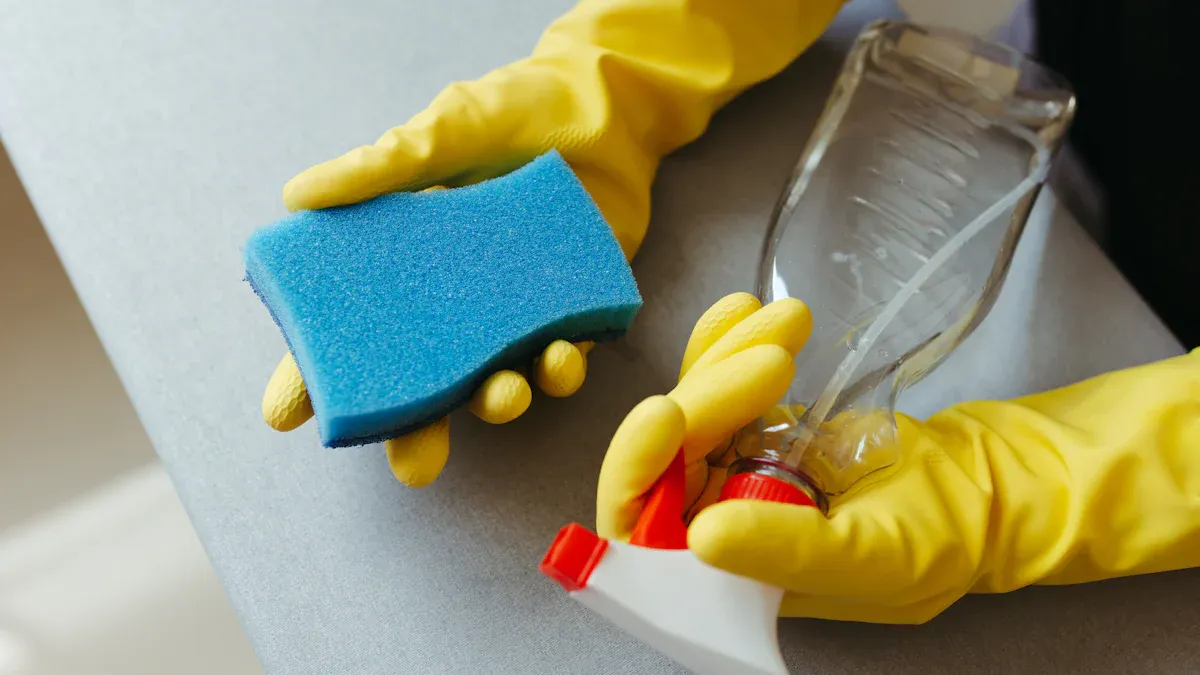
You can achieve safe home cleaning. This is essential for your family and your beloved pets. Many common cleaning products contain harmful chemicals. However, effective, non-toxic alternatives exist. This safe home cleaning guide helps you identify dangers, choose safe products, and implement safe cleaning practices. You ensure the ultimate safety of your home for every family member, including your pet. Your pet will thank you. This transition improves air quality and reduces allergic reactions. You gain peace of mind knowing your pet is happy.
Dangers of Conventional Cleaners
You might not realize the hidden dangers in your everyday cleaning routine. Many conventional cleaning products contain harmful chemicals. These chemicals pose risks to your family and your pets. Understanding these dangers helps you make safer choices.
Toxic Ingredients to Avoid
Many common cleaning products contain toxic materials. You should know about these ingredients. For example, 1,4-Dioxane is a known carcinogen. You often find it in laundry detergents and dish soaps. Look for ingredients ending in “-eth” or containing “PEG.” Formaldehyde is another carcinogen. It releases toxic fumes that irritate eyes, skin, and lungs. You can find it in air fresheners and disinfectant sprays. Bleach (Sodium Hypochlorite) creates harsh fumes. These fumes can burn your eyes and trigger asthma. Mixing bleach with other cleaners, like ammonia, releases dangerous gases. Toxic chemical fragrances are also problematic. These are often a mix of unlisted chemicals. They include hormone-disrupting phthalates and allergens. You find them in fabric softeners and scented detergents.
Exposure Risks for Families
Exposure to these chemicals can harm your family. Volatile organic compounds (VOCs) from household cleaning products increase your risk of lung cancer. They also increase the likelihood of cardiovascular diseases. Children are especially vulnerable. Chlorine and ammonia are irritants in cleaning products. Limonene is a sensitizing chemical. Formaldehyde contributes to nocturnal dry cough in children. Some VOCs are linked to asthma, even in early childhood. You expose your family to these risks every time you clean with conventional cleaning products.
Pet Exposure and Symptoms
Your pets face significant risks from conventional cleaning products. Long-term exposure to these chemicals can lead to chronic pet health issues. These include liver and kidney disorders, cancers, and neurological problems. Endocrine disruption can also occur, affecting hormone functions. Toxins accumulate in your pet over time. This overwhelms their natural detoxification systems.
Common cleaning chemicals like ammonia irritate your pet’s respiratory tract. Bleach causes vomiting, drooling, and abdominal pain. Phenols and pine oils are highly toxic to cats. They cause liver damage. Phthalates and harsh fragrances disrupt hormones. Glycol ethers cause lung and kidney problems. Formaldehyde is a known carcinogen, especially for cats.
If your pet ingests cleaning products, you might see drooling, vomiting, or lethargy. Inhalation can cause sneezing, coughing, or trouble breathing. Skin contact leads to redness, irritation, or chemical burns. For dogs, symptoms of poisoning include vomiting, staggering, and seizures. Bleach exposure in dogs can cause internal burns. Cats might show sluggishness, unsteady gait, or sudden vomiting. Protecting your pet means choosing safer cleaning options.
Choosing Pet Safe Cleaners
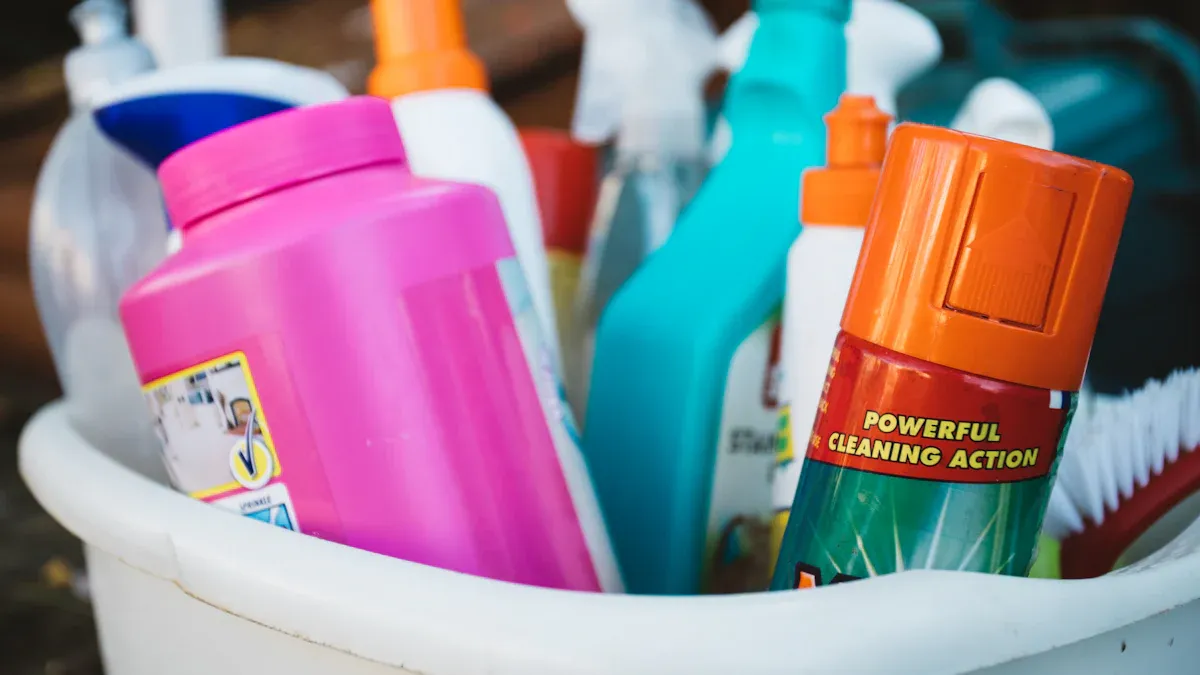
You can create a clean home without harsh chemicals. Many truly pet friendly cleaning options exist. You can choose safe alternatives. These options protect your family and your pets.
Decoding Product Labels
You need to know what to look for on cleaning product labels. Many labels claim to be “natural” or “green.” These terms do not always mean the product is safe. Look for specific certifications. These certifications show a product meets strict safety standards.
EPA Safer Choice certification: This label means a product meets specific environmental and human health criteria.
USDA BioPreferred certification: This highlights the use of bio-based ingredients.
Leaping Bunny certification: This verifies products meet recognized environmental and health standards.
These certifications help you identify genuinely pet safe cleaners. You avoid harmful ingredients when you choose certified products. Always read the full ingredient list. You want to ensure the product is safe for your pet.
DIY Safe Cleaning Solutions
You can make many effective cleaning solutions at home. These DIY options use common household ingredients. They are often safer and cheaper than store-bought cleaning products.
Here are some powerful, natural ingredients:
Distilled White Vinegar: This is a natural antifungal, antibacterial, whitener, and deodorizer. You can mix it with water, baking soda, and other ingredients. It works well for stain removers and degreasers.
Baking Soda: This is an excellent whitener, carpet freshener, and stain remover. It acts as a mild abrasive scrubbing compound. It is safe for most surfaces.
Castile Soap: This is a non-toxic, biodegradable, vegetable-based cleaner. It suits general cleaning tasks.
Hydrogen Peroxide: This is a safer alternative to bleach. It acts as a natural whitener, cleaner, and disinfectant. You can use it for germy areas and mold removal.
Lemon Juice: This deodorizes, lightens stains, and cuts grease. It also kills bacteria and removes tarnish. Avoid using it on silver.
Borax: This is stronger than baking soda. It is good for sanitizing, freshening laundry, and deodorizing.
Washing Soda: This is the strongest alternative to baking soda and borax. Always use gloves when you use it.
You can create many effective solutions with these ingredients:
Natural Cleaner for Vinyl and Tile: Mix 1 gallon hot water, 2 tablespoons distilled white vinegar, 2 teaspoons Castile soap, 2 tablespoons baking soda, and 10-20 drops essential oil.
Natural Grout Cleaner: Combine ¼ cup water, ½ cup hydrogen peroxide, and 1 cup baking soda.
Natural Cleaner for Glass and Mirror: Use 1 cup distilled white vinegar, 1 cup water, and 3 drops essential oil.
Homemade All-Purpose Cleaner: Mix ½ cup white vinegar, the juice of 1 lemon, 2 cups water, and ½ teaspoon Castile soap. This makes a great pet safe cleaner.
Toilet Bowl Cleaner (Strong): Use 1 cup borax and ½ cup vinegar. Sprinkle borax, then spray vinegar. Leave it overnight, then scrub.
Trusted Pet-Safe Brands
You can also find many trusted brands that offer pet safe cleaners. These companies specifically formulate their cleaning products to be non-toxic. They ensure safety for your entire household, including your pet. Look for brands that clearly state their products are safe for pets. Read reviews from other pet owners. You want to choose reputable companies. These brands often avoid harsh chemicals and strong fragrances.
Essential Oils: Use with Caution
You might think essential oils are always safe because they are natural. However, many essential oils are toxic to pets. You must use them with extreme caution. Cats are especially sensitive. They lack an enzyme called glucuronyl transferase. This makes them vulnerable to phenol and phenolic compounds. Their grooming habits also increase their risk. Dogs are also at risk.
Here are some essential oils harmful to cats:
Wintergreen
Sweet birch
Citrus (d-limonene)
Pine
Ylang ylang
Peppermint
Cinnamon
Pennyroyal
Clove
Eucalyptus
Tea tree (melaleuca)
Thyme
Oregano
Lavender
Here are some essential oils harmful to dogs:
Cinnamon
Citrus (d-limonene)
Pennyroyal
Peppermint
Pine
Sweet birch
Tea tree (melaleuca)
Wintergreen
Ylang ylang
Anise
Clove
Thyme
Juniper
Yarrow
Garlic
Some essential oils can cause liver damage. These include birch tar, cassia bark, cinnamon oil, pennyroyal, and tea tree/melaleuca. Others can cause seizures. These include birch, cedar, eucalyptus, hyssop, pennyroyal, sage, wintergreen, and wormwood. Wintergreen and birch oils can also cause aspirin toxicosis. This is due to high levels of methyl salicylate. Always consult your veterinarian before using any essential oils around your pet. You want to ensure their safety.
Practical Safe Cleaning for a Clean Home
You can maintain a truly clean home using safe practices. This room-by-room guide helps you apply safe cleaning methods throughout your house. You protect your family and your pets from harmful chemicals.
Kitchen Cleaning Practices
Your kitchen is a high-traffic area. It requires careful cleaning. You should always clean surfaces thoroughly with hot water and soap. After washing, sanitize surfaces with a diluted chlorine bleach solution or a disinfectant kitchen cleaner. Allow the sanitizing solution to stand on the surface for several minutes. Rinse with cold water. Air dry or pat dry with fresh paper towels. Discard unused bleach solutions after one week. They lose effectiveness.
James Rogers, PhD, CR’s director of food safety research and testing, recommends cleaning up and loading the dishwasher while cooking. This prevents a pileup. He then performs a final cleaning. He uses warm, soapy water. He wipes down all surfaces. This includes the sink, stove, and countertops. He pays special attention to areas that have come into contact with food or where food was prepared. This ensures a safe environment for your family and your pet.
Bathroom Cleaning Practices
Bathrooms harbor many germs. You need effective cleaning strategies here.
Rinse the tub after each use. This prevents soap film and hard water deposits. Use a small sponge for wiping tub walls. Use a towel or squeegee for shower walls. Dry faucets to prevent water spots.
Keep shower doors and curtains open after use. This allows them to air dry. It prevents mildew. If mildew appears, use liquid household bleach or cleaners with bleach.
Use a daily shower cleaner. This keeps surfaces free of soap scum, mildew stains, and hard water deposits. Mist surfaces after showering while they are wet and warm. No rinsing, wiping, or scrubbing is necessary. Ensure the product suits your surface.
For vertical surfaces like bathtubs, showers, and toilet bowls, spray foams and thick liquids work well.
Consider using a disinfectant cleaner for toilet bowls, tubs, and showers. Products with an EPA registration number meet germ-killing requirements. Follow label instructions for effectiveness.
Avoid using bleach to remove rust stains. It may intensify the color. Use only a rust remover.
For stubborn stains or soap film buildup, allow the cleaner to penetrate. Then rub or scour. Recommended products include tub/tile/sink cleaner, nonabrasive all-purpose cleaner, disinfectant cleaner, mild abrasive cleanser, and hard water mineral remover.
For glass shower doors and mirrors, use nonstreaking cleaning products. Glass cleaner or glass and multi-surface cleaner work well. For heavily soiled doors, use tub/tile/sink cleaner.
For toilet interiors, use a long-handled toilet brush. Clean rim holes and the trap. Use toilet bowl cleaner or in-tank continuous cleaners. Do not mix different types of toilet bowl cleaners.
For toilet exteriors and plastic toilet seats, use nonabrasive all-purpose cleaner or disinfectant cleaner. Thoroughly rinse and dry hinge areas and bumpers.
When cleaning toilets, follow these steps:
Protect Yourself: Always wear appropriate personal protective equipment (PPE), such as gloves. Goggles are recommended when working with vertical surfaces or sprays. This avoids splash-back.
Pre-Clean Toilets: Remove debris. Flush. Pretreat the toilet exterior with a multi-purpose cleaner or cleaner/disinfectant. Allow it to stand for the recommended wet dwell time. Dwell time is crucial for effective disinfection.
Apply Bowl Treatment: Flush the toilet. Use a bowl brush to force water over the trap. Apply bowl cleaner to the inside of the toilet bowl. Start near the rim. Allow it to dwell. Non-acid cleaners are recommended for daily use. Acid cleaners are for stubborn stains or deep cleans.
Clean and Disinfect High-Touch Areas: Apply cleaner/disinfectant to high-touch points. This includes toilets, urinals, sinks, dispensers, and door handles. Allow the solution to sit for the recommended dwell time.
Wash Walls and Stalls: Spot clean bathroom walls and stalls. Use disposable microfiber cloths and a cleaning/disinfecting solution. If using reusable cloths, use different colors for different surfaces. This prevents cross-contamination.
Final Disinfectant Steps: Return to the high-touch areas. Wipe them from top to bottom with a microfiber cloth. Ensure different colored or disposable cloths are used for various surfaces. This prevents cross-contamination. Remove all cleaner/disinfectant from high-touch surfaces. This prevents chemical burns.
Living Areas and Bedrooms
Your living areas and bedrooms are where you relax. You want them clean and comfortable.
Steam Cleaning: This uses high-temperature water. It loosens dirt, sweat, and other soils from upholstered furniture. It rejuvenates furniture. It eliminates germs and allergens. It extracts excess moisture for quick drying.
Hand Shampoo: Professionals use special shampoos and sponges. They gently wipe up food or beverage stains. They do not damage the fabric. They use specific products for different stain types.
Dry Cleaning: This is recommended for delicate fabrics. These fabrics do not react well to water. It uses solvents instead of water or steam. It removes spots. It restores the furniture’s appearance. An ‘S’ symbol on the tag indicates dry cleaning is required.
You can also maintain your furniture with these tips:
Keep pets off. This avoids pet stains. Pet stains are time-consuming to remove. Washable sofa and chair covers can help manage pet hair.
Vacuum every week. Regularly vacuum furniture. This prevents crumbs and grease from embedding into the fabric. Use a hose and upholstery tool for crevices.
Get rid of stains right away. Blot spills with a white paper towel immediately. Do not rub or scrub. Consider professional cleaning for stubborn stains.
Avoid resting bare feet on fabric. Body oils from bare feet can attract soil. Use arm covers if you frequently rest your feet on upholstery.
Use throws and accent pillows. These protect upholstery from body oils and dirt. They are easier to wash.
Give leather furniture some love. Regularly apply saddle soap or leather hide products. This protects leather sofas.
Pet Zones and Accessories
Your pet’s areas need regular cleaning. This keeps your pet healthy and your home fresh.
Pet Bowls:
Wet food bowls: Clean after every use.
Dry food and water bowls: Clean daily.
Pet Beds, Blankets, and Habitats: Clean weekly.
General Cleaning: Clean more frequently if items appear dirty or smell bad.
Cleaning Methods:
Hard Items (bowls, crates, rubber/plastic toys):
Wash with soapy water.
Disinfect with bleach or disinfectant wipes/spray.
Dishwasher-safe items can be cleaned and disinfected in a dishwasher.
Soft Items (beds, blankets, clothes, plush/rope toys):
Clean and disinfect using a washing machine and dryer.
Specific Cleaning Instructions:
Using Soapy Water: Wash with soap/detergent and warm water. Scrub. Rinse. Then air dry or wipe.
Using a Dishwasher: Place dishwasher-safe items in the dishwasher. You can wash them with human dishes. Add detergent. Use any wash setting. High temperature/sanitizing settings help with disinfection. Use any dry setting. Heat dry helps with disinfection.
Using a Washing Machine: Place items in the washing machine. You can wash them with human clothes. Add laundry detergent. Dye/fragrance-free options are best for sensitive pets. Use appropriate cycle/water temperature. Air dry or use a dryer. The highest heat for 30 minutes helps with disinfection.
Safety Precautions with Disinfectants:
Keep pets away from cleaning areas and disinfectants.
If you have pet birds, disinfect outdoors or in a separate room. Their respiratory systems are sensitive.
Follow disinfectant label instructions. Many are toxic when wet but safe when dry.
Store disinfectants out of reach of pets.
Avoid disinfectants containing ‘phenol’ for cats. It is highly toxic to them.
Cleaning Location:
Dog and cat bowls/toys can be washed in the kitchen sink.
For other pet items, use a dedicated wash tub/sponge. You can also use a laundry sink/bathtub. Clean and disinfect immediately after use. Avoid using the kitchen sink for other items unless thoroughly cleaned and disinfected afterward. This prevents germ spread.
Effective Cleaning Up After Pets
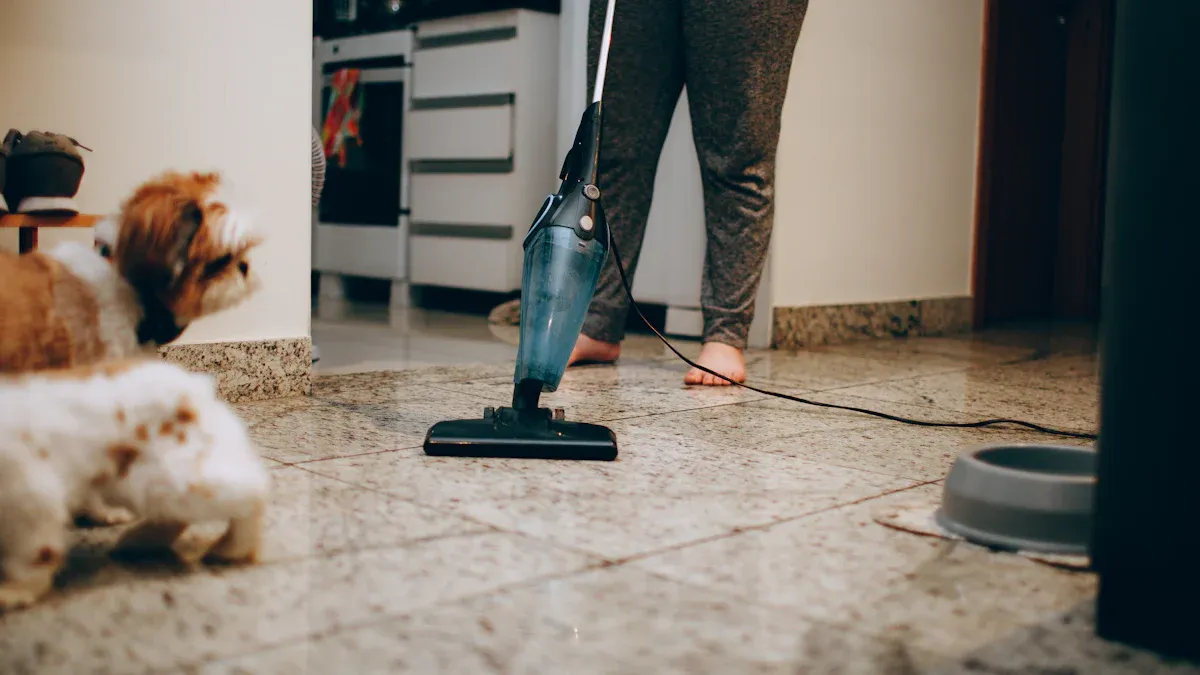
Natural Odor Elimination
You can eliminate pet odors naturally. For carpets, sprinkle baking soda. Leave it for 20-30 minutes, then vacuum. Baking soda absorbs moisture and neutralizes odors. For urine spots, mix equal parts water and white vinegar. Spray this solution, then blot dry. Vinegar neutralizes ammonia. Enzyme-based natural cleaners break down urine proteins. They are ideal for old or deep-set stains on carpets and upholstery. These cleaners are gentle and chemical-free. They are great for pet friendly carpet cleaning. Baking soda also works well for pet beds.
Pet Accident Cleanup
Cleaning up after pets requires quick action. For pet urine stains on hardwood floors, act fast. Soak up liquid with an absorbent cloth. This prevents damage and odor. Always test any cleaning product on a hidden area first. You can use enzymatic cleaners. White vinegar (1/4 cup with 1 gallon warm water) neutralizes ammonia. Baking soda absorbs liquids and odors. For pet vomit on upholstery, scrape up solids. Sprinkle baking soda over the stain. Let it dry. Vacuum the residue. If a stain remains, use a pet-stain remover.
Mold and Mildew Prevention
You can prevent mold growth, especially in bathrooms. Increase ventilation. Run a bathroom fan during and after showering. Open windows or the bathroom door. Reduce water use. Take shorter showers. This lowers moisture levels. Clean regularly. Wipe down wet surfaces immediately. Use natural cleaning agents. Distilled white vinegar can be sprayed directly on surfaces. It prevents mold. A baking soda solution also cleans and prevents mold.
Allergen Control Strategies
You can reduce pet dander allergens in your home. Groom your pets frequently. Brush them outdoors. Bathe them every few weeks with pet-friendly shampoos. Create pet-free zones. Keep pets out of bedrooms. Use HEPA filters in your HVAC system. Replace them regularly. They trap pet dander. Clean frequently. Vacuum carpets, rugs, and upholstery with a HEPA-filtered vacuum. Wash pet bedding weekly in hot water. You can also disinfect pet accessories. The most effective long-term strategy is to remove or relocate pets from the home. This is especially true for people with allergic asthma.
Achieving a Clean and Pet-Friendly Home
You can create a consistently clean and pet friendly home. A regular cleaning schedule helps you maintain a healthy environment. This ensures good hygiene for everyone.
Daily Cleaning Habits
You should establish daily cleaning habits. These habits keep your home tidy. Vacuum high-traffic areas two to three times a week. Vacuum daily if your pet sheds a lot. Remember to vacuum soft furnishings like sofas and beds. Mop hard floors frequently, two to three times a week. This addresses pet mess, food, and muddy prints. Place a mat by the door if you have outdoor pets. This catches dirt before it spreads indoors. Sweep floors daily to remove fur and dirt. Focus on high-traffic areas. Scoop the litter box and remove any pet waste immediately.
Weekly Deep Cleaning
A weekly deep cleaning plan is crucial for homes with pets. You maintain a consistent cleaning schedule. Wash pet bedding weekly. Use a high heat setting and natural detergent. This removes dander and odor. Deep clean pet crates weekly. This eliminates smells and maintains cleanliness. Use pet-safe cleaners. Sanitize pet bowls weekly in the dishwasher after daily rinsing.
Monthly and Seasonal Tasks
You should perform monthly and seasonal cleaning tasks. Deep clean your pet’s belongings. Vacuum and launder your pet’s bed. Discard any heavily soiled toys and replace them. Neutralize strong pet odors. Wash all dog bedding, apparel, fabric harnesses, leads, and toys. Check labels for machine washability. Condition any leather collars and leads with a suitable product. Spot clean any marks on walls or furnishings. Fully wash and rinse treat jars and all food containers. Clean out any dog items from the car interior. Wash protective throws. Stock take pet supplies. Order waste bags, grooming tools, or medication as needed. Spring clean your dog’s toys, bedding, and accessories. Clean out all food and medications. Ensure they are within their use-by dates. Steam clean carpets and furniture. Wash all windows and glass doors inside and out. Diarise your pet’s vet check-ups, vaccinations, and grooming bookings as needed.
Involving Family in Cleaning
You can involve your family in cleaning tasks. Assign age-appropriate chores. Children can help with daily tidying. They can also help with pet feeding areas. Teach everyone about safe cleaning products. Make cleaning a team effort. This promotes a shared responsibility for your clean home.
Transitioning to a Safe Home Cleaning Guide
You can gradually adopt safer cleaning practices. This ensures ongoing safety for your family and your pet. This section offers advice for a smooth transition.
Gradual Product Swaps
You do not need to change all your products at once. Make gradual swaps. This makes the process manageable. Follow these steps for a safer home:
Switch to nontoxic cleaning. Start with a versatile, nontoxic cleaning concentrate. Use it for all household cleaning needs.
Upgrade laundry products. Replace conventional laundry detergent, stain remover, and dryer sheets. Use nontoxic alternatives and wool dryer balls.
Eliminate toxic air fresheners. Swap out toxic candles, air fresheners, and room sprays. Use essential oil diffusers, beeswax candles, or nontoxic room sprays.
Gradually replace kitchen items. Over time, transition from plastic plates, bowls, and water bottles to glass, ceramic, or stainless steel. Also, consider switching to nontoxic cookware like cast iron or ceramic.
Address bigger items as budget allows. After implementing initial simple swaps, gradually transition to larger nontoxic items. Do this as your budget and interest permit. Remember, small changes accumulate. This safe home cleaning guide helps you make informed choices.
Educating Your Household
Everyone in your home should understand safe cleaning practices. Teach your family about the dangers of conventional cleaners. Show them how to use safer alternatives. Explain why you are making these changes. This creates a shared responsibility for a healthy home.
Safe Storage of Supplies
Proper storage of cleaning supplies is vital. This is part of pet proofing your home. You must keep all cleaning agents in secure locations. They must be inaccessible to children and your pet.
Always store cleaning chemicals in their original containers.
Ensure containers are sealed tightly when not in use.
Store cleaning chemicals out of reach of children and pets. Ideally, use a locked cupboard or a high shelf.
Use child-proof locks if a dedicated locked cupboard is not possible.
Never leave cleaning supplies unattended during use. This is a key part of any pet proofing guide.
Emergency Preparedness
Accidents can happen. You need to know what to do if your pet is exposed to toxic cleaning chemicals.
For topical exposure, rinse the affected area thoroughly with lukewarm water. Use mild soap if necessary. Avoid harsh scrubbing.
For ingestion, do not induce vomiting unless specifically instructed by a veterinarian. Some corrosive chemicals can cause further damage upon regurgitation.
If fumes were inhaled, immediately move your pet to an area with fresh air.
Call a veterinarian without delay. Prompt action is crucial in cases of toxicity. Gather detailed information about the suspected toxin. This includes the amount ingested, time of ingestion, and symptoms. Be prepared to provide product packaging. Follow your veterinarian’s advice. This ensures the best outcome for your pet.
You create a healthier environment for your family and your pets. You reduce exposure to harmful chemicals. You gain peace of mind. Start small. Make gradual changes. Prioritize consistency in your safe cleaning efforts. Creating a truly safe home is an ongoing process. It yields significant rewards for everyone’s well-being. This safe home cleaning guide helps you make positive choices. Your pet will thrive. Your pet’s health improves. Your pet is safer.